#14 - Madame Freedom (1956)
Written by Russell Edwards.
When movie eroticism is discussed, there is a tendency to think of metres of celluloid revealing hectares of exposed flesh. South Korean cinema certainly provides examples in films like Jang Sun-woo’s Lies (1999) and E J-yong’s Untold Scandal (2002). So for the uninitiated, it may seem surprising to nominate a South Korean film from 1956 as an erotic classic. As a pioneering director, Han Hyung Mo had already expanded the sexual perimeters of South Korean film with Hand of Destiny (1954) and its depiction of the nation’s first screen kiss. While kissing is still infrequent in Madame Freedom, Han’s subsequent film still manages to explore Korean sexuality and sexual mores in greater, and sometimes titillating, depth.
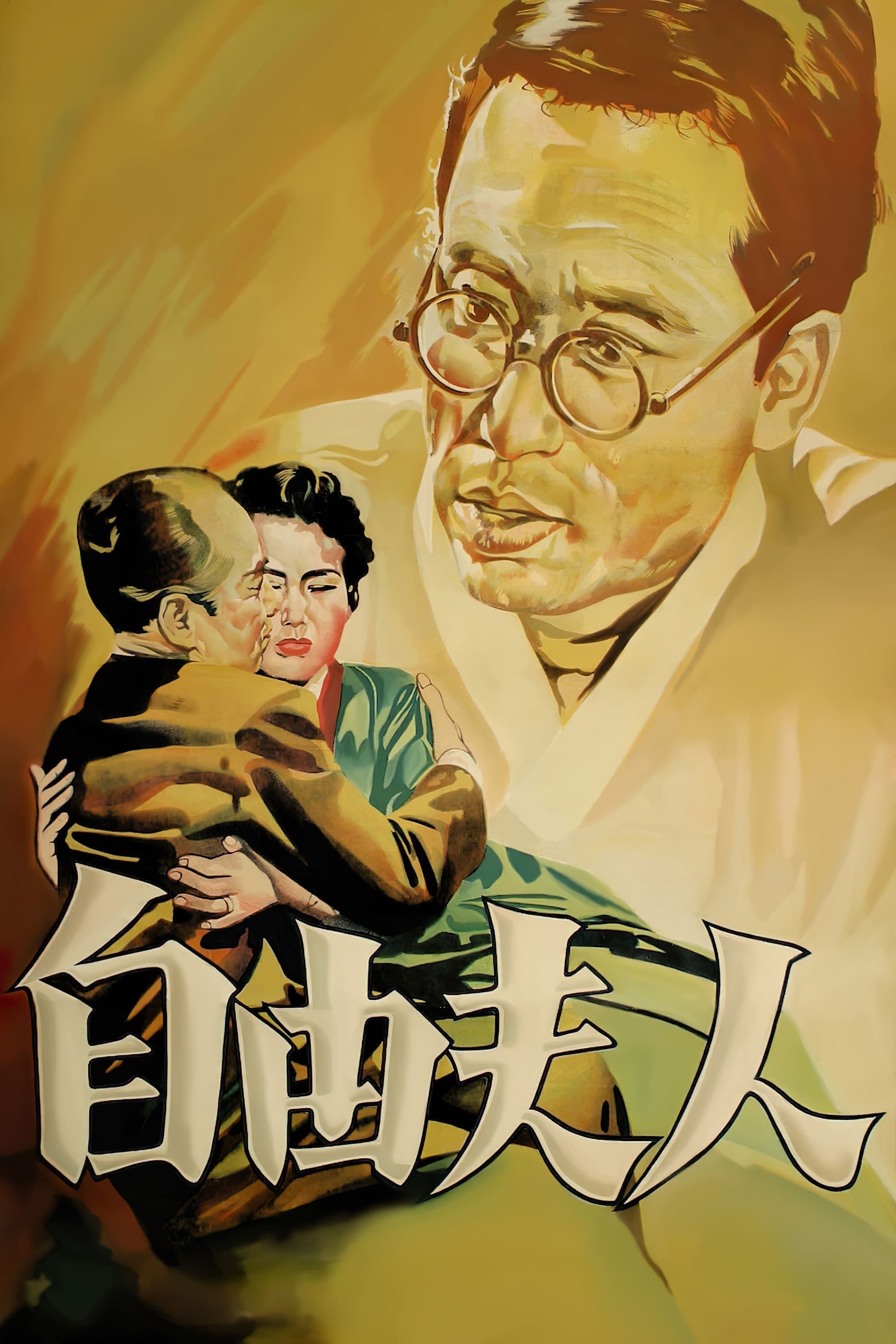
[Figure 1: Madame Freedom poster. Image source: TMDB]
Madame Freedom portrays the story of Ms Seong-yeong Oh (Kim Jeong Rim) an attractive woman on the threshold of radical change when her academic husband Professor Jang (Park Am) reluctantly grants her permission to take a job as a manager of a gifts store. This seemingly innocuous decision is given extra political nuance by the fact that it is a Western gifts store that carries everything that carries everything from perfume to men’s ties and alligator skin handbags. Only one Westerner in the film (an American boss who lets one of his Korean receptionists use his telephone) has a speaking role, but the influence of Western values infects all of the behaviours of the Korean characters.
The film’s first image is of Ms Oh doing the ironing (on a blanket of the floor of her family home). The camera pulls back to reveal that on either side is her husband reading a newspaper and her young son work at a more highly elevated desk. At Ms Oh’s request that Professor Jang assist with their child’s studies, the husband rises to retreat to his desk in the next room. Clearly, both males are entitled to do their work at a higher level than a mere woman. Soon after, the sound of Western music drifts into the house from a neighbouring student’s residence. This mostly jazzy music too is also not to the Professor’s liking, while Ms Oh takes a more relaxed, accepting attitude to the neighbour’s habit of playing Western music. This opening outlaying of marital disagreements economically lays the battle lines for future trouble and despite it being neither jazz or American, there can be little doubt that every time ‘The Merry Widow” waltz augments the soundtrack, this Korean marriage is headed for danger.
When Ms Oh begins employment and the store’s female owner is thrilled with the new employee’s ability to charm male customers. However, she is less impressed with the way that Ms Oh also catches the eye of her husband. Both the student neighbour and the store owner’s husband have an interest in dancing that that both actively encourage Ms Oh to pursue. The film makes little effort to disguise the idea that dancing is a metaphor for other physical enjoyments commonly associated with a horizontal posture. The blame for this desire is illustrated by Ms Oh’s transition from hanbok to stylish Western clothes, but finds full erotic expression in a scene where Ms Oh, escorted by her womanising, student neighbour to a Seoul dance club and is witness to an eye-popping floorshow. Backgrounded by phallic saxophones, a dancing woman (Nam Bok-hui) wearing a black dress decorated by a long spiral fringe and a high thigh split, suggestively and joyously performs to mambo music. Cuts between performer and audience, and particular the close-ups of Ms Oh, indicate that the performer’s shimmering orgasmic reveries are shared by all.
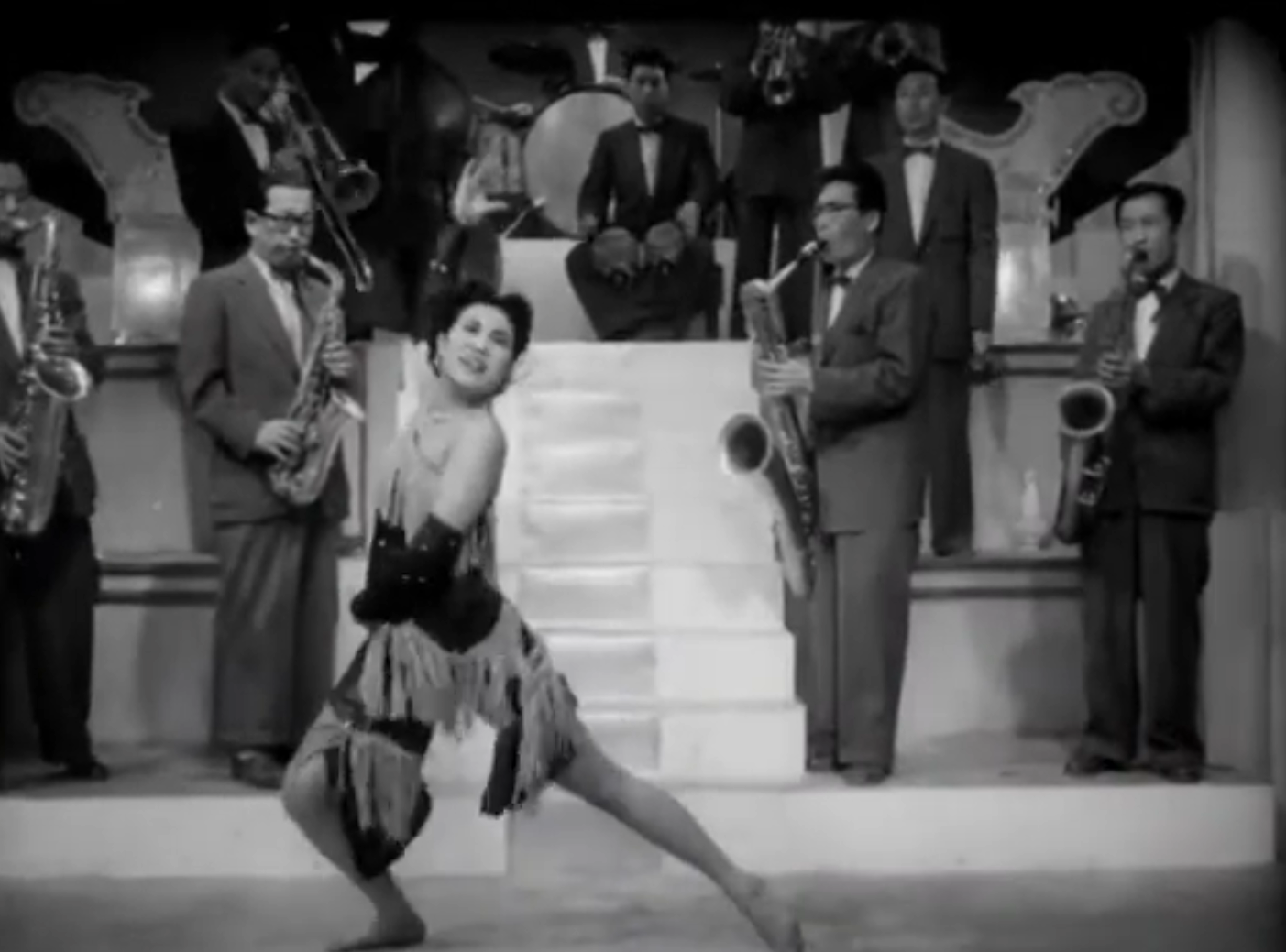 [Figure 2: Nam Bok-hui mambo dance scene. Image source: screenshot from movie]
It is foreseeable that the narrative will have a comeuppance for Ms Oh. However, while Han delivers on his obligation to supply a patriarchal denouement, the director also manages to level the playing field. After all, while Ms Oh is rather naively enticed by the attention of wooing men, Professor Jang finds himself targeted by a young woman who arranged for him to give grammar lessons to the office typing pool. Jang’s responses to seductive overtures are slower than those practiced by his wife’s fast-talking, slow dancing paramours, but he is clearly on the precipice of a similar dilemma.
During the film’s finale, Ms Oh crouches outside the family home in the snow, recalling the tortured fate of Stella Dallas in the 1937 Barbara Stanwyck melodrama of the same name. The end sequence also draws a parallel with the opening scene, and indicates that while Professor Jang occupies the high moral ground, he does not escape judgement. As it was at the beginning, the visuals position the husband higher as he stands over his wife. As the neglected (by both parents) son embraces the kneeling mother, it is clear that Ms Oh is forgiven. At the same time, in the final shot the camera takes an elevated view of all the family members and implies not only that Professor Jang’s own dalliance is under evaluation, but that his “moral victory” is shallow. As a result, at the film’s end, the viewer’s allegiance remains with our “Madame Freedom” despite her transgressions.