
#6 - Chief of Staff (보좌관, 2019)
Chief of Staff (보좌관)
Review by Jonathan Dong (Monash University)

Figure 1: Chief of Staff promotional poster. Image source: AsianWiki
“Remember what we went through to get here…we’ve cleaned up their shit for 10 years.”
To no one’s surprise, working in politics is a messy affair, but just how one survives such a brutal game is an open question. Enter this world in Chief of Staff, delving deep behind the scenes of Korean politics, and only one answer emerges – win at all costs. Jang Tae-Jun (Lee Jung-Jae) is the chief advisor to veteran lawmaker Song Hui-Seop (Kim Kap-Soo) in the National Assembly. Song is a ruthless and ambitious player, unfazed with using whatever means necessary to rise up the ranks. But while Song shamelessly plays political games to subdue his factional enemies, it is in fact Jang who masterminds the strategies and executes the power plays to overcome sticky situations and come out on top. Jang himself wants to rise high in his political career and succeed in order to do good things. But his goals of higher office are only possible by preserving favour and patronage from incumbent powerbrokers like his boss Song. Therefore, Jang must do his current job well to politically advance Song – being a former detective, he operates with brutal precision and quick wit to deftly negotiate the ethical dilemmas that confront them.
The other key influence in Jang’s path is a rising first year lawmaker, Kang Seon-Yeong (Shin Min-A). Kang is the spokesperson for their party and was elected to a proportional representation seat with help from Assemblyman Jo Gap-Yeong (Kim Hong-Fa), who is a factional rival to Song. But Kang, a former lawyer and TV news anchor, and Jang are also in a secret relationship with each other. Together, they work to quietly undermine and bring down networks of business cronies and politicians who perpetrate corruption, while ostensibly aiding Song or Jo’s interests in order to preserve their own careers. On the other hand, they must also deal with the feelings and stresses within their own relationship, against the relentless pressure of their political enemies.
Amidst the gripping plot twists and intriguing character arcs, for many viewers Chief of Staff will present as a withering critique of contemporary political culture. By having the main protagonist as the chief advisor rather than the politician, the drama shines attention on the inner workings, deal-making, and strategising that goes on behind the scenes, rather than only the formalistic appearances or typical public debate that is shown on the nightly news. Jang has an agreement with Song: that if he helps his boss become Minister of Justice, Song will ensure Jang takes over his Assembly seat. Song will then use his power as Minister to halt or instigate prosecutions to protect his corrupt interests. Through this complex web of political patronages, and the powerful interests working behind the scenes, the drama breaks down how the system continues the cycle of corruption.
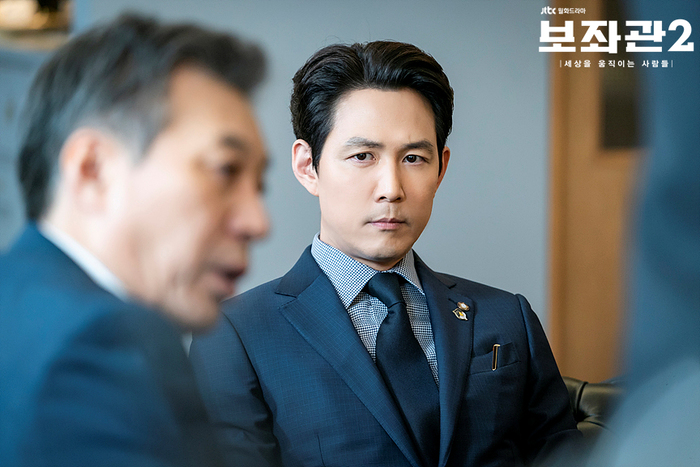 Figure 2: Chief of Staff stills cut. Image source: Sangjo Magazine
The overall theme is the internal moral conflict within oneself, in making each decision. What should you do when things aren’t black or white, but always grey? Do the means justify the ends? If Jang only plays by the rules, he is a fool and can’t ever compete with the corrupt players. But if Jang keeps maneuvering to stay one step ahead, he himself becomes captured to the forces of corruption, and might end up like the rest. Across all the characters, the drama showcases the whole spectrum of moral choices that people can take within this system. Every move brings Jang closer to his goal yet threads another layer of danger that could finish him.
Consisting of two seasons aired over 2019, Chief of Staff averaged a national viewership of 4.5% on cable television. But despite the modest ratings, its themes speak to the universal issue of how ordinary people relate to political leaders and institutions. It is particularly resonant in South Korea, where scandals involving former president Park Geun-Hye caused public outrage, and the former government and chief prosecutor (now the president Yoon Seok-Youl) targeted each other for alleged abuse of power or political misconduct. Accordingly, trust in politics is low. Surveys say that 62% of the public disagree that most politicians cared about what they thought, and 84% said their political system needed significant reform – although 55% of South Koreans responded they were satisfied with the state of their democracy.
The series is unlikely to return with a third season. But the existing 20 episodes already present an entertaining but sophisticated plot, a well-known cast, and a niche concept with realistic topics. Overall Chief of Staff offers large amounts of mystery, intrigue, and insight that might complement or provide an interesting contrast to the rest of your K-drama selections.
Check out the trailer here and the series is available on Netflix.
Jonathan Dong/Monash University ©, please do not reproduce without prior permission.
For details, contact MUKSRH andy.jackson@monash.edu