
Stem cell derived human tissue models aims to better understand impact of COVID-19 on different organs
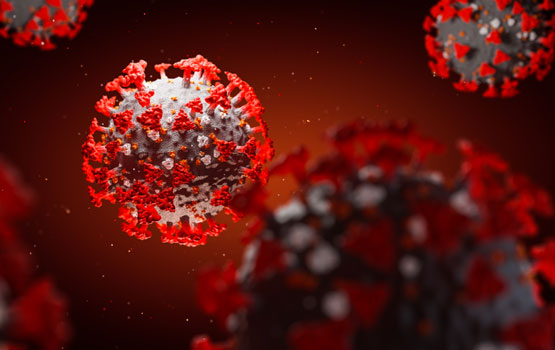
A team of Melbourne researchers, will use human stem cells to better understand the effects of COVID-19 on different organs after being awarded a State Government grant.
Minister for Innovation, Medical Research and the Digital Economy Jaala Pulford announced this week that the stem cell initiative was among the projects to share in $5.5 million from the government’s COVID-19 Research Fund.
The project has also received an additional $600,000 in philanthropic support from the Stafford Fox Medical Research Foundation (SFMRF).
The project team will model in vitro different human organ tissues using stem cells to better understand the virus’s effects on different organ systems in the body including the lungs, heart, kidneys, brain, immune system and blood vessels, to support the development of targeted treatments.
The collaborative study led by The Murdoch Children’s Research Institute (MCRI), which includes The Peter Doherty Institute for Infection and Immunity, The Monash Biomedicine Discovery Institute (Monash BDI), The Australian Regenerative Medicine Institute (ARMI), and the Walter and Eliza Hall Institute of Medical Research, will benefit from cutting edge stem cell processing equipment, which will recreate human tissues affected in COVID-19 patients.
Professor Jose Polo, a Lab Head in the Monash BDI and AMRI, and his team have used their capabilities to generate human lung cells from iPSCs to develop an in vitro model that more accurately reflects the infected lungs of a patient. This in vitro lung model expresses the two receptors that the virus requires for infection and the team - together with Professor Kanta Subbarao’s group at the Doherty Institute - have demonstrated that the cells are infected by SARS-CoV-2. The goal now is to use this in vitro model of human lung infection to understand the changes in lung cells upon infection.
"We are very excited that we could rapidly deploy our existing knowledge in stem cell differentiation and were able to develop an in vitro model of the lung that will allow us to model SARS-CoV-2 infection in human and thus improve our chances to find a cure for COVID19,” Professor Polo said.
The SFMRF Stem Cell Based Disease Modelling Facility at MCRI also provides capacity to perform rapid drug screening to allow for swift transition from diagnosis to treatment.
Professor Melissa Little, Theme Director of Cell Biology at MCRI, said the research team’s ability to combine different cell types would allow them to investigate how the virus spreads in organs and how infected cells respond to each other.
“There is growing evidence that SARS-CoV-2 can damage organs beyond lungs, including the heart, blood vessels, immune cells, kidney and even neural tissue. But a limited understanding of the impact of SARS-CoV-2 on such tissues limits our capacity to treat patients in the most appropriate way and anticipate long-term complications,” she said.
“This collaborative program will increase our understanding of disease pathology, identify underlying risk factors, change clinical care to protect the patient from severe complications, facilitate the development of targeted treatment options and better prepare us for the next pandemic.”
COVID-19
We are at the forefront of urgent research to resolve and respond to COVID-19 across health, business, technology, governance, sustainability and more. Explore more COVID-19 Research from Monash University.
Find out more about how Monash BDI’s COVID-19 Program is contributing to global efforts to solve the scientific challenges posed by the coronavirus.