
Securing the talented future of type 1 diabetes research
JDRF/Macquarie Group Foundation Future Research Leaders Program
Two researchers from the Monash Biomedicine Discovery Institute (BDI) have been selected as part of a group of seven identified as the best and brightest rising stars of type 1 diabetes research.
JDRF launched the pilot of the JDRF/Macquarie Group Foundation Future Research Leaders Program (FRLP) last month. The seven researchers selected for the pilot specialise in areas including glucose control, complications, immunology and beta cell biology.
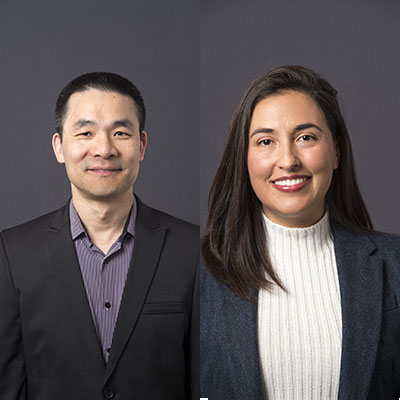
Monash BDI researchers Dr Eliana Marino, a member of the Infection and Immunity Program, and Associate Professor Jinhua Li, a member of the Metabolic Disease and Obesity Program, are two of the 2017 pilot participants.
The FLRP was made possible thanks to a three-year grant from the Macquarie Group Foundation, to establish a 12-month career development program for emerging research leaders in type 1 diabetes in Australia. This will see three participant groups go through the program.
A new and unique initiative, the FRLP will identify and support promising researchers in the early to mid-stages of their careers (EMCRs). Participation will provide these high-potential EMCRs with new skills, enhanced professional progress and unmatched access to lead diabetes researchers from Australia and overseas, thanks to JDRF’s network.
Why is this Program so important to the future of T1D research?
EMCRs face an increasing number of hurdles in establishing a career. They can find it challenging to get the skills and support to secure their first ‘own’ grant funding and succeed as a more established senior researcher. JDRF has identified the need to support EMCRs to ensure the momentum of T1D research continues into the future, in order to progress breakthroughs in the laboratory to breakthroughs for patients.
The Program will:
- help these talented up-and-comers to effectively drive innovation and progress in T1D research
- develop future leaders to adapt to the changing landscape and ensure they are equipped to translate their research into patient impact.
What has it been like to be part of the program so far?
The Program is outcomes-focused, with the most promising EMCR alumni to receive their first ‘own’ funding.
This month, the seven participants met as a group for the first time at an intensive two-day leadership workshop. The two content providers from LH Martin and Marlow Hampshire covered topics such as effective collaboration, excellence, commercialisation of research, global trends and career development.
JDRF’s Suzanne Culph, Government and Advocacy Manager spoke to the participants about the power of advocacy, building relationships with community and relaying the importance of research funding to government.
Christine Garberg, Chair of JDRF’s Lay Review Panel and mum to a son with T1D, challenged the group to consider their real purpose and how to communicate effectively to make their research more accessible to people in the community.
“You bring hope to people with type 1 diabetes, their families, the community. We are relying on you to find solutions,” Ms Garberg said to the researchers.
The group also learned about the importance of considering all stakeholders at the beginning of the research, rather than the end, including industry, government and especially the T1D community.
Dr Eliana Marino, one of the 2017 pilot participants, described what she aims to achieve from participating in the program.
“I am here to learn how to bridge the gap between my research in the laboratory and clinicians working with patients, to ensure that my research is clinically relevant and can be translated to those who need it,” Dr Marino said.
What’s next for the participants?
Throughout the year, the FRLP participants will be provided with structured senior mentoring to support them in developing their own innovative grant application. They’ll also develop their own networks to include key stakeholders such as patient groups, regulators, government, industry and media.
The group will now become its own cross-disciplinary network, providing a rare opportunity for cross-pollination of ideas that is expected to drive innovation in the participants’ future research careers.