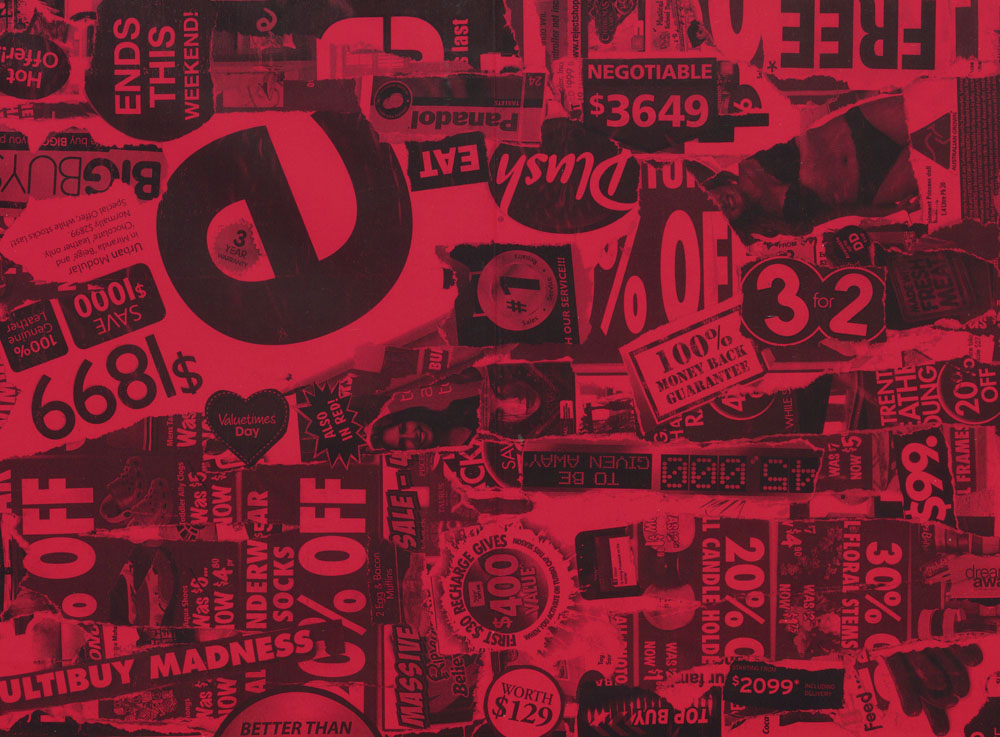
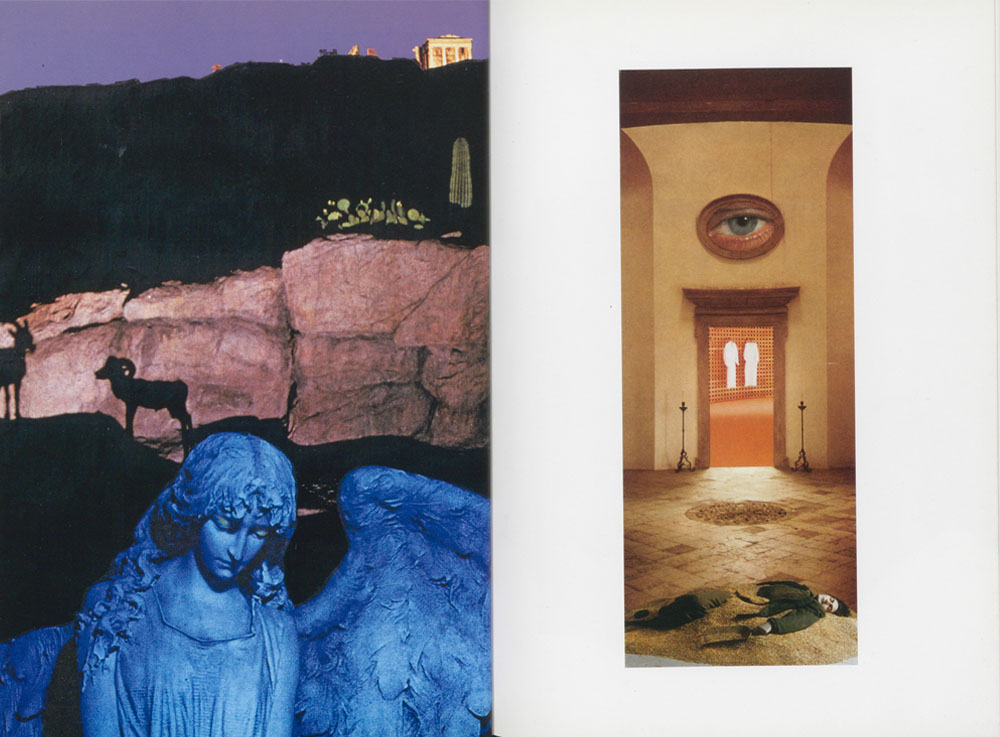
Peter Lyssiotis categorises his work by two colours: Red and Blue.
Red refers to his overtly political work. Blue refers to his more poetic and imagined work, and references the Greek flag, the Aegean Sea and to dreamt up ideas. This imagination is what led Lyssiotis to start making artists’ books in the 1980s, after studying literature and working as a teacher in the 1970s.
Silence is no Refuge invites you to journey beside a self described “master thief”1 from Cyprus to East Burwood via Europe and the Middle East. Looking at Lyssiotis’ work from across 40 years, we hope to share his experience of how memory shapes our future and how art responds to the world.
This section of our exhibition begins with the fundamental questions: How do we use language? How do we communicate without words? What meaning is held in silence, in what is not said? How can books help us (bridge this silence through imagination)?
Peter Lyssiotis’ books expose the ambiguity of language and meaning through puns, word play, montage and collage. However, in Lyssiotis’ hands, the artwork is inseparable from its role as a book. Even when the format is changed, the language deconstructed and images reworked, it is still a book. The object and its power to affect the reader is what is most appealing. This includes not only the physical structure of its paper, binding, use of particular typefaces, layouts, references to other books, but also the interaction and inspiration that books create for us, the reader. The words on the page move us from the physical realm to the imaginary.
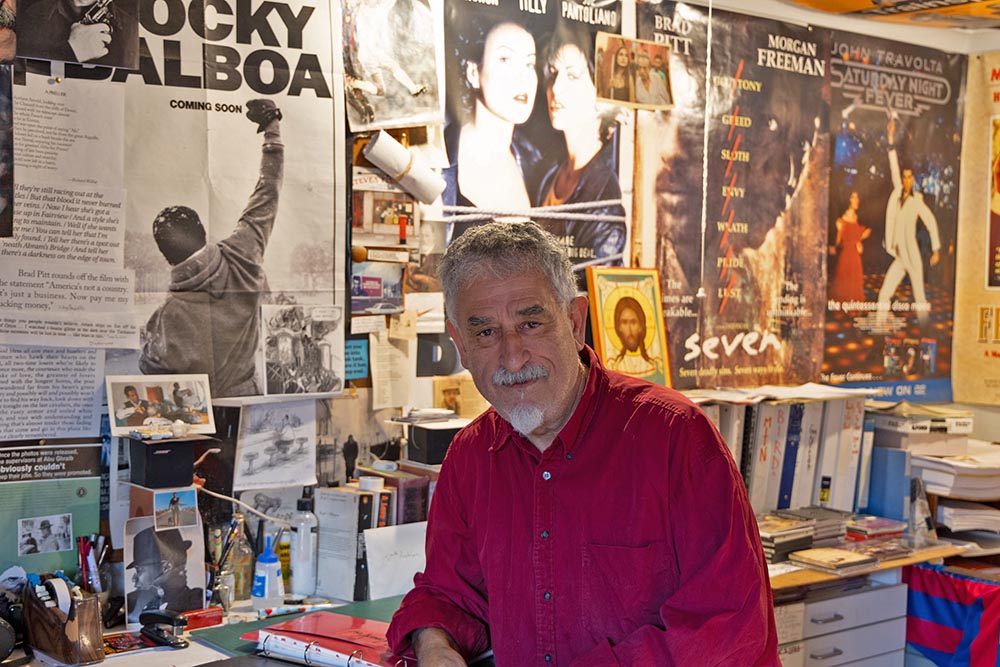
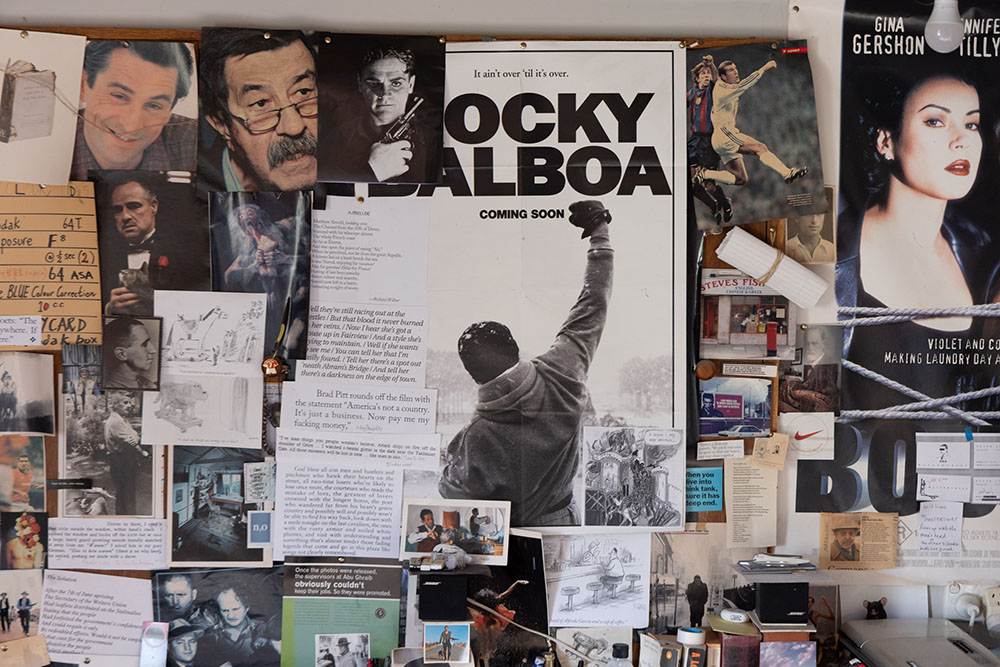
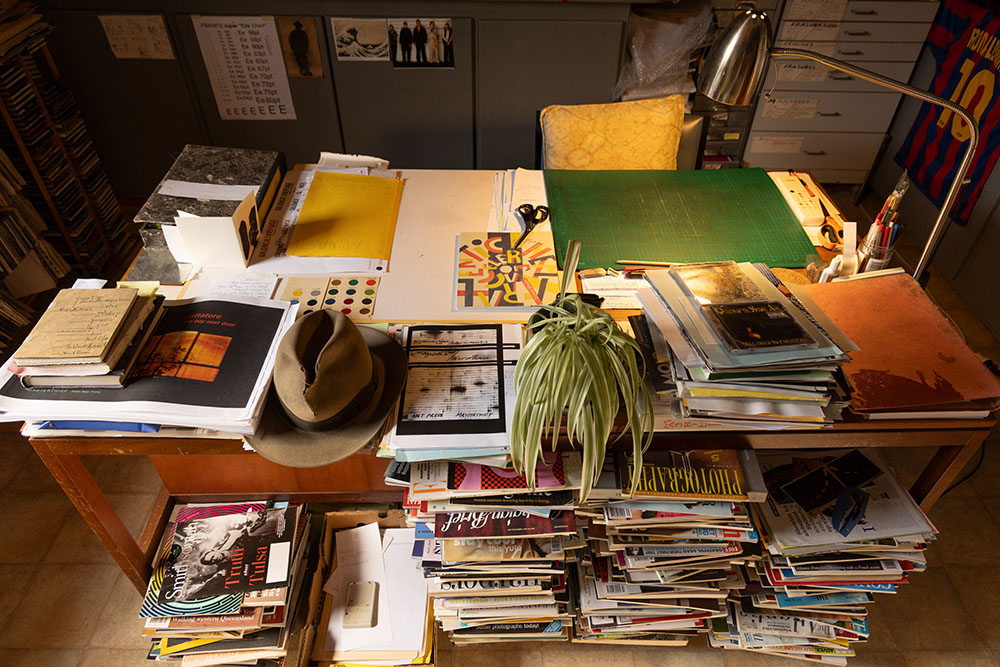
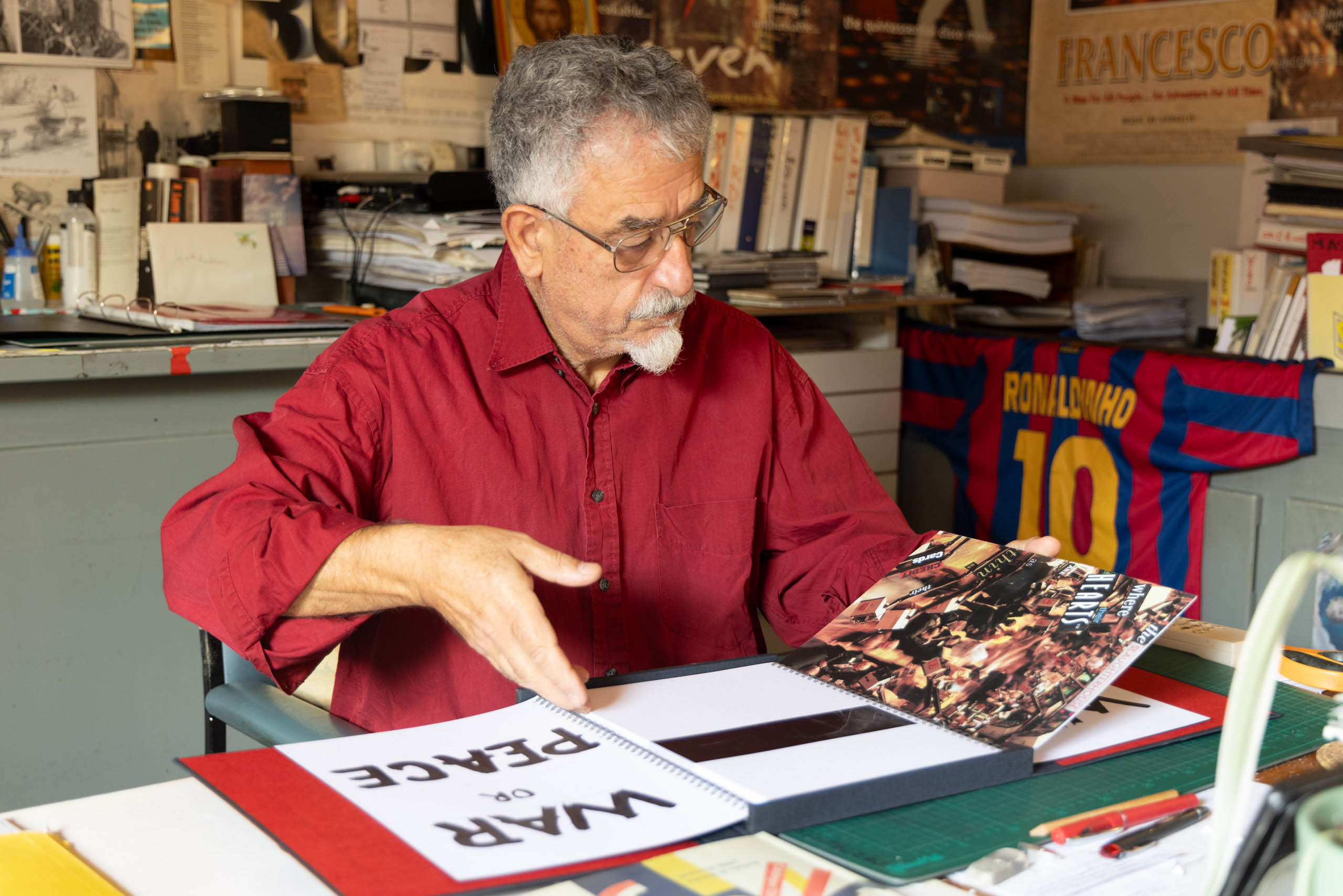
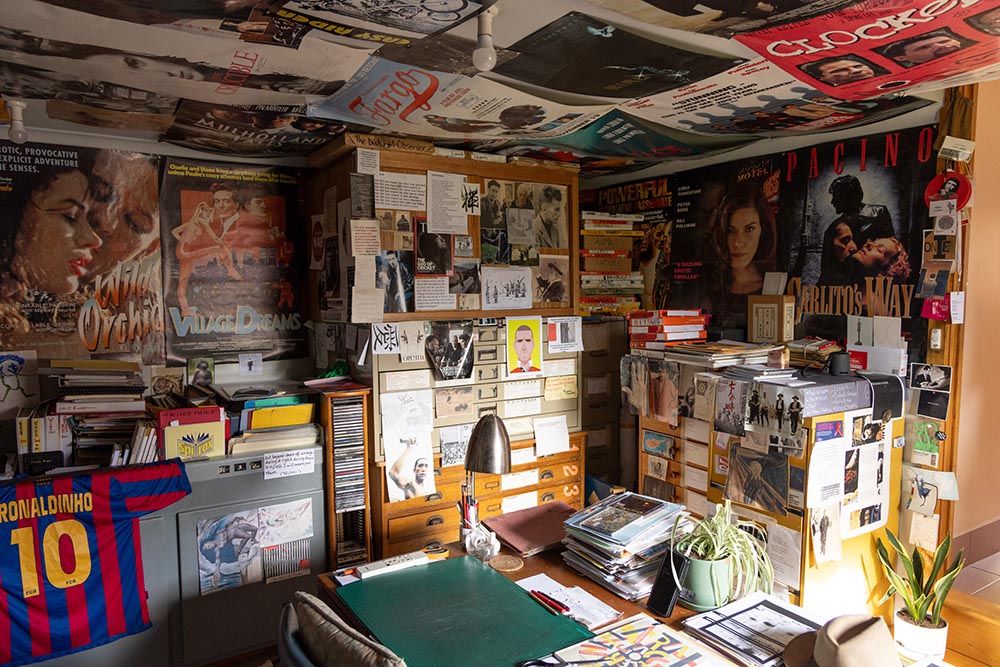
In his East Burwood studio, Lyssiotis sits looking out at the bright sunshine and warm breeze. He dreams of the Mediterranean. It's a world that is at once far away and close to hand, tinged with sadness at what has been lost to migration and war.
This Mediterranean is shaped by Cyprus, both in letters from his father and stories shared from his grandmother. This Mediterranean is also inspired by thousands of years of Greek culture. From poetry, to cinema and music, this Greek culture continued in Melbourne after Lyssiotis left his homeland behind.
Here, in his studio, he goes about making Artists’ Books. For him, books enable a path into a dream. This dream will lead from suburban Melbourne to his imagined homeland Cyprus, and into the creative realms of his practice.
"I look for my homeland under different stones and it seems no matter which way I turn I will always land on shores where I feel myself dissolve."
Place forms an important part of Peter Lyssiotis’ work. His Cypriot-Greek heritage and migrant status in Australia contributes to his representations of ‘home’. This heritage also drives the responsibility and frustration he feels as a global citizen towards political and social injustice. Through his art, Lyssiotis asks, “what is our place in the world?” in parallel to, “where is our place in the world?”
For Lyssiotis place is combined with protest. A large part of his work critiques the imbalance of power created by vested interests operating in capitalism, geopolitics and multinational corporations. His collages directly connect poverty and exploitation with wealth and luxury. A constant witness, he takes action through art.
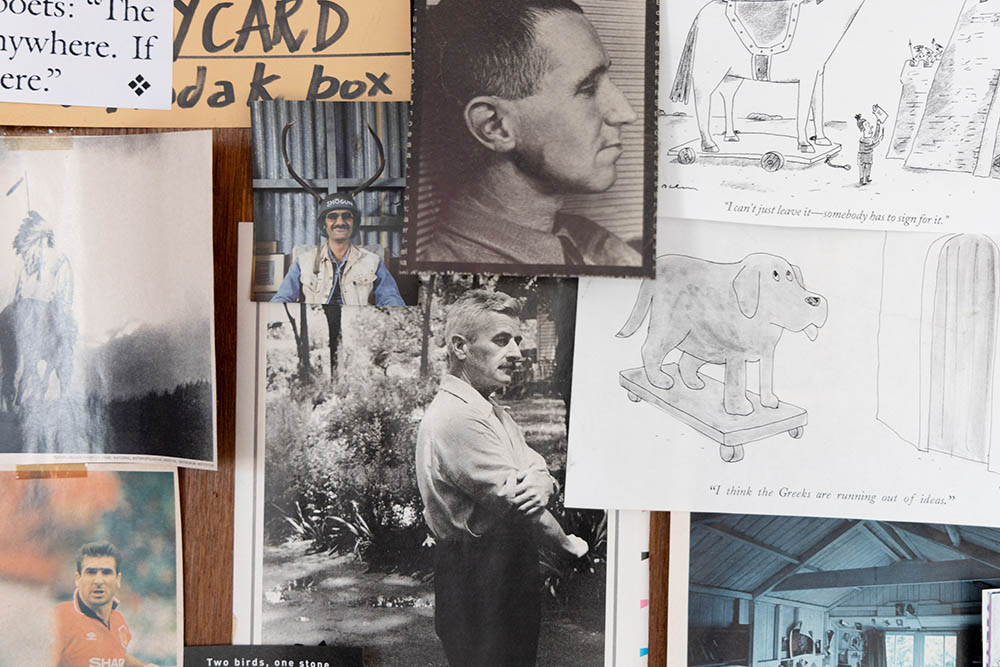
Lyssiotis’ activism is sometimes slow and arduous as he processes what he is learning about the world. Selecting and compiling images from magazines, his own photographs or discarded ephemera. Choosing particular layouts, fonts, papers and bindings which suit the style of the book and its protest message.
EXHIBITION HIGHLIGHT
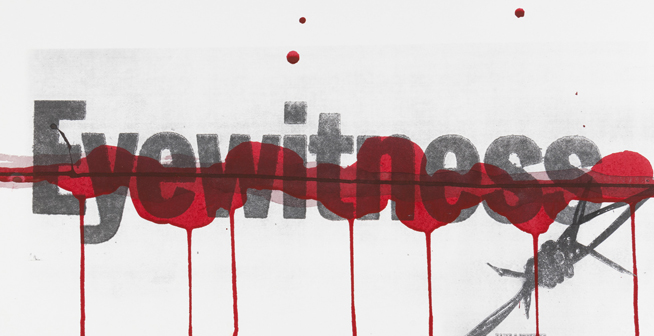
Eyewitness comes with a bag designed to resemble the hoods used on prisoners in Guantanamo Bay Detention Camp. The book’s cover is hand-bound, the spine evoking prison bars with stitching exposed to recall the stitching together of lips by detainees. The text of each page is drawn from newspaper headlines, media reports, magazines and school lessons, where misinformation is shared and voices are censored. Photo transfers are tempered with gouache and ink which bleed through the page.
Peter Lyssiotis (1949 – ); Theo Strasser (1956 – ); Monica Oppen (1964 – ); Marieke Dench (Unknown); Daphne Lera (1941 – 2015), Eyewitness, Melbourne: T. Strasser & P. Lyssiotis, 2008
As part of the human condition, we want to belong. Something within us seeks acceptance and validation through our values, beliefs or perspectives. We strive to be seen, heard and understood, no matter where we come from or who we are.
Silence is no Refuge references a line of poetry in Yiannis Ritsos’ Diaries of Exile. Ritsos was a Greek poet, communist and member of the Greek resistance during World War II. He wrote this poem in 1948, as a political prisoner on Lemnos Island during the Greek Civil War (1946 – 1949). For Ritsos, silence is no refuge. He firmly believed in the power of writing and art as collective acts to resist oppression, activate imagination and unite people across distance and time.
When being in our actual homeland and speaking our mother tongue isn’t possible, we can find our imagined homeland and speak our truth through creative acts. Let’s travel back with Lyssiotis to his studio, take all that we have seen, read and imagined. Use it to start our own journey transcending the physical and psychological into something new.
EXHIBITION HIGHLIGHT
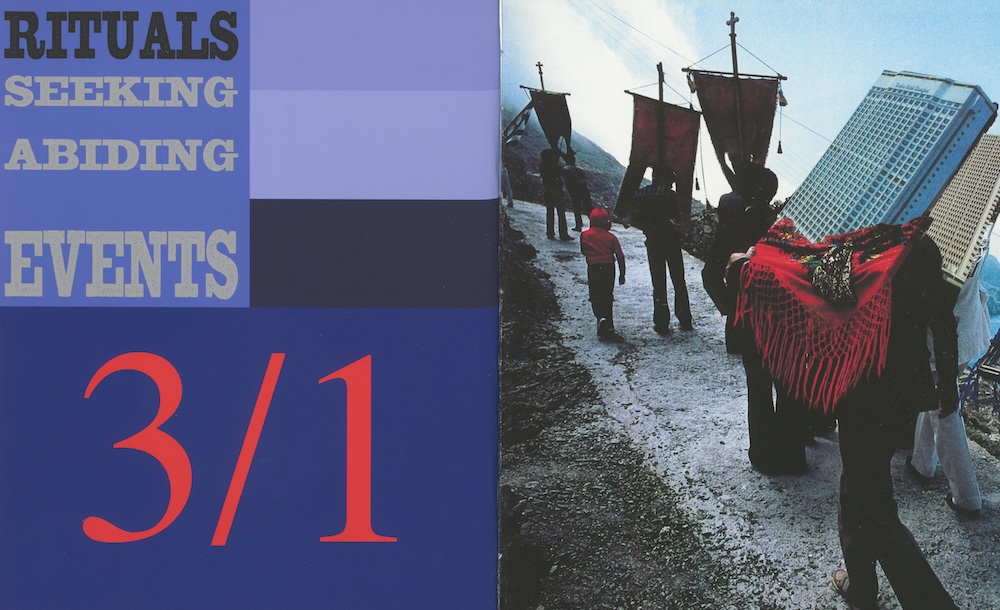
Eidetics is derived from the Greek term eidos, meaning the ‘shape’ of something. It speaks to the way experience activates memory, retracing the shapes of objects and places in infinite detail.
In this book, Peter Lyssiotis collaborated with Leon Van Schaik, building a collection of photomontage images in response to Van Schaik’s essays, prose and poetry.
Peter Lyssiotis (1949 – ); Wayne Stock (unknown); Leon Van Schaik (1944 – ), Eidetics, Melbourne: Masterthief, 2016
1 A phrase Lyssiotis borrowed from Bob Dylan’s Positively 4th Street: “If I was a Masterthief I’d rob them.”