
Australia Awards Fellowship: Fellows’ Impact Project success stories
The Australia Awards Fellowship program has provided a valuable platform for the MoFCREC research partners to engage with the local community in Makassar, Kupang and Lombok to share their newly gained knowledge and insights through their impact projects. Here is story from our fellows about their impact project:
Disability-inclusive climate action in Makassar by Nur Syarif Ramadhan (PERDIK)
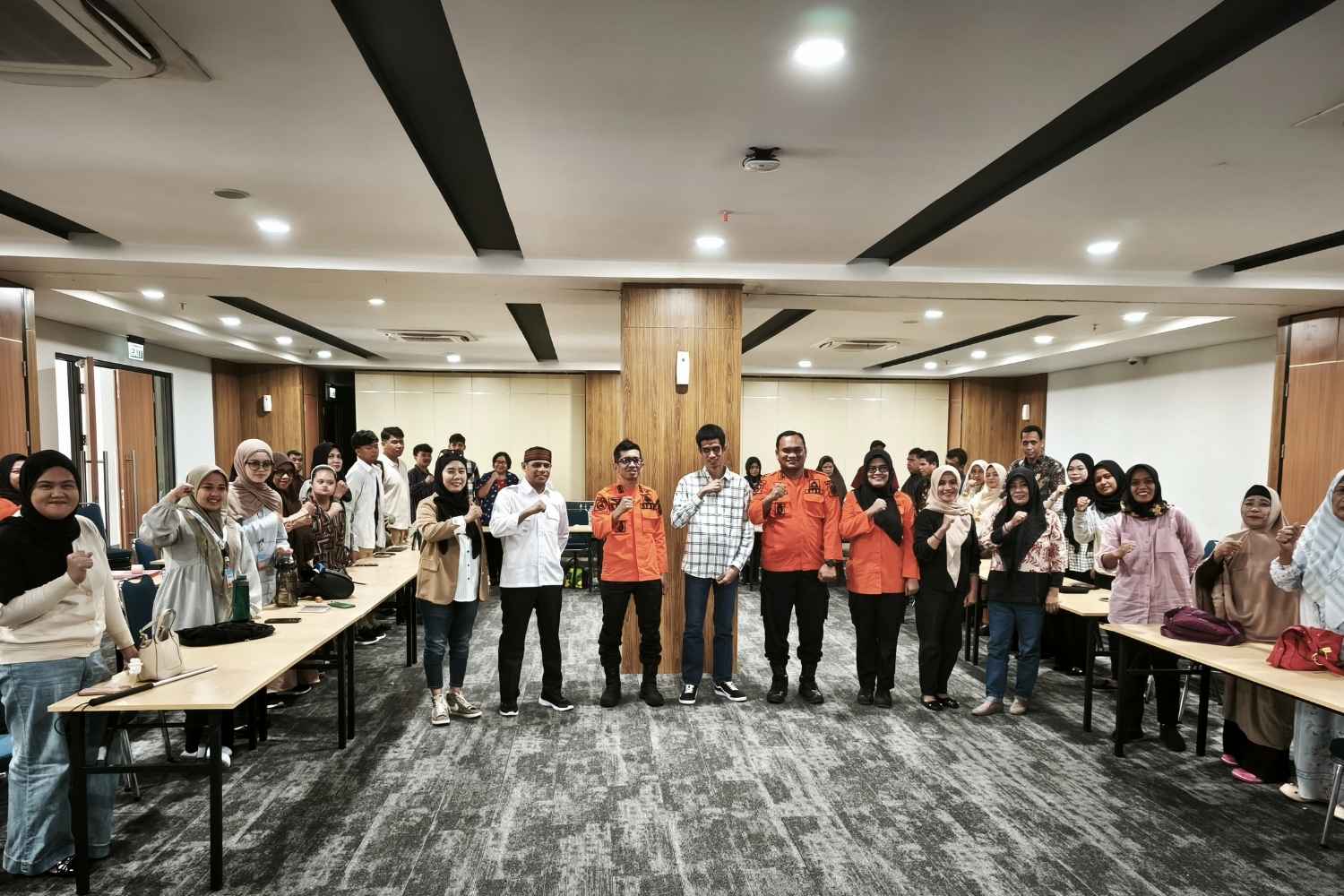 Mr. Nur Syarif Ramadhan from PERDIK during his Climate Resilience Fellows Impact Project pose with participants of training "Disability-inclusive climate action: Building awareness and empowerment through communication and education"
Through the Australia Awards Climate Resilience Fellowship, I implemented an impact project titled “Disability-Inclusive Climate Action: Building Awareness and Empowerment Through Communication and Education.” The project was carried out in Makassar, South Sulawesi, and aimed to strengthen awareness of climate change and disaster preparedness among persons with disabilities while encouraging more inclusive approaches in local disaster governance.
The project consisted of three main activities. First, an accessibility audit and climate discussion involving representatives from disabled people’s organizations (DPOs) in Makassar. Participants examined public infrastructure and discussed how inaccessible urban spaces can increase vulnerability during climate-related disasters. Second, a disaster preparedness training conducted in collaboration with the Makassar Disaster Management Agency (BPBD), which brought together 40 participants from eight DPOs and 15 BPBD staff members. This activity opened a constructive dialogue on inclusive early warning systems and accessible disaster response. Third, a two-day environmental awareness and social leadership training for students with visual disabilities at SLB A Yapti Makassar, empowering young people to become advocates for environmental responsibility and community resilience.
Beyond these activities, the project also generated wider public engagement through several published articles on disability and climate change in Indonesian media.
The most important outcome of this project is the growing collaboration between DPOs and BPBD Makassar, which has begun exploring more inclusive disaster preparedness practices. This fellowship has demonstrated that persons with disabilities are not only vulnerable to climate impacts but are also important actors in building resilient and inclusive communities.
Climate Whisper by Tamhid (DPOffice of Women's Empowerment, Child Protection, Population Control, and Family Planning (DP3AP2KB) of West Nusa Tenggara Province
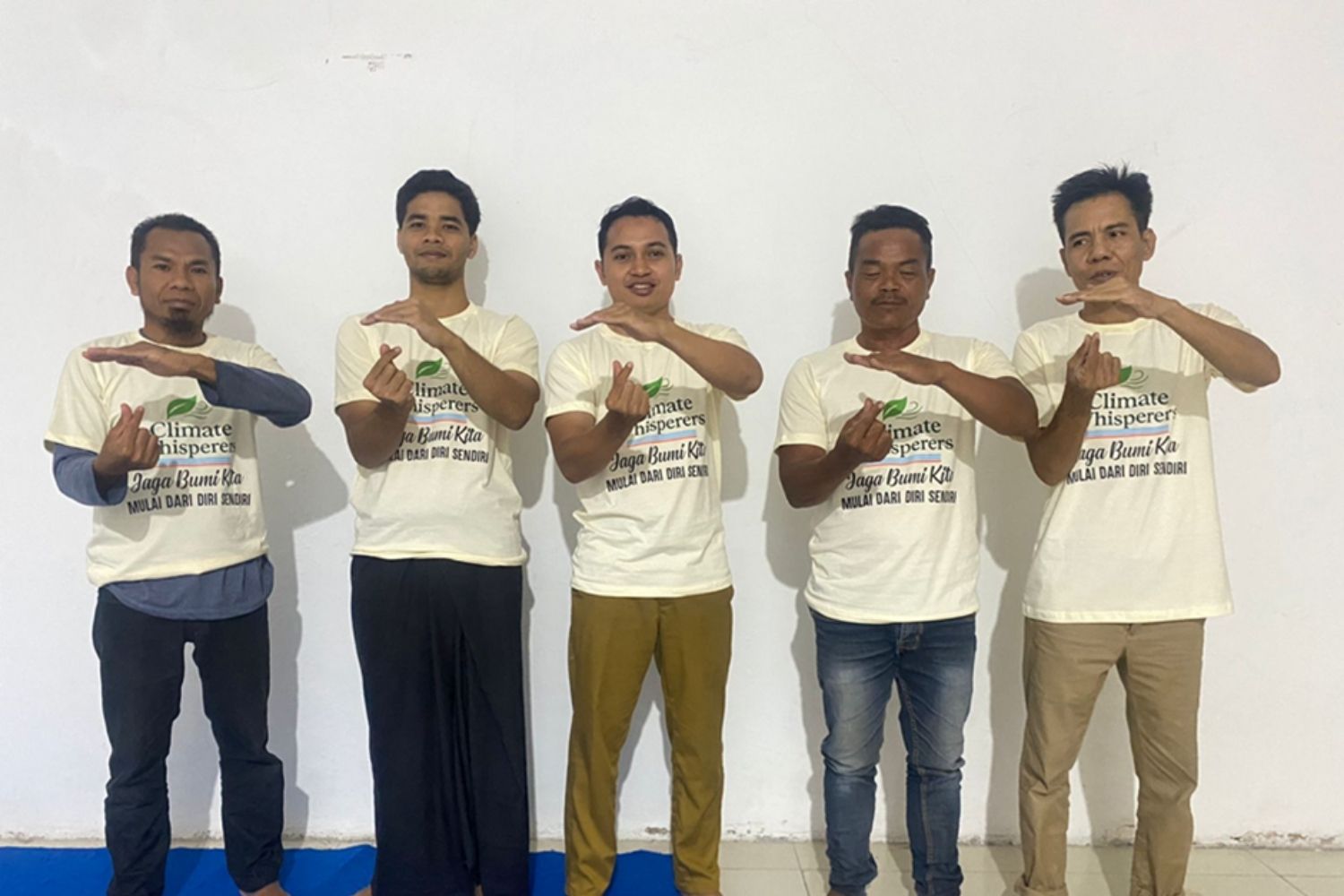
Mr. Tamhid is posing with Climate Whisperers community wearing their Climate Whispers Tshirt in Lombok
Climate Whisper is a method for explaining the problem of climate change to the public in a way that is easy to understand according to people's thinking, meaning that we convey the problem of climate change by opening the problem space in society first so that we can map out what language we should use so that the message about climate change can be understood by the public, that is the purpose of Climate Whisper.
This Climate Whisper emerged because of the gap in knowledge between one group of people and another group of people. Climate Whisper is in the development stage to become a guide on how to communicate between one group and another group of people. As a simple example, there are two groups of people, one religious group and another capitalist group, which are given material about climate change with the sentence "if we cut down trees, we will incur sin and make God angry", one group, namely the religious group, understands this, but the capitalist group will not pay attention to this.
To realize our goal of expanding public knowledge about climate change, we formed a community called Climate Whisperers under the auspices of the Bale Nara Indonesia Foundation. The various activities we carry out include socializing about climate change using the Climate Whisper method which makes it easier for people and communities to understand climate change, carrying out tree planting activities in their respective homes, and carrying out long-term planning in this project.
Some of the impacts currently being felt are the greater attention of the public and several large communities regarding climate change thanks to the outreach we have carried out, various climate resilience programs are starting to appear in the government. Currently we are planning various activities by slowly communicating with the government to carry out green energy-based climate resilience projects, one of which is the development of electrical energy sourced from solar power. We hope that this project will run smoothly and are targeting this project to run in 2028.
Climate change education on water literacy and climate resilience for vulnerable communities in Kupang by Liani Nainatun and Yafas A. Lay (GARAMIN NTT)
Water scarcity has become an increasingly pressing challenge, particularly as dry seasons grow more unpredictable. Through a series of activities under this project, communities have shown a significant increase in awareness of the direct relationship between water management and climate change.
An important contributor to this progress has been the Australia Awards Fellowship, which has strengthened knowledge exchange and capacity building around sustainable water use and climate resilience. Insights and practices introduced through the fellowship have helped shape local understanding of responsible water management, particularly in addressing the overuse of groundwater through uncontrolled bore well drilling.
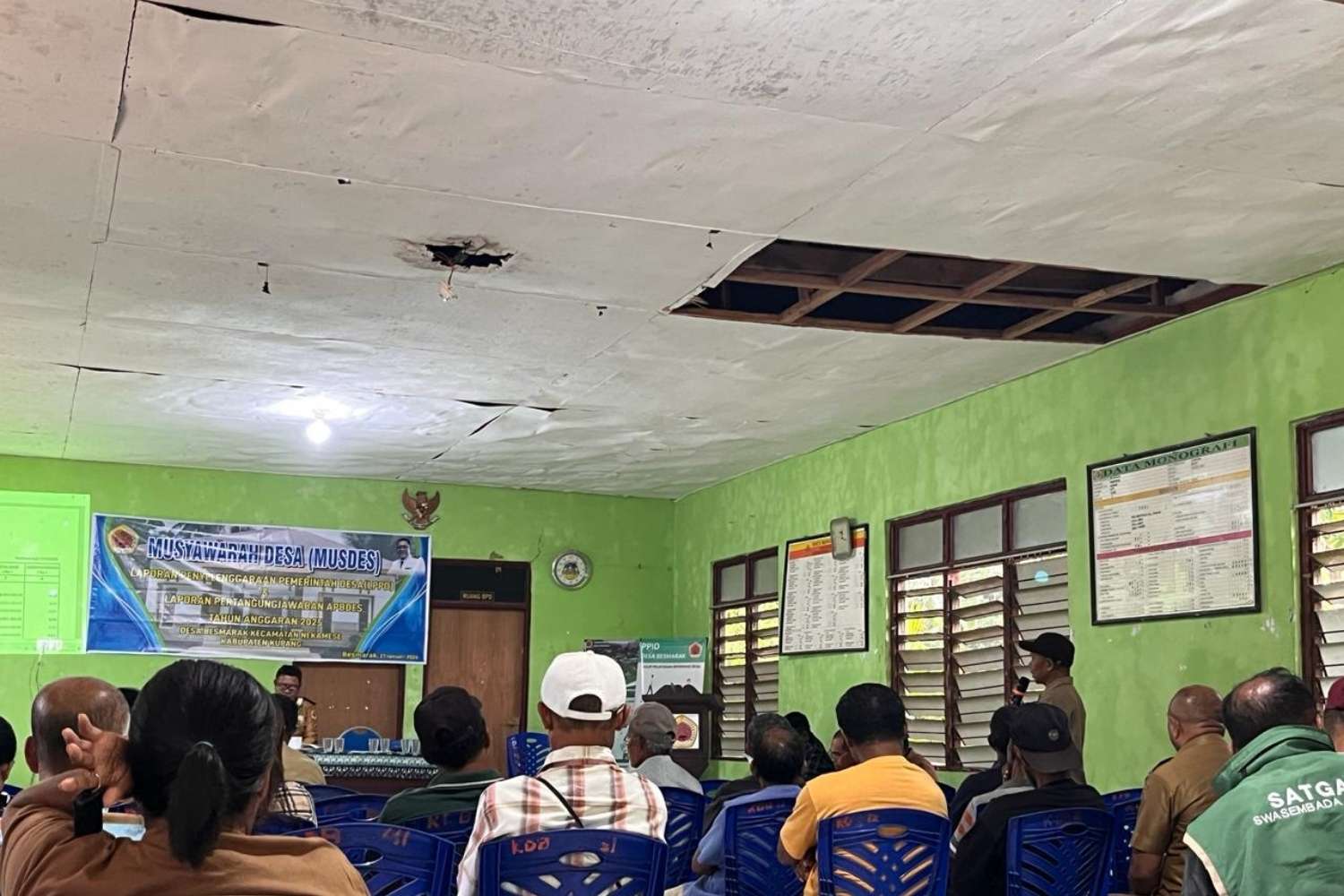
Community meeting in Besmarak Village where the Australia Awards Fellowship Impact Project, Climate Change Education on Water Literacy and Climate Resilience for Vulnerable Communities was implemented
This growing awareness has extended beyond individual understanding into collective action. Community members have actively raised these concerns in forums ranging from hamlet to village-level discussions. They have increasingly advocated for reducing excessive bore well drilling, promoting more sustainable water usage, and adopting anticipatory measures for drought. At the same time, communities are embracing nature-based solutions, such as planting resilient and productive vegetation that does not require cutting, and developing small water retention ponds to improve water conservation.
The impact has become even more evident as these shifts in perspective begin to influence local governance. Village authorities are now more selective in reviewing development proposals, ensuring that planned programs prioritize environmental sustainability rather than merely addressing short-term needs. The issue of sustainable water use—particularly the regulation and careful consideration of bore water extraction—has become a key part of these discussions.
This strengthened understanding is also reflected in community engagement with research initiatives. During climate change studies conducted under the SOLIDER program, community members demonstrated an improved ability to explain climate-related challenges and solutions. This indicates that their knowledge has been built progressively, reinforced by earlier exposure to climate change issues through research activities by GARAMIN NTT in collaboration with Monash University, as well as learning exchanges supported through the Australia Awards Fellowship.
Overall, the project has not only enhanced community literacy on climate change and water management but has also fostered stronger alignment between communities and local governments. Supported by collaborative initiatives such as the Australia Awards Fellowship, these efforts are contributing to more informed decision-making and collective action toward sustainable water use and long-term climate resilience.
Strengthening climate resilience in coastal communities of Makassar by Rosmiati Sain (LBH APIK SULSEL)
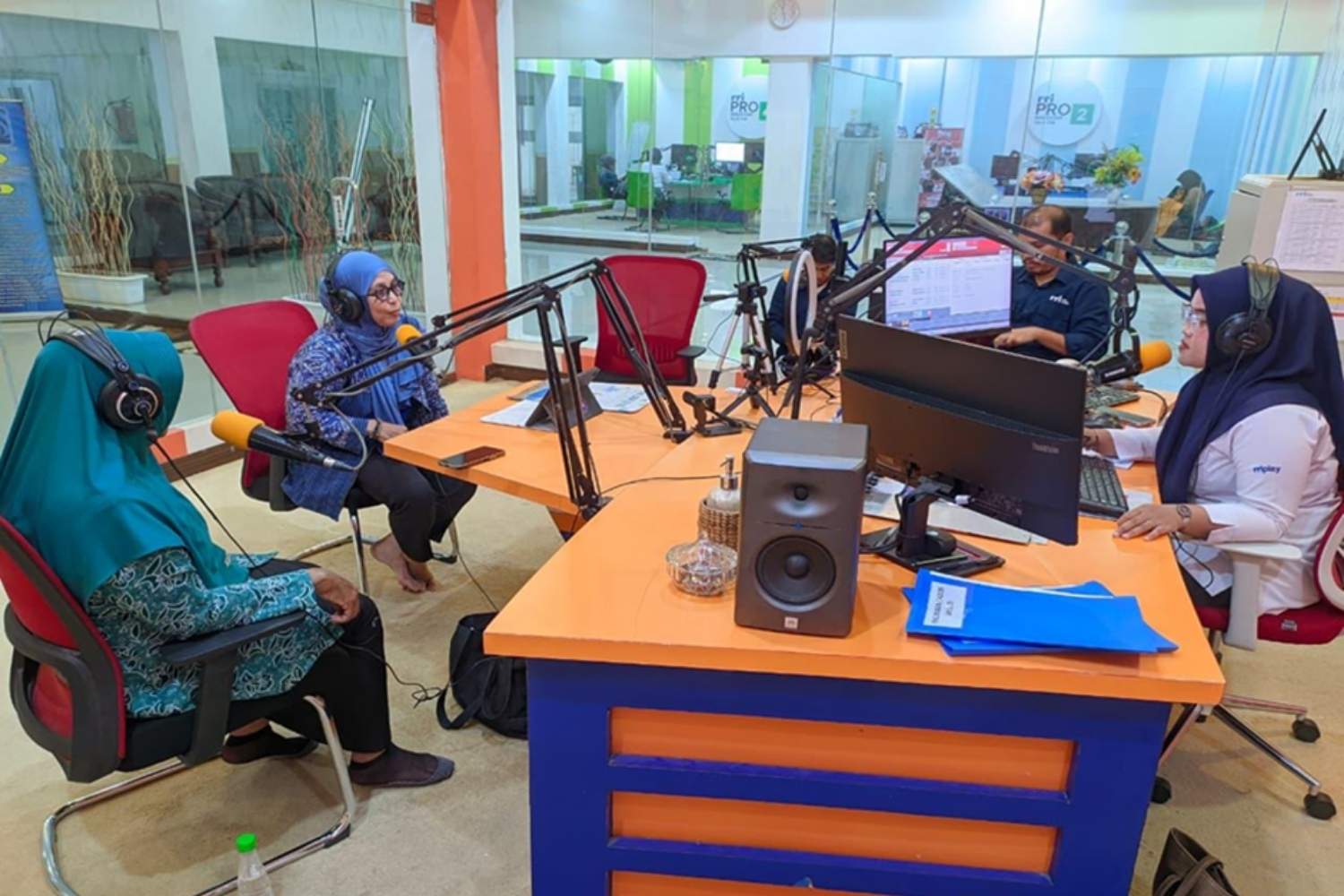 During Radio Talkshow Kentongan Tanggap Bencana with RRI Pro 1 Makassar
From August to September 2025, a series of impact project activities were implemented to enhance climate literacy and resilience among coastal communities in Makassar, particularly women and vulnerable groups. These communities are increasingly affected by climate change impacts such as drought, strong winds, and unpredictable rainfall, which directly disrupt the livelihoods of fishers and household economies.
In this context, women face a growing double burden—queuing late at night for clean water while also supporting family income. At the same time, uncertain weather conditions have forced many fishers to stop going to sea due to safety risks, further reducing household earnings.
Through community discussions, awareness sessions, and radio talk shows, participants gained a deeper understanding of climate risks, reinforced by real-life stories such as fishing accidents caused by sudden storms and declining aquaculture yields due to rising water temperatures.
In response, communities have begun adopting adaptation strategies, including women’s economic empowerment through group-based enterprises and environmentally sustainable practices such as waste segregation, tree planting, and maintaining clean surroundings.
Supported by educational campaigns through posters and radio outreach, this project has not only increased knowledge but also fostered collective action toward building stronger and more sustainable climate resilience.
Turning challenges into opportunities: Building a climate-adaptive, disaster-resilient, and thriving tourism village in Batu Kumbung by Dr Suryani Eka Wijaya – Australia Awards Climate Change Fellowship Participant, Monash University (2025) (BAPPEDA NTB)
The impacts of climate change are increasingly affecting communities across Indonesia, including rural areas where livelihoods are closely tied to natural resources. In this context, village development must go beyond improving welfare to strengthening resilience and adaptive capacity.
Through the Australia Awards Climate Change Fellowship impact project, participants gained critical knowledge and practical skills in climate change communication, inclusive engagement, and community-based adaptation. This experience directly contributed to the implementation of a participatory research initiative in Batu Kumbung Village, Lingsar District, West Lombok.
The fellowship played a key role in shaping the approach used in the field—emphasizing meaningful participation of diverse community groups, including women, older persons, children, and persons with disabilities. Through field observations and focused discussions, communities were supported to identify local risks, map their resources, and co-develop strategies to strengthen climate resilience and local institutions.
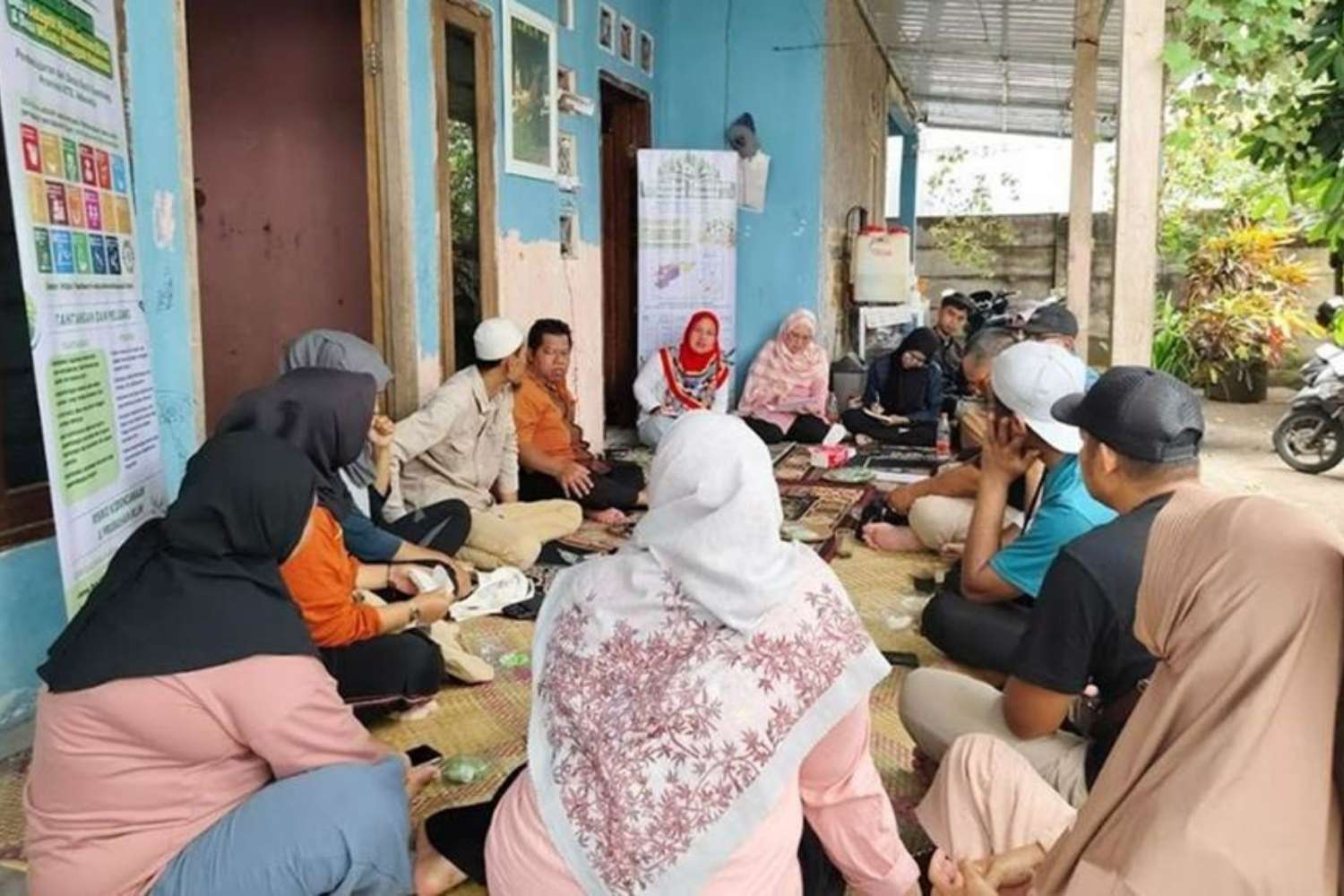 Community Meeting during Climate Resilience: Australia Awards Fellowship impact project in Lombok
Findings highlight that participatory approaches and locally driven innovation are essential for sustainable development. With support from village authorities and partners such as the Asia Pacific Alliance for Disaster Management (APAD), communities developed inclusive and climate-responsive village plans. The process also built on existing resilience, as seen in how the community responded to past crises such as the 2018 earthquake and the COVID-19 pandemic.
Local innovations are already emerging. In Pondok Buaq hamlet, aquaculture-based tourism has been developed through climate-adaptive fish farming and value-added products. Youth-led greenhouse initiatives are also helping regulate temperature, improve water efficiency, and support livelihoods, with a portion of profits reinvested into community resilience.
Despite this progress, challenges remain in water and waste management, sustainable livelihoods, and inclusive infrastructure. Moving forward, strengthening policy integration, expanding access to funding and technology, and documenting best practices will be essential.
Overall, the Australia Awards Fellowship impact project has contributed not only to individual capacity building but also to tangible community impact—supporting Batu Kumbung’s journey toward becoming a model village that is climate-adaptive, disaster-resilient, and sustainably developed.