
About

Who is Ariel Liebman?
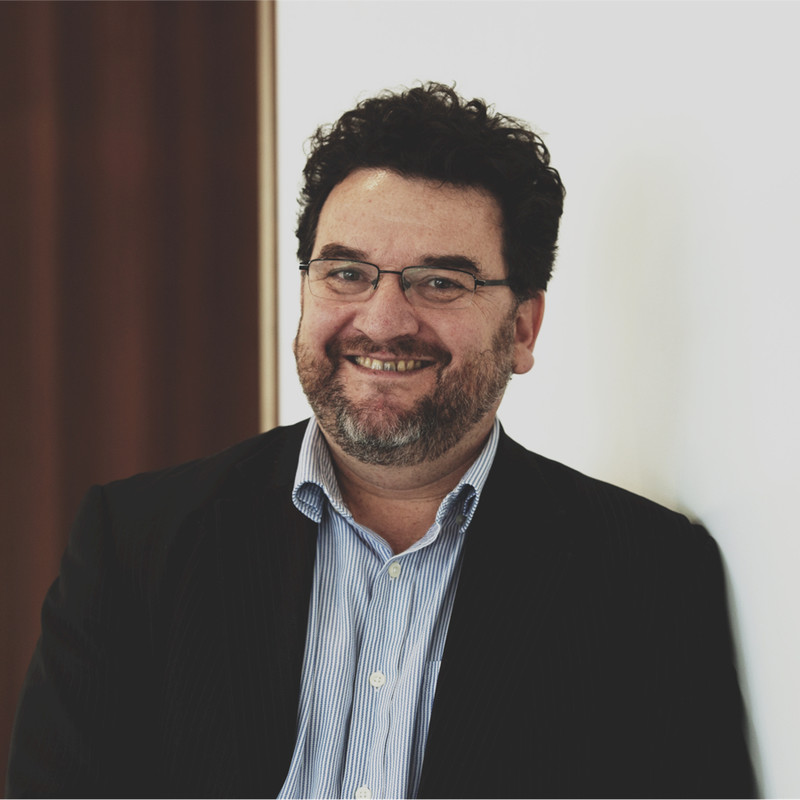
Professor Ariel Liebman
Professor Ariel Liebman was a visionary leader in sustainable energy whose depth of expertise, strategic insight, and generosity of spirit transformed the energy landscapes of both Australia and Indonesia. He began his academic journey in Physics at the University of Auckland and completed a PhD in quantum optics at the University of Queensland in 1995. His career spanned academia, industry, advocacy, and research, culminating in his role at Monash University, which he joined in 2013. There, he became Professor of Practice in Sustainable Energy Systems within the Faculty of Information Technology and later served as Director of the Monash Energy Institute. These titles reflect only a fraction of his influence; Ariel was widely known for ideas that were ahead of their time, his unwavering commitment to climate action, and his capacity to inspire people across sectors and continents.
Ariel played a central role in shaping some of Monash’s most ambitious and impactful energy initiatives. He conceived the multidisciplinary Monash Energy Network, which later evolved into the Monash Energy Institute, the university’s strategic platform for energy impact. He also led the initial business case for the Monash Net Zero Initiative, demonstrating its financial viability and paving the way for Monash to become the first Australian university to commit to Net Zero by 2030—a milestone recognised by the UN’s Momentum for Change Award. Nationally, Ariel was instrumental in the development of the RACE for 2030 Cooperative Research Centre, bringing together more than 70 partners across industry, government, and academia to accelerate clean energy innovation. He also led the Centre’s Networks program, shaping how Australian energy systems can better integrate renewable energy and electric vehicles.
Ariel’s impact was equally profound in Indonesia, where he became a trusted collaborator and advocate for sustainable energy planning. As Co-leader of the Energy Cluster for the Australia–Indonesia Centre, he led groundbreaking work in North Sulawesi, combining ethnographic insights with techno-economic modelling to develop low-carbon roadmaps and strengthen local capacity for renewable energy access. His work took him to places rarely reached by researchers, including a 2015 journey to the remote Kei Islands with Dr Max Richter—a multi-day expedition by plane, boat, and motorbike to understand off-grid communities. In 2017, he helped develop a planning tool that supported Indonesian authorities in drafting the Regional Electricity Plan (RUED - Rencana Umum Energy Daerah). Ariel built strong, long-standing partnerships with universities such as IPB, ITB, and UNHAS, relationships that shaped both the Australia–Indonesia Centre’s work and the international dimension of his energy impact vision.
In the final years of his life, Ariel was thinking boldly about global collaboration and the urgent need to speed up the renewable energy transition. He was actively engaging experts across Indonesia, Germany, India, New Zealand, and Australia, seeking to build a network capable of meaningful, cross-border impact. During a visit to Indonesia shortly before his passing in 2023, Ariel and Max Richter travelled to seven cities in one week to meet long-time collaborators, reconnect with colleagues, and visit Monash University, Indonesia. On this trip, Ariel made the case for a joint PhD program linking RACE for 2030, Monash, and Indonesian research partners—a program designed to empower emerging scholars to work across disciplines and borders for a cleaner energy future. This idea became the seed of what is now the Ariel Liebman PhD Program, an initiative that honours his vision and commitment to collaboration.
Beyond his achievements, Ariel is remembered for his profound humanity. He was authentic, generous, and deeply caring. Whether in conversations about climate politics, Buddhist philosophy, or alternative rock, or in moments of mentorship with students and colleagues, he made others feel valued and supported. Hierarchies meant little to Ariel; he engaged with everyone—from CEOs to early career researchers—with the same respect and warmth. Those who knew him remember not only his brilliance but also his humour, his kindness, and his genuine belief in the potential of others.
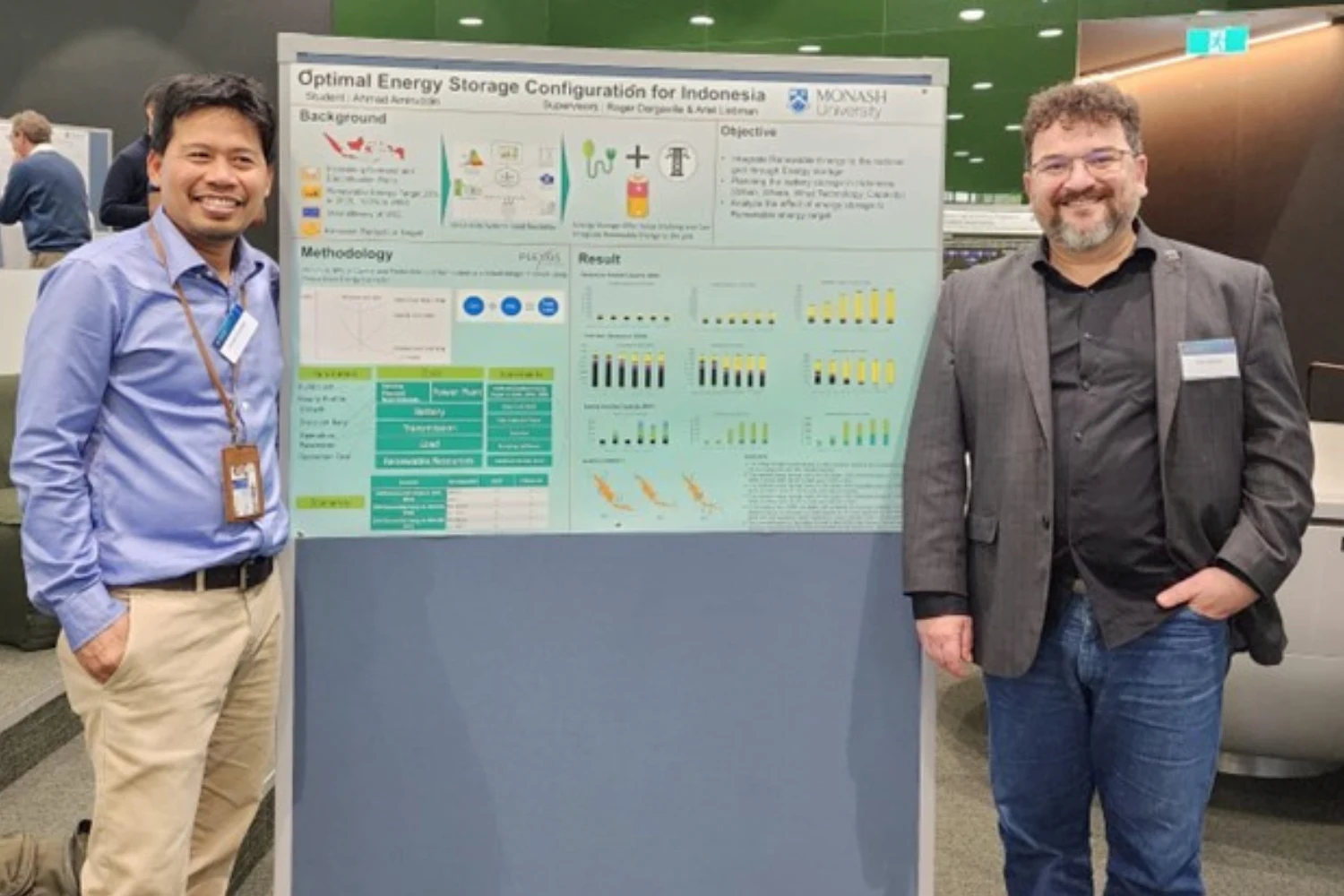
Professor Ariel Liebman (right) with his PhD student from Indonesia, Dr. Ahmad Amiruddin (right)
Through the Ariel Liebman PhD Program, Monash University and its partners honour Ariel not only in words but in action. His legacy lives on in the scholars, collaborators, and communities working to create the cleaner, fairer, and more resilient energy future he envisioned. The program stands as a lasting legacy to his ideas, his relationships, and the enduring impact of a life dedicated to making the world better.