
#17 - 9.17 Seoul Olympics
Published on October 8, 2022
9.17. The Opening of the Seoul Olympics.
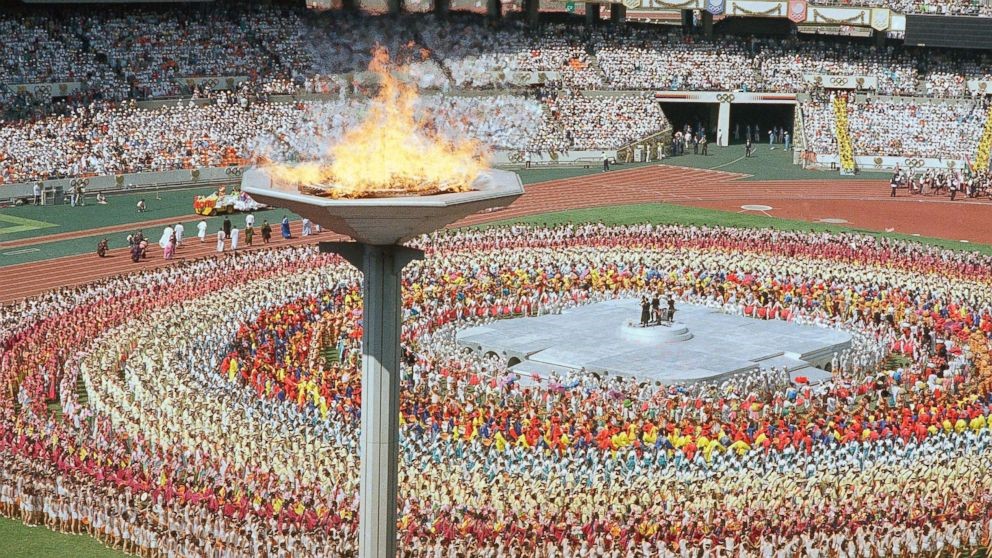
Figure 1: The Seoul Olympics Opening Ceremony (source ABC News screenshot)
On 17 September 1988, South Korea organized what was, up until that point the largest Olympic Games ever to have been held. More than 8000 athletes from over 160 countries around the world competed for glory (Figure 1).[1] The 24th Olympiad was only the second event to be hosted by an Asian country. The Seoul games are well remembered for their controversy, Ben Johnson, the Canadian sprinter, was famously stripped of his 100m gold medal for doping offenses (Figure 2). In another controversial incident, South Korean boxer Park Si-hun defeated the US fighter Roy Jones Jr to take the gold medal. Reflecting the deep-rooted anti-Americanism of the time, an extremely hostile crowd created a charged atmosphere. Despite this, Jones dominated his opponent from the outset and clearly won the match. However, mysteriously the judges gave the home favourite the victory. Allegations of intimidation, bribery and foul play abound to this day, but the controversy failed to destroy what was a special Olympic event.
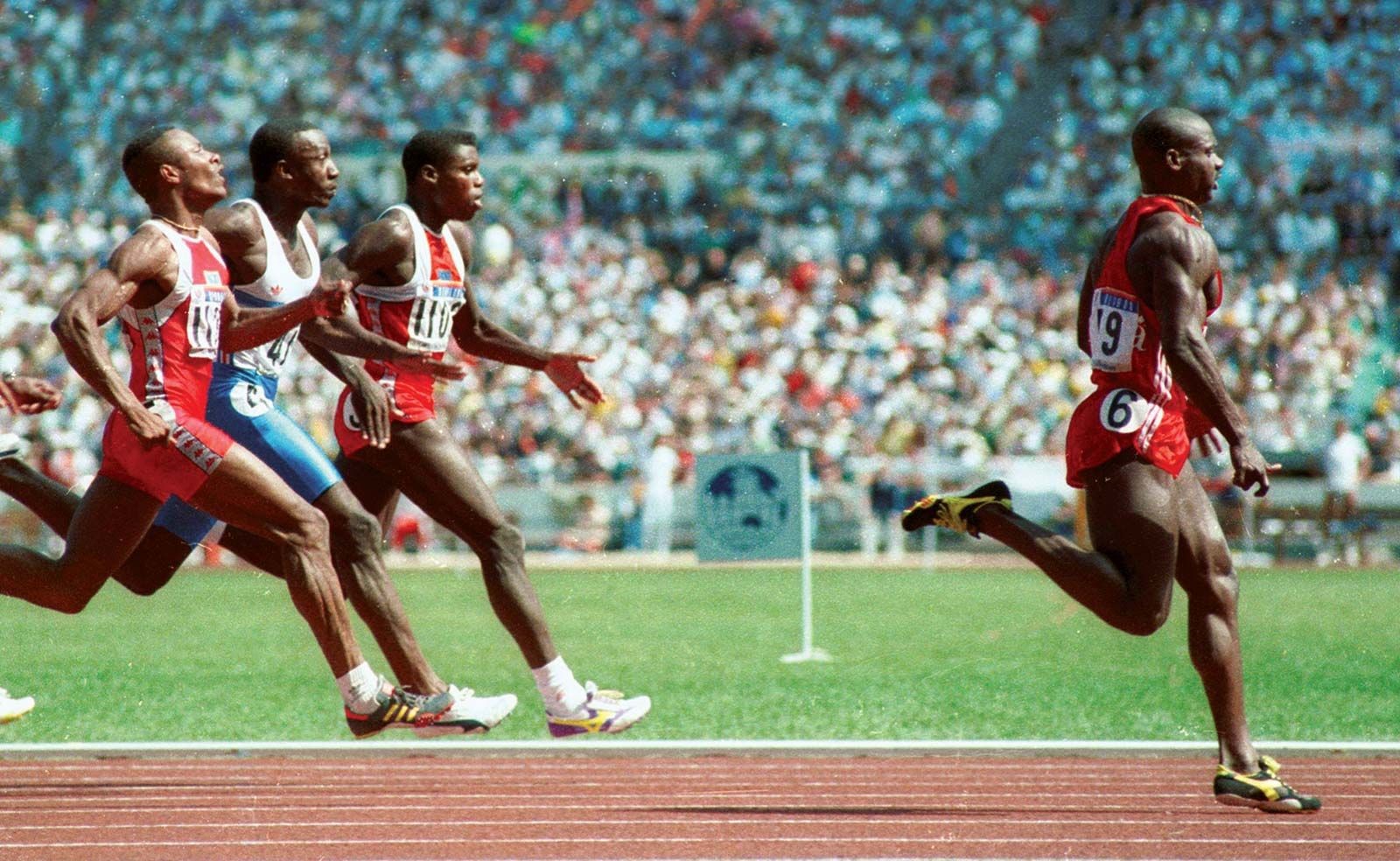
Figure 2: Ben Johnson’s controversial 100m victory (source: Britannica)
Seoul 1988 was most memorable because these Olympics saw the participation of both the Soviet Union and the USA for the first time since 1976. At the height of Cold War animosity, both countries had boycotted the previous two events – the first in Moscow in 1980, which the USA snubbed, protesting the Soviet invasion of Afghanistan. In a tit-for-tat response, the Soviets pulled out of Los Angeles in 1984, citing security concerns. Seoul 1988 helped rescue the Olympic movement from possible destruction in the cauldron of Cold War political conflict.[1]
In many ways, the games were also vitally significant for the South Koreans. The Republic of Korea experienced unprecedented sporting success, garnering a massive haul of medals (33), 12 of which were gold.[1] The 1988 Games also helped secure the political development of the country. In 1987, following mass protests against Chun Doo Hwan’s military government, the IOC threatened to move the Games to another country. Faced with losing the Olympics and US political support, Chun acquiesced to opposition demands and introduced direct presidential elections initiating the South Korean democratic transition. After years of stultifying political repression, the Games represented liberation from cultural, political and social restraint. Tourism in and out of South Korea opened up; a record number of visitors visited the country, and Koreans were allowed to travel freely abroad for the first time.
Most importantly, just as the 1964 Tokyo Olympics had signaled the reacceptance of Japan onto the world stage, Seoul 1988 brought significant global recognition to South Korea. South Korea had developed itself from the destruction of the 1950-3 war into an economic force capable of hosting one of the world’s greatest sporting spectacles. Evidence of South Korea’s economic revival and now its democratic transition was beamed daily into TV screens globally.[2] For years after the games, for many South Koreans, 1988 was when South Korea took its rightful place amongst the world’s nations. ‘88 (p’al-p’al) became a byword for this moment– forever a reference point to a moment of national uplift and global recognition. Countless Korean businesses took the number as their brand name, and a type of cigarettes and even major roads were launched with the name.
The 1988 Olympics also signaled a vital shift in the power relations between the two Koreas. The 1945 division of the Peninsula initiated years of competition between Seoul and Pyongyang for recognition over which of the two states should be recognized as the legitimate Korea and leader of the Korean minjok or ethnic nation. Seoul’s 1981 selection as the site for the 1988 Games (and 1986 Asian Games) after an intense and controversial lobbying campaign by the Chun Doo Hwan administration meant that South Korea had the advantage over its northern adversary in the struggle for global recognition.[3] Pyongyang’s awareness of the impact of the 1988 Olympics on South Korea’s political ambitions led the DPRK to attempt to upstage Seoul’s hosting of the event. Initially, the DPRK authorities tried to persuade the South Koreans to co-host some of the events north of the DMZ. As these negotiations broke down, Pyongyang went on the offensive, unsuccessfully trying to get allies to boycott the games. When these challenges failed, things got nasty. In November 1987, DPRK operatives detonated a bomb on a Korean Airlines flight, killing all 115 passengers and crew. The ostensible aim of the attack was to disrupt the games by frightening off international participation, but North Korean plans failed. Eventually, Seoul engaged in secret negotiations with their northern counterparts providing a billion-dollar package of trade-as-aid in return for the immediate cessation of DPRK efforts to disrupt the 1988 games.[4]
In the end, only a handful of countries (including the DPRK) boycotted the Games, which went ahead without any major provocations from the North. Seoul 1988 was a major success, putting the place of South Korea firmly into the global consciousness. Not to be outdone, the Kim Il Sung regime believed it had found a way to shift the world’s attention back to the North by hosting the 1989 World Festival of Youth and Students. This event would indeed impact North Korea, although not quite in the way Kim Il Sung predicted, as we see in a future edition of On this Day in Korean History.
-------------------------------------------------..
Andrew David Jackson ©
Please do not reproduce without permission.
References
[1] Lankov 2007, 350-1
[2] Lankov 2007, 350-1
[3] Lankov 2007, 351
[4] Lankov 2007, 351
[5] Lankov 2007, 350; Buzo 2002, 211
[6] Buzo 2002, 165