
Classroom to Clinical Practice: Enhancing knowledge and connection
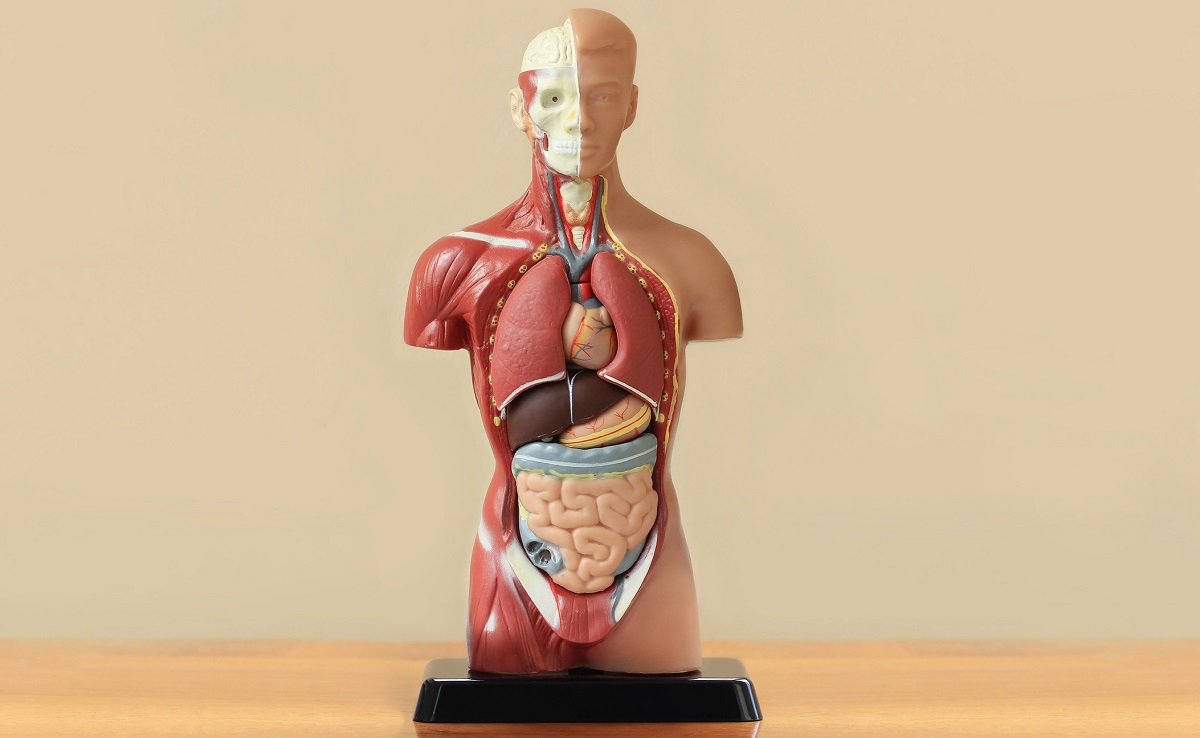
To prepare students for the digital world facing them in the clinical healthcare environment they need to translate their foundational science knowledge of anatomy from within the classroom into a patient-focused, professional, working environment. This can be a daunting step for many healthcare students.
Associate Professor Michelle Lazarus, Director of the Monash Centre for Human Anatomy Education (CHAE) is an award-winning educator teaching extensively in the medical anatomy program and has adopted an integrated course structure to enhance preclinical year material. Using an evidence-based approach, Associate Professor Lazarus and the CHAE team work to integrate anatomy knowledge with clinical experiences through a variety of teaching methods. Two such resources include the internationally renowned and utilised medical imaging tutorials as well as a science literacy podcast accessible through www.AskAnatomist.com which focuses on the anatomy underpinning medically interesting topics such as ‘The Brain and Hearing Loss’, ‘Altitude Sickness’, ‘Infertility’ and ‘Thunderstorm Asthma and Respiration’.
The online tutorials, co-designed with medical students and radiologists, have been invaluable in helping first-year medical students learn and test their knowledge of gross anatomy, abdominal, thoracic, upper limb, lower limb, and pelvic anatomy using a wide variety of medical imaging including CT scans, plain films and MRIs and have filled a gap in available resources that were traditionally targeted at advanced students and became essential during the pandemic both locally and globally. By engaging a co-design approach, and widening the expertise used for development, these tutorials address the needs of early career students.
Associate Professor Lazarus says that easing students’ transition to the clinical environment is vital in medical education.
“Students enter unfamiliar territory during later years of medical training in their clinical and hospital placements. Here healthcare providers can draw on available resources such as bloods and radiologic imaging, so the ability to integrate foundational anatomy with radiological imaging principles helps prepare them for this future,” said Associate Professor Lazarus.
In the anatomy laboratory, students can pick up and touch anatomical structures to learn and build a 3D mental image. For many, though, their future careers will rely on “pictures” of anatomy, where the 3D anatomy they are familiar with is flattened to 2D images. These tutorials become essential “stepping stones” in this transition.
In addition, the Monash Centre for Human Anatomy Education - through our in-house 3D- print platform, is leading the way in developing3D printed educational resources. “The legacy of Professor Paul McMenamin is thriving in the CHAE,” says Associate Professor Lazarus. “Professor McMenamin drove us to think into the future, not the past, in supporting our students. Under the leadership of Associate Professor Justin Adams, we continue to develop forward-thinking, versatile methods for teaching future healthcare providers anatomy - through 3D prints, Virtual Reality and Augmented Reality. We are also excited to share that we are extending our initiatives to include short courses for established healthcare providers so that we can continue our excellence in clinical anatomy education.
About the Monash Biomedicine Discovery Institute
Committed to making the discoveries that will relieve the future burden of disease, the Monash Biomedicine Discovery Institute (BDI) at Monash University brings together more than 120 internationally-renowned research teams. Spanning seven discovery programs across Cancer, Cardiovascular Disease, Development and Stem Cells, Infection, Immunity, Metabolism, Diabetes and Obesity, and Neuroscience, Monash BDI is one of the largest biomedical research institutes in Australia. Our researchers are supported by world-class technology and infrastructure, and partner with industry, clinicians and researchers internationally to enhance lives through discovery.