
Constructing Tomorrow: How Australia's Green Building Model Can Guide Indonesia to Net Zero
Written by Sophia Rengganis, Master of Public Policy and Management cohort 2024
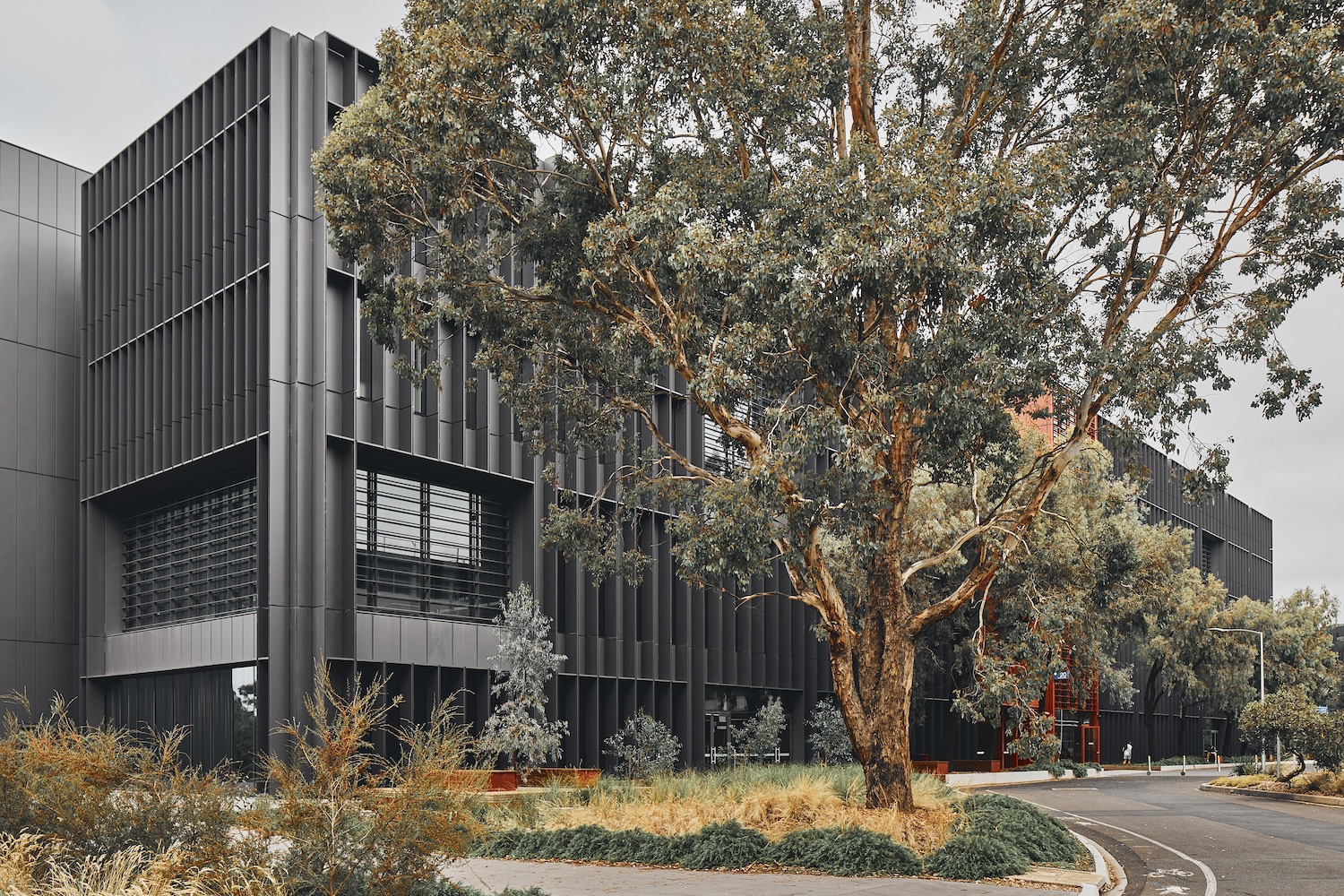
Technology and Design Building at Monash University Clayton Campus
Melbourne, Australia – In a world facing the urgent threat of climate change, the built environment has become a crucial front in reducing emissions and fostering sustainable development. For Indonesia, where buildings contribute 29% of national greenhouse gas emissions, the stakes are high. Yet, through policy innovation and international collaboration, the opportunities are greater.
As a participant in the Australia Leadership Program (ALP) 2025, I had the opportunity to observe how sustainability principles are embedded across urban life in Australia. While we did not engage directly with institutions dedicated to green building, field observations during the program offered insights into the built environment and inspired reflection on what could be applied in Indonesia. This learning journey aligns strongly with Monash University’s Impact 2030 Global Strategy, which champions inclusive, research-driven responses to global challenges.
Australia's Green Building Success Story
Australia’s infrastructure landscape has undergone a sustainable transformation. Today, over 5,600 buildings across the country are green-certified, underpinned by clear regulations, financial incentives, and the proactive role of independent bodies like the Green Building Council of Australia. From university campuses to commercial towers, sustainability is embedded into the national ethos.
This contrasts sharply with Indonesia, where fewer than 150 buildings are currently certified under the voluntary GREENSHIP system. The lack of regulatory mandates and limited access to green financing options have stalled progress, despite Indonesia’s firm commitment to reach Net Zero by 2060.
Why Green Buildings Matter
Green buildings are not just eco-friendly. They are economically sound, socially responsible, and crucial to climate action. The World Green Building Council reports that sustainable buildings can reduce energy use by up to 50%, improve air quality, and enhance long-term cost savings.
Based on research I conducted with my team in preparation for the ALP presentation, I learned that certification systems like NABERS and Green Star in Australia are not only enforced but also supported by grant funding, tax reductions, and green loan programs. This blend of regulation and reward has helped unlock market participation and build investor confidence.
Recommendations: Translating Lessons to the Indonesian Context
Building on my ALP experience, I propose two actionable recommendations for Indonesia:
- Expand the Policy Mandate: Mandate green certification for all public and office buildings over 1,500 sqm—which covers most mid-sized Indonesian office spaces. Furthermore, all newly built government and state-owned enterprise (SOE) buildings should be green-certified. This approach sets a leadership example and supports implementation of the Indonesia Green Taxonomy, which promotes environmentally sustainable investment.
- Introduce Targeted Tax Incentives: Offer tax incentives for green-certified buildings, prioritizing residential developments that already receive Value Added Tax (VAT) facilities on unit sales. Residential buildings account for 83% of Indonesia’s energy consumption. Redirecting the budget from existing tax holiday facilities for inbound investment can help finance this initiative without significant fiscal strain. The government already offers VAT relief to ease the burden for first-time homebuyers. Why not take this further by encouraging these homes to be built sustainably—fostering greater public familiarity with affordable green housing?
The Role of Monash University: Bridging Research and Policy
Transitioning to green infrastructure also means addressing cost misconceptions. According to a 2013 World Green Council study, experienced professionals estimate only a 0.4–13% cost premium for green buildings, while those unfamiliar with the process assume far higher figures.
Monash University is well-positioned to lead collaborative research to close this gap. Areas of focus may include:
- Sustainable urban design that supports the integration of green buildings within their ecosystem;
- Business innovation on green raw materials and building components, and ensuring a sustainable supply chain;
- Development of green financing models such as concessional loans or blended finance schemes;
- Policy drafting and white papers on tax incentives for green-certified residential developments, supporting a pathway toward mainstreaming sustainable housing.
Sustainability Forum 2025: Reinforcing the Call to Action
The urgency of these policy interventions is underscored by the upcoming Sustainability Forum 2025 at Monash University, Indonesia. This landmark event will convene thought leaders, experts, and change-makers to address the sustainability talent gap and officially launch the Master of Sustainability program. It is a timely reminder that Indonesia’s Net Zero 2060 goal cannot be achieved without strategic investments in both people and policy.
By aligning sustainable building reforms with Monash’s academic leadership, events like this forum offer not just a stage for dialogue, but a launchpad for real change.
Celebrating 50 Years of Indonesia-Australia Relations
This year marks the 50th anniversary of diplomatic relations between Indonesia and Australia—a moment to celebrate progress, deepen collaboration, and chart new horizons together. My participation in ALP 2025 symbolizes the growing strength of people-to-people ties, driven by shared values and academic diplomacy.
Through this program, I have seen how bilateral partnerships can produce knowledge with real-world policy relevance. Sustainable building is not just a technical topic; it is a bridge between nations striving for a just and liveable future.
A Blueprint for the Future
Reflecting on my experience through the ALP 2025 program, I realized that leadership is not just about speaking up—it's about showing up, observing, and translating global insight into practical, local solutions. This article represents a personal journey of learning and advocacy, rooted in Australia's example and driven by the urgency of Indonesia’s climate future.
Climate goals are not optional. They are urgent, global, and deeply local. As I observed during my ALP journey, Australia’s example shows that progress is possible—but it takes leadership, incentives, and cross-sector coordination.
Indonesia now stands at a pivotal moment. By integrating strong policies, enabling incentives, and academic partnerships, we can accelerate our transition toward sustainable infrastructure. Through shared learning and joint action, Indonesia and Australia can build more than green buildings—they can build a legacy of climate resilience.