Our impact

Our roots can be traced back to 1881
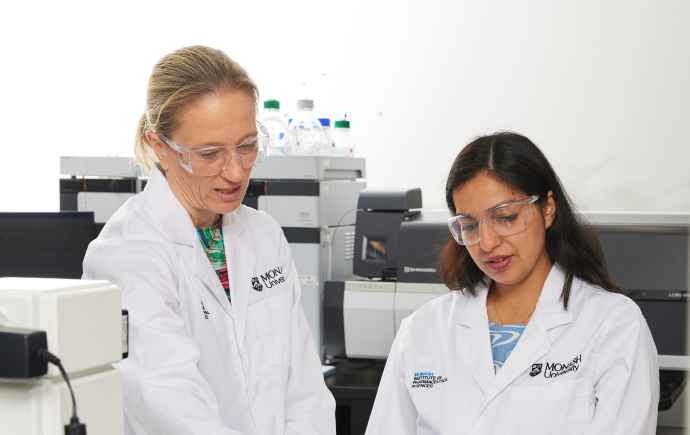
The Monash Institute of Pharmaceutical Sciences (MIPS) is a dynamic, innovative and ambitious research institute, comprising over 400 scientists engaged in research in drug discovery, design, delivery and use.
Our therapeutic strengths lie in neuroscience and mental health, cardiovascular and metabolic health and global health. We are committed to research translation and had made major contributions to collaborative drug discovery programs that have progressed more than 30 novel drug candidates into clinical development.

Neuromedicines Discovery Centre (NDC)
Over the past five decades there have been extraordinary breakthroughs in the treatment of a wide range of diseases, from heart disease and cancer to diabetes and dementia. However, there hasn’t been anything like the same innovation in mental health.
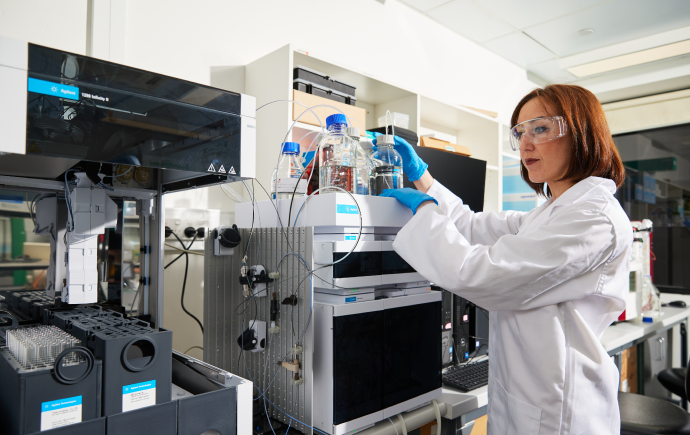
The Neuromedicines Discovery Centre (NDC) is working to stimulate medical research into mental health conditions. Neuromedicines are drugs that act on the brain, and include psychedelics such as psilocybin, ketamine and MDMA. The NDC focuses on conditions including depression, post-traumatic stress disorder, eating disorders, schizophrenia and substance-use disorders. The ultimate goal is to find ‘antibiotics for the mind’ that require minimal dosing with a quick onset of action, have fewer side-effects, and are effective for longer periods.

Improving COPD management in primary care
Chronic obstructive pulmonary disease (COPD) is a common, preventable and treatable lung condition. Yet it is the third leading cause of death worldwide, with over 80 percent of deaths occurring in low and middle-income countries.
Researchers from the Centre for Medicine Use and Safety are conducting a cluster randomised controlled trial to address deficiencies in Australia’s primary care relating to COPD management.
The trial, Targeting Treatable Traits in COPD to Prevent Hospitalisations (TERRACOTTA), is the first of its kind to offer tailored interventions, including assessments and treatment programs, for at-risk individuals.

Septerna
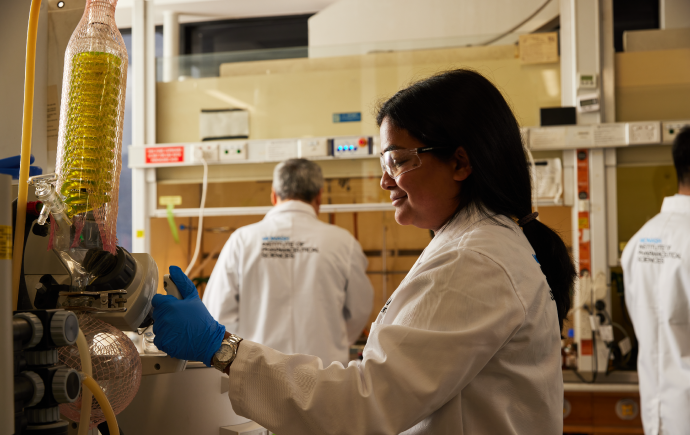
Understanding the structure and function of Gprotein-coupled receptors (GPCRs), and unravelling novel modes of GPCR drug action, has been a key strength of MIPS for more than a decade.
On the back of this world leading expertise, researchers from MIPS and Duke University are the co-founders of Septerna, a biotechnology company dedicated to discovering and advancing novel small molecule medicines targeting GPCRs.
The company has attracted US$100m in Series A funding, and an additional US$150m in Series B financing, led by Third Rock Ventures with significant support by Samsara BioCapital, BVF Partners, Invus, Catalio Capital Management, Casdin Capital and Logos Capital.
Australia's first Drug Target Identification Platform
Australia's drug discovery pipeline faces an urgent need for robust target identification capabilities. Many promising biomedical discoveries fail to progress to clinical therapeutics due to poor efficacy, which is often underpinned by a lack of understanding about their mechanism of action.
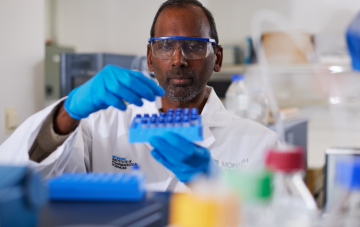
To address this, MIPS has launched Australia's first Drug Target Identification Platform (DTIP). DTIP provides state-of-the-art proteomics, metabolomics and lipidomic analyses to identify and deconvolute new drug targets, to elucidate mechanisms of drug action and to discover novel biomarkers of drug action.
The platform is supported by a $3 million investment from the Commonwealth Government's Medical Research Future Fund.