Research
We study how G protein-coupled receptors (GPCRs) and ion channels contribute to processes in health, how they change in disease and better ways to target their activity for drug discovery.
Close

We study how G protein-coupled receptors (GPCRs) and ion channels contribute to processes in health, how they change in disease and better ways to target their activity for drug discovery.
 Controlling location-specific signalling as a novel analgesic approach
View
Controlling location-specific signalling as a novel analgesic approach
View

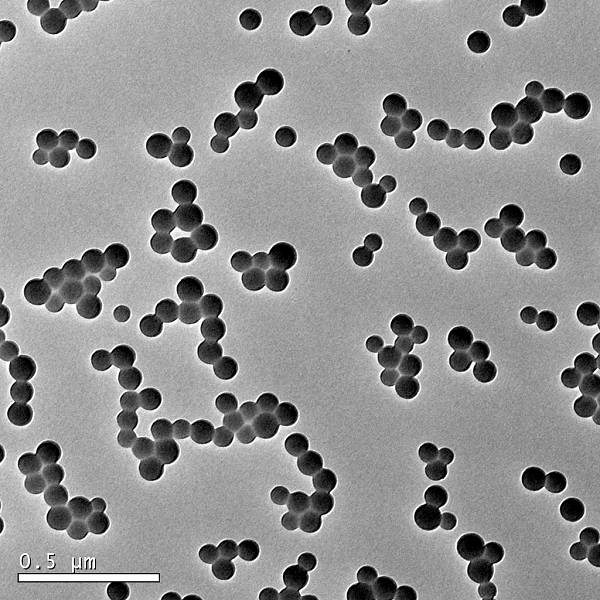
GPCRs are dynamic signalling proteins that can traffic throughout cells and mediate location-specific signalling events. We have shown that the Neurokinin 1 Receptor and other pain-transmitting GPCRs in spinal neurons can be stimulated at the cell surface, undergo endocytosis and mediate sustained neuronal excitation from intracellular sites, including the endosomal network.
We have exploited this novel concept by developing new drug delivery technologies that can direct inhibitors to endosomes, to enhance the duration and effectiveness of drugs that block acute and chronic pain. Our leading strategy is the development of pH-responsive nanoparticles, as highlighted in our recent publications.
 Understanding cellular communication in the gut
View
Understanding cellular communication in the gut
View
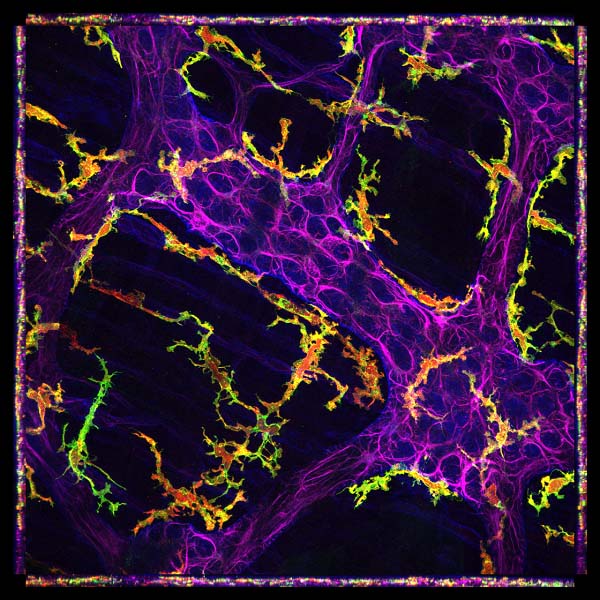
The enteric nervous system (ENS) is an independent network of nerve cells that control the functions of the gut including the movement of content, absorption/secretion of nutrients and expelling unwanted waste.
The ENS acts on target cells to direct their actions such as promoting contraction of smooth muscle, stimulating the movement of ions or water across the epithelia and dilating blood vessels to promote blood flow to the region.
Our research aims to identify novel cellular sites and apply cutting edge pharmacological concepts to modulate functions of the ENS, for the development of therapeutics to treat a range of GI disorders.
Our research has two main streams:
 The importance of GPCR-ion channel interactions in health and disease
View
The importance of GPCR-ion channel interactions in health and disease
View
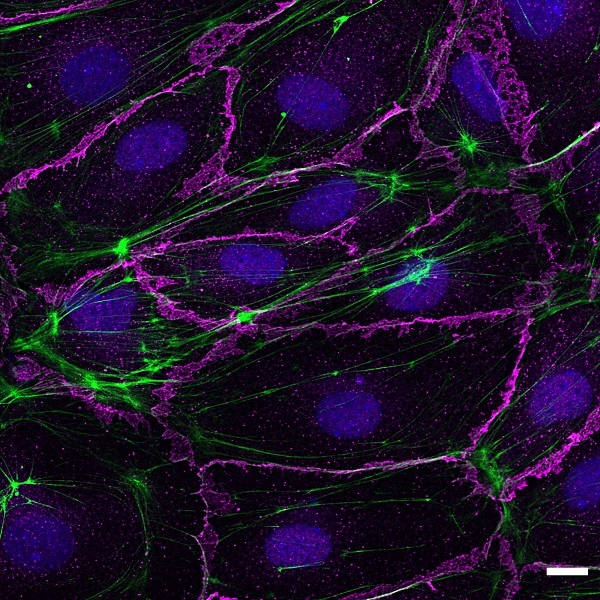
The mechanically-activated ion channel TRPV4 is a major regulator of endothelial barrier permeability. This new research program builds on our expertise in GPCR-TRP channel interactions, to specifically examine how TRPV4 can be sensitised or activated by pro-inflammatory GPCRs, to ultimately control endothelial barriers through Ca2+-dependent changes to cytoskeletal or cell junction proteins.