
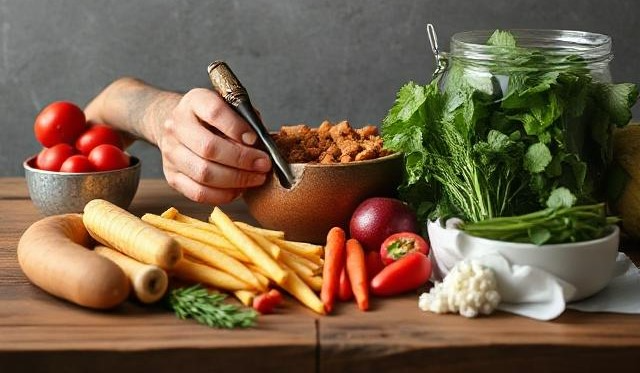
This research aims to establish a new framework for selection of components for food structuring that will enable enhanced digestion and delivery of nutrients from food. Australia can help solve the global issue of better food and nutrition by creating foods that efficiently deliver nutrients through improved gut interactions.
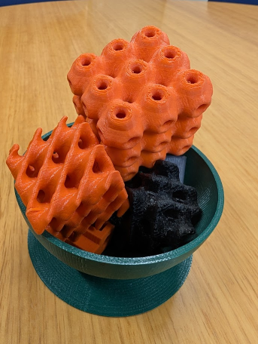
Lipids are amazing building blocks to produce new materials due to their propensity to form highly ordered structured assemblies or ‘mesophases’ in polar solvents. We study and control their assembly so that they can serve diverse functions as drug delivery systems, diagnostic elements and other applications. The development of new scattering and spectroscopic techniques to track their behaviour has been crucial to this work, in particular the use of synchrotron X-ray scattering sources across the globe (especially here in Melbourne at the Australian Synchrotron, our favourite source!).
Nature uses milk as the delivery system for all of our nutrients for at least the first six months of life - but we seem to have ignored it as a material for use in a drug delivery context. We have been studying milk-based systems as drug delivery materials, particularly for low solubility drugs that need the greatest help to enable absorption.
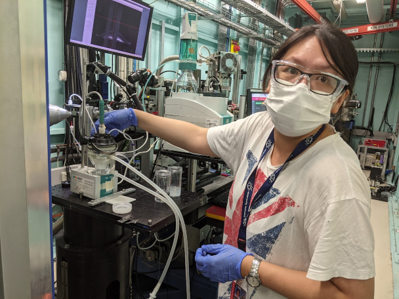
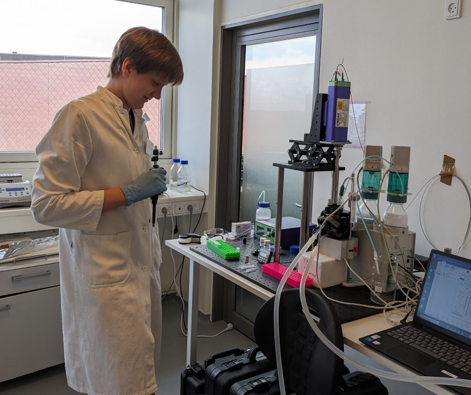
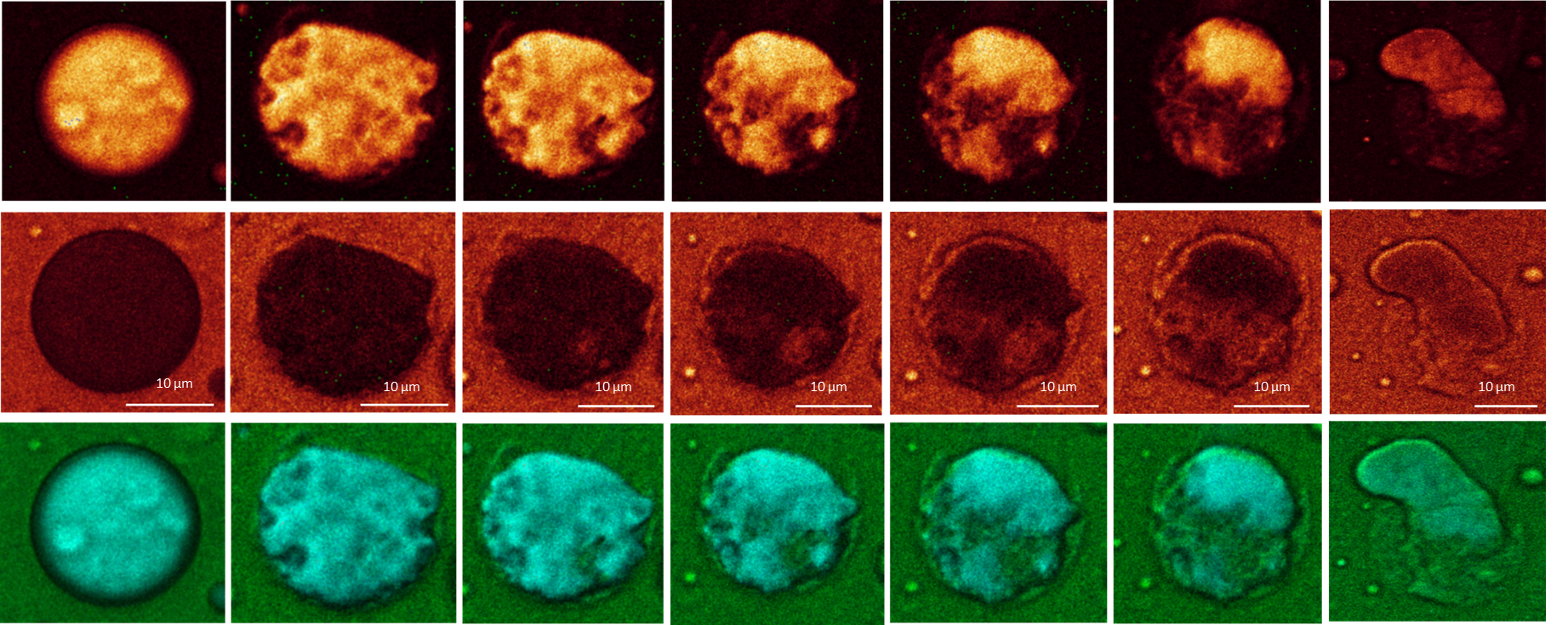
To understand the behaviour of materials in physiological conditions such as the gastrointestinal tract, we need to be able to study them on physiologically relevant timescales, and in formats that best mimic the conditions in the body. We have developed a range of new approaches to enable this using scattering based techniques (light, X-ray and neutron) as well as spectroscopic techniques (including low frequency Raman scattering). These techniques illuminate the time-dependent behaviour of these systems under either digestion or responding to stimuli such as changes in pH, heat or light.