Our research
Diabetes is associated with an increased risk of heart failure (HF). This is commonly termed diabetic cardiomyopathy and is often characterised by increased cardiac fibrosis, pathological hypertrophy, increased oxidative and endoplasmic reticulum stress as well as diastolic dysfunction. Dr De Blasio is investigating adiponectin’s role in cardiomyopathy.
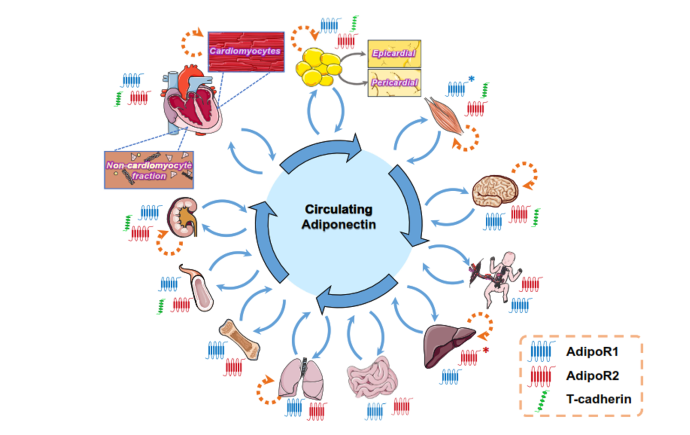
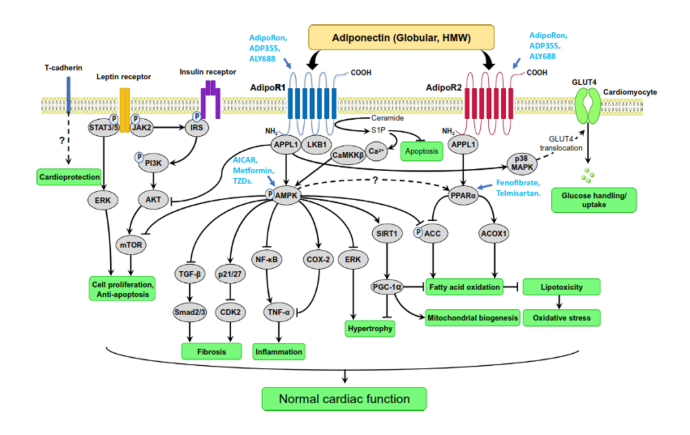
Adiponectin is a cardioprotective adipokine that is downregulated in settings of type 2 diabetes (T2D) and obesity. Furthermore, both adiponectin receptors (AdipoR1 and R2) are also downregulated in these settings which further results in impaired cardiac adiponectin signalling and reduced cardioprotection.
In many cardiac pathologies, adiponectin signalling has been shown to protect against cardiac remodelling and lipotoxicity, however its cardioprotective actions in T2D-induced cardiomyopathy remain unresolved. Diabetic cardiomyopathy has historically lacked effective treatment options.
The Cardio-Metabolic Physiology lab is investigating the links between the suppressed adiponectin signalling pathway and cardiac dysfunction, in diabetes. We have shown that adiponectin receptor-mediated signalling pathways that are normally associated with cardioprotection, are down-regulated in diabetes. We are interested in determining potential future therapeutic approaches that could target this pathway as a possible intervention for diabetic cardiomyopathy.