
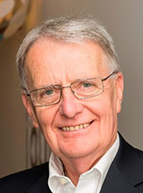
 Professor Warwick Anderson is the Secretary General of the International Human Frontier Science Program Organization, which funds international cooperation in frontier, cutting-edge research into the complex mechanism of living organisms. Previously, Professor Anderson was the first Chief Executive Officer of the National Health and Medical Research Council of Australia (2006-2015) following its establishment as an independent statutory agency.
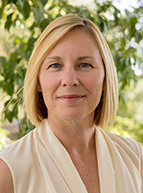 Professor Amander Clark is a stem cell biologist specialising in pluripotency and germline cell differentiation. Her laboratory was the first in the world to isolate human germline cells called primordial germ cells from the embryo for genomic analysis, and to identify the stages of human germline epigenetic reprogramming at single base resolution. Professor Clark is the Chair of the Department of Molecular Cell and Developmental Biology at University of California Los Angeles and a key member of the Eli and Edythe Broad Center of Regenerative Medicine and Stem Cell Research.
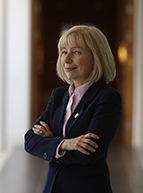 Professor Dame Anna F. Dominiczak is one of the world’s leading cardiovascular scientists and clinical academics. Her major research interests are in hypertension, cardiovascular genomics and precision medicine, where she not only publishes extensively in top peer-reviewed journals (more than 400 publications), but also excels in large-scale research funding for programs and infrastructure (with a total value in excess of £100M over the last seven years). She leads a collaboration of four universities, four academic National Health Service Health Boards across Scotland and two major industry partners in a public/private partnership focused on precision medicine, with a value in excess of £20M. In 2016, she was awarded a DBE for services to cardiovascular and medical science.
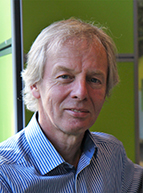 Professor Jeff Errington is Director of the Centre for Bacterial Cell Biology; the world’s first major research centre focused specifically on the molecular and cellular biology of bacterial cells. His contributions to basic science have been recognised by election to various learned societies, including Fellowship of the Royal Society, EMBO, the UK Academy of Medical Sciences and both the European and American Academies of Microbiology.
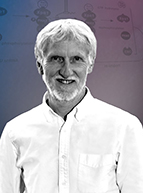 Professor Iain Mattaj was Director General of EMBL from 1999 to 2018. He is currently Director of Human Technopole in Italy. He is a distinguished scientist whose contributions have been recognised by his election as a Fellow of the Royal Society (London), Fellow of the Royal Society of Edinburgh, Member of Academia Europaea, Foreign Honorary Member of the American Academy of Arts and Science, Fellow of the Academy of Medical Sciences (London) and Foreign Associate of the National Academy of Sciences (US).
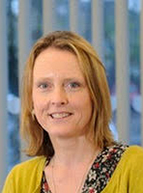 Professor Valerie O’Donnell is Director of the Division of Infection and Immunity at Cardiff University, and Co-Director of Systems Immunity Research Institute which she co-founded in 2016. She is Strategic Management lead of the LIPID MAPS Gateway which is a Wellcome Trust funded bioresource, led jointly with University of California San Diego and the Babraham Institute, and with more than one million users annually.
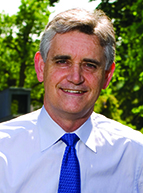 Professor Bruce Stillman is President and CEO of Cold Spring Harbor Laboratory. He was appointed to the Order of Australia (AO) in 1999 for his medical research and has been elected to a number of learned societies including: The Royal Society (UK), the US National Academy of Sciences, the American Academy of Arts and Sciences and the Australian Academy of Sciences. Dr Stillman has received numerous awards and prizes, including the Alfred P. Sloan Prize from the General Motors Cancer Research Foundation, the Louisa Gross Horwitz Prize from Columbia University and the Herbert Tabor Research Award from The American Society for Biochemistry and Molecular Biology.
 Professor Rachel Wong is a world-renowned researcher in the development and regeneration of synaptic circuits in the vertebrate retina. Her lab is interested in neuronal circuit assembly in development, circuit disassembly in degeneration and circuit reassembly upon cellular regeneration. Her studies are based on the vertebrate retina of zebrafish and mice.
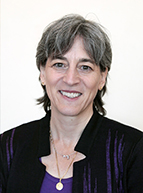 Professor Juleen Zierath has been Section Head for Integrative Physiology at Karolinska Institutet, Stockholm, Sweden since 2001, and from 2010 also Executive Director, Novo Nordisk Foundation Center for Basic Metabolic Research, University of Copenhagen. Professor Zierath’s research focuses on mechanisms underlying metabolic disorders with particular, but not exclusive, focus on insulin resistance in skeletal muscle.