
Stomach stem cells behaving badly
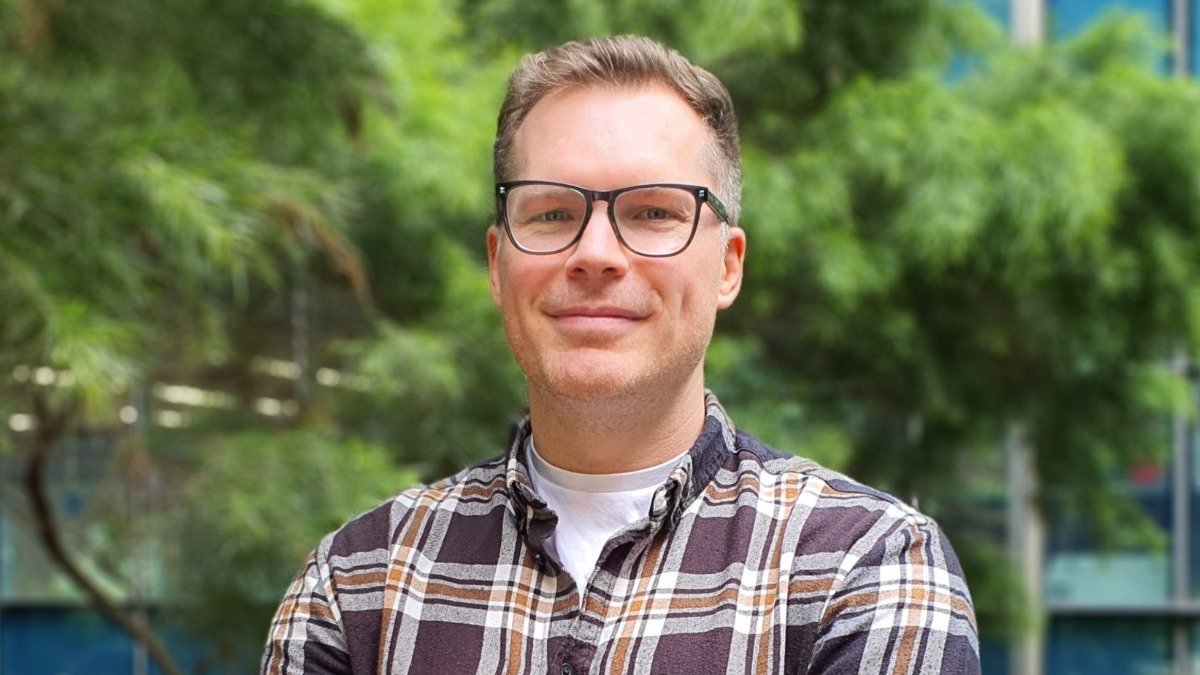
Monash University researcher Dr Dustin Flanagan has won one of two $60,000 Metcalf Prizes for Stem Cell Research, awarded annually by the National Stem Cell Foundation of Australia (NSCFA).
Awarded this week, the prestigious Metcalf Prize for Stem Cell Research recognises exceptional mid-career stem cell researchers in Australia and is presented to one female and one male researcher each year.
Dr Flanagan, from Monash’s Biomedicine Discovery Institute, won the award for his research on targeting rogue stem cells in colon and stomach cancer.
People diagnosed with late-stage stomach cancer have a less than 10 percent chance of surviving more than 5 years.
Dr Flanagan wants to boost that survival rate by understanding why some deviant stomach stem cells turn cancerous. This knowledge will help in the development of drugs to bring these misbehaving cells back to normal, healthy function.
Dustin’s past research has led to the development of treatments for Crohn’s disease, bowel cancer, and other gastrointestinal conditions.
He’s now turning his attention to stomach cancer, which is less common than bowel cancer but just as lethal.
Stem cells in the harsh, acidic environment of the stomach have a tough job, continuously renewing the stomach lining and repairing injury. As stem cells replicate, they can acquire genetic mutations that make them super-competitive.
Dr Flanagan identified some of the mechanisms used by super-competitor cells in the colon to overthrow normal stem cells, initiate cancer, and form tumours. It’s informing his stomach cancer research.
“The really terrifying part is the poor survival rate for people with advanced stomach cancer,” he says.
A typical patient visits their doctor complaining of weight loss and feeling bloated but by this time, the cancer is likely to be advanced.
“The majority of patients come through the clinic door at a stage when treatment options are sadly limited. Nearly 1,200 Australians die from stomach cancer each year.”
So, how can we tackle these late-stage cancers?
Dr Flanagan recently returned to Melbourne to lead a group at Monash University focused on stomach stem cells and how they function in chronic infection and cancer initiation and progression.
This work draws on his doctoral research into intestinal stem cells, which led to the development of treatments for Crohn’s disease and Clostridium difficile infection, and his postdoctoral work on bowel cancer at the Cancer Research UK Beatson Institute in Glasgow, Scotland.
Dr Flanagan has changed our understanding of how stem cells behave after acquiring genetic mutations that favour cancer formation. He also wants to unravel how and why some stomach cancer stem cells survive treatment and become more aggressive and resistant to other therapies.
“Previously, I was looking at what controls whether stem cells in the colon behave as they should, or badly, and we found that we could target some of those abnormalities,” Dr Flanagan says.
“That turned out to be a powerful preventive against developing bowel tumours in mice. It’s quite exciting because that work is being taken forward by a company developing a therapy targeting the equivalent abnormalities in humans.”
Dr Flanagan will use his Metcalf Prize to take a similar approach to tackling stomach cancer. He and his team are investigating the ‘plasticity’ of cancer stem cells to find weaknesses that can be targeted with new drugs.
“Cancer stem cells have molecular ‘back-up plans’ that allow them to masquerade as other cell types to evade therapy and progress disease,” he says. “Little is known about the molecular blueprints that control stomach cancer stem cells in particular.”
Dr Flanagan’s goal is to make discoveries that have the potential to generate new therapies for therapy-resistant metastatic gastric cancer.
“But I hope my research will also produce powerful insights that can be shared with the broader cancer research community and applied to other cancers plagued by drug resistance, such as breast and lung cancer. Winning the Metcalf Prize provides the visibility to do just that.”
See more about both winners of this year's NSCFA Metcalf Prize
About the Metcalf Prize and the National Stem Cell Foundation of Australia (NSCFA)
The awards are named for the late Professor Donald Metcalf AC who, over a 50-year career, helped transform cancer treatment and transplantation medicine, paving the way for potential stem cell therapy in the treatment of many other conditions.
The 2023 Metcalf Prizes for Stem Cell Research will be formally presented at the Australasian Society of Stem Cell Research Annual Scientific Meeting in Sydney on Wednesday 15 November.
The NSCFA is an ATO-registered, tax-deductible health promotion charity dedicated to promoting the study and responsible use of stem cells to reduce the burden of disease.
See more at: www.stemcellfoundation.net.au
About the Monash Biomedicine Discovery Institute
Committed to making the discoveries that will relieve the future burden of disease, the Monash Biomedicine Discovery Institute (BDI) at Monash University brings together more than 120 internationally-renowned research teams. Spanning seven discovery programs across Cancer, Cardiovascular Disease, Development and Stem Cells, Infection, Immunity, Metabolism, Diabetes and Obesity, and Neuroscience, Monash BDI is one of the largest biomedical research institutes in Australia. Our researchers are supported by world-class technology and infrastructure, and partner with industry, clinicians and researchers internationally to enhance lives through discovery.