
New study uncovers key pathway linking nervous system signals to mitochondrial health
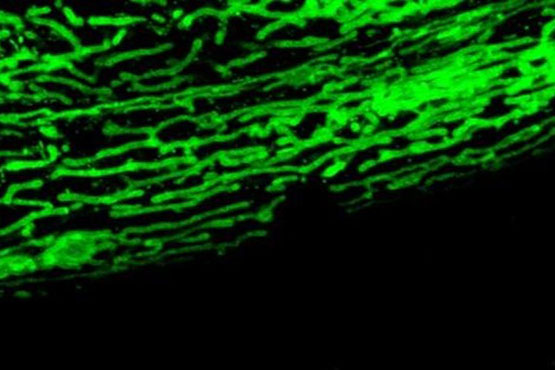
A Caenorhabditis elegans strain expressing a green fluorescent protein reporter in mitochondria.
In a groundbreaking study, Monash University researchers have unveiled a vital connection between neuronal signals and mitochondrial stress responses, offering promising insights into ageing and metabolic diseases like obesity and diabetes.
The research, led by Professor Roger Pocock and a team of scientists at the Monash Biomedicine Discovery Institute (BDI), highlights the critical role of the nervous system in regulating mitochondrial function, which is essential for cell survival and energy production.
Published in Nature Communications, the study highlights the potential for targeted interventions that could improve mitochondrial health and resilience in the face of stress.
Mitochondria, often referred to as the "powerhouses" of cells, generate energy necessary for cellular function. However, as we age or in the presence of certain diseases, these vital structures can become damaged, leading to cellular dysfunction. To combat this, cells initiate stress responses to minimise mitochondrial damage.
This study reveals that specific neuronal signals released from nerve cells play a key role in optimising these stress responses across various tissues.

Lead author, Prof Roger Pocock and first author, Dr Rebecca Cornell.
"We discovered a pathway that involves two neurotransmitters, specifically GABA and acetylcholine, to communicate with other tissues, enhancing their ability to manage mitochondrial stress," said Professor Pocock.
"This finding sheds light on a previously unknown pathway that balances mitochondrial health."
The research also identified a specific acetylcholine receptor that acts in the intestine to resist mitochondrial stress.
The implications of these findings are significant, as mitochondrial damage is linked to common health issues associated with ageing, obesity, diabetes, and cardiovascular disease. Understanding how the nervous system supports mitochondrial health may lead to innovative strategies for enhancing cell survival and overall metabolic health.
"Our future research aims to unravel the exact mechanisms by which this acetylcholine receptor controls mitochondrial health," Professor Pocock said.
“This could pave the way for new therapeutic approaches to mitigate the effects of mitochondrial dysfunction in various diseases."
Read the full paper published in Nature Communications, titled Neuro-intestinal acetylcholine signalling regulates the mitochondrial stress response in Caenorhabditis elegans
DOI: 10.1038/s41467-024-50973-y
GENERAL MEDIA ENQUIRIES
For more Monash media stories, visit our news and events site
Monash Media
E: media@monash.edu
T: +61 (0) 3 9903 4840
About the Monash Biomedicine Discovery Institute at Monash University
Committed to making discoveries that will relieve the future burden of disease, Monash Biomedicine Discovery Institute at Monash University brings together more than 120 internationally renowned research teams. Spanning seven discovery programs across Cancer, Cardiovascular Disease, Development and Stem Cells, Infection, Immunity, Metabolism, Diabetes and Obesity, and Neuroscience, Monash BDI is one of the largest biomedical research institutes in Australia. Our researchers are supported by world-class technology and infrastructure, and partner with industry, clinicians and researchers internationally to enhance lives through discovery.