
LEAF Indonesia

About our research
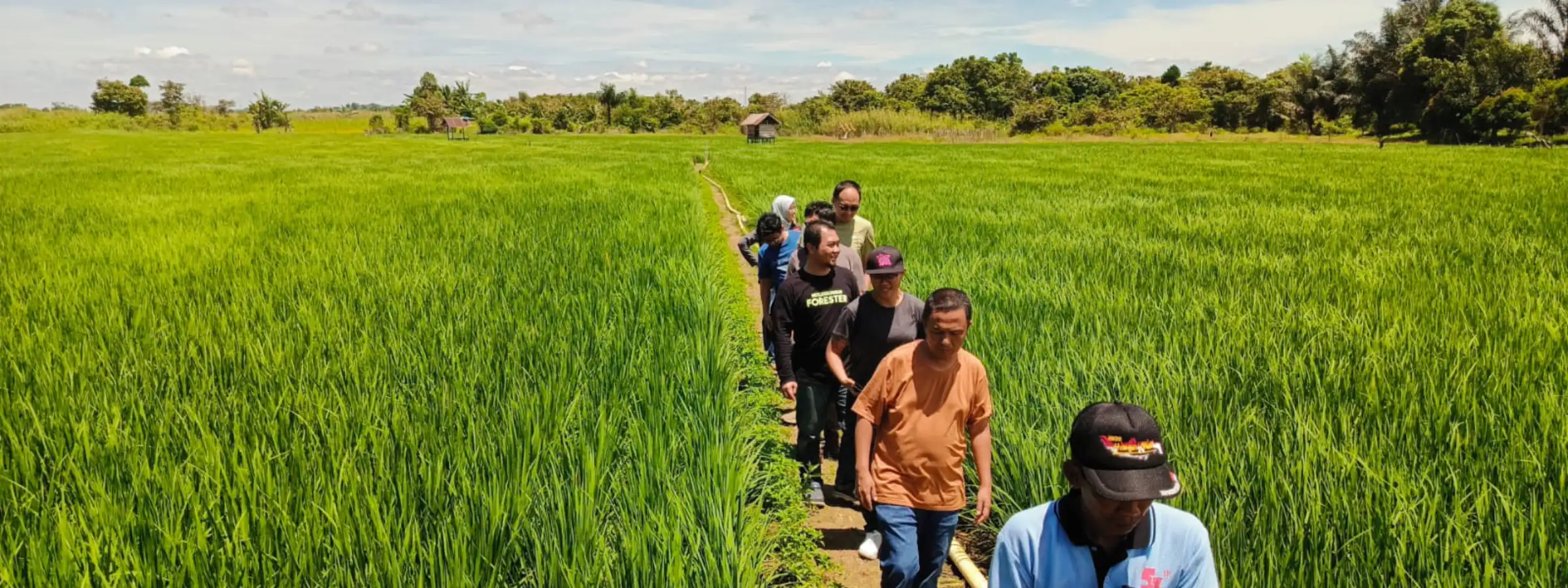
LEAF Indonesia is a transdisciplinary research initiative funded by the Global Centre on Biodiversity for Climate (GCBC), under UK Official Development Assistance (ODA). It aims to explore sustainable land-use pathways within Indonesia’s Food Estate Programme, balancing biodiversity, climate resilience, sustainable livelihoods, food security, and poverty alleviation. The research of LEAF Indonesia is titled: "Exploring sustainable land use pathways for ecosystem, food security, and poverty alleviation: Opportunities for Indonesia's food estate programme."
Research objectives:
- To analyze the land-use dynamics and ecological, social, and economic implications of Indonesia’s Food Estate Programme.
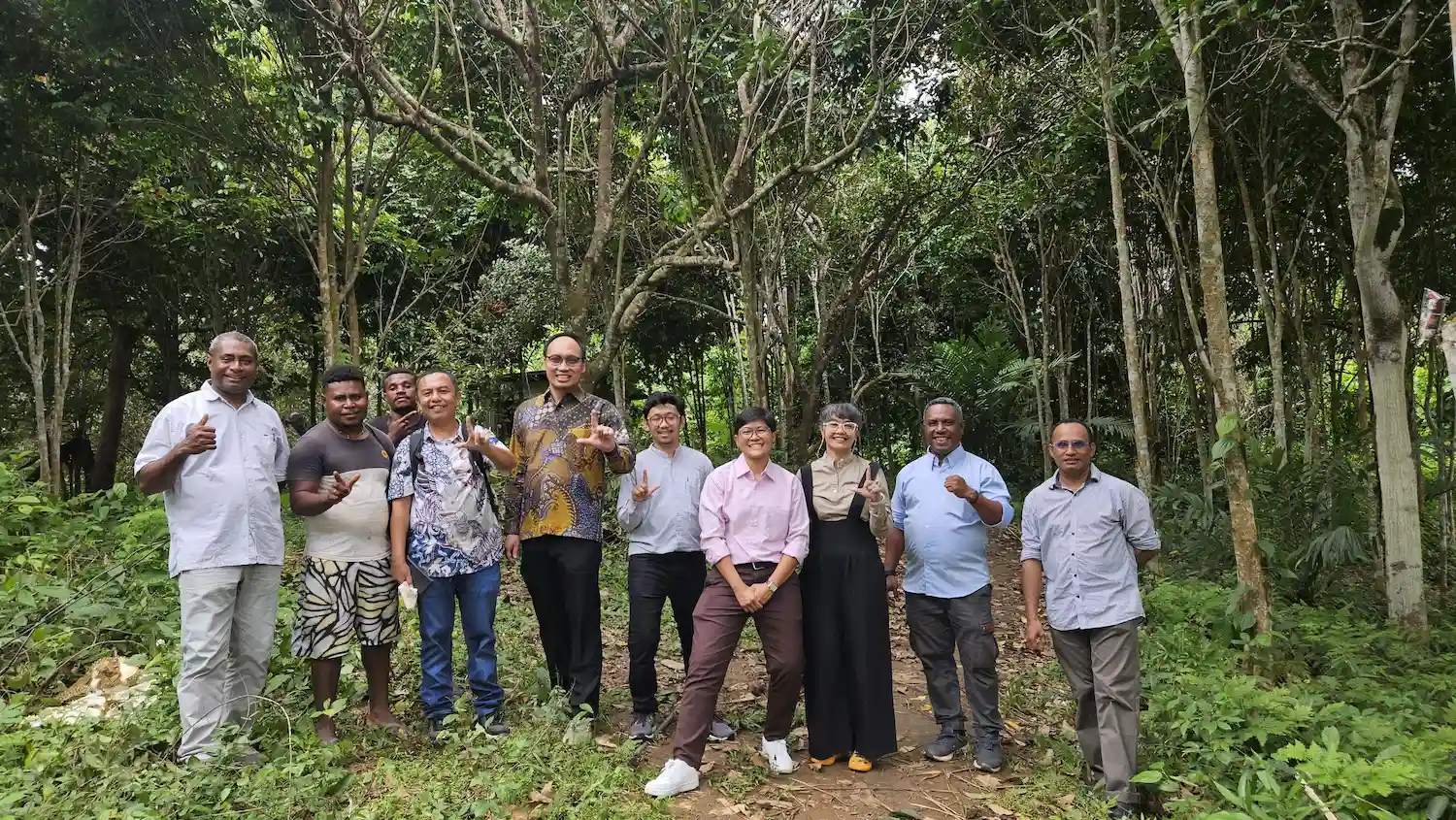
- To assess the interactions between biodiversity, food security, and rural livelihoods across diverse landscapes in Gorontalo, Kalimantan, and Papua.
- To co-develop alternative land-use scenarios through participatory workshops, spatial mapping, and modelling (LIMMMA platform).
- To integrate scientific research with local and traditional knowledge, ensuring that future pathways reflect both evidence and community perspectives.
- To facilitate multi-stakeholder dialogues, namely local governments, civil society, academia, and farmers, towards inclusive and evidence-based land-use planning.
Research significance:
- Policy Relevance: Generates scientific evidence to guide food estate policies in alignment with biodiversity protection, climate resilience, and equitable rural development.
- Practical Application: Provides tools and insights for farmers and local communities to adopt sustainable practices beyond monocultures, such as agroforestry and diversified farming.
- Scientific Contribution: Demonstrates an interdisciplinary methodology that combines quantitative modelling with qualitative, participatory approaches.
- Social and Environmental Justice: Highlights risks of environmental degradation and community vulnerability, while offering inclusive alternatives through the approach of gender equality, disability and social inclusion (GEDSI).
- Global Impact: Produces lessons from Indonesia’s experience that inform sustainable agricultural and land-use strategies in other regions facing similar challenges.