
2026 Teaching Excellence Program: Deepening educator identity and pedagogical practice
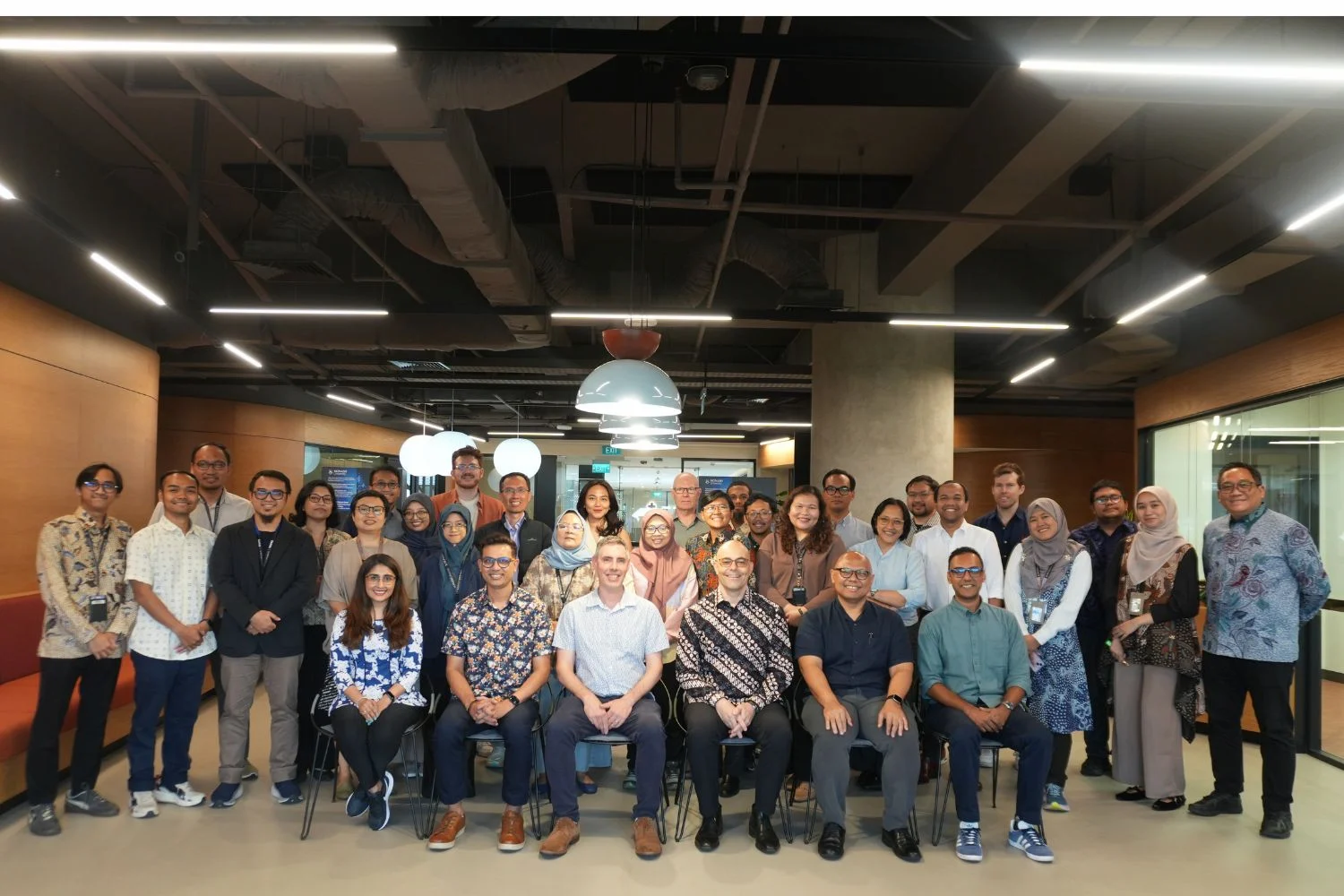
Monash University, Indonesia academics and facilitators at the 2026 Teaching Excellence Program (TEP)
BSD City, Tangerang – What does it mean to be an educator? Is expertise in teaching measured by mastery of a subject, or by one's ability to facilitate meaningful learning? These questions opened the 2026 Teaching Excellence Program (TEP) at Monash University, Indonesia (MI) — an intensive professional development initiative developed by the Monash Education Academy (Monash University Australia), the Education & Training Academy (Monash University Malaysia), and the Learning & Teaching Operations (Monash University, Indonesia). From 21–23 April 2026, MI academics engaged in facilitated discussions, collaborative exercises, and deep reflection on some of the most pressing challenges in higher education today.
TEP was facilitated by Dr. Mahbub Sarkar, SFHEA and Associate Professor Tim Fawns, PFHEA from the Monash Education Academy, alongside Simran Kaur, Ph.D, SFHEA and Associate Professor Tridib Saha, SFHEA from the Education & Training Academy, Malaysia. Over three days, TEP became a space for honest conversation where academics surfaced roadblocks, examined assumptions, and collectively built better approaches to teaching and learning.
Navigating the tension between teaching and research
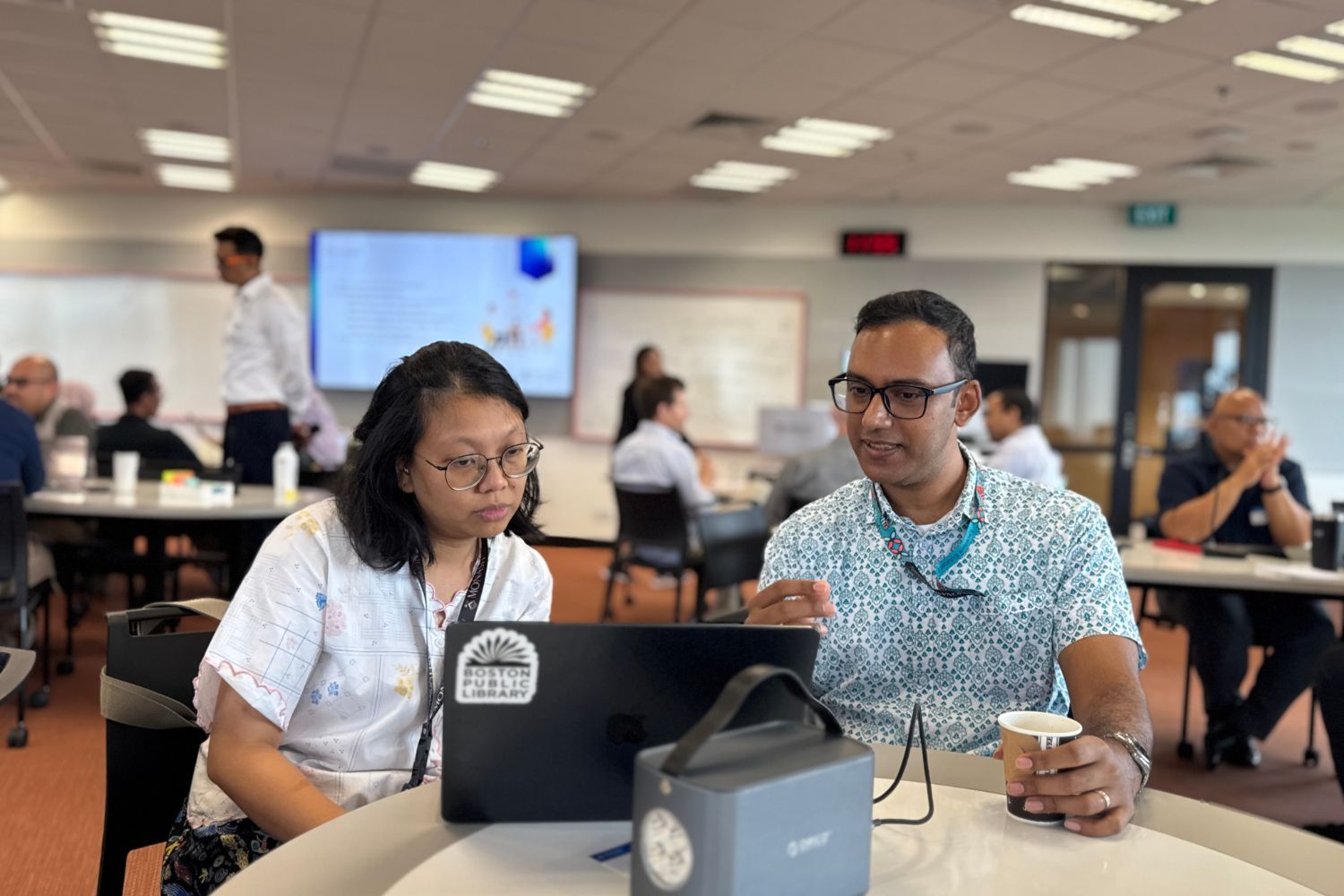 Dr. Perdana Roswaldy (left) and Dr. Tridib Saha (right) discussing pedagogical practices during the workshop
A defining theme on the first day was educator identity and the structural pressures that shape it. At Monash University, Indonesia, as in many research-intensive universities, career progression is tied primarily to research output — yet the demands of quality teaching are equally significant. Rather than treating teaching and research as competing priorities, the facilitators offered a compelling reframe: effective teaching begins with an educator's own beliefs about what learning is and what their role within it should be.
"The way students learn is deeply influenced by the way they are taught, and this begins with an educator's own beliefs about what learning is and what their role within it should be, " said Dr. Tridib Saha, one of the facilitators.
From this foundation, participants explored how to increase the value of in-class learning by designing activities that spark genuine curiosity, enabling peer learning, and moving away from the lecturer as the sole knowledge provider. They also examined learning design frameworks such as the Learning Arc (Set–Hold–Land), considering how structured session flow might apply across undergraduate and postgraduate contexts, disciplines, and MI's diverse student cohort.
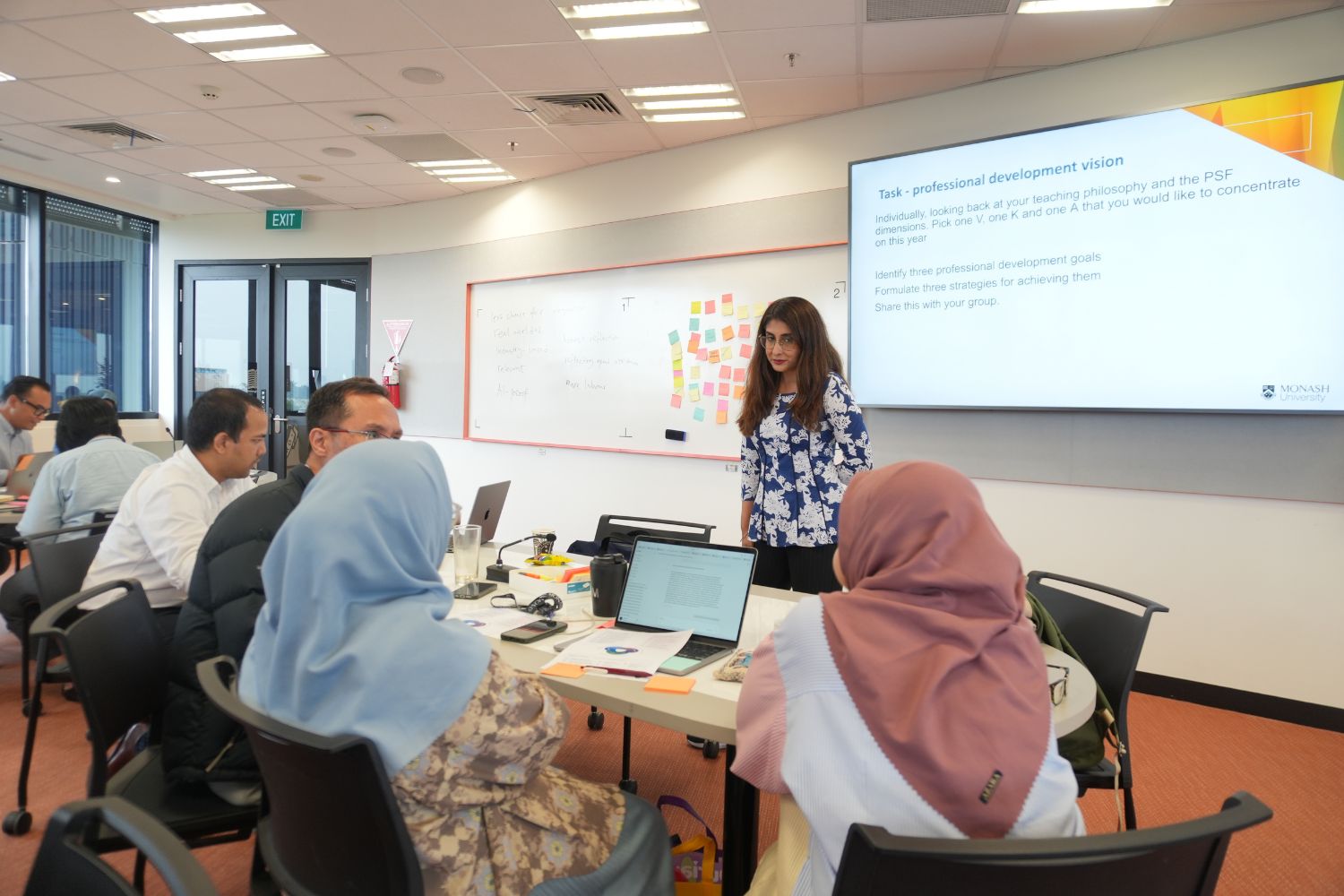 Dr. Simran Kaur facilitating a workshop session
On inclusive learning, the group discussed the importance of moving from reactive accommodation to proactive design. Rather than adjusting for diversity only when issues arise, effective inclusive learning involves anticipating and intentionally planning for the range of needs, preferences, and backgrounds that students bring. Practical strategies discussed included anonymous preference forms at the start of the unit, Plus One strategies to surface student needs, and the value of lecturers' modelling vulnerability. Related to the "plus one" approach, Dr. Simran Kaur (Head of Education Academy of Monash University Malaysia), suggested that MI academics can try to implement one additional element to enhance student learning, be it from the learning contents, delivery, and/or assessment products.
Assessment and feedback: Moving beyond marking
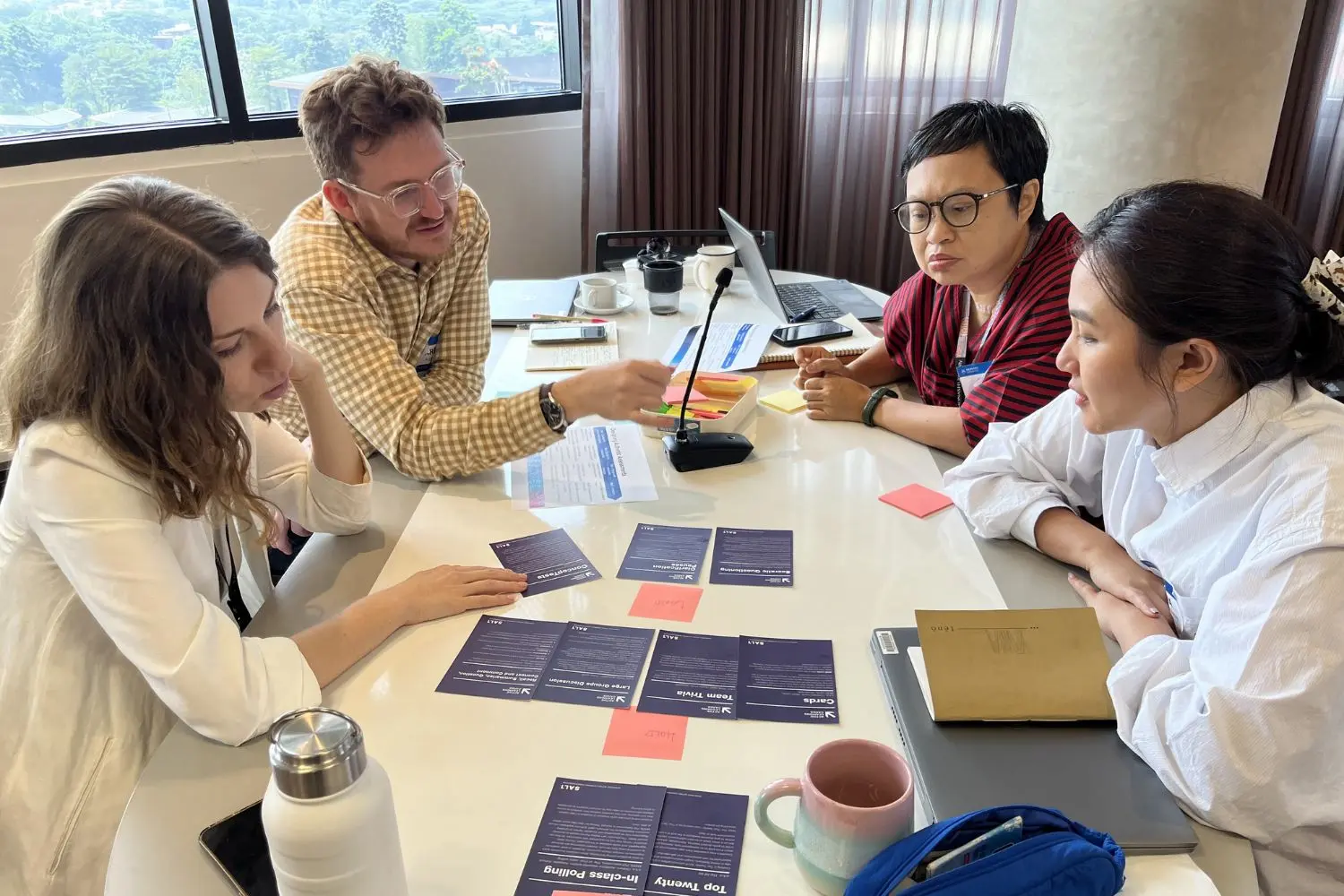 Monash University Indonesia academics participating in a group discussion
The second day examined assessment and feedback in depth. Participants reflected on the importance of designing assessments that prepare students not just for the world as it is, but for the world as it will be; the one shaped by uncertainty, rapid change, and artificial intelligence. Authentic assessment, which privileges transferable skills such as critical thinking, adaptability, and ethical judgment, emerged as a shared priority.
The concept of dialogic feedback, which is a two-way conversation about learning rather than a one-way critique, generated rich discussion. Participants agreed that well-structured dialogic feedback, clearly decoupled from mark negotiation, can significantly deepen student understanding. Setting clear expectations from the outset, including sharing exemplars of excellent work, was identified as essential.
"It changes my perspectives of teaching. The learning experiences and authentic assessment we design in turn can prepare students to face real-world challenges, " said Dr. Derry Wijaya, Faculty of IT.
Conversations on AI and academic integrity were equally animated. The group acknowledged that AI-proof assessment is, for all practical purposes, impossible, and that AI detection tools carry significant risks of false positives and false negatives. Rather than framing AI as a threat, participants explored how to design assessments where the demonstration of learning, reasoning, and growth remains clearly visible — and agreed that transparent communication of expectations around referencing and AI use, from day one of each unit, is key.
Connecting TEP to the broader Monash education vision
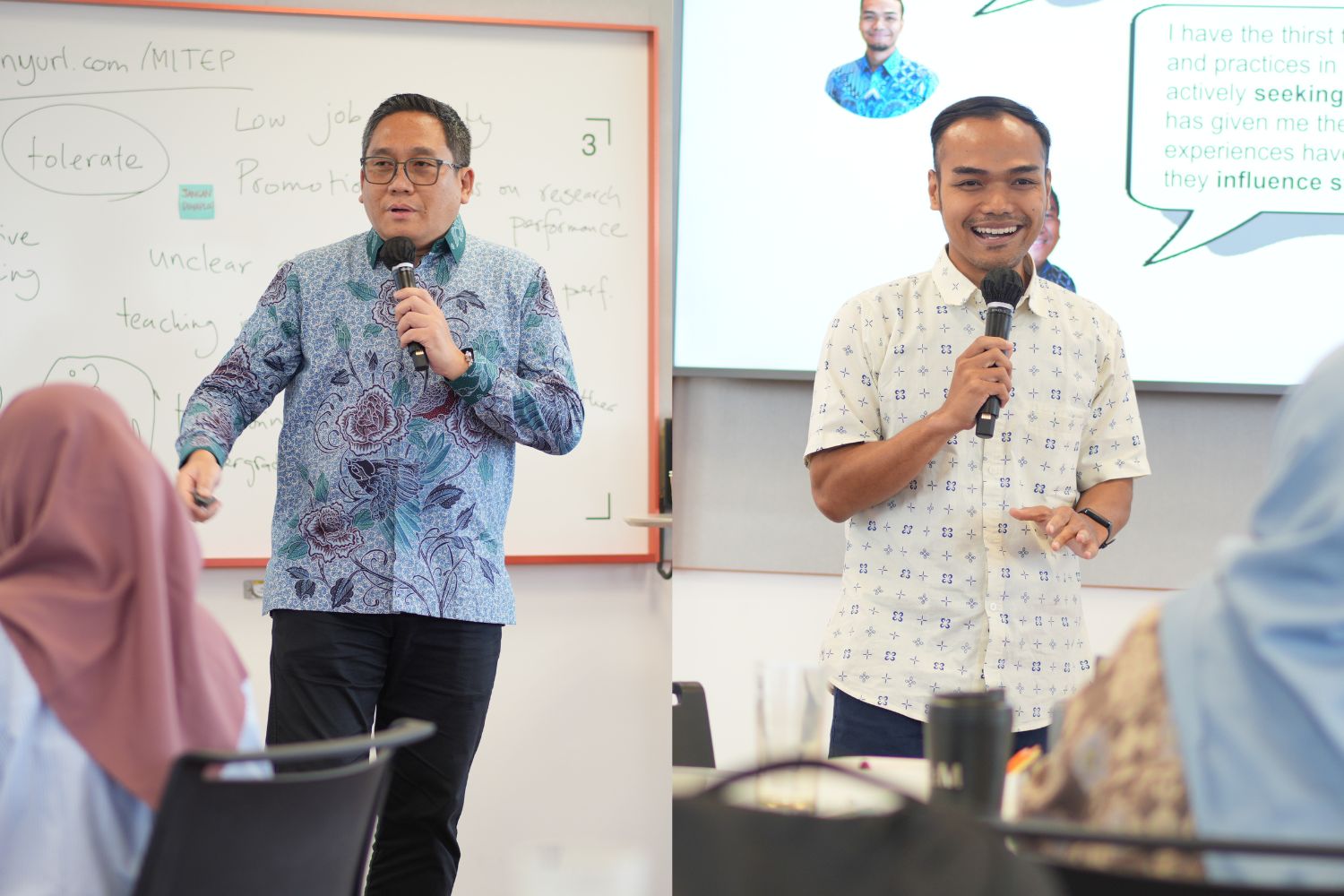
Anddy Steven Sumampouw (left) and Nurkholis Ainunnajib (right) sharing their journey in achieveing Advance HE recognition
The final day brought TEP's themes into dialogue with the Monash Education Plan. Participants reflected on how priorities such as student-centred learning, graduate employability, and inclusive education translate into MI's specific context, where student cohort characteristics, cultural norms, and institutional history differ from Monash's Australian campuses. Rather than applying frameworks wholesale, the group identified areas requiring local adaptation. This productive tension reflects MI's maturity as an institution finding its own voice within the broader Monash network.
As a closing session, Dr. Mahbub Sarkar and Associate Professor Tim Fawns introduced the Advance HE Fellowship programme as a formal pathway for MI academics to gain recognition for their teaching practice. Anddy Steven Sumampouw, SFHEA (LTO Senior Manager) and Nurkholis Ainunnajib, FHEA (Education Designer) shared their personal journeys in attaining Fellowship status; highlighting both the challenges and the rewards of the process. They hope that more MI academics will join this community, grounding their professional practice in a clear and thoughtful teaching philosophy.
Conclusion: A community committed to growth
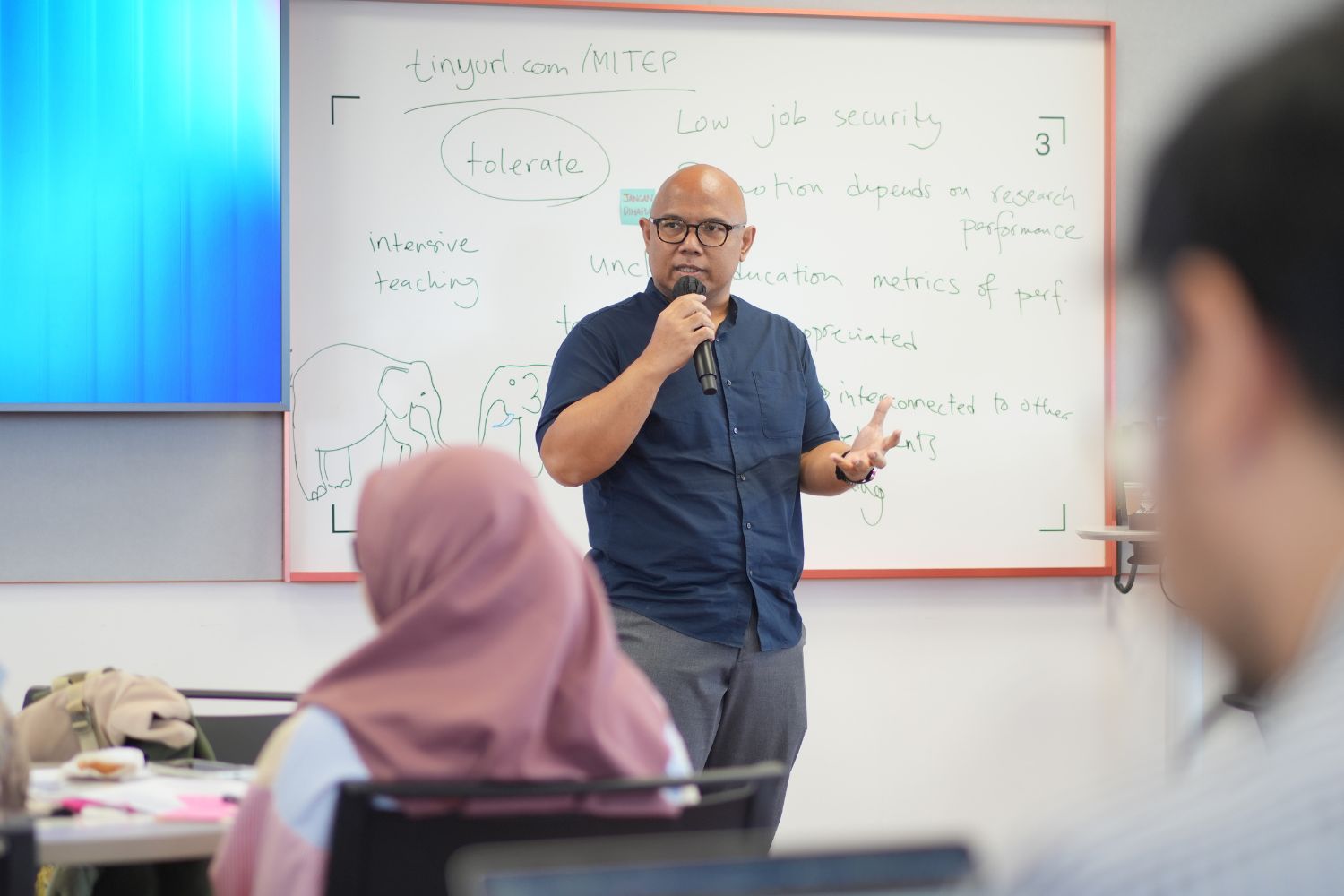 Dr. Yessy Arnold Perangin Angin sharing key takeaways after the workshop
As a professional development event, the 2026 Teaching Excellence Program expresses Monash University, Indonesia's commitment to treating teaching as a scholarly act that deserves the same rigour, curiosity, and collaborative inquiry as research itself. The honest and constructive conversations across these three days reflect a community of educators who care deeply about their students and the quality of the learning environments they create.
Monash University, Indonesia continues to grow as a regional hub for higher education innovation, marked by the launch of its Undergraduate Program in July 2026. Our institution remains committed to investing in educator development through initiatives such as TeachLab Dialogue, EduVate, and the Teaching Excellence Program. By empowering educators and embedding excellence in practice, we enable students to thrive and lead in a changing world.