
Public Discussion on Online-Based Sexual Harassment: The Need for Adaptive Law Regulations
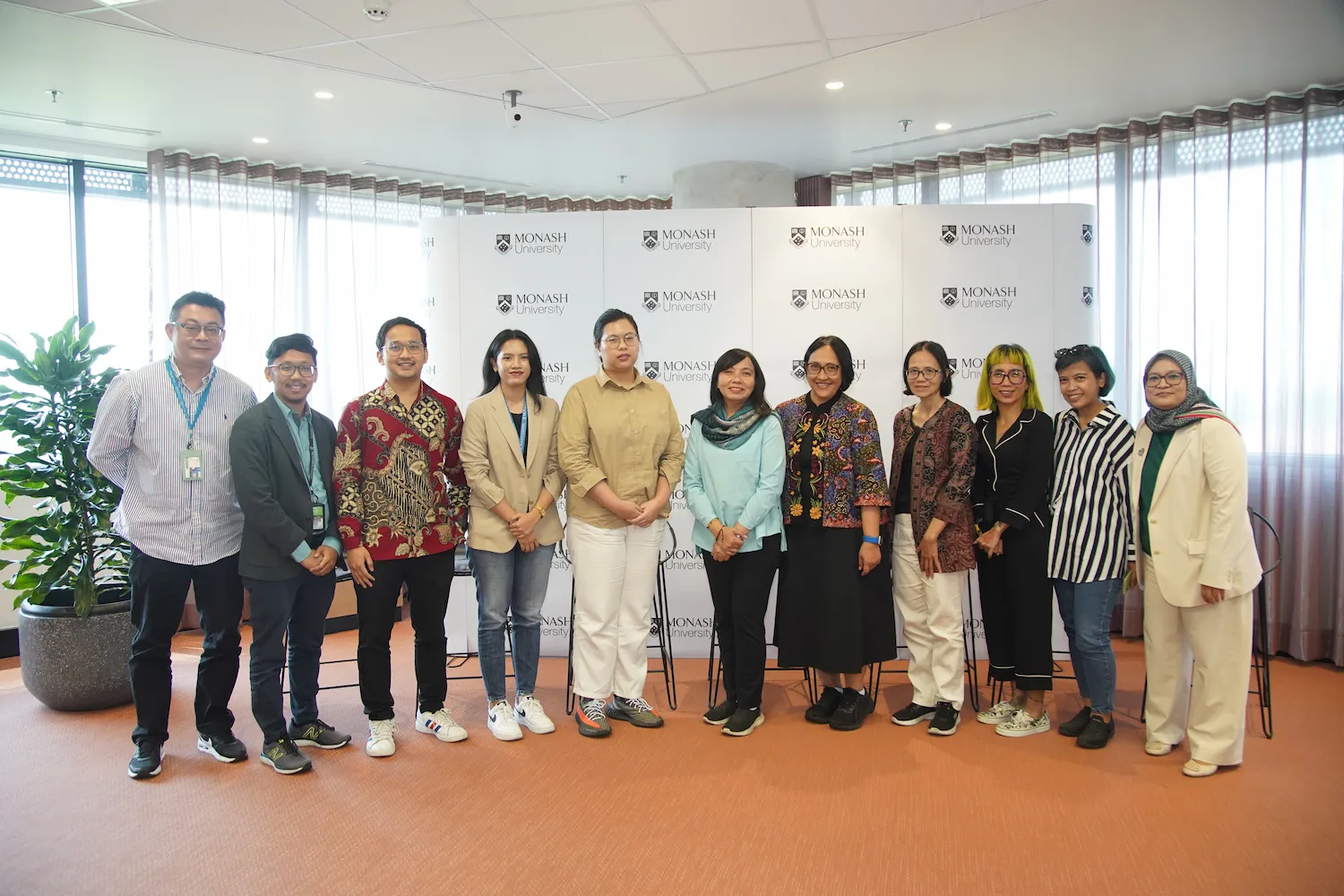 South Tangerang – Nowadays, sexual harassment against women also occurs on online platforms, with some accidents have been reported through Metaverse. Although several reported cases have emerged, some parties reluctantly believe online sexual harassment is a fabricated thing. The current law regulations have failed to accommodate the violence against women in the virtual sphere. Regarding this issue, a public discussion titled “Regulating Sexual Violence Against Women in Metaverse/VR” was conducted on August 9, 2024, at the campus of Monash University, Indonesia.
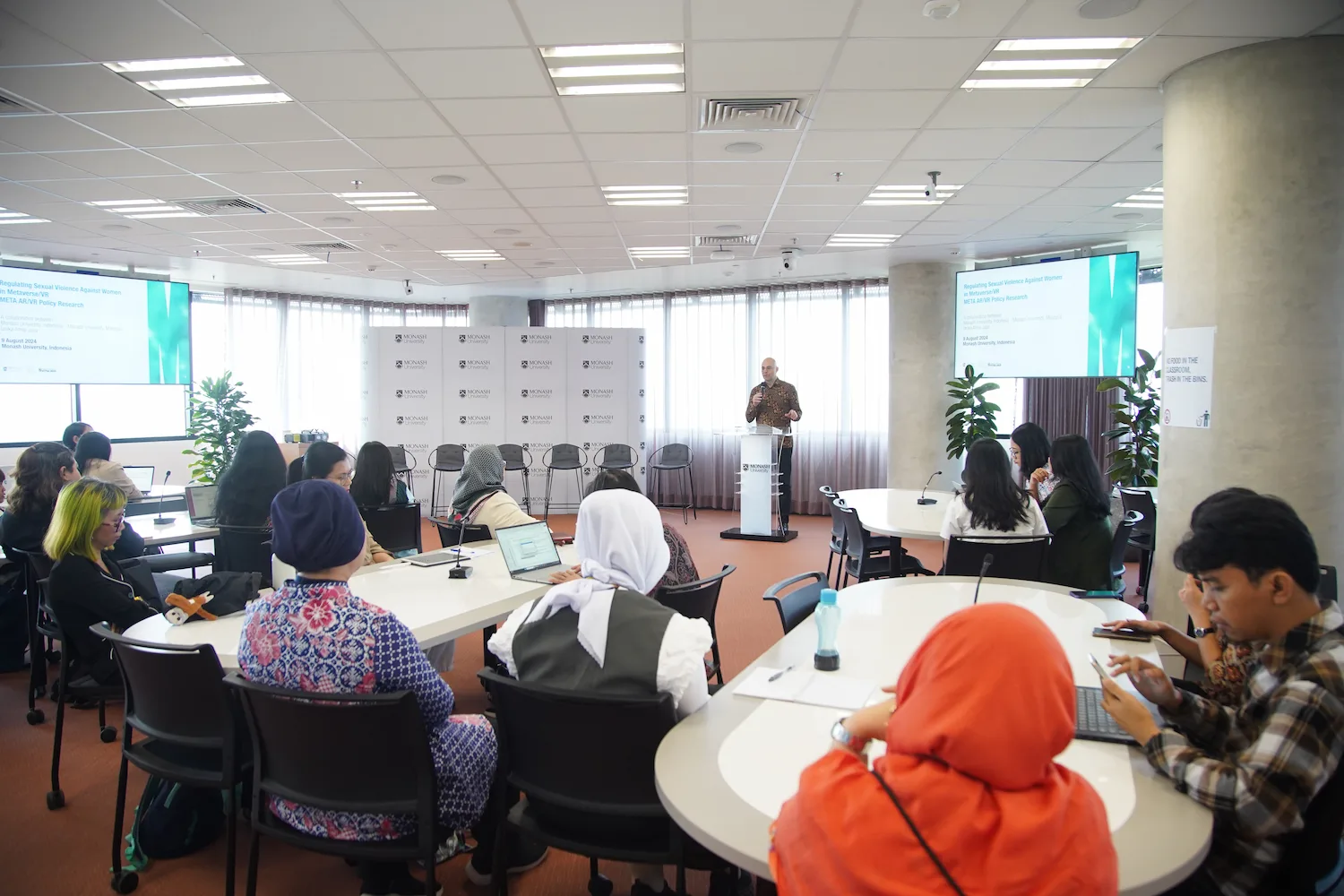 Professor Matthew Nicholson, Pro-Vice Chancellor and President of Monash University, Indonesia expressed, “We currently live in the middle of the digital environment that is heavily dominated by private businesses without a clear regulation. To make these spaces safe and inclusive, the voices of women and children should be prioritized”.
Joint research to analyze the online sexual harassment phenomenon is conducted by the team of Monash University Malaysia, Monash University, Indonesia, and Unika Atma Jaya. The study was performed in Indonesia and Malaysia with data gathering methods via survey, focus group discussion, electroencephalogram (EEG) test, social media conversation analysis, and interview.
“This research project is a strong example of an interdisciplinary study that involved experts from various fields, including public policy, law, data science, and technology”, said Dr. Ika Idris, Co-Director of Monash Data & Democracy Research Hub. She added that research should be applicable, add benefits to the community, and be able to solve various social problems.

The panelists during the discussion came from diverse backgrounds, including government, scholars, and the public community, those people were:
- Eni Widiyanti, Deputy Assistant for The Proctetion of Women’s Rights in Household and the Vurnurable, Ministy of Women’s Empowerment and Child Protection
- Dr. Dyah Pitaloka, Primary Investigator, META AR/VR Policy Research Project, Monash University, Malaysia
- Dr. Young-Nam Seo, Co-Primary Investigator AR/VR Policy Research Project, Monash University, Indonesia
- Muhammad Risqi Saputra, Co-Primary Investigator AR/VR Policy Research Project, Monash University, Indonesia
- Indriaswati Dyah Saptiningrum, Co-Primary Investigator AR/VR Policy Research Project, Unika Atma Jaya
- Dhyta Caturani, Founder & Coordinator PurpleCode Collective

Dr. Dyah Pitaloka, the researcher leader of the META AR/VR Policy Project explained that the emergence of virtual sexual harassment demonstrates the need for a digital ecosystem that is appropriately designed and safe for women. “One of the important and concerning points is there are many people who refuse to hear about this problem if they never experienced the issue”, said Dyah.
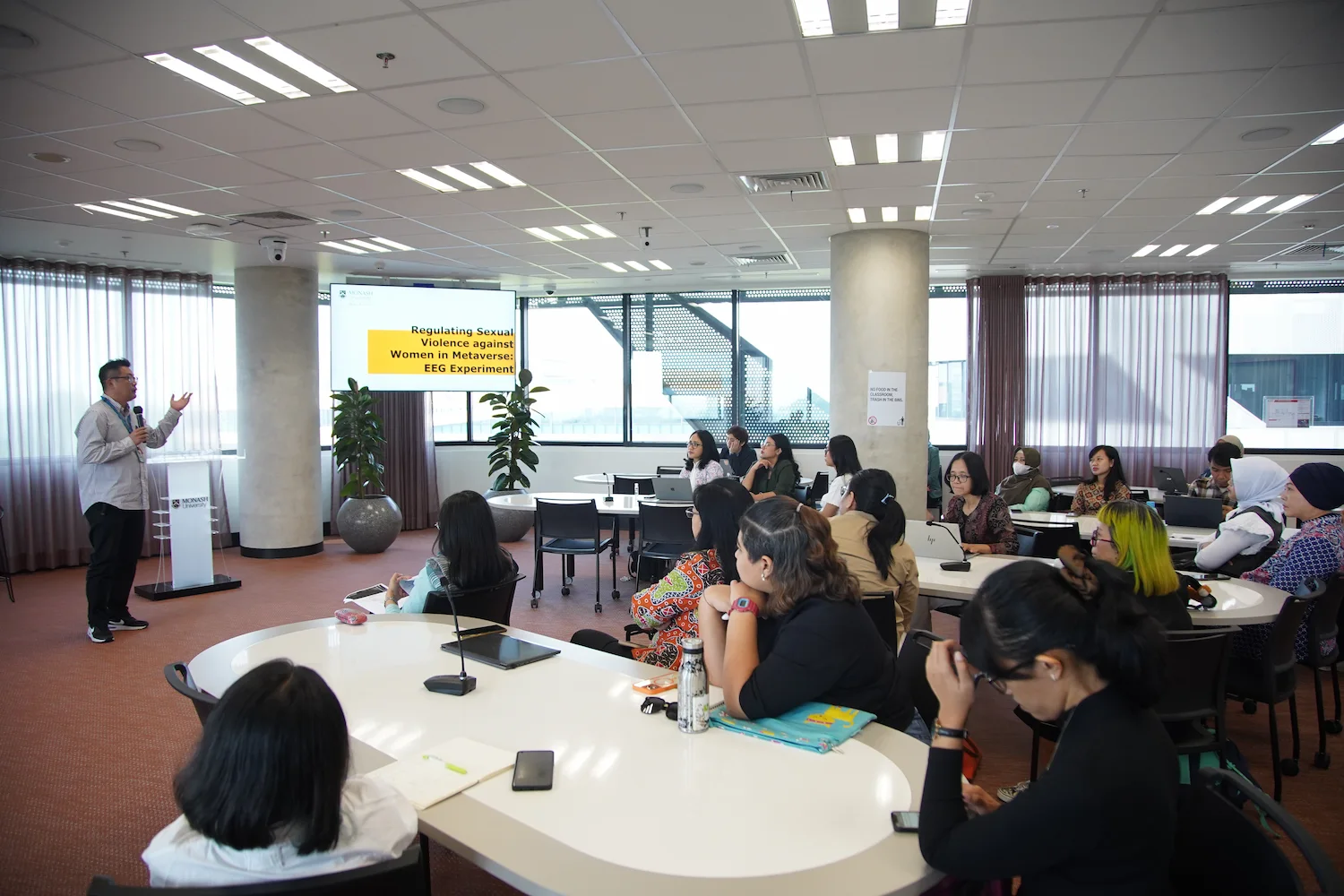 Indeed, the sexual harassment that occurs in virtual spaces has traumatic effects on the victim. Through electroencephalogram (ECG), Dr. Young-Nam Ceo showcased how humans respond to digital sexual harassment. He also added that “various kinds of literature have shown how sexual harassment via cyber world is equally as severe as the real-life ones”.
The Regulation Umbrella and its Implementation
Albeit, Indonesia already has Law Number 12 2022 concerning the Sexual Violence Crimes (TPKS) accommodates 9 types of sexual violence including gender-based online harassment (KBGO), Eny opted that the biggest challenge being faced by the government is the policy implementation. “Females aged 15-19 are the most vulnerable to the gender-based online sexual harassment. Our duty is to make sure that this regulation can provide justice for the victims”, as explained by her.
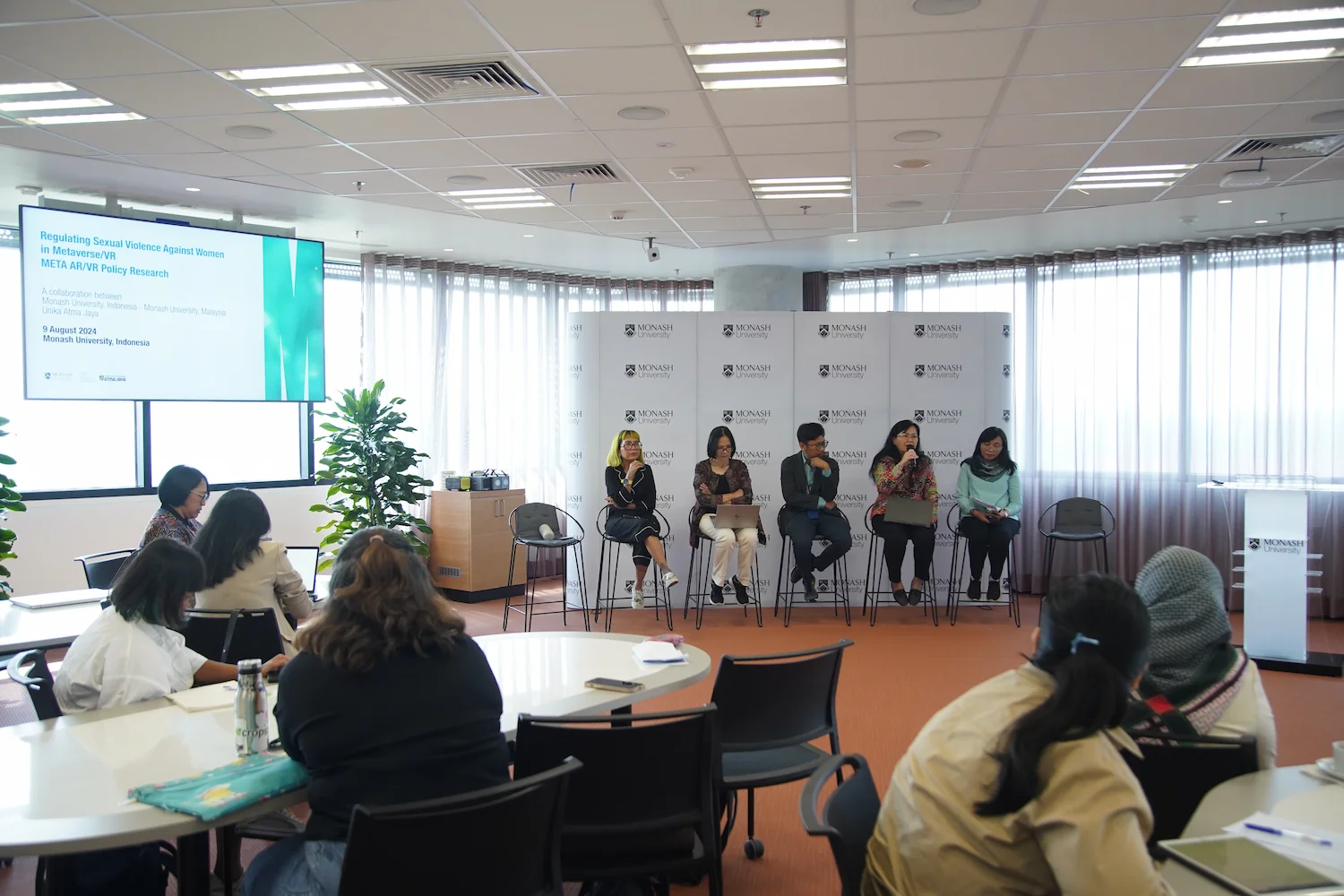 Furthermore, Eni explained that based on UU TPKS one witness and proof are enough to prosecute a sexual harassment case, the problem is the prosecutors often rely on the Law Book of the Penal Code (KUHP) to carry a case, hence often place a whistleblower as a perpetrator instead of a victim.
In terms of law enforcement, judging by several cases regarding verdicts for online sexual offenders, Indriaswati Dyah Saptiningrum pointed out that the imposed punishment is often lower compared to the sexual harassment that is being conducted in real life. “Around 100 convictions in Indonesia, the average charge for the violators is around 2-3 years of prison time, this is way less compared to the same case being conducted in real life”.
Encouraging Digital Awareness & The Adaptation of Law Regulations
By analyzing the online conversations through social media in Indonesia and Malaysia, Muhamad Risqi Saputra concluded that, compared to real-life ones, conversations about online sexual harassment are still seldom for many people. “Although there are several posts about virtual sexual harassment, most were more focused on raising awareness rather than deliberating more depth discussion. The rate for this kind of conversation is way lower than real-life harassment”, he explained.
Looking at how the current regulations are not able to tackle the various challenges regarding sexual harassment in the virtual sphere, Dhyta Caturani, Founder & Coordinator of PurpleCode Collective believes that amidst the ever-changing technology, the regulations need to be more responsive. “If the law is not adaptive toward the enhancement of technology, the victims will forever be left out”. She also added that it is one of the main responsibilities of the government to be more active in demanding platform accountability in order to create a safe and women and children-friendly digital environment.
This discussion also gathered the attention of the media, Kompas.id has released a dedicated online article about the issue.
About the META AR/VR Policy Research
In June 2022, Meta launched the Meta AR/VR Policy Research Request for Proposal, this program partnered with the Centre for Civil Society and Good Governance of the University of Hong Kong. The main intent is to provide funds for multi-purpose research in an effort to build a responsible Metaverse.
About 67 proposals from 44 different universities and institutes that have been submitted for this program, but only 8 proposals were selected as award winners. One of those is the research collaboration between Monash University Malaysia, Monash University, Indonesia, and Unika Atma Jaya with a theme of “Regulating Sexual Violence Against Women in the Metaverse”.