
The Importance of ESG Implementation in State-Owned Enterprises (SOEs): PT PLN Case Study
Jakarta, 14 March 2024 - In a bid to foster a generation of environmentally conscious and socially responsible leaders, PLN Group and Monash University, Indonesia recently held a thought-provoking sharing session under its PLN Muda program. The event, titled "Environmental, Social, and Governance (ESG) in Focus," brought together a diverse cohort of participants, both online and offline, totaling approximately 500 eager minds.
In this event, Dr. John Vong, an Adjunct Fellow at Master of Public Policy and Management, delivered a topic on how the implementation of ESG can increase the corporate value. The session proved to be a pivotal moment in PLN's journey towards embracing sustainability.
What is ESG?
ESG stands for Environmental, Social, and Governance, and it's reshaping the way businesses operate, investors invest, and how we all think about sustainability and ethical practices. Companies not only striving for profits but also taking care of our planet, treating people fairly, and running their operations with integrity and transparency. Isn't that a world we all want to live in?
The environmental aspect focuses on how businesses are contributing to sustainability, tackling climate change, managing waste, and conserving water and natural resources. It's all about protecting our beautiful planet for future generations. The social component looks at how companies treat their employees, support communities, and ensure that their products are safe. It's about creating a positive impact on society and building a world where everyone thrives. And then there's governance, the backbone ensuring companies are making decisions ethically, transparently, and in the best interests of all stakeholders.
Why is ESG Important for Business?
According to Dr. John Vong presentation, a research from Gunnar Friede et. al. (2015), there is a positive correlation between ESG implementation and financial performance. Companies that prioritise sustainability, ethical behaviour, and good governance tend to achieve better financial results. There 5 reasons why a company should implement ESG practices:
1. ESG Facilitates Revenu Growth and Cashflows
Access to new markets: Companies with strong ESG credentials can tap into new markets and customer segments that prioritise sustainability and responsible business practices. This opens up fresh revenue streams and growth opportunities.
Community acceptance: When companies operate in an environmentally and socially responsible manner, they are more likely to gain trust and acceptance from local communities and governing authorities. This can facilitate easier access to approvals, licences, and resources necessary for expansion and growth.
2. ESG Reduces the Operation Cost
By implementing ESG practices, companies can realise cost savings through resource efficiency, waste reduction, improved supply chain management, enhanced employee productivity, and effective risk mitigation. These cost savings can contribute to improved operational efficiency, increased competitiveness, and long-term financial performance, making a strong case for prioritising ESG initiatives within organisations.
3. ESG Encourages government support
By integrating ESG principles into their operations and decision-making processes, companies can position themselves as responsible corporate citizens, gain the trust and support of governments, and potentially benefit from various incentives, subsidies, and favourable regulatory environments. This can not only reduce risks and costs but also create new opportunities for growth and long-term value creation support.
4. ESG Increases Employee Productivity
By fostering a healthier work environment, promoting employee engagement and well-being, attracting and retaining top talent, encouraging innovation, building resilience, and fostering stakeholder trust, companies that prioritise ESG principles can create a positive and productive work culture. This, in turn, can lead to improved employee productivity, operational efficiency, and long-term success for the organisation.
5. ESG Improves Investment Returns
By embracing ESG principles and investing in sustainable practices, companies can realise cost savings, access new revenue streams, mitigate risks, and position themselves as leaders in the transition towards a more sustainable future. These efforts can not only improve operational efficiency but also enhance long-term profitability, attract responsible investors, and ultimately drive higher investment returns for stakeholders.
How PT PLN Implements ESG?
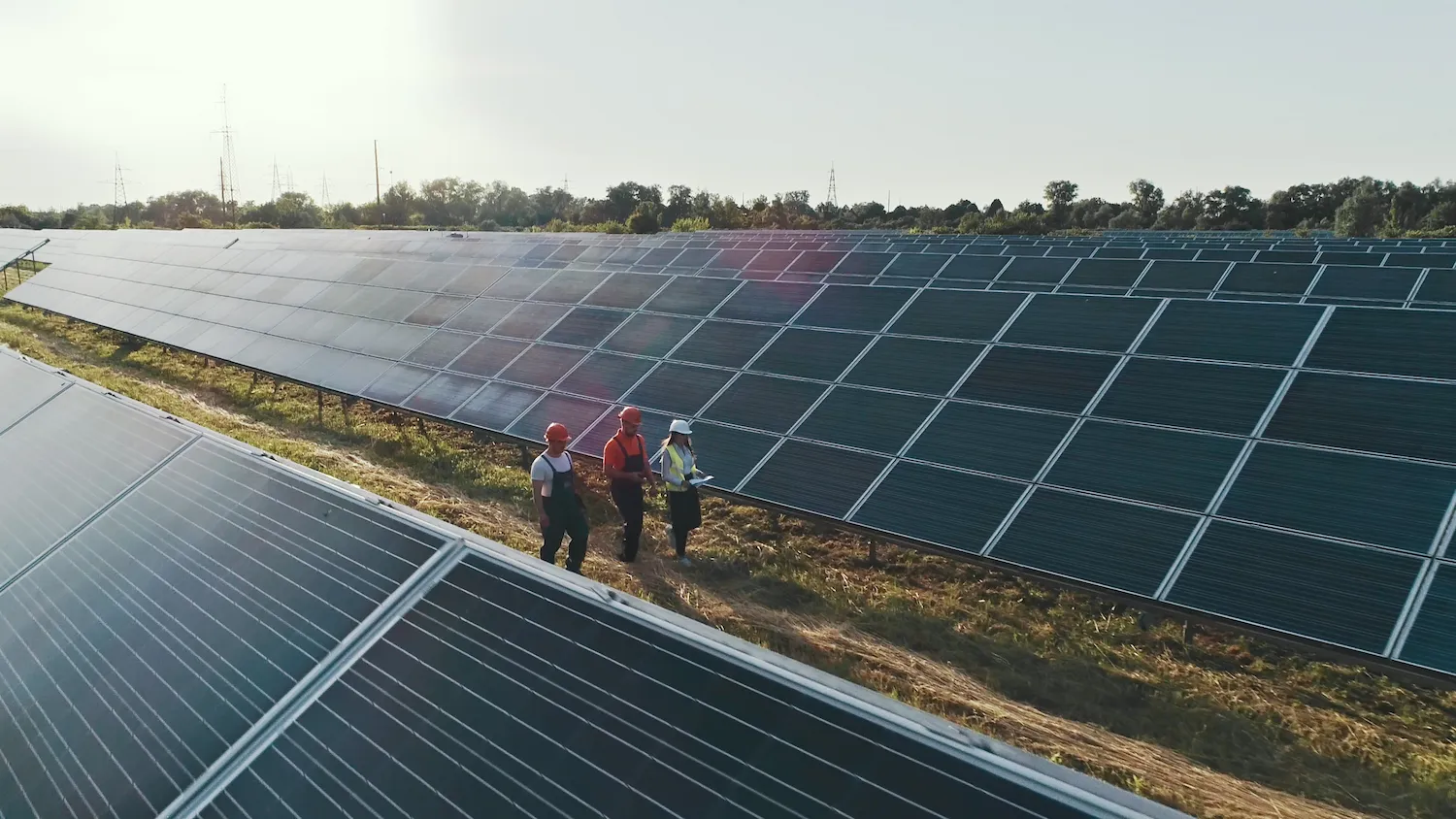
PT PLN (Persero), a state-owned enterprise in Indonesia, prioritises environmental, social, and governance (ESG) issues to ensure sustainability for the company, environment, and society. It has committed to achieving Net Zero Emissions (NZE) by 2060, with a long-term target of producing 61% electricity from Variable renewable energy, 15% from baseload renewable energy, 16% from gas, 3% from coal and gas plants equipped with carbon capture storage facilities, and 5% from new energy sources.
PLN is firmly committed to implementing Sustainable Business Principles that are socially, economically, and environmentally sustainable, integrating ESG aspects to provide positive value for all stakeholders while maintaining and improving the company's performance and image. To support the energy transition program, PLN recognizes the importance of developing qualified human resources, especially the younger generation, through education, training, and the PLN Muda program, which aims to accelerate the energy transition within the company.
 Bapak Dedi Budi Utomo giving opening remarks about PLN Muda program and ESG implementation
Aligned with the PLN mission, Bapak Dedi Budi Utomo, the Executive Vice President of Talent Development, said, “PLN Muda program is one of our real actions to support the ESG implementation at PT PLN. Since we are aiming to achieve NZE by 2060, by having this program we are preparing our talents to be more aware and educate them about the importance and implementation of ESG.”
Bapak Imam Muttaqien, Vice President of ESG & Safeguard at PLN's Energy Transition and Sustainability Division, further enriched the discourse with an overview of ESG fundamentals and their significance for PLN. Stressing the importance of ESG implementation for the company's long-term financial sustainability, Muttaqien underscored PLN's unwavering commitment to fostering a culture of responsible business practices.
Cited from their official website, PLN Sustainable Business Principles are set based on a holistic balance of economic, environmental, social, and governance pillars where:
- Economic aspect: Focuses on financial achievement (profit) for business sustainability while maintaining affordability to drive national economic growth.
- Environmental aspect: Emphasises environmental preservation, including climate change mitigation and adaptation, air and water quality management, waste management, resource efficiency, and biodiversity conservation.
- Social aspect: Prioritises employees, work partners, customers, and the general public, covering health and safety, asset security, gender equality, diversity and inclusion, product responsibility, community involvement, and meaningful participation.
- Governance aspect: Implements good corporate governance (GCG) principles, such as transparency, accountability, responsibility, independence, and fairness, through GCG guidelines, code of conduct, risk management, internal control, supervision, integrity enforcement, information disclosure, and IT management, including cybersecurity.
 Ibu Kamia Handayani delivering the opening speech
Ibu Kamia Handayani, PLN's Executive Vice President of Energy Transition and Sustainability, set the tone for the event, “PLN aspires to be among the top 500 global companies and is committed to clean energy. Taking ESG principles seriously is starting to yield results. We discovered how these principles perfectly align with our objectives at a recent event named PLN Muda. We learned how to manage things more efficiently, treat people more fairly, and protect the environment.
During the Monash University sharing session, we discovered practical applications of ESG concepts at PLN, particularly regarding net-zero emissions. Working with communities, enhancing our grids, and utilising renewable energy were among the things we learned. We are now prepared to adopt a more eco-friendly and proactive approach.”
 Dr. John Von giving lecture about ESG topic
Dr. John Vong also expressed his opinion, “The session was attended by an overwhelming number of 500 participants. The topic of Sustainability and Profitability drew many responses. Questions kept coming through emails even though the session had ended. It proves that learning never stops in Monash University.”
As the curtains drew to a close on the PLN Muda sharing session, participants departed with a renewed sense of purpose and a deeper understanding of the role they play in shaping a sustainable future. Monash University, Indonesia, a leading institution that prioritises Environmental, Social, and Governance (ESG) principles, was honoured to be invited to this event.
As an academic institution dedicated to sustainable practices, Monash University, Indonesia, is committed to contributing its expertise and insights to support Indonesia's energy transition and sustainable development goals, aligning with PLN's efforts to integrate ESG into its operations.