
Teaching Creativity Creatively: Bridging Art and Business Through Experiential Pedagogy
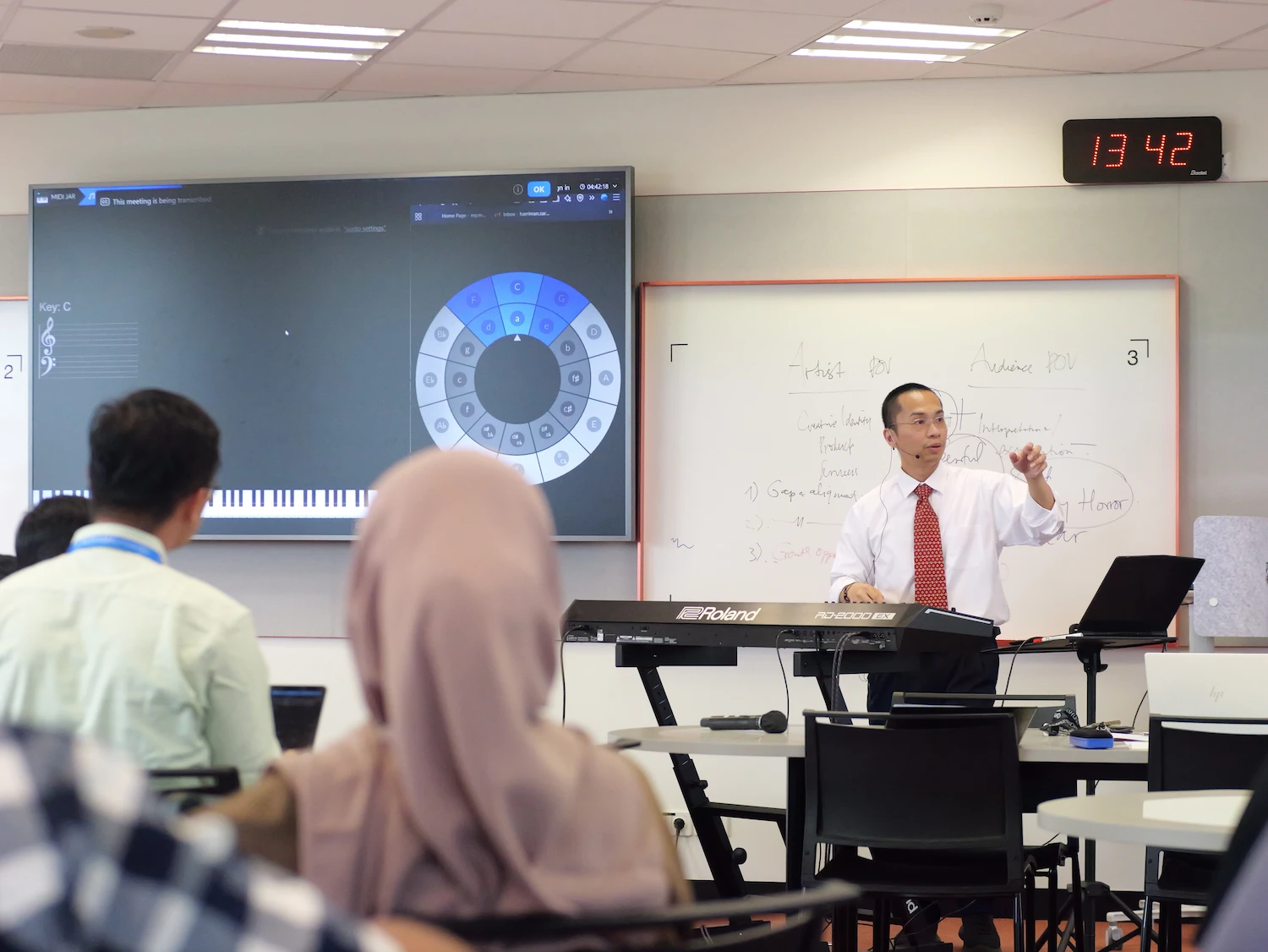
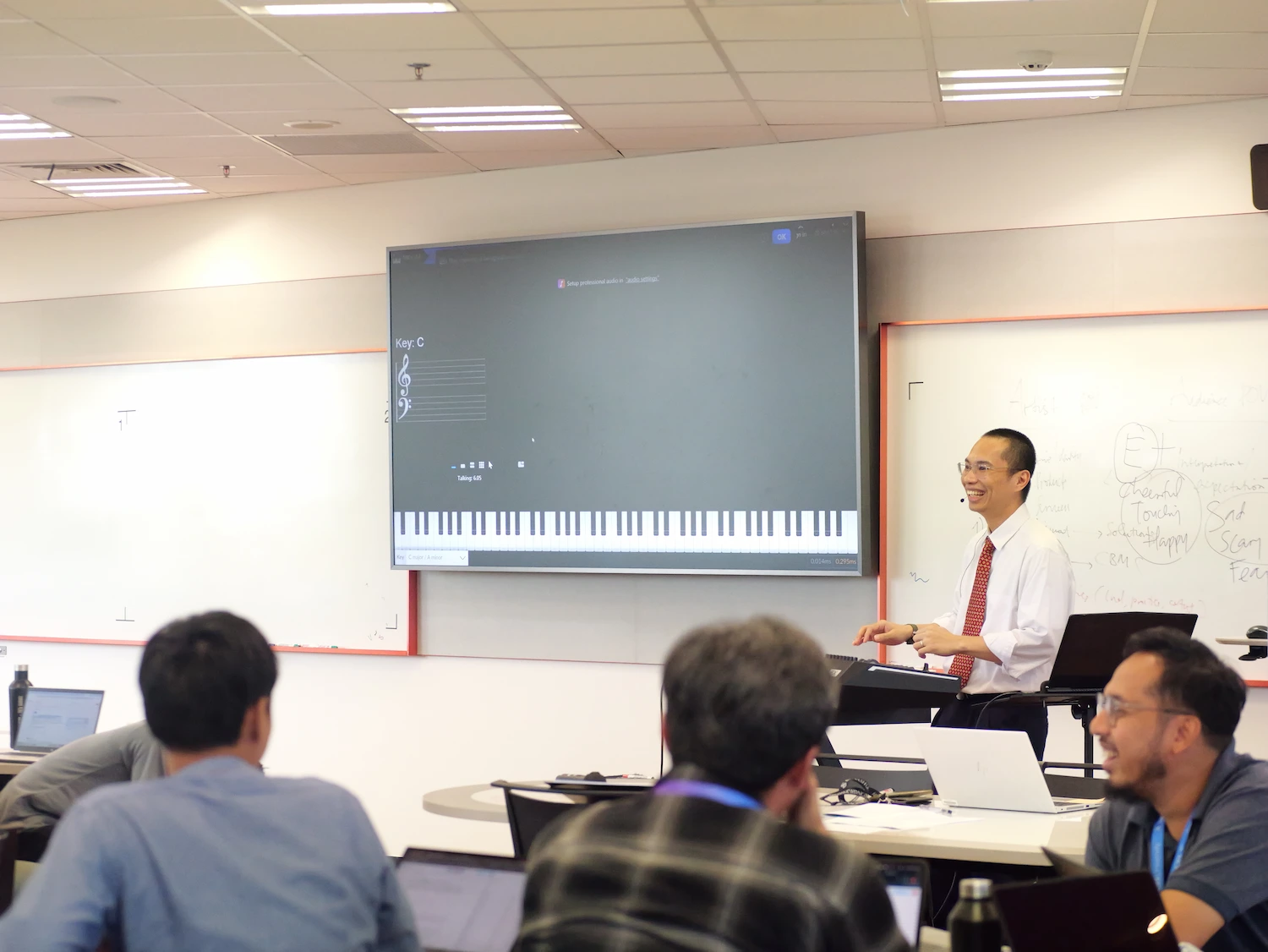
Dr. Harriman Saragih teaches the Creativity and Entrepreneurship class by incorporating live piano demonstrations
BSD City, Tangerang – Dr. Harriman Saragih, Assistant Professor of the Master of Business Innovation (MBI) program at Monash University, Indonesia, has introduced a distinctive pedagogical approach in the unit BEI5411 Creativity and Entrepreneurship by incorporating live piano demonstrations as an experiential method for teaching creativity. This innovation is particularly relevant for the cohort of executive students and experienced professionals seeking to strengthen their creative and managerial competencies to drive organizational transformation.
The unit is built on the principle that creativity is a universal human capacity, not the exclusive domain of artists or cultural producers. Whether in cultural and creative industries (CCI)—such as music, film, and performing arts—or in formal corporate environments, creativity serves as a crucial mechanism for generating novelty and functional value under defined constraints.
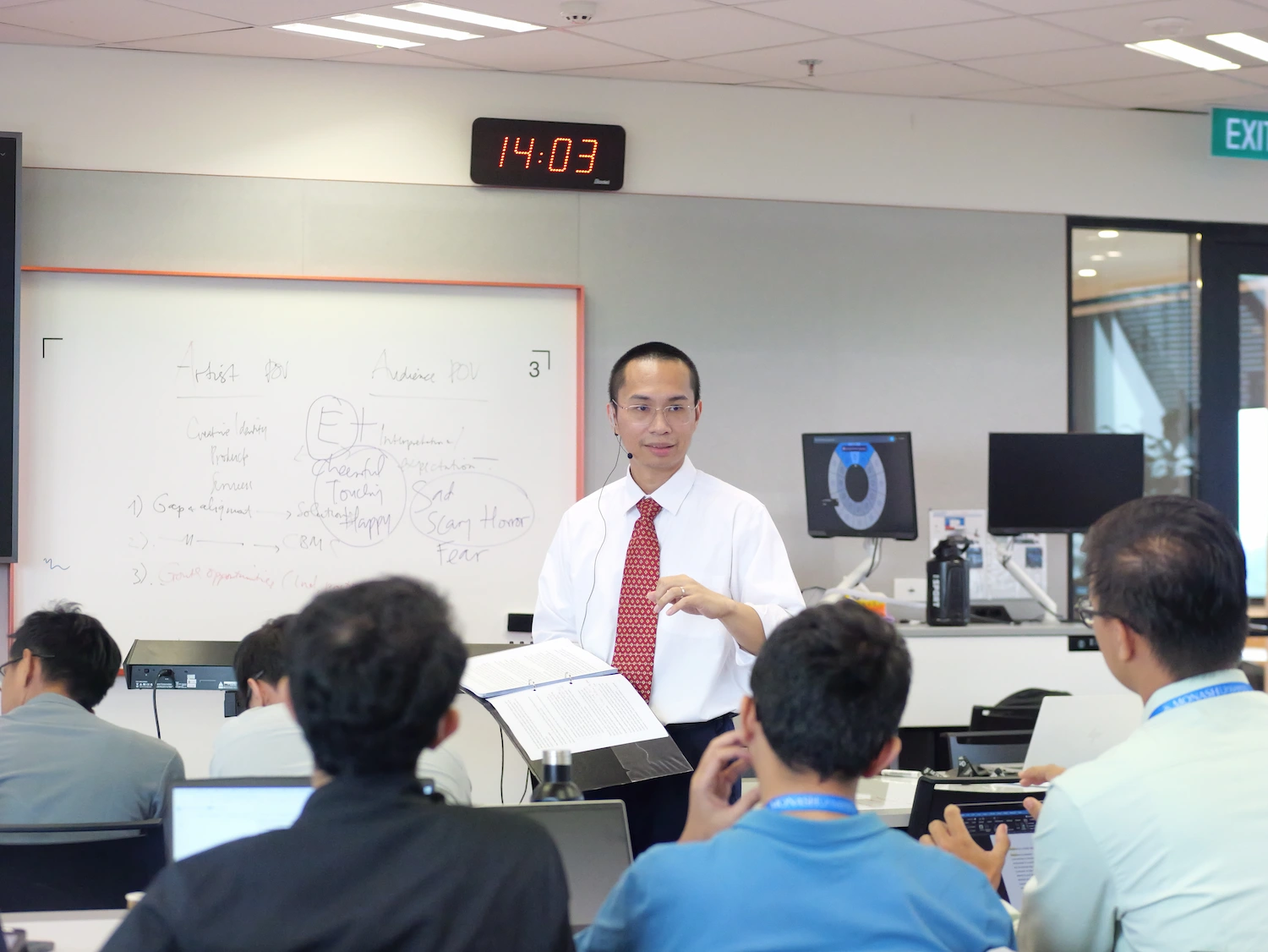 To reflect these dual contexts, the unit is structured in two interconnected halves. The first examines creativity within the aesthetic logic of CCI, where artistic identity and emotional resonance shape value creation. The second turns to corporate and professional settings, where creativity must interface with organizational goals, stakeholder expectations, and innovation processes.
In the CCI-focused sessions, the class analyzes the tension between aesthetic logic—centered on the creator’s personal expression—and market logic, which foregrounds audience expectations and perceptions. Dr. Saragih uses examples from Indonesian and international musicians to illustrate how audiences evaluate creative work through intertwined emotional and cognitive pathways.
This analysis is then brought to life through live piano demonstrations, where he contrasts mainstream pop chord progressions with the richer harmonic structures of jazz, using tools such as the circle of fifths to show how novelty, usefulness, and constraint interplay during artistic creation.
Through this experiential pedagogy, students not only grasp the mechanics of musical creativity but also develop transferable insights into other CCI domains. For instance, in fashion design, creators must reconcile aesthetic innovation with seasonal trends, production constraints, and consumer expectations—similar to how pop musicians balance commercial appeal with originality or how jazz artists negotiate complex harmonic structures within genre conventions. These parallels enable students to conceptualize creativity as a dynamic negotiation between identity and market logic, reinforcing the principle that novelty and value emerge through structured alignment rather than unrestricted expression.
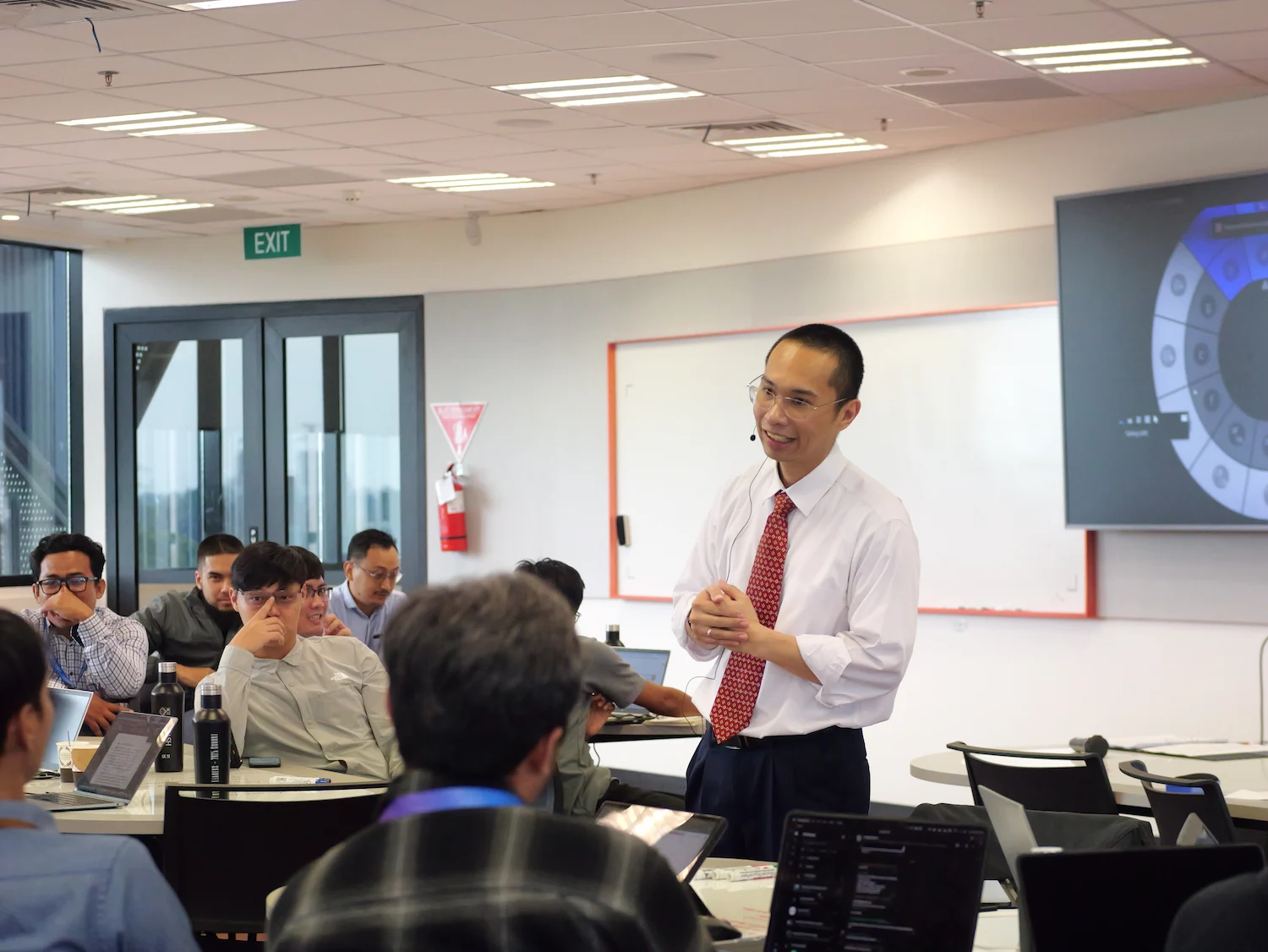 Dr. Saragih, recipient of the Dean’s Award for Industry and Community Education and nominee for the Vice-Chancellor’s Award, emphasizes to students that creativity—whether in music or business—is never merely a technical exercise. "Music is a language; it is universal, much like creativity itself," he observes during the session.
"Understanding how musicians negotiate identity, audience expectations, and market realities helps professionals in corporate settings reflect on their own creative practice and the tensions they encounter." Through this perspective, students learn to appreciate how creative professionals often navigate dissonance between their artistic ideals and broader socio-economic conditions, and why managerial guidance must be sensitive to both expressive and commercial dimensions.
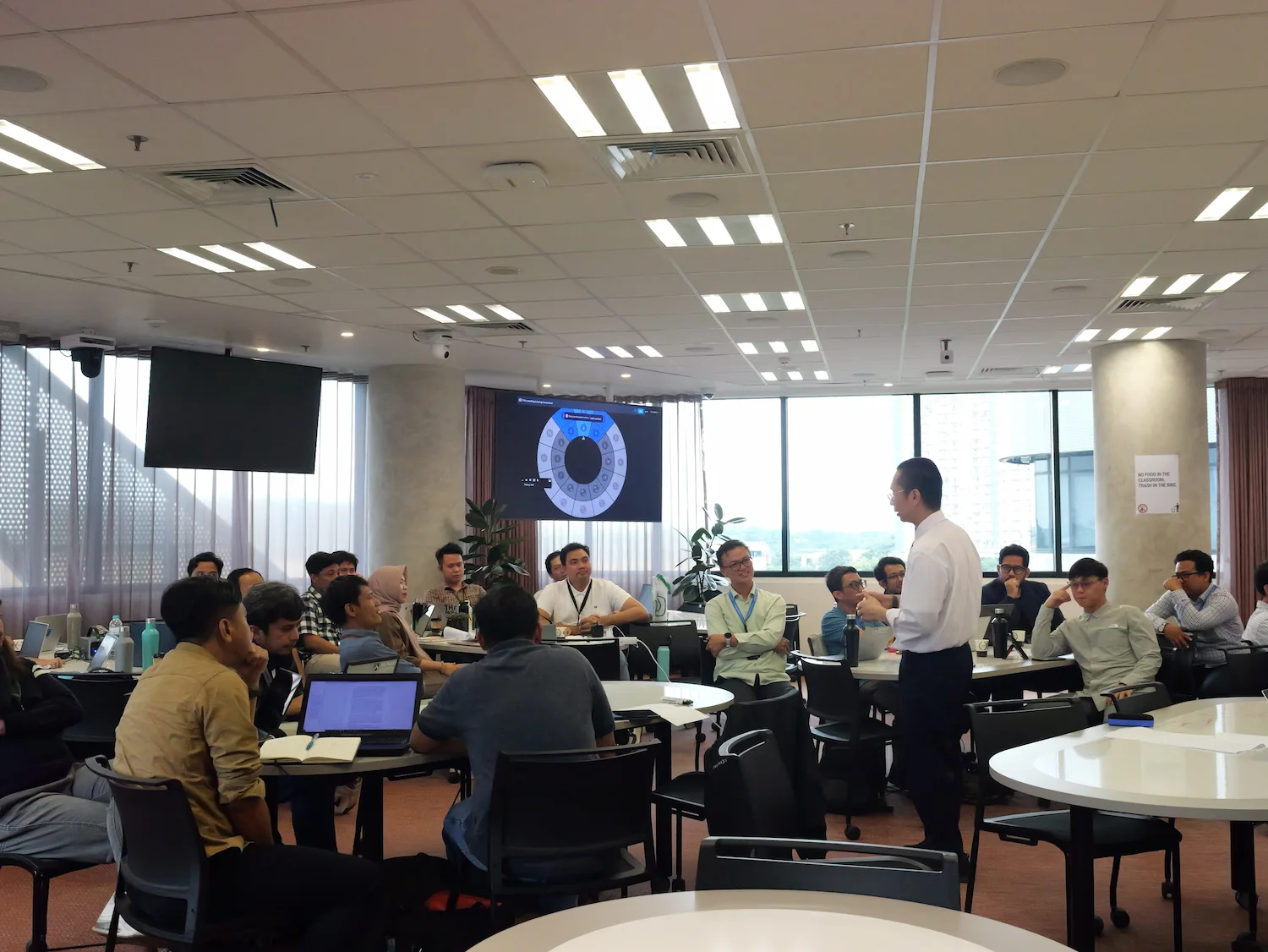 By integrating live performance with analytical discussion, Dr. Saragih aims to bridge the experiences of corporate professionals and creative practitioners, enabling students to generate more grounded insights and recommendations for the Indonesian creative sector. This approach reinforces the unit’s message that creativity is not merely a topic to be studied—it must also be experienced, enacted, and contextualized.
The unit requires students to engage directly with creative professionals, their audiences, and key stakeholders, culminating in the development of strategic recommendations that enable these professionals to expand and sustain their creative capacities in meaningful ways.
Through this pedagogical innovation, Monash University, Indonesia continues to advance teaching practices that blend scholarly rigor with experiential learning. Dr. Saragih’s method ensures that MBI students—many of whom are experienced executives—gain a deeper, more embodied understanding of creativity management while maintaining strong alignment with the unit’s learning outcomes and the program’s emphasis on real-world impact.