
Gabriela Fernando
Public Health
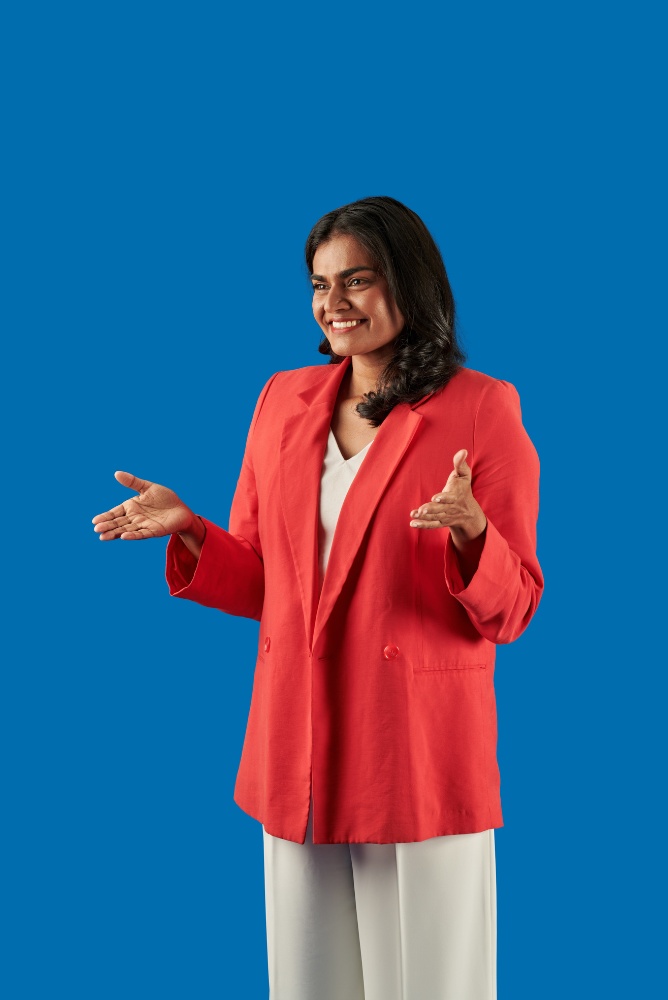
Strengthening students’ skills to tackle real public health inequities
Gabriela teaches students to apply public health methods with confidence, compassion, and a commitment to equity.
What do you teach?
I teach within the Master of Public Health program, including Qualitative Research Methods, Economic Management in Healthcare, and Chronic Diseases: Epidemiology and Prevention.
What qualifications or professional experiences are most central to your work as an academic?
I hold a PhD in Global Health and a Master of International Public Health. I completed my postdoctoral fellowship at the United Nations University - International Institute for Global Health, and previously taught at the School of Public Health at The University of Queensland. As a social epidemiologist, my work focuses on women’s health and equity across South and Southeast Asia, using participatory research approaches that centre community voices.
Public health research and action becomes meaningful when it reflects the realities of the communities we serve. ”
What are you doing differently in your field that you believe is driving real change?
Because my research aligns closely with the subjects I teach, I integrate real insights, case studies, and lessons from the field directly into classroom activities. Students engage in simulations, practise qualitative research skills, and work through real‑world public health scenarios. This approach builds confidence, strengthens critical thinking, and helps students apply methodological skills to complex public and global health challenges.
Tell us about a specific moment when you saw a student transform. What happened, and what role did you play?
A transformative moment came when a student volunteered as a Research Assistant on a project I led on the health and economic wellbeing of transit refugee and domestic worker women in Indonesia. She was involved in field observations, data analysis, reporting, and co‑leading dissemination. Through hands-on experience with participatory research and collaboration with community organisations, I watched her grow in research maturity, leadership, and her ability to apply public health concepts in meaningful, real‑world contexts.
What’s something about Monash University, Indonesia that would surprise people in a good way?
People are often surprised by the diversity of our student cohorts. Students come from a wide range of sectors and professional backgrounds, creating a vibrant, collaborative learning environment. In the Master of Public Health program, for example, we have senior health professionals working in malaria control, emergency medicine, and pharmaceuticals learning alongside students with research experience who are passionate about addressing health inequities. This diversity enriches discussions and fosters shared learning grounded in real‑world experience.
What industry partnerships, research collaborations, or real‑world projects are you and your students currently involved in?
My research collaborations are closely tied to my teaching and centre on partnerships with civil society organisations and NGOs. I work with JALA‑PRT, Indonesia’s largest domestic worker network, and Sisterhood, a women‑led transit refugee community centre. Research findings from these collaborations become case studies in my classes, and we’ve hosted leaders from both organisations as guest speakers. These interactions help students see how public health theory translates into practice and how community‑driven work shapes real health outcomes.