
Leukaemia Modelling and Therapeutic Discovery
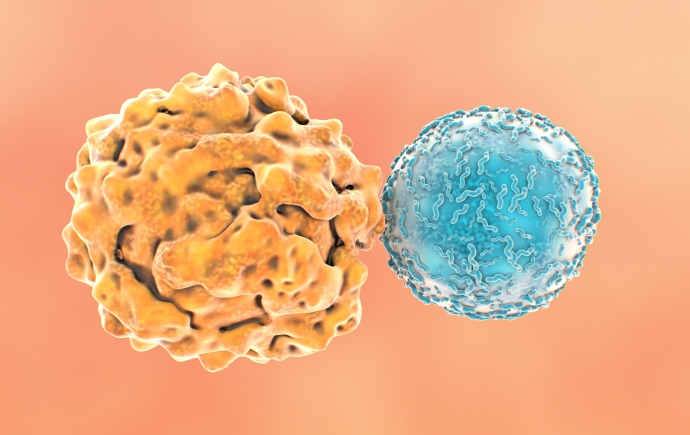
Acute Myeloid Leukaemia (AML) is an aggressive blood cancer resulting from the uncontrolled proliferation and impaired function of immature myeloid cells in the bone marrow. Each year ~1000 Australians are diagnosed with AML, with more than half ultimately succumbing to their disease within 5 years. Chemotherapy remains the backbone of AML treatment, and while the majority of patients initially achieve remission with chemotherapy, many will ultimately relapse with chemo-resistant disease. New therapeutic strategies are desperately needed.
The Leukaemia Modelling and Therapeutic Discovery research group uses leukaemia modelling approaches to identify common molecular and biological dependencies of transformed myeloid cells, which may represent new therapeutic targets with broad applicability across diverse genetic subtypes. The ultimate goal of this research is to identify and develop new treatment opportunities for AML patients that will enhance overall survival and reduce the impact of this aggressive blood cancer on patients, carers and family members.