
Critical Care and Perioperative Medicine

The Intensive Care Unit at Monash Medical Centre is a 26 bed, level III facility. It is accredited for C24 training with the College of Intensive Care Medicine (CICM), and offers a highly stimulating and enjoyable work environment.
Monash Medical Centre is also one of the few units to provide advanced life support to critically ill adults and children.
We provide academic support to both medical and nursing staff, and the unit welcomes and fosters trainees from all backgrounds and has a strong emphasis on teaching and research. The unit’s case mix includes a wide variety of medical and surgical patients, together with Cardiothoracic, Neurosurgical and Paediatric cases. The unit provides state wide obstetric ICU services, Medical Emergency Team for the hospital (MET) and an Outreach nursing service.
The research in the ICU at the Monash Medical Centre focuses on improving our understanding of critical illness, and improving the processes we use to care for our patients.
We have longstanding expertise in computerised clinical support, in advanced physiological monitoring, and the ICU has been a key participant in a number of international multi-centre studies which have made important contributions to the care of our patients.
Our staff
View

Meet our team
 | Professor Yahya Shehabi Yahya Shehabi leads the research team and activities within the Department of Surgery, School of Clinical Sciences at Monash Health, Monash University. He is dual qualified in Anaesthesia and Intensive Care, holds a PhD from the University of New South Wales and an Executive Master of Business Administration from the University of Technology, Sydney. Prof Shehabi holds a conjoint Professorial appointment at the School of Medicine, University of New South Wales. Find our more about Prof Yahya Shehabi. |
 | Associate Professor David Ernest (Intensivist) David Ernest is an Adjunct Clinical Associate Professor and Intensive Care physician with post-graduate qualifications in Health and Medical Law at Monash Health. David undertook a research fellowship at St Paul’s Hospital, Vancouver, Canada and has been involved in a range of critical care investigator led, clinical trial group and Pharma research trials over many years. David is a member of the Human Research Ethics Committee at Monash Health, and serves on a range of advisory committees. He is actively involved with education and training for medical students and post-graduate doctors in both clinical and medico-legal medicine. |
 | Associate Professor Geoff Parkin Geoffrey Parkin served as Foundation Head of the Intensive Care Units at Prince Henry’s Hospital Melbourne (1974-1988), Cabrini Hospital (1985-2008) and Monash Medical Centre(1988-2001). He was Head, Cardiothoracic Intensive Care Unit at the Alfred Hospital during 1985. He retired from MMC in 2007 but remains in a teaching and research role as Honorary Intensivist. A cofounder and Honoured Fellow of the Australian and New Zealand intensive Care Society, Geoff had a key role in initiating the early Intensive Care examinations of the Australian and New Zealand College of Anaesthetists, the world’s first postgraduate diploma in Intensive Care. Geoff is an enthusiastic advocate of the role of physiology in the care of the critically ill, and has has long taught Monash undergraduate and postgraduate students. His research is in the general area of biomedical engineering, particularly involving mathematical modeling , measurement and control of physiological processes. |
 | Dr Mark Adams Since 2011, Dr Mark Adams has been Director, Department of Anaesthesia & Peri-operative Medicine. His areas of special interest include: Airway Management, Bariatrics, Emergency Response, Education, Obstetrics and Change Management. |
 | Dr Subhash Arora Subhash Arora has worked as an Intensive Care Specialist at Dandenong Hospital since 2006. He is the Supervisor of training for post-graduate trainees at Intensive Care Dandenong Hospital. Since 2009 he has also held the position of Medical Donation Specialist at Dandenong Hospital. Subhash has been actively involved in research in Intensive Care Medicine and Organ donation including participation in a number of CTG-run clinical trials such as Early parenteral nutrition, PROTECT, Transfusion and RENAL studies. He has presented a number of scientific papers in national and international conferences and has written a chapter on “Brain-death and management of organ donor” in a text book of Intensive Care Medicine. Subhash is actively involved in learning and teaching echocardiography and general ultrasound. |
 | Dr Damian Castanelli Damian Castanelli is a Paediatric Anaesthetist at Monash Children’s Hosptial. He completed a Master of Clinical Education at University of New South Wales in 2009. His interests include medical education development and research, particularly competency-based medical education, procedural skills learning, and workplace-based assessment. Damian contributed to the design of the Australian and New Zealand College of Anaesthetists 2013 Curriculum and the development of related workplace-based assessment tools. He is currently Chair of the ANZCA Education, Training, and Assessment Development Committee, overseeing evaluation and improvement of the anaesthesia training program across Australia and New Zealand. He received the Southern Health Senior Medical Staff Research Award in 2009 for research on Multi-source Feedback in anaesthesia. Find out more about Dr Damien Castanelli. |
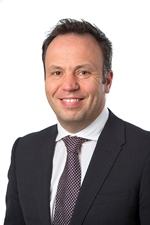 | Dr Tim Crozier Tim Crozier is an adult intensivist and physician with an interest in education, clinical leadership and research, who is currently completing the final year of a Master of Public Health degree at Monash University. Tim is an adjunct senior lecturer involved with both undergraduate and post graduate teaching, and is a member of both the National Examination Panel of the Royal Australasian College of Physicians and the National Board of Examiners for the Fellowship (Part 2) Examination of the College of Intensive Care Medicine. His main areas of clinical and research interest are in the areas of Obstetric intensive care, end-of-life and palliative care within the ICU and management of the circulation. |
 | Dr Mark Hurley Mark Hurley is a member of the Senior Medical Staff, Monash Medical Centre, Department of Anaesthetics. His interests include Cardiac Anaesthesia, Echocardiography, and Obstetric Anaesthesia. He is currently involved in facilitating the ATACAS trial. |
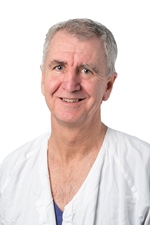 | Dr Brendan Ingram Deputy Director of Anaesthesia & Perioperative Medicine Brendan has been at Monash Medical centre for 25 years, his areas of interest include cardiothoracic anaesthesia, Emergency Response, Obstetrics, Anaesthetic training and simulation. Find out more about Dr Brendan Ingram. |

| Dr Caroline Killick Caroline Killick is a consultant in intensive care at Monash Medical Centre in Melbourne, a unit dedicated to the care of critically ill adults and children. She trained initially in Paediatric and Neonatal intensive care in the UK and expanded her repertoire to adult intensive care whilst gaining her fellowship in Australia. Special interests include junior medical staff education. |
 | Dr David Ku David Ku is an Intensivist at Dandenong Intensive Care Unit, with a keen interest in peri-operative care, collaborative education and translating research into innovative practice. During his visits to the United States, he developed an interest in long term consequences of ICU patients, and implementing strategies to achieve improved functional outcomes for the medium to long term critically ill. He currently serves as the Victorian State Secretary for the Australian and New Zealand Intensive Care Society (ANZICS), and chairs the Victorian Intensive Care Education Network (VICEN). David will be the deputy convenor for the World Congress of Intensive and Critical Care Medicine (WFSICCM) in Melbourne, 2019. |
 | Dr Jennifer Lucas Jennifer Lucas is a consultant anaesthetist. Her clinical responsibilities include neurosurgery, ENT and renovascular surgery, urology, obstetrics, orthopaedics and emergency theatre. She has special interests in transthoracic echocardiogram (TTE) and it’s application peri-operatively, exploring its value in managing patients’ haemodynamic and fluid status. As well as teaching anaesthetic trainees, Jennifer has initiated and managed a number of clinical audits and is currently MMC primary investigator for the NHMRC ANZCA supported Balanced trial. |
 | Dr Evangelyn (Vangy) Malkoutzis Vangy Malkoutzis is Deputy Director of the Department of Anaesthesia, Monash Medical Centre, Clayton and Head of Obstetric Anaesthesia. She has a special interest in high risk obstetric anaesthesia, neuroanaesthesia and anaesthesia for laryngeal surgery. |
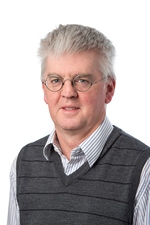 | Dr Craig Noonan Deputy Director of Anaesthesia and Perioperative Medicine. Craig has been at Monash health for 15 years and plays an active role in education. His interests include ENT, Cardiothoracic Anaesthesia and Information Technology. Craig is also active within the College of Anaesthetists, having involvement with the primary exam, the Victorian Regional Committee and the Training Accreditation Committee. |
 | Dr Felix Oberender Find out more about Dr Felix Oberender. |
 | Dr Luke O’Halloran Luke O’Halloran is Deputy Director Monash Anaesthesia and Head of Cardiac Anaesthesia at Monash Medical Centre, Clayton campus. His primary interests are cardiac anaesthesia and echocardiography, airway management in anaesthesia, new equipment in anaesthesia, teaching and research. Luke's other positions include chair of Monash Health Resuscitation Committee and Monash Anaesthesia Surgical Airway Training lead facilitator. |
 | Dr Paul Ritchie Paul Ritchie is a Consultant Adult and Paediatric Intensivist and has worked at Monash Medical Centre for 11 years. He leads ICU Registrar teaching and is also the co-ordinator and lecturer of the Monash Basic Course. Paul has been actively involved in research in Intensive Care Medicine participating in a number of ANZICS Clinical Trials Group studies, pharmaceutical and investigator driven studies. His areas of interest include sedation in the critically ill and care of post-cardiac arrest patients. |
 | Kate Shepherd Kate Shepherd is Research Coordinator at Dandenong Intensive Care Unit. With a background in intensive care nursing, Kate has held a range of clinical positions in intensive care. Kate has an interest in quality and safety and has worked with Monash Health Quality and Innovation as Quality Coordinator for critical care. Her current role involves research and quality in the ICU at Dandenong. |
 | Dr Gopal Taori Gopal Taori is a Senior Intensive Care Specialist at Monash Health. He is a clinical lead for Donate Life team at Monash Medical Centre as well as CALD working group at Donate Life Victoria. Named in 2008 as the “Best Young Researcher of the year” at the Asia Pacific Critical Care congress held in Sydney, Gopal has keen interest in number of aspects of critical care research including long term outcomes, toxicology, organ donation and family conversation particularly in culturally diverse society. In 2013/2014, Gopal was nominated by the Organ and Tissue donation Authority as a leader having successfully led a culture change to improve organ and tissue donation rate at Monash Health. |
 | Dr Sanjiv Vij Sanjiv Vij is a senior specialist in Intensive Care Medicine at Monash Health, Dandenong Intensive Care Unit. Sanjiv is actively involved in training, teaching, and education as well as research, quality and governance. Sanjiv holds the unit’s Research portfolio as site investigator for the Australian and New Zealand Intensive Care Society Clinical Trials Group (ANZICS CTG). He also served as the Deputy Chair of Victoria for the College of Intensive Care Medicine (CICM). He is a member of VICNISS advisory committee. He has an interest in critical care imaging in both echocardiography and ultrasound. His other areas of interest are pain management and airway management in critical care. He continues to lecture at post graduate and under graduate level for Monash Medical School throughout Monash Health. |
Research activities
View
Professor Yahya Shehabi leads the research team and activities.

A/Prof David Earnest with a patient
ICU studies - Clayton
SCARLET STUDY: (ART-123 Study): A Randomised, Double-Blind, Placebo-Controlled, Phase 3 study to assess the Safety and Efficacy of ART-123 in Subjects with Severe Sepsis and Coagulopathy.
Principal Investigator: A/Prof David Ernest
VITAL Study: A Phase 3 Randomised Double-Blind Study Comparing TR701 FA and Linezolid in Ventilated Gram Positive Nosocomial Pneumonia.
Principal Investigator: A/Prof David Ernest
INHALE 1 Study: A Prospective, Randomized, Double-Blind, Placebo-Controlled, Multicentre Study to Evaluate the Safety and Efficacy of BAY 41-6551 as Adjunctive Therapy in Intubated and Mechanically-Ventilated Patients with Gram-Negative Pneumonia.
Principal Investigator: A/Prof David Ernest
TRANSFUSE Study: Standard issue transfusion versus fresher blood cell in Intensive Care, a randomised controlled trial.
Principal Investigator: A/Prof David Ernest
Adrenal Study: A Randomised blinded placebo controlled trial of hydrocortisone in critically ill patients with Septic Shock.
Principal Investigator: Dr Tim Crozier
SPICE Study: Early goal-directed sedation compared with standard care in mechanically ventilated critically ill patients: a prospective multicentre randomised controlled trial.
Principal Investigator: Dr Paul Ritchie
Nebulised Heparin: Nebulised Heparin for Lung Injury. A Multi-centre, randomised, double –blind, placebo-controlled trial.
Principal Investigator: Dr Tim Crozier
OMT Study: Peri-operative Evaluation of Sedation depth in Cardiac Surgery: Validity and Reliability of Ocular Micro-Tremor (OMT)
Principal Investigator: Dr Luke OHalloran
Sedation Practice in Intensive Care Evaluation (SPICE) Program: The SPICE Program is the largest research program on ICU sedation and delirium management ever conducted. It is a multinational multicenter program, endorsed by the ANZICS CTG, commenced in 2010 with recruitment in SPICE III well underway in 4 continents. The SPICE program provides many opportunities for sub-studies on delirium, PTSD, cognitive function, mobility and kinetics. As the Chief Investigator of the SPICE program, Professor Shehabi has personally conducted site trainings in Malaysia, Singapore Saudi Arabia, China, United Kingdom and ANZ throughout the SPICE program. This has led to a paradigm shift in sedation management in ICUs in Australasia. The results of the SPICE program will change sedation practice in ICUs around the world.
SPICE III funded by a NHMRC Project Grant 2013-2018, investigates the clinical effectives of an innovative process of care Early Goal Directed Sedation (EGDS) compared with Conventional standard care in mechanically ventilated critically ill patients on 90 day all-cause mortality, cognitive decline and institutional dependency at 12 months following randomisation. Multiple secondary outcomes are also investigated, importantly the incidence and duration of delirium, ventilation free time and post traumatic stress.
SPICE I and II were funded by an unrestricted competitive Grant-In-Aid from Hospira Inc. USA. SPICE I was a multicenter multinational observational study to establish current sedation practice and identify drivers of poor outcome. Deep sedation in the first 48 hours was found to independently predict 6 months mortality. SPICE II was a pilot RCT to test the feasibility of delivering EGDS and if EGDS reversed the pattern of deep sedation in the first 48 hours.
Principal Investigator: A/Prof David Ernest
Sepsis Biomarkers, Procalcitonin in Critically Ill Patients with Presumed Sepsis: Procalcitonin (PCT) is a widely investigated sepsis biomarker with undefined utility in ICU patients. The first multicenter trial (outside Europe) to examine its utility in ICU patients was conducted in 12 ICUs around Australia and funded by a competitive funding from the ANZ Intensive Care Foundation of A$109,000. In addition PCT machines from different vendors to the 12 participating sites were procured. The study was completed and published in the AJRCCM 2014. The ProGUARD RCT suggested that a hospital wide approach of PCT provides a rich environment for future research, including the use of PCT in clinical algorithm for antibiotic stewardship, identification of covert sepsis, secondary infections.
Principal Investigator: Prof Yahya Shehabi

ICU studies - Dandenong
SPICE Study: Early goal-directed sedation compared with standard care in mechanically ventilated critically ill patients: a prospective multicentre randomised controlled trial.
Principal Investigator: Dr Sanjiv Vij
TRANSFUSE Study: Standard issue transfusion versus fresher blood cell in Intensive Care, a randomised controlled trial.
Principal Investigator: Dr . Sanjiv Vij
IMPLEMENTATION OF THE PAIN, AGITATION AND DELIRIUM (PAD) GUIDELINES INTO AN AUSTRALIAN ICU
Principle Investigator – Dr David Ku

Anaesthesia research activities - Clayton
The role of alpha2 agonists in high risk cardiac surgery: This program is a collaborative program with Cardiac surgery, cardiac anaesthesia, intensive care and nephrology. It is a collaborative project with multiple sites including the National Heart Institute in Kuala Lumpur. The concept and design of an RCT examining the role of alpha2 agonist dexmedetomidine on Major Adverse Kidney Events (MAKE) including 28 days mortality, dialysis or persistent AKIN II-III Acute Kidney Injury in high risk cardiac surgery has been developed following an observational study. This study showed a significant reduction in AKI, delirium and time to extubation in patient treated with dexmedetomidine. Nested within the RCT, an AKI biomarker profile assessment study will be conducted to predict early recognition of AKI and recovery from renal injury/failure. This RCT is a multinational multicenter project currently in the preparation phase.
Principal Investigator: Prof Yahya Shehabi
The electrophysiology of sedation and Anaesthesia: The role of OMT In the absence of gold standard, current methods of monitoring depth of patient sedation or anaesthesia are either subjective or do not provide a direct measurement for brainstem function. Ocular Micro-Tremor (OMT) is a possible objective alternative to the current standard of care. OMT is a fine high frequency tremor of the eyes caused by extra-ocular muscle activity stimulated by constant impulses emanating in the brainstem. OMT is present in all individuals when the eyes are at rest and clinical studies have shown that a patient’s OMT frequency and amplitude throughout a general anaesthetic may provide reliable information regarding a patient’s level of consciousness.
Clinical sedation scoring systems and subjective assessments do not allow continuous monitoring of patients under sedation. Furthermore, assessments are subject to interpretation by clinicians and are not applicable at deeper levels of sedation when patients cannot respond. Bispectral Index (EEG-based BIS) monitors, a measure cortical activity, have gained some adoption in surgery, but are not accurate and exhibit significant variability for agent, patient and temperature.
Principal Investigator: Prof Yahya Shehabi
The BALANCED Anaesthesia Study: A prospective randomised clinical trial of two levels of anaesthetic depth on patient outcome after major surgery.
Principal Investigator: Dr Jennifer Lucas
ECHOPAC: Agreement in measurement of cardiac output by 2-Dimensional and 3-Dimensional trans oesophageal ECHOcardiography and Pulmonary Artery Catheter thermo dilution during cardiac surgery (ECHOPAC)
Principal Investigator: Dr Martin Kim and Dr David Canty
The GAS Study: A multi-site RCT comparing regional and general anaesthesia for effects on neurodevelopmental outcome and apnoea in infants.
Principal Investigator: Dr Mark Fagjman
The PADDI Trial: The Perioperative Administration of Dexamethasone and Infection.
Principal Investigator: Dr Luke O’Halloran
PINBALL: Prophylactic Intra-aortic BALLoon Counterpulsation in High-Risk Cardiac Surgery: an inception cohort study
Principal Investigator: Professor Julian Smith
The RELIEF Trial: Restrictive versus LIbEral Fluid Therapy in Major Abdominal Surgery.
Principal Investigator: Dr Barbara Rodriguez and Dr Lyndon Siu
The impact of mini-CEX on supervision and training: MiniCEX is now a compulsory workplace-based assessment in anaesthesia training in Australia and New Zealand. This mixed-methods project is a collaboration with the University of Auckland. The project involves reliability analysis of trainees’ mini-CEX scores as well as interviews and surveys exploring trainees’ and supervisors’ understanding and experience of mini-CEX and its impact on learning and supervision.
Principal Investigator: Dr Damian Castanelli
Implementation of the intrinsic ANZCA Roles in Practice: The ‘Roles in Practice’ framework was introduced into the revised Australian and New Zealand College of Anaesthetists’ curriculum in 2013. This project will investigate the level of educator understanding of these newly prominent intrinsic Roles in Practice and how they are being taught in anaesthetic departments in Australia and New Zealand, if those responsible for supporting registrar training have access to teaching resources in these curriculum areas, and if they would value the development of such resources.
Principal Investigator: Dr Damian Castanelli

Anaesthesia Research Activities – Dandenong
RELIEF: A restrictive fluid regimen for adults undergoing major abdominal surgery leads to reduced complications and improved disability-free survival when compared with a liberal fluid regimen. A comparison of restricted versus liberal fluids in randomly assigned patient groups undergoing abdominal surgery, with follow up measuring disability free survival over 1 year.
Principal Investigator: Dr Richard Bulach
Associate Investigator: Dr Ashit Das
BALANCED: A prospective randomised clinical trial of measuring 2 levels of depth of anaesthesia, influencing patient recovery after surgery.
Principal Investigator: Dr Richard Bulach
Associate Investigator: Dr Ashit Das
PADDI: The study aims to definitely establish the safety profile of dexamethasone in the perioperative setting. Specifically, it will address the impact of dexamethasone on surgical site infection (primary outcome) and will be stratified according to diabetic status.
Principal Investigator: Dr Richard Bulach
Associate Investigator: Dr Glyn McHutchison.