Making Process

How Monash Batik is Made
Monash Batik is the result of time-honoured craftsmanship, community collaboration, and cultural respect. Created by over 200 artisans in Pekalongan, Central Java, this initiative connects Monash’s global identity with Indonesia’s heritage. Each piece is handcrafted over months using traditional methods passed down through generations, resulting in a Batik that is both meaningful and deeply personal.
Pekalongan, a vibrant city on the north coast of Central Java, is celebrated as the city of Batik. With a population of around 300,000, it is home to a diverse, multicultural community that actively celebrates artistic traditions through exhibitions, parades, and cultural events. In 2011, Pekalongan officially adopted the tagline "Pekalongan: World’s City of Batik" as part of its 105th anniversary celebration. The city’s deep-rooted Batik tradition, both hand drawn and stamped, plays a vital role in its economy, education, and identity. This commitment led to Pekalongan’s recognition in 2014 as Southeast Asia’s first member of UNESCO’s Creative Cities Network. Its renowned Batik Museum and local workshops have been internationally acknowledged for preserving intangible cultural heritage. Through culture-based development, especially in the Batik industry, Pekalongan empowers its citizens—especially women—by creating sustainable income opportunities and enriching community life, making it a leading example of how heritage can fuel inclusive progress.
Tradition in Motion: The Making of Monash Batik
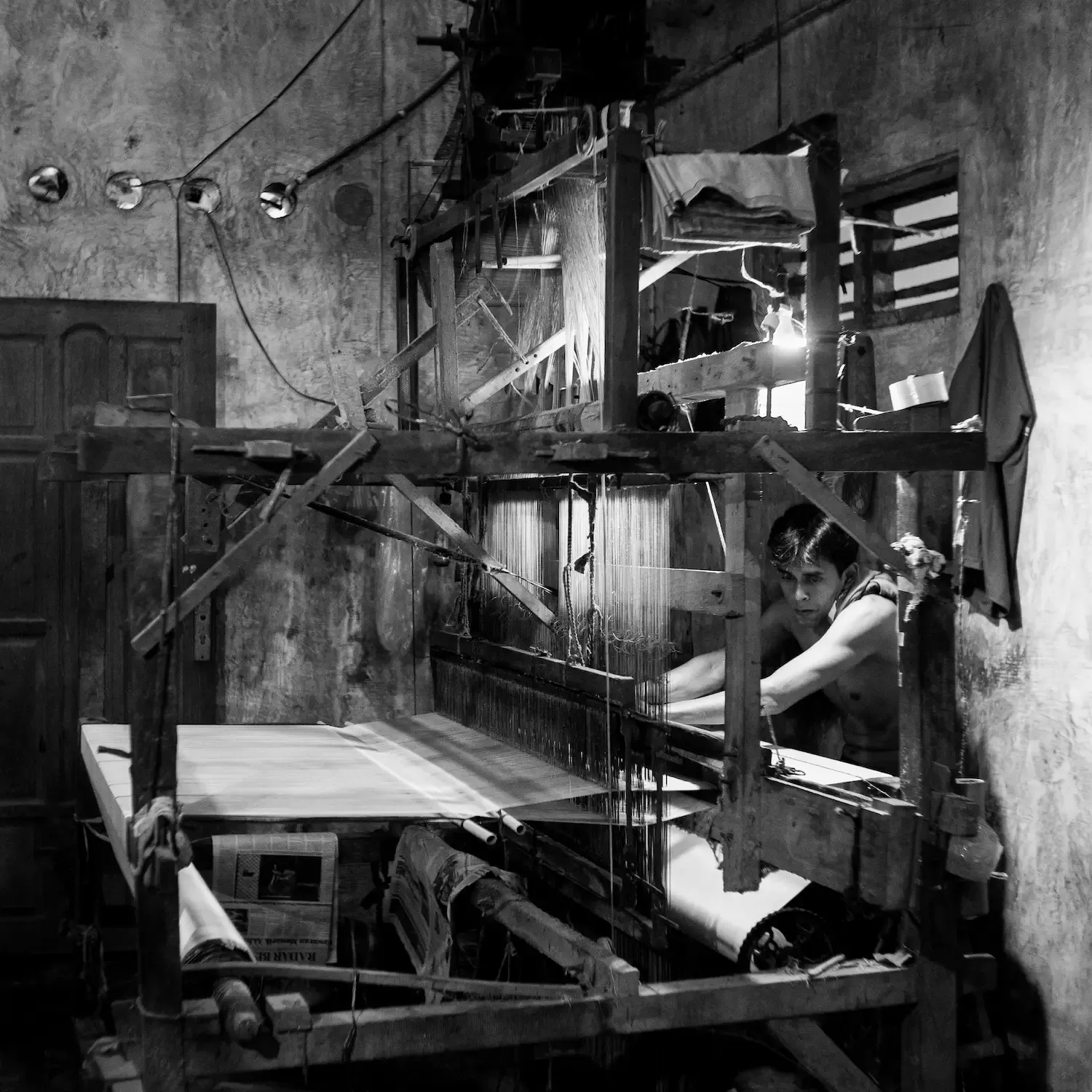
1. Tenun
Every fabric is patiently handwoven, thread by thread, by skilled artisans without the use of machines. Bringing life to each piece through dedication and craftsmanship.

2. Batikan
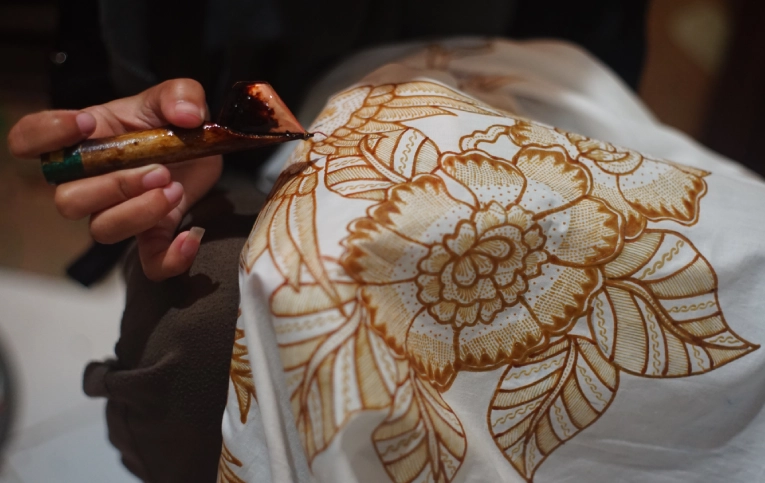
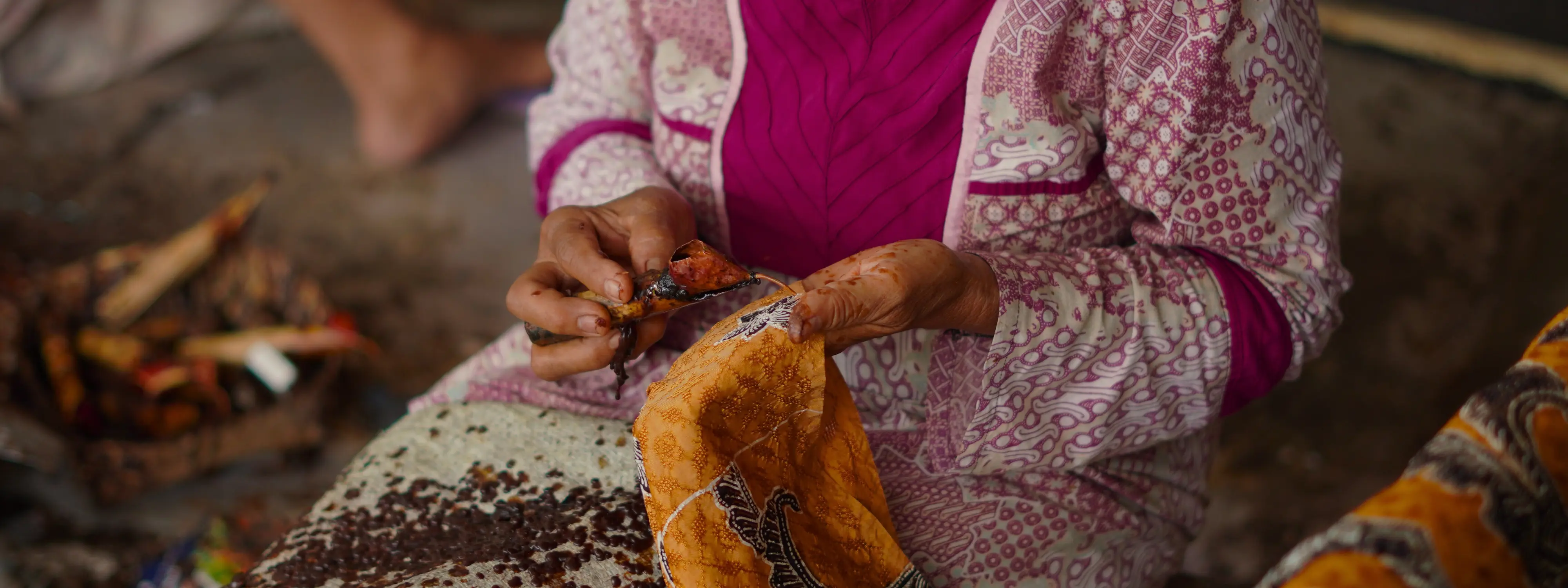
The batikan process then follows, where artisans use a canting to trace patterns in malam (wax), creating a protective barrier that prevents the covered areas from absorbing dye during the coloring process.
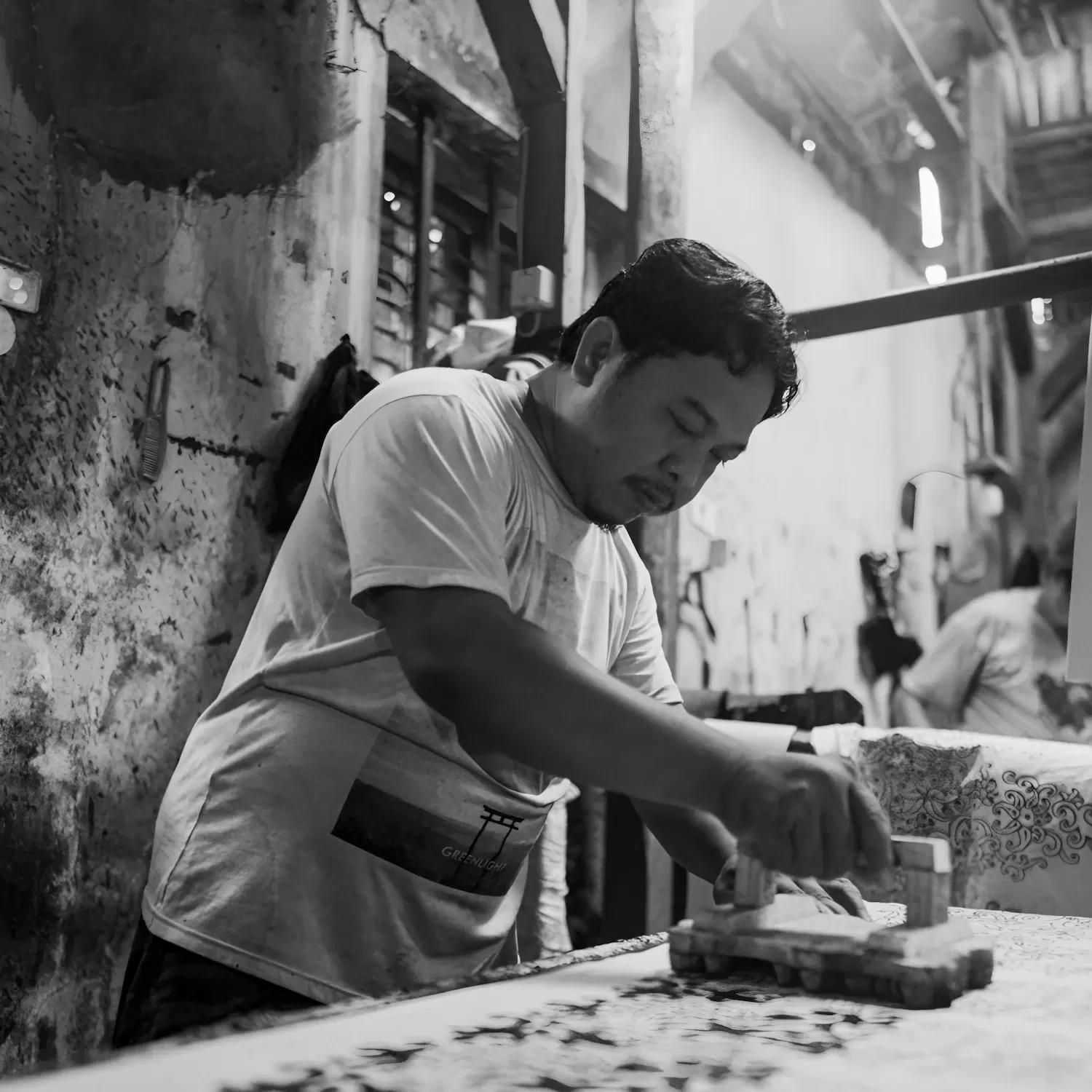
3. Cap
Another alternative for applying malam is the stamp method, which uses handcrafted copper stamps to apply wax with greater efficiency, creating patterns that tend to be more repetitive.

4. Colet
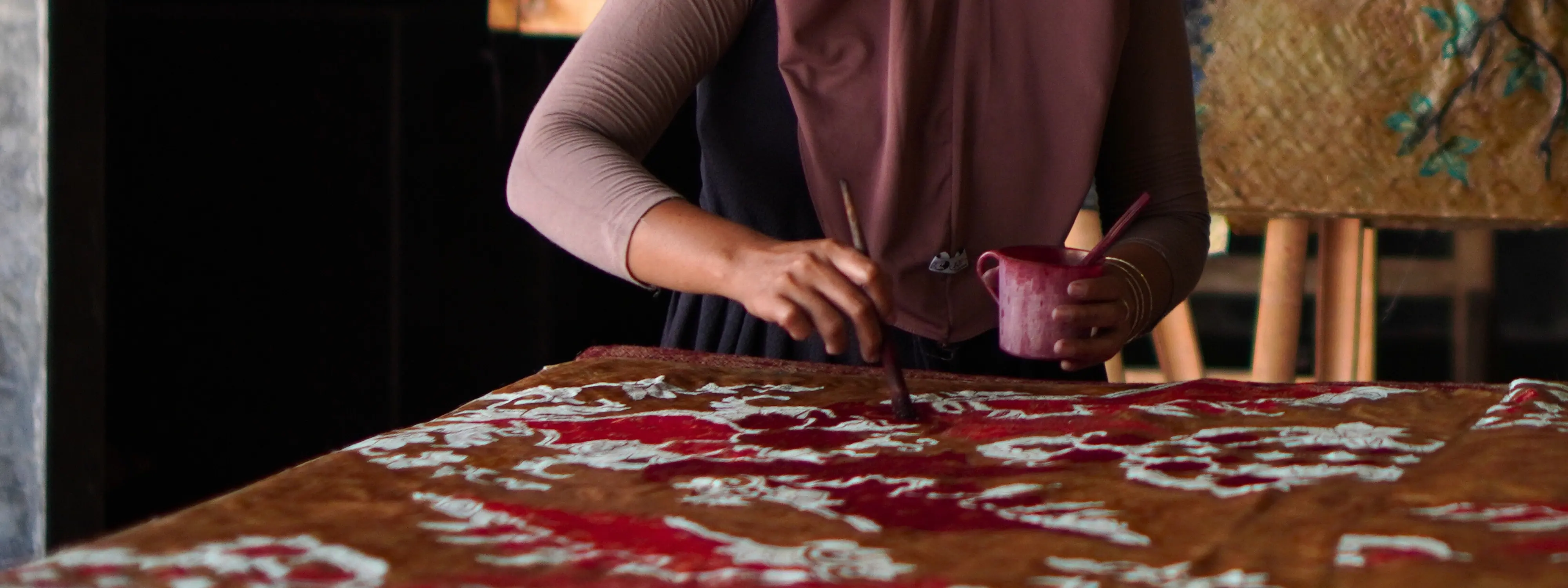
With the wax barrier in place, artisans brush vibrant hues onto the fabric’s most intricate parts during the colet process.
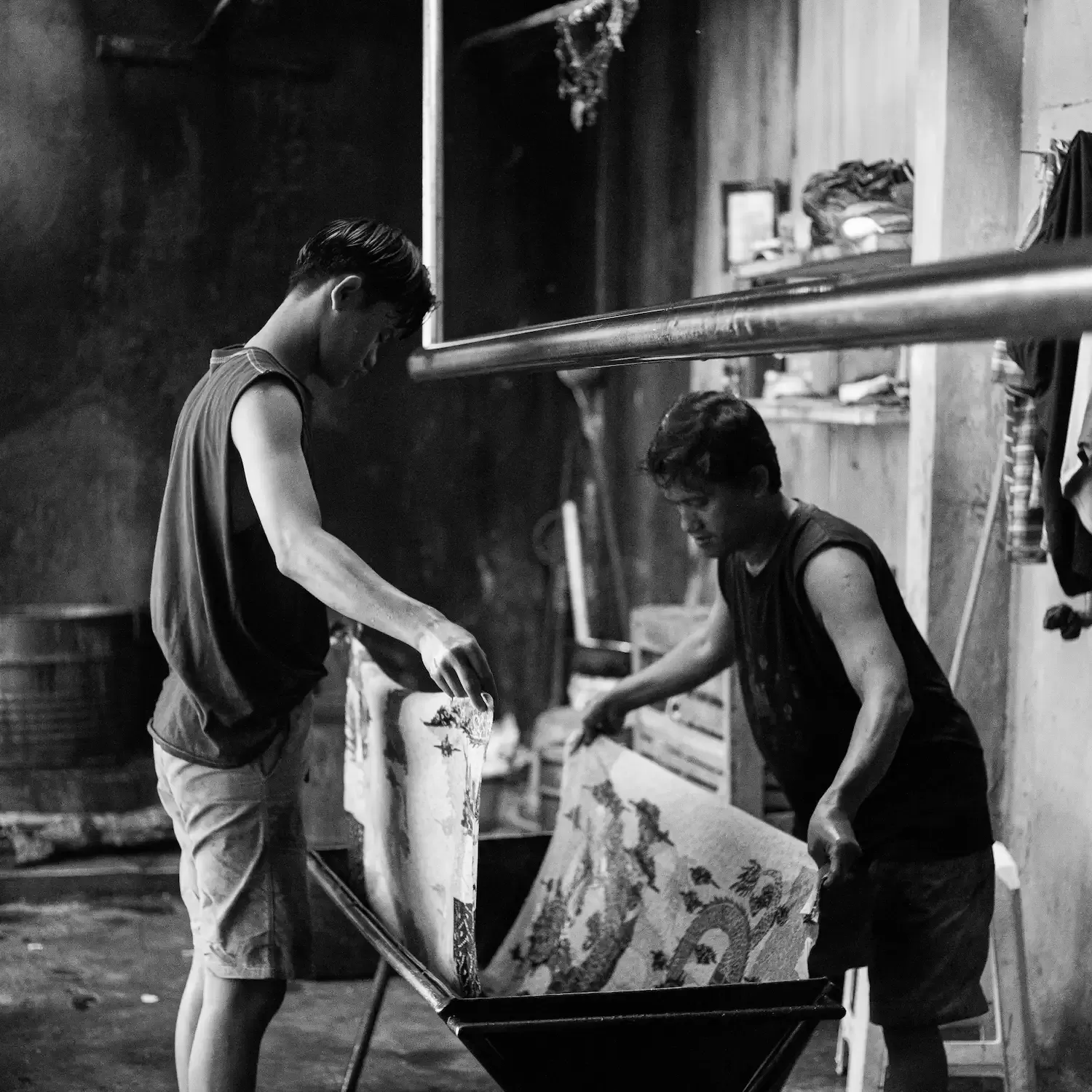
5. Celup
Both drawn and stamped batik undergo a dyeing process through immersion in a dye bath, which involves layering color through multiple dye baths.

6. Lorod
The lorod process involves boiling the fabric to remove the wax, revealing the vibrant batik patterns underneath. Afterward, the fabric is carefully dried to preserve the colors and texture.