
Education Awards
The Faculty of Science Education Awards category recognises exceptional contributions to teaching, learning, and student engagement across the Faculty. These awards also celebrate student achievements in leadership, science communication, and academic performance.
Dean’s Award for Excellence in Teaching
View

This award recognises outstanding teaching that enhances student learning through innovative, engaging and evidence-informed educational practice.
Individual Category
The nominees are:
-
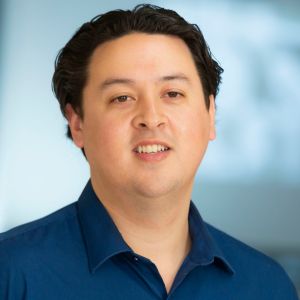
Thomas developed Mito, a Socratic AI learning companion designed to provide personalised support to around 2,200 first-year biology students across Australia and Malaysia. Rather than simply providing answers, Mito uses guided questioning to encourage reasoning, self-explanation and independent learning. Introduced across BIO1011 and BIO1022 in Semester 1, 2026, the chatbot facilitated more than 12,000 student interactions, extending support beyond normal teaching hours and demonstrating how generative AI can be used to deliver evidence-based educational practice at scale.
-
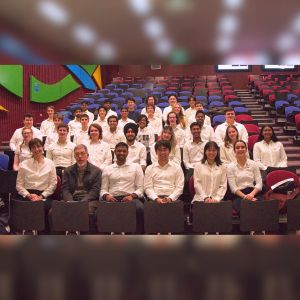
Alina founded the Monash High Altitude Balloon team, creating an ambitious, student-led learning environment built around authentic scientific missions. More than 60 students from Science, Engineering, Information Technology, Business and Finance, Law and Arts collaborate to design, build and launch scientific payloads into near space. Students develop technical expertise, leadership and professional skills while taking responsibility for real mission outcomes. The initiative has attracted significant support across Monash and created connections with national and international space and research organisations.
Team Category
The nominees are:
-
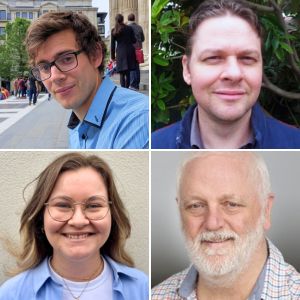
The CHM2922 teaching team has transformed Spectroscopy and Analytical Chemistry through a four-year redevelopment integrating lectures, laboratories and assessment into a coherent learning experience. The team introduced interactive workshops, scaffolded laboratory activities, real-world case studies and authentic assessment, including a Moot Court in which students defend scientific evidence as expert witnesses. Continuous evaluation and curriculum refinement have produced sustained improvements in student engagement and satisfaction, while enrolments in the unit have more than doubled since 2022.
-
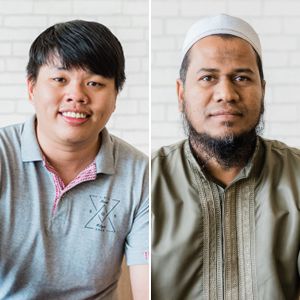
Wee Wei and Zobaer have transformed statistics and bioinformatics education through innovative approaches to gamification and interactive learning. Their educational board games Learnux and Kingdom of Stats turn challenging Linux commands and statistical concepts into engaging learning experiences, while their use of H5P technology promotes active participation in online learning. Evaluation has demonstrated improved student learning and performance, and their innovations have been incorporated across undergraduate teaching, workshops and outreach activities while attracting educational research funding and external recognition.
-
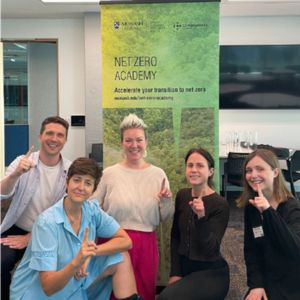
The Net Zero Academy brings together expertise from across Monash to translate climate and sustainability research into professional education for people leading the transition to net zero. Its interdisciplinary programs combine climate science, economics, finance, policy, governance and organisational change with authentic workplace challenges and practitioner expertise. Since launching in mid-2024, the Academy has delivered 18 programs across three Australian states and Vietnam to more than 400 participants, helping professionals apply scientific evidence and practical frameworks to sustainability and organisational decision-making.
Dean’s Award for Diversity and Inclusion in Education
View
This award recognises programs that enhance student learning through innovative curriculum design, authentic learning experiences and initiatives that strengthen engagement, capability and connection.
Individual Category
The nominee is:
-
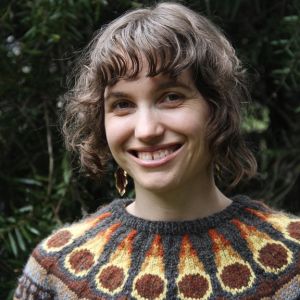
Rachel has transformed the student experience in geoscience through an inclusive and student-centred approach to education. Her teaching proactively addresses barriers to participation, particularly during field-based learning, creating environments in which students from diverse backgrounds feel supported, valued and able to participate fully.
Rachel has also embedded Indigenous knowledge and perspectives throughout the geoscience curriculum. By bringing Indigenous and Western scientific knowledge together in meaningful and respectful ways, she encourages students to consider different ways of understanding landscapes and the natural world. Her approach has contributed to outstanding student feedback, increased engagement and progression, and a strong culture of belonging within the School of Earth, Atmosphere and Environment.
Team Category
The nominee is:
-
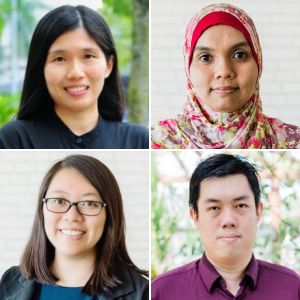
The team has developed an inclusive workshop series to support first-year science students as they transition to university learning. The workshops build foundational skills in scientific writing, data presentation and interpretation, and the responsible and ethical use of generative AI, while accommodating students with different educational, cultural and linguistic backgrounds.
Delivered every semester since 2024 and now incorporated into the School of Science orientation program, the initiative has supported more than 500 students. Workshop participants performed significantly better than non-attendees on their first written assessment in most semesters studied, with particularly strong results among international students. Through flexible, hands-on learning and multiple opportunities for participation, the program helps students develop the skills, confidence and sense of belonging needed to succeed in their first year of university study.
Dean's Award for Programs that Enhance Learning
View
This award recognises programs that enhance student learning through innovative curriculum design, authentic learning experiences and initiatives that strengthen engagement, capability and connection.
The nominees are:
-
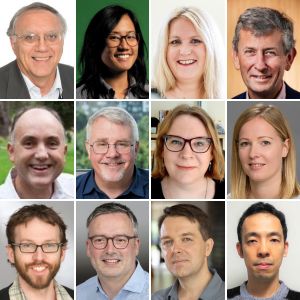
The Master of Green Chemistry and Sustainable Technologies is the first degree of its kind in Australia and the Southern Hemisphere, combining advanced chemistry with sustainability, industry engagement, business innovation and societal impact. Students tackle authentic sustainability challenges through industry consultancy projects and develop skills spanning green chemistry, sustainable technologies, entrepreneurship and emerging technologies. The program has grown to more than 50 students, established partnerships with more than 15 companies and created pathways into industry, doctoral research and international study, including collaboration with the University of Padova.
-
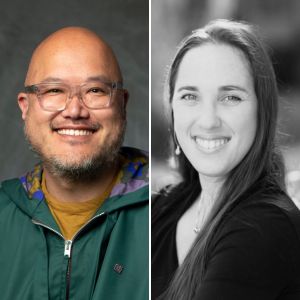
The Master of Environment and Sustainability has developed an integrated student support and learning ecosystem designed to strengthen belonging, agency and professional development across its diverse cohort. Initiatives include mentoring networks, interactive learning roadmaps, co-curricular events, a Student Advisory Board and resources that help students navigate internships and research pathways. The approach has contributed to increased student belonging and completion intentions, a 250 per cent increase in research thesis enrolments and growing numbers of self-sourced internships. The program reports an 89 per cent graduate employability.
Dean's Award for Excellence in Honours Supervision
View
This award recognises excellence in Honours supervision, including the development of students as independent researchers, mentoring and career support, and the creation of high-quality and supportive research environments.
The nominees are:
-
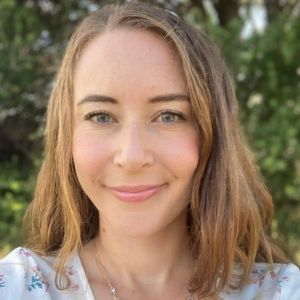
Scarlett takes a student-centred and highly individualised approach to Honours supervision, combining clear expectations, regular mentoring and tailored opportunities that support each student’s research and longer-term goals. Students are encouraged to develop independence and confidence while becoming active members of a supportive research community.
Since 2021, all seven Honours students Scarlett has supervised to completion have achieved H1 results, with an average final score of 89 per cent. Her former students have progressed into PhD research, veterinary medicine and biodiversity conservation, while Honours research from her group has also led to student-led publications in leading journals.
-
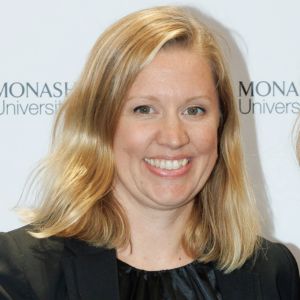
Ailie’s approach to Honours supervision combines teaching, mentoring and coaching, embedding students as valued members of her research team and tailoring their experience to their individual skills, interests and career aspirations. Through individual supervision, structured group mentoring and technical training, she supports students to build confidence and independence as emerging researchers.
Ailie also connects students with industry, government and research networks, providing opportunities to understand how their research contributes to real-world decision-making. Across nine Honours students she has achieved a 100 per cent completion rate and an average grade of 85.1, with graduates progressing into research and competitive professional roles.
Dean's Student Award Science Leadership and Communication
View
This award recognises outstanding student contributions across leadership, enterprise, external engagement, science communication and master’s research impact.
The nominees are:
-
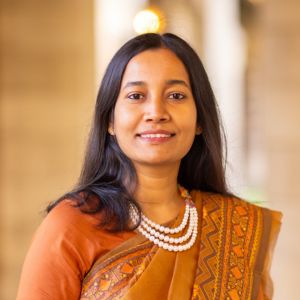
Kaniz’s Masters research examines how communities participate in disaster governance in Bangladesh and whether formal inclusion translates into meaningful influence over decisions affecting preparedness, safety and resilience.
Combining national disaster-management policy analysis with interviews in Nabagram Union, she investigated how institutional arrangements operate in practice. Her research found that communities can play significant roles in warning dissemination, preparedness, evacuation and relief while having substantially less influence over planning priorities, resource allocation and accountability.
-
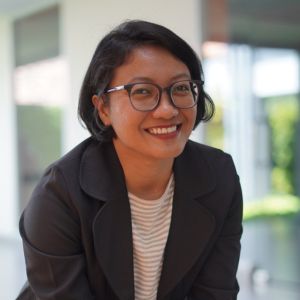
Eva has demonstrated sustained leadership in food sustainability and the circular economy, translating her commitment to reducing food waste into practical community impact. She established a food recovery organisation and has continued to develop initiatives that connect sustainability principles with real-world action and community engagement. Her work demonstrates an approach to science leadership grounded in practical solutions, bringing together environmental sustainability, food systems and community participation.
-
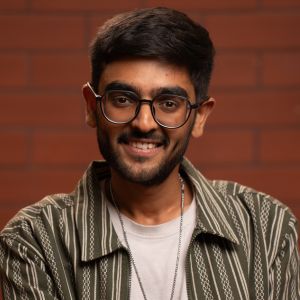
Mohak is a Master of Environment and Sustainability student whose science communication spans environmental education, conservation, renewable energy, community engagement and digital storytelling.
As a STEM Science Educator at Gujarat Science City in India, he reached around 2,500 students across eight schools through climate and science activities. With the Voluntary Nature Conservancy, he contributed to Mugger crocodile conservation, wetland awareness and community outreach. In Australia, Mohak has communicated renewable-energy concepts to more than 300 visitors a day through Energy Matters and engaged more than 400 people in recycling and waste reduction through Zero Waste Victoria.
-
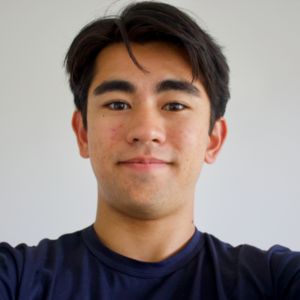
Jack has demonstrated outstanding leadership as Chief Science Officer and Head of the Science Division of the Monash High Altitude Balloon program, helping establish its scientific direction and create authentic undergraduate research opportunities.
Following MHAB’s shortlisting for the BEXUS program, Jack represented the team in Amsterdam, engaging with the European Space Agency and European stratospheric balloon teams. He also initiated a collaboration with Swinburne University that provided MHAB with a scintillator muon detector for a near-space particle-detection payload and helped secure two days of testing at the Australian Nuclear Science and Technology Organisation.
-
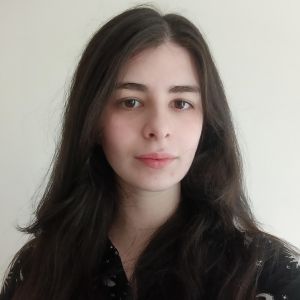
Alexa has demonstrated a commitment to youth mental health advocacy, community engagement and service through volunteering and initiatives focused on supporting young people.
Her activities include volunteering with headspace and Youth Support + Advocacy Service, contributing to organisations working directly with young people and their wellbeing. In the Mornington Peninsula community, she has participated in initiatives and fundraising activities designed to strengthen support and awareness around youth mental health.
-

Catherine is a Bachelor of Science student majoring in Physiology and Anatomy and Developmental Biology whose contribution spans peer mentoring, research experience, science communication and community service.
As an Access, Inclusion and Success peer mentor at Monash, she supports students transitioning to university by providing guidance, sharing study strategies and helping foster a sense of community. She also participated in Monash’s intensive Research, Experimentation and Discovery program, collaborating on a research problem and presenting the team’s outcomes.
-
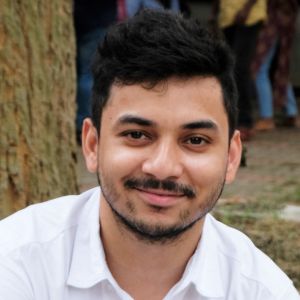
Tirthankar is a PhD student in Earth Sciences whose research, leadership and science communication focus on climate-driven glacier change and its consequences for vulnerable communities. His research in the Himalayas addresses water security, flooding, erosion and hazards affecting communities dependent on glacier melt.
Tirthankar is an Ambassador for ICIMOD’s Save Our Snow campaign and a Core Committee member of the International Glaciological Society’s Early Glaciologist Group. His science communication includes a *Nature* Comment on Himalayan snow deficits, contributions to the Cryo-Climate Blog, podcast appearances and public lectures. Through these activities, he connects cryospheric research with public understanding, policy challenges and the communities most exposed to climate change.
-
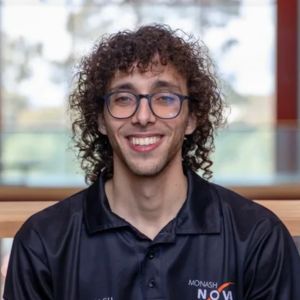
Jared is an Astrophysics Honours student whose contribution combines scientific research, student leadership, inclusion and outreach.
Through his involvement with Nova Rover, Monash University’s student-led planetary robotics program, Jared has contributed to a large interdisciplinary initiative that enables students to apply scientific and technical knowledge to complex challenges. His broader student leadership has focused on making science more accessible and connecting students with opportunities beyond their formal coursework.
-
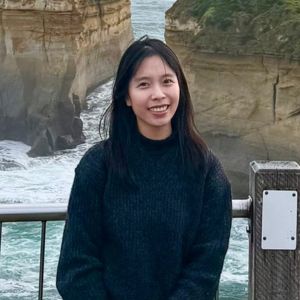
Vi’s Masters research investigated an under-characterised aspect of agricultural nitrogen cycling by examining dissolved urea in drainage systems across seven Victorian dairy farms.
She analysed 105 environmental samples and detected urea in every sample, identifying significant differences between farms. Experimental work also provided evidence of a potential transformation pathway between urea and ammonium. By examining individual nitrogen species rather than relying solely on aggregate measures, her research provides a more chemically resolved picture of how nitrogen behaves within agricultural drainage environments.
-
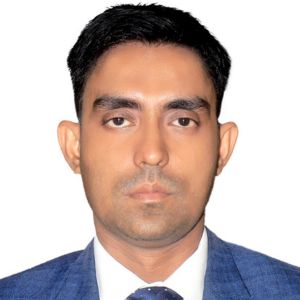
Md Al Mamun’s Masters research created a national evidence base for Australian home energy upgrade initiatives, examining programs led by local governments and community organisations and identifying how different models support households to improve energy efficiency. After examining around 220 potential initiatives, he developed a validated dataset of 60 programs using documentary research, 40 practitioner interviews and organisational validation. From this work, he developed a six-model framework showing how initiatives organise advice, finance, supplier access and household support.
-
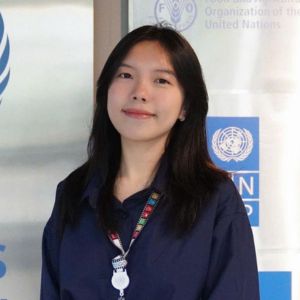
Angie is a Master of Environment and Sustainability student whose work combines science communication, evidence-to-policy translation, regional engagement and youth leadership across Australia and Southeast Asia.
As Podcast Director of AASYP on Air, an initiative of the ASEAN-Australia Strategic Youth Partnership, Angie leads a multicultural team of seven young people across Asia and Australia. Under her leadership, the team has designed 30 episodes addressing climate change, energy transition, sustainability, gender-based violence, cultural engagement, trade and ASEAN-Australia relations.
Dean's Student Award for Community and Culture
View
This award recognises students who make an outstanding contribution to the Faculty of Science community and culture through leadership, service, inclusion, community-building and engagement.
Individual Category
The nominees are:
-
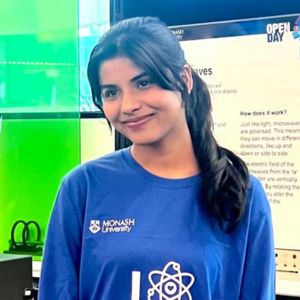
Tejasvi has built community through mentoring, student representation, outreach and volunteering in Australia and India. As a Monash Student Advisor, she has mentored around 30 students and contributed to more than 30 community events and catch-ups. She has also represented students on the Faculty’s Academic Progress Committee and contributed to SPAM and Science Open Day. Before coming to Monash, Tejasvi volunteered in Jaipur, teaching mathematics, English and science to around 40 underprivileged children each week, a commitment she continues when returning to India.
-

Mima has contributed to community wellbeing through volunteering, student engagement and health and science outreach. She volunteers at Meow & Friends Community Vet, supporting accessible veterinary care for families experiencing financial barriers, and has volunteered with Monash Teddy Bear Hospital to help children build confidence and health literacy. As an Undergraduate Officer with Students of Brain Research, Mima helped connect students with researchers and industry professionals, and through the Monash RED program she contributed to a multidisciplinary project focused on preventing Sudden Unexpected Death in Infancy.
-
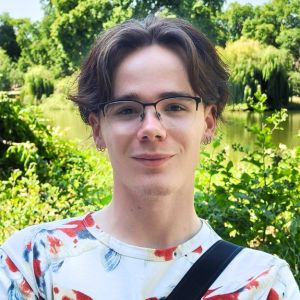
Leith has made an outstanding contribution to student life through leadership, mentoring and community-building across the Faculty of Science. He led the revival of the Monash Atmospheric, Geological and Environmental Society, rebuilding the dormant club to more than 160 members, and has served as Vice-President of MASS³. Leith has fostered collaboration between student societies, represented students on the Earth, Atmosphere and Environment Education Committee, supported students as a Research Peer Mentor and helped create academic, professional and social opportunities connecting students across disciplines.
-
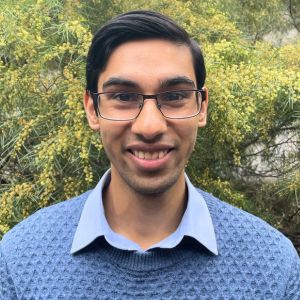
Zach has strengthened the Science student community through leadership, mentoring and initiatives that connect students with academic and research opportunities. Through MASS³, he has led the expanding Monash Advanced Science Symposium, introducing keynote speakers and poster sessions and creating opportunities for undergraduate students to develop presentation and science communication skills. He has also strengthened connections between students and academics through the MASS³ Academic and Industry Mixer, supported first-year students as a peer mentor and contributed to Faculty outreach through the YSA MySci program.
Team Category
The nominee is:
-
Nathan Roden, Imogen Bate, Rory Ferguson, Alex Dunne, Helen Shea, Ida Gaulke, Anastasiia Kazakova and Patrick Brett
The EAE Postgraduate Committee has created a vibrant and supportive postgraduate community through almost two dozen social, professional development and volunteering activities in 2026. Initiatives have included cultural food events, writing retreats, professional development seminars, Faculty-wide social events and wellbeing activities. The Committee has also extended its impact beyond Monash, including partnering with Knox City Council for National Tree Day, where postgraduate students helped plant 1,500 trees. Together, these initiatives have strengthened connection, belonging and peer support throughout the postgraduate community.
Dean's Honours List
View
This award celebrates the achievements of our top students.
The awardees are:
| Jade Alia Abidi | Raj Kaul |
| Robert Audcent | Tara Moir |
| Clinton Bouphasavanh | Feliks Ozolina |
| Jay Deng | Jessica Chloe Reid |
| Naomi Dale Drego | Daniel Roberts |
| Ayla Hannah Edwards | Jeffrey Nathaniel Santrio |
| Jessica Louise Guster | Jordan Craig Stirzaker |
| Timothy Charles Fielden Hosking | Thomas Peter Welling |
| Naomi Soraya Kah | Zarah Ann Wessels |
| Neel Kaul | Andy Zhou |