
Margot Bettles
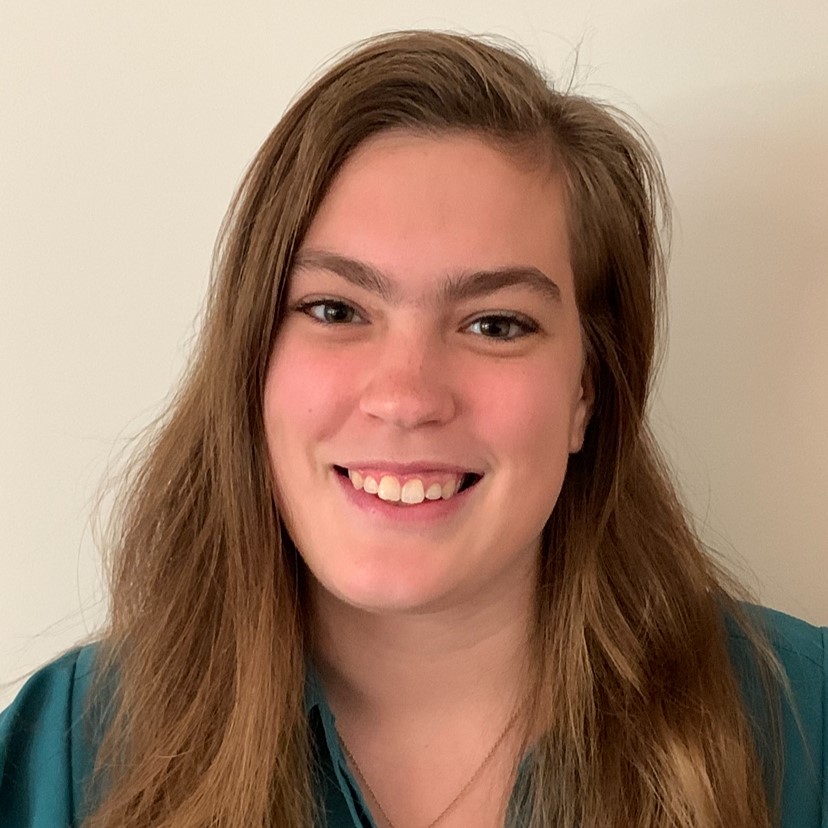 Direct entry medicine
Tell us about your pathway to studying medicine.
I sat the UCAT in mid-2020 and graduated from high school later that year. I was fortunate to be accepted into Monash University’s direct entry medicine program and began studying in 2021.
The first two years of the course are pre-clinical and campus-based, where you build a strong foundation in anatomy, physiology and the science behind disease. I then took a gap year to travel before returning to complete the final three years of clinical placements.
Why did you choose to study medicine at Monash? What encouraged you to preference rural placements?
I chose to study medicine at Monash because the direct entry program really appealed to me. I liked that I could begin studying medicine straight after high school without completing a separate undergraduate degree first.
Throughout my clinical training, I’ve chosen to complete the majority of my placements in regional Victoria because I enjoy the hands-on learning opportunities and the chance to become a valued member of the medical team.
Now, after almost three years of clinical placements, I'm excited about the possibility of becoming a Rural Generalist. My placements have shown me how rewarding it is to provide ongoing care, build long-term relationships with patients and their families, and become part of a local community. Those experiences have had a big influence on the kind of doctor I hope to be."
Where have you completed your placements so far? What have been some of the highlights of these?
I’ve completed three semesters of placement in Warragul, along with one semester each in South Gippsland, Berwick and Traralgon.
One of the highlights was my GP placement in a small rural town, where I could see my own patients and really started to feel like part of the community. It was incredibly rewarding to see the continuity of care that comes with rural general practice and have the opportunity to build meaningful relationships with both patients and colleagues.
Another favourite memory from my time in Warragul was the weekly trivia nights with the medical team, especially when we managed to win!
What other activities or opportunities have been involved with as a Monash medical student?
Spending most of my clinical years in regional placements has meant I’ve spent less time on campus, but much more time with the close-knit group of students I was placed with. We spent weekends exploring local markets, hiking and having games nights together. I
’ve also enjoyed becoming involved in the local community through park runs, pilates classes and my casual work in hospitality, which has been a great way to meet people outside of medicine.
What are your career aspirations at this stage?
When I first started medical school, I was convinced I'd end up in psychiatry or neurosurgery! Now, after almost three years of clinical placements, I'm excited about the possibility of becoming a Rural Generalist.
My placements have shown me how rewarding it is to provide ongoing care, build long-term relationships with patients and their families, and become part of a local community. Those experiences have had a big influence on the kind of doctor I hope to be. A Rural Generalist combines general practice with advanced training in a particular area, allowing them to provide a broad range of healthcare in rural and regional communities.
At the moment, I'm particularly interested in pursuing advanced training in obstetrics or emergency medicine.
What advice would you give a rural secondary student considering applying for medicine?
Go for it! Applying from a rural town can feel intimidating when it seems like so many applicants come from larger cities, but you have just as much chance of being accepted as anyone else.
Focus on doing your best at school while still making the most of your final years of secondary school.
When it comes to the UCAT, the biggest piece of advice I’d give is to practise under timed conditions. Do as many practice questions as you can, get comfortable with the pace of each section, and learn how much time you can realistically spend on each question.