
Eric Glasgow Scholars
Meet our recipients of the Eric Glasgow Anatomy Bequest Summer Research Scholarship, and hear about their experiences as scholars.
 2025 Scholars
View
2025 Scholars
View

 Tony Z H Zhang
Bachelor of Medical Science and Doctor of Medicine (MD)
Tell us about your project.
My project involved a dissection of the back region, with a primary focus on the extrinsic and intermediate back muscles. The main objective was to create an educational prosection that the Anatomy Department currently does not have a specimen for, and therefore support future Monash students in understanding complex regions with more anatomical relationships and points of reference. As such, the specimen was prosected with the intention of showcasing all of the extrinsic and intermediate muscles of the back on the left side, enabling students to examine the intricate layering and complex interconnectedness between the muscles and fascia.
The borders of the prosection extend from the cervical region superiorly, to the lumbar region inferiorly, and laterally to the mid-axillary line. The skin and superficial fascia have been reflected laterally to reveal the muscular and fascial layers of the back. In order to further enhance the visualisation of muscular borders and anatomical relationships, medial muscular attachments to the vertebral column have been removed to allow for lateral reflections of structures.
Immediately underneath the skin and superficial fascia, the trapezius superiorly and the latissimus dorsi more inferiorly are highlighted. Deep to the trapezius, the rhomboid major and minor, as well as the levator scapulae muscles, are visible attaching laterally to the scapula. Deep to the rhomboids, serratus posterior superior can be appreciated running underneath the scapula. Moving inferiorly, the latissimus dorsi, along with the posterior layer of the thoracolumbar fascia, extends from the sixth and seventh vertebrae to the fifth lumbar vertebrae. The lateral border of the latissimus dorsi forms a clear relationship with the external oblique muscle along the lateral abdominal wall.
Uncovering the latissimus dorsi uncovers a wide variety of muscles due to its size. Towards the axilla region, the serratus anterior is visible wrapping around the lateral thoracic wall from the medial border and inferior angle of the scapula. Its innervation, the thoracodorsal nerve, runs alongside the serratus anterior, although difficult to see from a posterior view. Medially, the erector spinae can be clearly identified into its spinalis, longissimus and iliocostalis components, from which some of the thoracodorsal fascia has been preserved to highlight the fusing of anatomical layers. More inferiorly, serratus posterior inferior can be observed, from which external intercostal muscles are deep to. Towards the gluteal region, external and internal oblique muscles are more pronounced underlying the latissimus dorsi.
What did you gain from your time as a scholar?
This experience has been a once-in-a-lifetime experience and is something I will look back on fondly for years to come! Initially I thought this scholarship would involve going into the anatomy labs for 5 days a week and work on my dissection project individually for the entire program. However, the reality was much different and easily exceeded those expectations, especially since we worked on fully intact donors this year!
I now have a much greater appreciation for everyone involved in providing our anatomy program. Working on my own prosection for multiple hours a day for many weeks has showcased the immense time and effort involved in creating and preparing these specimens for educational purposes. I’m grateful for the dedication of the anatomy department for their commitment to giving us an incredible opportunity to learn.
From an academic standpoint, I now have a more enlightened perspective of the human body. This scholarship has provided the opportunity for me to manage a research project, improve on my dissection and surgical techniques, and refine my anatomical knowledge. The anatomy we see commonly taught in textbooks is only the “average” perspective, when in reality, variations in anatomical structures are very common and was something I was able to witness first-hand in both my project and projects from the other scholars. It has also made me more appreciative of surgeons, who have to manage the complexities and variability of the human body on a regular basis. In particular, having spent countless hours grafting tissue from other regions to restore damaged muscles throughout the donor, I admire the work performed by reconstructive plastic surgeons in minimising scarring.
Most importantly, I have made friendships with so many amazing people. I’m especially grateful for the guidance provided by Justin, Brenda, Vandana, Alison, Jack, Stephen and Smita, who provided the creative freedom for ambitious plans and were always there whenever I needed their support. While in the labs LG06 and 7, I was surrounded by a group of incredibly friendly, supportive and like-minded peers. Whenever I needed assistance in identifying structures or applying a dissection technique to a particular approach, the other scholars were more than happy to help me out. We entered the program as fellow scholars and left as friends who had created a myriad of treasurable memories together as a team, both inside and outside of the lab.
What advice would you give to someone considering applying for this scholarship?
If you want to apply, absolutely give it a go! This scholarship is really a unique opportunity where research overlaps with anatomy and surgery. If you aren’t afraid to challenge yourself, and have an interest in those areas, I would strongly recommend applying and giving it your best shot.
As a first year medical student with very limited research experience, I really wasn’t sure that I would get accepted into the program. However, having had this experience, I can say that you will be able to gain something out of this scholarship regardless of your progress into medicine or any associated fields. Instead, it allowed me to approach learning anatomy from various perspectives, which will be beneficial in the future. You might make mistakes, but it allows you to learn and grow from them, therefore helping you to tackle any obstacles that may emerge in the future!
 Shreshtha Siwach
Bachelor of Medical Science and Doctor of Medicine (MD)
Tell us about your project.
During this 5-week scholarship, I conducted a posterior dissection that investigated the complex neurovasculature of the axillary space. The exposure was achieved by reflecting the trapezius superiorly and the serratus anterior inferiorly, alongside the removal of the rhomboids and levator scapulae. I sectioned the scapula to reveal the deeper neurovascular architecture within the axillary space, providing a detailed view of the brachial plexus. My project focused on identifying standard patterns and documenting unique anatomical variations.
In this specimen, the proximal architecture of the plexus is clearly defined, with the C5 and C6 nerve roots merging to form the superior trunk, alongside the middle and inferior trunks. The long thoracic nerve (C5-C7) can be visualised emerging medially and running superficially over the plexus before its distal segment is lost due to the reflection of the serratus anterior. A significant feature of the superior trunk is the emergence of the suprascapular nerve, which tracks laterally with the suprascapular vessels through the suprascapular notch. Notably, there is also an early-rising branch of the lower subscapular nerve that originates directly from the inferior cord to pierce the subscapularis muscle.
While the divisions and most cords are present in this view, the posterior cord is the most prominent structure, which dominates this perspective. It is seen giving rise to several branches including the upper subscapular nerve, a duplicated lower subscapular nerve, and thoracodorsal nerve which can be observed tracking an inferior course to the latissimus dorsi. The axillary and radial nerves are also visualised forming, though their distal paths are obscured.
Regarding the anterior elements, the medial cord is clearly seen and is well-defined, giving rise to the medial pectoral nerve, medial cutaneous nerves, the ulnar nerve, and the medial contribution to the median nerve. Conversely, the lateral cord is not visible in this plane of dissection.
The associated vasculature can also be observed in this specimen, with the axillary artery and vein situated deep to the plexus. The primary thoracodorsal vessels follow the standard pattern, arising as a continuation of the subscapular artery. However, a significant vascular variation is present, with the axillary artery itself giving off additional, independent muscular branches that descend directly to supplement the supply to the latissimus dorsi.
What did you gain from your time as a scholar?
I honestly gained so much more than just anatomy knowledge from this. First off, having the freedom to make my own plan and decide how to approach the dissection gave me a huge boost in independence and confidence. It felt great to trust my own instincts.
I also learned how to be more flexible with my thinking. Things rarely go exactly as planned when you're dissecting, so constantly adapting and changing my approach as I went really helped me get better at thinking on my feet. Being in the lab for 6–7 hours a day for five weeks was a lesson in patience, too. Seeing that slow, steady progress toward my goal taught me that good things take time.
But beyond the work, I met some truly amazing people and made some great memories!
What advice would you give to someone considering applying for this scholarship?
Most definitely apply! It is such a great way to spend your holidays. Although the schedule might seem a bit daunting at first because of the hours, it's actually very easy to juggle, and by the end of the break, you’ll feel super fulfilled.
You will also get to learn/revise a massive amount of anatomy and get a lot of unique, hands-on experience that you may never get otherwise. It is also a great environment where you’ll make some amazing memories and friends along the way.
Anyone who is considering applying should absolutely go for it! The program offers aunique opportunity to plan and execute a dissection project of your interest that will shape the education of future students. Whether you hope to deepen your understanding of anatomy, develop your dissection skills, or gain a deeper appreciation for the work completed at the Centre of Human Anatomy and Education, this experience is truly invaluable.
Above all, during the course of the program, you meet people from diverse backgrounds sharing the same love and passion for anatomy, allowing you to learn from them and build strong friendships.
I would say to absolutely give it a go! Be open to new experiences and learning, and trust yourself to grow throughout the process. Whether you already have a strong foundation in anatomy or are looking to develop your understanding further, the scholarship offers an ideal opportunity to do that while working alongside like-minded people who share similar interests. Despite working on different projects and regions, you will find so much common ground and form so many great friendships.
So my advice would be to show up every day expecting to learn something new, develop your skills, and most importantly to have fun!!
I have a single piece of advice—if you’re reading this, just apply!
This scholarship is a wonderful gift and once in a lifetime opportunity. The program is an extremely fulfilling and rewarding experience that will enable you to develop a multitude of skills beyond anatomy knowledge.
Any other thoughts or suggestions?
My main advice would be to apply for it, and go in with an open mind. If you really enjoyed learning about anatomy, and want to further your knowledge, the program is a wonderful opportunity to do so. Regardless of your experience in dissections, you will be able to learn and develop your skills, supported by an amazing team. Above all, the program is an opportunity to explore something novel to you, and will give you a new experience.
Definitely give it a go! This program provides you a fantastic way to contribute to anatomical education at Monash, while also challenging yourself to learn and explore anatomy at an unprecedented depth. This scholarship provides you with so much freedom, so don’t be afraid to push yourself or make mistakes. Come in with an open mind and be curious, ask lots of questions because there is so much to learn and take away from this opportunity.
It’s always better to take the chance than to dwell in the ‘what if I did’ — don’t hesitate!
 Anvi Agarwal
Bachelor of Medical Science and Doctor of Medicine (MD)
Tell us about your project.
My project was a cadaveric dissection of the left foot and ankle with the end goal of exposing the ligaments and deep neurovasculature of the region. Using a layer-by-layer approach, I aimed to appreciate the organisation and relationships between anatomical structures and to produce a prosection that could aid in the education of future students.
I began the dissection superficially using blunt dissection technique, following the course of the great saphenous vein and the small saphenous vein from 3cm proximal malleoli to their convergence as the dorsal venous arch. In this layer, I had also uncovered the superficial fibular nerve, following its course to the second to fourth web spaces and distal deep fibular nerve where it could be seen innervating the first web space. I had also created a window between the calcaneal tendon and posterior tibia and fibula in order to better visualise the posterolateral branches of the great saphenous vein. Before continuing on to the deeper dissection of the ligaments, a 3D scan of this superficial dissection had been captured for its potential as a useful educational tool in the future.
For the last six to seven days, I focused on the deep dissection, working systematically to expose the ligaments. After removing the previously dissected superficial neurovasculature, I exposed the deltoid ligament by bluntly dissecting and reflecting the tibialis anterior and tibialis posterior muscles. Next, to expose the dorsal ligaments, I had dissected along and reflected the muscles of the anterior compartment of the lower limb (with the exception of the extensor digitorum brevis muscle which was removed) while preserving and tracing the deeper neurovasculature structures - the tibialis anterior artery, the tibialis anterior vein and the deep fibular nerve - in order to demonstrate their relationships to one another from the superior extensor retinaculum to their respective webspaces. Laterally, by dissecting along and reflecting the fibularis brevis muscle, I exposed the lateral ligaments of the ankle.
Finally, to contrast the posterior and anterior compartment neurovasculature and their entry into the foot, I opened the flexor retinaculum to reveal the contents of the tarsal tunnel: the tibialis posterior tendon, the flexor digitorum longus tendon, posterior tibial artery, posterior tibial vein, tibial nerve and flexor hallucis longus tendon.
What did you gain from your time as a scholar?
My time as an Eric Glasgow scholar was a truly incredible experience, leaving me with many valuable lessons, skills and memories. By reviewing prosections and completing a focused dissection, I gained a deeper understanding of human anatomy, appreciating the organisation and relationships between anatomical structures.
During the course of the dissection, I also refined my dissecting skills and was challenged to develop new techniques, plans and approaches which had ultimately also pushed me to become more creative and confident in my ability to handle the specimens. Additionally, my time in the dissection and prosection laboratories gave me a deeper appreciation for the immense time, work and effort that the Centre of Human Anatomy and Education devotes in providing high quality education in anatomy.
Most importantly, the program allowed me to meet new people and create new friendships with my fellow Eric Glasgow scholars.
I would like to thank Justin for this incredible opportunity; Brenda, Vandana and Allison for their advice and guidance throughout the dissection process; Jack for sharing his passion for anatomy and etymology; and Stephen and Smita for their insights into the inner workings of the dissection and prosection programs.
 Tara Najibi
Bachelor of Medical Science and Doctor of Medicine (MD)
Tell us about your project.
My project involved a detailed cadaveric dissection of the extratemporal course of the facial nerve over with the aim was of exposing and demonstrating its branching pattern, anatomical variations, and points of muscular innervation.
To facilitate visualisation of the extratemporal facial nerve, the parotid gland was removed, allowing clear identification of the facial nerve trunk as it emerged adjacent to the mastoid process. I then traced the main trunk distally to its branching divisions, forming the temporofacial and cervicofacial components and their terminal branches which were identified and followed. The branching pattern observed in this specimen most closely corresponded to a Type VI configuration according to the Davis classification (which comprises less than 10% of cases!), characterised by multiple interconnections and looping communications between branches. I performed selective division of some finer distal branches to improve visual clarity, while preserving key communications to demonstrate the complexity and variability of facial nerve anatomy. Both proximally and distally, branches of the nerve were carefully positioned and secured into masseter or the mandible using pins, with selected branches gently looped around the pins to maintain their anatomical course and improve stability for display and teaching purposes.
Dissection of the muscles of facial expression was carried out to clearly demonstrate at least 6-7 points of neural entry, including zygomatic branches supplying zygomaticus major and orbicularis oculi, buccal branches entering orbicularis oris, and marginal mandibular branches innervating depressor anguli oris. Interestingly, an anatomical variation was also identified, with a branch arising from the marginal mandibular division coursing superomedially to supply levator labii superioris.
My dissection also demonstrates relevant vascular structures, including the facial artery and vein, external carotid artery, superficial temporal artery, retromandibular vein, and external jugular vein to provide additional anatomical context to the region.
What did you gain from your time as a scholar?
My time as a scholar gave me a deeper understanding of anatomy that extended well beyond textbook learning. The independence of my project allowed me to develop technical precision and confidence in planning and executing a complex anatomical dissection, while still being well supported by the academic and technical staff.
During prosections we worked on a different region each day which provided great revision and deepend my understanding in a broader way.
I am also incredibly grateful for the connections and friendships I formed with fellow scholars as well as staff, and for the positive environment they created. The shared enthusiasm and genuine fun we had made 6-7 hours of working in the lab per day something that I looked forward to every day.
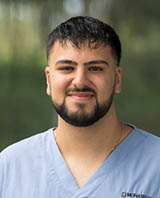 Danny Mekhail
Bachelor of Medical Science and Doctor of Medicine (MD)
Tell us about your project.
My project was a cadaveric dissection of the head and neck region to produce a detailed teaching specimen that can be used as a resource for anatomy students at Monash University.
The aim of my project was to preserve and clearly demonstrate the three-dimensional anatomical relationships between neural, vascular, and dural structures in the head, neck and cranial fossae.
Key components of my dissection included preservation of most posterior neck musculature, exposure of the vertebral artery from C3 through to its intracranial course, and identification of all twelve cranial nerves. The Circle of Willis was fully exposed with distal branches preserved, including a rare anatomical variant in the form of an azygos anterior cerebral artery. Select surrounding parenchyma was preserved to maintain the anatomical relations between neurovasculature and brain tissue. Structures of the posterior circulation, cerebellar arteries, and major dural venous sinuses were also preserved.
What did you gain from your time as a scholar?
During this scholarship, I gained far more from the experience than I initially anticipated. I not only enhanced my understanding but deepened my appreciation for the time and precision required for careful dissection. Having the opportunity to focus on one region over several weeks allowed me to explore every single structure by dissecting layer by layer until I had reached the deep neurovasculature in the head and neck.
One of the most valuable aspects of this program was learning to approach anatomy from an educator’s perspective. Throughout my dissection, I was constantly thinking about how to best preserve certain structures to emphasise the three dimensional relationship between anatomical components. Ultimately, I was able to dissect and reveal my desired structures with the guidance of the wonderful teaching staff at the Centre for Human Anatomy Education.
Over the course of the program, I formed strong connections with both my fellow scholars and teaching staff. Learning from their vast knowledge while seeing their enthusiasm for anatomy made this scholarship both enjoyable and incredibly rewarding. I am truly grateful for the opportunity to contribute to the anatomical education of many others.
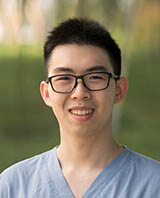 Ong Kai Yi
Bachelor of Medical Science and Doctor of Medicine (MD)
Tell us about your project.
My project was a dissection of the neck and superior shoulder, in particular focusing on the lymphatics and vasculature of the region. The superficial structures within both the anterior and posterior triangles are visible, with the underlying musculature acting as a backdrop to highlight the structures visible. In the dissection, I located both the external and internal jugular veins, which I then traced to find the tributaries, and hence the associated lymph nodes. In doing so, I was also able to locate the common carotid and subclavian artery, as well as the roots of the C5 and C6 nerves. This then allowed me to trace, and hence showcase the vessels and nerve branches which arise from these systems.
What did you gain from your time as a scholar?
As an Eric Glasgow scholar, I was able to refine my dissection technique, as well as consolidating my knowledge in anatomy. The time I had spent in the lab allowed me plenty of opportunity to further my anatomical understanding, in particular with the details which are often left out in classes, as well as appreciate the anatomical variation seen. Much of what I gained lay outside anatomy as well. Much of the project involves brainstorming, planning, and executing a dissection of you choosing, and as such the program allowed me to to build on many invaluable skills.
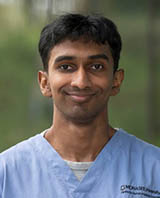 Hansana Ranaweera
Bachelor of Biomedical Science
Tell us about your project.
My project involved creating a deep dissection of the cubital fossa and anterior forearm, spanning roughly 6-7 cm above the humeral epicondyles proximally, down to the level of the palmar carpal ligament at the wrist distally.
All neurovascular contents of the cubital fossa were exposed and traced down to the level of the wrist. I maintained the brachial, radial, and ulnar arteries alongside their venae comitantes and branches. The radial recurrent artery was exposed, as was the common interosseous artery, which bifurcates into anterior and posterior branches. The anterior interosseous artery can be seen coursing between flexor pollicis longus and flexor digitorum profundus, passing posterior to pronator quadratus. The posterior interosseous artery is visible piercing the interosseous membrane to enter the posterior compartment.
All of the superficial flexors (pronator teres, flexor carpi radialis, palmaris longus, and flexor carpi ulnaris) were retained. I released palmaris longus proximally and excised the central portion of the pronator teres muscle belly while maintaining its proximal and distal attachments, allowing for better visualisation of deeper neurovasculature.
The median nerve’s individual muscular branches were isolated; they can be seen piercing pronator teres, flexor carpi radialis, palmaris longus, and flexor digitorum superficialis. A portion of flexor digitorum superficialis was partially dissected to fully expose the anterior interosseous nerve and its individual branches, which can be seen piercing its deeper flexors (flexor pollicis longus, pronator quadratus, lateral half of flexor digitorum profundus).
The ulnar nerve has been traced along the entire forearm. It can be seen giving off individual branches to flexor carpi ulnaris, and the medial half of flexor digitorum profundus, as it courses distally to reach Guyon’s canal. I preserved the superficial radial nerve as it passes into the anatomical snuffbox. The deep branch of the radial nerve is also visible, giving rise to the posterior interosseous nerve, which enters the supinator through the arcade of Frohse.
Along with other scholars’ dissections of the axilla, arm, and hand, I would hope this project can be used practically to show students the full continuity and grandeur of upper limb anatomy.
What did you gain from your time as a scholar?
This experience was profoundly transformative. When I began the scholarship, I was initially quite nervous as I had no dissection experience. Thankfully, Brenda, Vandana, and Alison were incredibly patient and supportive, teaching me so much and truly helping me advance my dissection skills throughout the course of the program. Thanks to them, I was able to greatly improve my technique, familiarity with surgical instruments, and overall expertise, while also leaving feeling confident in my own abilities. I was also able to refine skills such as planning, researching, and adapting when structures inevitably vary from a textbook presentation.
I’m also grateful to all my peers with whom I had the privilege of sharing this scholarship time with. They are all incredibly inspiring individuals who made the experience so fruitful and memorable. Sharing responsibility over a single donor required teamwork, clear communication, and careful planning between us all. I enjoyed collaborating with them to ask questions, brainstorm ideas, learn about their own projects, and observe how our dissections fit together.
Throughout my dissection, I was also able to gain an immense appreciation for human anatomy, as I was constantly learning throughout the program. I’m incredibly grateful to the donor, who altruistically trusted us to develop a useful educational prosection. The almost daily quizzing from Jack kept me on my toes, helping me expand my anatomical knowledge and identify gaps in my understanding. Identifying structures with my group while prosecting models helped me to solidify prior knowledge, or learn about new structures I was unfamiliar with.
This experience provided me with incredible learning opportunities of almost every variety. The wealth of knowledge and growth afforded to me was only possible through the generosity of others. Thank you to everyone who invested their time into this program.
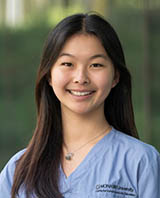 Chi Ting Teresa Wong
Bachelor of Medical Science and Doctor of Medicine (MD)
Tell us about your project.
Having established a focus on the intercostal spaces at the beginning of the program, I spent the majority of my time exposing the posterior neurovascular bundle at the eighth, ninth, and tenth intercostal spaces. I chose to create this window to demonstrate the layers of intermediate back muscles relative to deep neurovasculature, and allow remnants of the dorsal rami to be seen. A laminectomy at the corresponding thoracic vertebrae was also performed to further demonstrate the relationship between the spinal cord, dorsal root ganglia, and emerging intercostal nerves. Though fragile, the transverse processes were carefully preserved to allow a visualisation of the spinal cord without impeding the appreciation of its relationship with preexisting osteology.
For the remaining sixth sevenths of my time in the lab, I focused on the posterior right upper limb to highlight the course of superficial veins. In this process, accompanying nervous structures and lymphatics were discovered (notably the antebrachial nerves and epitrochlear lymph nodes).
What did you gain from your time as a scholar?
Entering the program fresh out of my first year in medical school, my time in the lab had undoubtedly challenged my technical and problem solving skills—with many frustrations when isolating fragile structures—but has also reinforced my passion for pursuing surgery. With the six to seven hours spent across five weeks in the program, I have also learnt that growth happens most often when encountering new, and potentially uncomfortable situations. As such, I could not have navigated through this without the valuable friendships and connections built with likeminded people. My dissection could not have been successfully performed without the assistance of Brenda, Vandana, and Alison; Stephen and Smita for bearing through my constant scrub changes; David, Jack, and Justin for insights into all things anatomical, etymological, and evolutionary! And finally, a special mention to the Glasgow Scholars for making my time in the program memorable and one to reminisce :)
 Zachary Pei-Yuan Shieh
Bachelor of Medical Science and Doctor of Medicine (MD)
Tell us about your project.
My project involved a total of 4 dissections, 2 being deep and the other 2 superficial, on the posterior aspect of the human body. The goal of having many smaller dissections was to explore various regions of the body and how they are integrated and relevant to each other, whilst accommodating space for fellow scholars to perform their dissections.
In the first 2 weeks, I performed a deep foot dissection to map the tendon course and insertions of fibularis brevis and fibularis longus. This involved removing the skin, plantar aponeurosis and most intrinsic muscles and tendons in the plantar aspect of the foot. This showcases the tarsal bones, the ligaments that holds them together and the fibularis longus and brevis tendons to allow viewers to appreciate the intricate relationship of the ligamentous and tendinous structures.
After this foot dissection was finalised and scanned, I then moved to the cervical region, to explore the intrinsic muscles of the posterior neck. The suboccipital triangle is an anatomical relationship that I had a particular interest in for its surgical significance as a landmark for procedures such as a chiari malformation decompression. My second dissection was to reveal its muscle borders and its neurovascular contents. This dissection involved removing the external muscles including splenius capitis/cervicis, semispinalis, and a window of the prevertebral fascia. The muscular borders of the suboccipital triangle, rectus capitis posterior major, obliquus capitis superior, and obliquus capitis inferior, were then revealed in the expected formation of the triangle, and the vertebral artery deep to the triangle could be seen.
With 2 more weeks remaining in the program, I then performed a superficial dissection of the whole lower limb from the gluteal region to the ankle. This dissection was performed to allow viewers to refer to superficial structures that overlay the deeper ones when viewing the deep dissection on the opposite lower limb. This dissection mainly involved exposing the muscles of the posterior lower limb by reflecting the skin and removing the fat and deep investing fascia, whilst preserving the superficial neurovasculature such as the small saphenous vein and the sural nerve. The popliteal fossa was cleaned to clearly identify the trifurcation of the sciatic nerve into the common fibular, sural and tibial nerves, as well as the termination of the small saphenous vein as it drains into the popliteal vein.
My final dissection in the 5th week was of the superficial palm. Although this would classify as an anterior dissection, our donor's hand was fully pronated. This made the palmar dissection particularly challenging as the orientation of normal anatomical position could not easily be utilised. With careful planning and referral with other scholars and available prosections, I was able to reflect the skin to reveal the palmar aponeurosis as well as the palmaris brevis muscle. In continuation with other scholars' superficial forearm dissections, the connection of the palmaris longus tendon and the palmar aponeurosis can be appreciated. The fat between the metacarpo-phalangeal joints was also removed, enabling the common digital arteries and nerves to be viewed as they bifurcate into the proper digital arteries and nerves.
What did you gain from your time as a scholar?
Throughout this scholarship, I gained a deeper understanding of all areas of the body, as well as an advanced and self directed approach to dissections.
By focusing and exploring my areas of uncertainty, I was able to gain a better appreciation of the human anatomy at my own pace. Discussions with other scholars about their dissection areas allowed me to expand my understanding of the human body.
The highly self directed nature of the dissection program encouraged me to use advanced dissection skills with tools and techniques not usually taught in standard class dissection settings. This self direction empowered me to collaborate with other project members and also to practise independent planning, performing and evaluating my dissections. With our final goal of creating a specimen that will be contributed to the University's library of scanned prosections, cosmetic considerations were implemented. This significantly differed from class dissections which simply involved locating structures and identifying their relationships with other structures.
Beyond dissections, I contributed to the documentation and descriptions of the University's collection of prosections. Through this cataloguing, I was able to strengthen my understanding of areas that I learnt about in my preclinical years. I also had the rare opportunity to see the CHAE's 3D printer, how it operates, and how the 3D models are then used and distributed throughout the University. The presentation day at the end of the program, where we all prepared and shared interesting topics from our dissections, allowed me to learn more about evolutionary, embryological, clinical and surgical concepts from fellow scholars, which enriched my knowledge in anatomy.
This program has enabled me to create meaningful connections and friendships with staff and students from diverse academic backgrounds. It was fantastic working with other people who are just as passionate about anatomy as I am. I believe that from this experience, I have become far more confident with dissections and applying anatomical knowledge to future clinical or academic contexts.
What advice would you give to someone considering applying for this scholarship?
I would highly recommend applying for this scholarship! The experience I have gained is highly beneficial and extremely valuable in expanding my knowledge in anatomy. It is truly wonderful to connect with others who are equally passionate about anatomy while learning dissection skills and techniques that are not taught from standard class dissections. This program is unique great for anyone who enjoys anatomy - make the most of this amazing opportunity!
Any other thoughts or suggestions?
I would like to thank all members of staff and fellow scholars who created a very engaging, safe and fun environment to learn and collaborate throughout the program. I am very grateful to have been offered to take part in this program, and I will take the knowledge I have gained to inform future applications of anatomy.
 Jade Dalla-Fontana
Bachelor of Biomedical Science
Tell us about your project.
For my project, I was assigned to the upper limb and chose to focus distally on the palmar aspect of the hand, with a particular emphasis on tracing and exposing neurovasculature. Beginning in the forearm, I exposed the flexor compartment, with my primary focus being to locate the median and ulnar nerves alongside the radial and ulnar arteries so that I could trace these structures distally into the hand. The most superficial structure there was the tendon of palmaris longus which inserts into the palmer aponeurosis. I decided to keep it intact so that it could be reflected posteriorly to reveal underlying structures rather than removing it entirely. This proved to be far more time consuming and challenging than anticipated, taking about six to seven days of dissection to complete. Separating the tendon while maintaining the integrity of surrounding structures was particularly difficult, especially given how early this dissection occurred in the program.
Within the hand, both the thenar and hypothenar eminences were cleared, as well as the adductor pollicis and lumbricals. On the fifth digit, I removed the flexor tendon sheath to reveal the bifurcation of the flexor digitorum superficialis as it inserted onto the middle phalanx, allowing the flexor digitorum profundus to pass through the split and insert onto the distal phalanx.
Tracing the ulnar artery into the hand revealed the superficial palmar arch, giving off its common and proper branches to the digits, although its anastomosis with the radial artery was not directly observed. The vasculature of the palm had notable variations, including the radialis indicis artery arising from the superficial palmar arch and atypical branching of the princeps pollicis artery. In contrast, the nervous supply largely followed expected patterns. The superficial branch of the ulnar nerve gave rise to common and proper palmar digital nerves, suppling the fifth digit and medial aspect of the fourth digit, with the communicating branch to the median nerve visible. The median nerve divided into its common and proper digital branches to supply the remaining digits, with the recurrent motor branch preserved, looping over the superficial head of the flexor pollicis brevis. I did however see a minor variation in the common palmar nerve that supplies the fourth and fifth digits, which bifurcated to allow the accompanying artery to pass through, before rejoining and splitting again proximally.
What did you gain from your time as a scholar?
My time as a scholar allowed me to strengthen my resilience, perseverance, and curiosity, while also deepening my anatomical understanding far beyond the scope of my degree. I improved my ability to work collaboratively with my peers during prosecution activities, and in coordinating our dissections to ensure everyone had access to the areas they needed, while working in proximity to one another. The experience reinforced my appreciation for human anatomy and my respect for the donors who make such learning possible. I am overwhelmed with privilege and gratitude to have had the opportunity to perform such a detailed and intricate dissection, working closely with the CHAE staff and the body donors.
In completing my own dissection, observing others, and engaging in the other scholarship duties, my anatomical knowledge has been immensely expanded, and I have gained a deeper appreciation for anatomical relationships. Coming from having no experience with human dissection, my technical skills developed considerably – I feel a great sense of pride and fulfilment having seen my work come together by the end of the program! Being surrounded by like-minded peers and guided by the anatomy staff over the five weeks was inspiring and motivating. The education I received here cannot be obtained from a textbook or lecture alone, and being in an environment that fostered supportive relationships with my fellow scholars made me genuinely excited to come to university each day. I am grateful to Justin, Brenda and Vandana, Stephen and Smita, and Jack, Alison, and all my peers for making this experience so engaging and memorable!
What advice would you give to someone considering applying for this scholarship?
No matter where you are in your studies, if you have a genuine interest in human anatomy, I would strongly recommend applying for the Eric Glasgow scholarship. When I applied, I honestly has no idea if I would be accepted, but I am so glad that I made the decision to just give it a go. Being a biomed student and coming in without prior dissection experience or extensive anatomical knowledge was daunting, but the program is incredibly supportive and provides you resources to learn, regardless of your starting point. Even if you feel you don’t yet have the skillset or knowledge, it’s important to remember that this is a learning program, and no one expects you to know everything immediately. Moreover, everyone comes in with different backgrounds and levels of knowledge, so you not only learn from the program and CHAE staff, but also from each other. It helps to review the anatomy of your dissection region and brush up on general areas, but remember that you are there to learn and deepen your understanding along the way – it was especially fascinating to see anatomical variations and learn things that you wouldn’t typically encounter in a traditional textbook.
The program can be challenging at times, but it’s important to persevere. It is definitely hard work and a significant commitment, especially over the break, but the experience is worth it. This opportunity is truly unlike any other, and if you’re even slightly considering applying, I say just go for it!
 Zachary Miritis
Bachelor of Medical Science and Doctor of Medicine (MD)
Tell us about your project.
My project involved undertaking a dissection of the dorsal hand and antebrachium. My chief goal was to preserve superficial neurovascular structures, whilst also showcasing the deeper layers of the posterior compartment of the forearm and hand.
In the first stage of my dissection, I started proximally and began exposing the cephalic, basilic and accessory cephalic veins alongside the posterior antebrachial cutaneous nerve. As I tracked this dissection distally, I began exposing the dorsal venous network of the hand alongside the superficial radial nerve and the superficial dorsal ulnar nerve, which allowed me to observe their branching over their respective cutaneous territories from the ulnar side of the hand to the anatomical snuffbox.
After this experience in superficial dissection, I began taking an interest in demonstrating the anatomy of the extensor hood. I extended the dissection into each digit to visualise venous drainage until the proximal interphalangeal joints, and observe the orientation of the central slip tendon as well as the sagittal, oblique and lateral bands of each extensor hood.
From here, my dissection delved deeper into the tendinous structures of the hand, observing their passage under the extensor retinaculum to their distal insertions, and exposing each tendon and their respective muscles, as well as the dorsal interossei and metacarpals. Doing so also provided insight into unique anatomical variations and clinical cases of the hand and its tendons.
Finally, the borders and contents of the anatomical snuffbox were exposed to showcase the passage of the radial artery, and the volar aspect of the second digit dissected to demonstrate the insertion of the flexor tendons and arterial supply of the digit, providing a final layer to the prosection.
What did you gain from your time as a scholar?
My time as a scholar was an incredible privilege. Academically, the experience was enriching, providing me not only the opportunity to explore regional anatomy in significant detail but also to develop my capacity for independent research, planning and dissection technique. Furthermore, the CHAE team provided amazing guidance, challenging me to be autonomous and curious, which made the experience highly fulfilling. I also gained perspective on the effort required to perform this type of dissection, and have found myself far more confident in my understanding of human anatomy and its intricacies.
I also found the program to be highly rewarding, knowing that we as a group had the opportunity to provide educational contributions to future generations of anatomy students. It was additionally a reminder of how privileged we are to work with our generous donors to advance the study of human anatomy.
Moreover, what made the experience particularly memorable was the incredible group of people I got to share it with. Initially, I was concerned that spending between six and seven hours in the lab would be draining, but it passed by quicker than I could have anticipated. In my time with the program, I formed lasting friendships with my peers and the team, who have made this summer one to remember.
What advice would you give to someone considering applying for this scholarship?
I would strongly suggest applying! The Glasgow Scholarship is like no other and gave me an incredible learning opportunity, alongside unique skillsets and experiences that I am proud to carry forward. Entering this program with an open mind and an eagerness to learn made it one of the most rewarding and enjoyable educational scholarships to be involved with. I would also advise you to make the most of the opportunity you are afforded. Be ambitious, open minded, thorough, curious, ask questions and enjoy the program!
Any other thoughts or suggestions?
Thank you all for making this program so special!! It has been a pleasure.
 Hanyue (Hannah) Zheng
Bachelor of Medical Science and Doctor of Medicine (MD)
Tell us about your project.
My project involved a posterior dissection of the lumbosacral plexus and lower limb, with the aim of developing a continuous anatomical understanding of the neural and vascular pathways from the pelvis to the distal leg. The focus was on preserving clinically significant structures while exploring how neural and vascular structures were integrated within the surrounding musculoskeletal framework.
I began in the gluteal region by removing the gluteus maximus muscle to expose gluteus medius and identify the piriformis muscle. This allowed for careful identification and preservation of the superior and inferior gluteal neurovascular bundles, as well as the sciatic nerve. Reflection of piriformis provided a clear view of the sciatic nerve as it emerges from the greater sciatic foramen and its formation from the anterior rami of spinal nerves L4-S3.
To visualise the proximal nerve roots, I cleared the gluteus medius and minimus from the ilium and removed the intrinsic back musculature overlying the sacrum and coccyx in preparation for a controlled ostectomy. Using a bone saw, the ilium was sectioned from the greater sciatic notch to the iliac tubercle. Incremental removal of bone and the overlying iliacus muscle exposed the psoas major muscle, establishing a rare posterior window for the lumbar plexus. From this view, the femoral nerve could be seen emerging laterally from within psoas major.
I then followed the sciatic nerve distally through the posterior compartment of the thigh, separating the two heads of the biceps femoris while preserving perforating vessels. In the popliteal fossa, I identified the popliteal artery and vein as prominent landmarks and traced them proximally to the adductor hiatus of adductor magnus, which marks the anatomical transition point where the femoral vessels emerged to join the nerve as the popliteal vasculature.
In the leg, I cut the lateral belly of the gastrocnemius muscle and the soleus muscle; by reflecting both muscles medially, I exposed the deep posterior compartment of the leg. This allowed me to trace the fibular artery as it courses deep to the flexor hallucis longus muscle. I also followed the tibial nerve and posterior tibial vessels as they traveled between the deep flexor muscles until they reached the ankle, where they passed underneath the flexor retinaculum into the tarsal tunnel.
Overall, this project allowed me to establish a comprehensive and continuous anatomical narrative from the lumbosacral plexus to the distal lower limb, transforming static anatomy into a spatial map that connects theoretical learning with clinical and surgical practice.
What did you gain from your time as a scholar?
My time as a scholar transformed my understanding of anatomy from a subject I studied into a system I could navigate. Beginning the program, I entered the laboratory with uncertainty about how to approach such a complex and technically demanding dissection. Over time, this developed into the confidence to plan and carry out each stage of the work independently.
Working through a multi-stage posterior dissection deepened my appreciation of the three-dimensional and variable nature of the human body, particularly how small differences in spatial relationships can carry significant clinical and surgical implications. I gained confidence in handling delicate neurovascular structures, developing a careful, methodical approach to tissue planes, and anticipating how each step shapes the options available downstream.
This experience also strengthened my skills in using precise anatomical terminology to communicate my findings, while deepening my respect for the generosity of the donors who made this learning possible. Being part of a program that allows such close, hands-on engagement with human anatomy showed me how powerful this form of learning is, and how few experiences can match its ability to build a true, three-dimensional understanding of the human body.
What advice would you give to someone considering applying for this scholarship?
If you are considering applying for this scholarship, I would strongly encourage you to do so. It is a rare and rewarding opportunity to engage deeply with human anatomy in a way that few other learning experiences can offer.
The academic and technical staff are not only exceptionally knowledgeable, but also genuinely supportive and willing to help at any stage. Their guidance transforms the laboratory into a collaborative learning environment where questions are welcomed and curiosity is actively encouraged.
I would recommend approaching the program with an open mindset and a willingness to invest time and effort into each stage of the project. If you do, you will gain far more than technical skills; you will leave with a lasting appreciation for anatomy, for the donors who make this learning possible, and for a team of mentors who make the experience both meaningful and memorable.
Any other thoughts or suggestions?
I would like to sincerely thank all the Monash anatomy and technical staff who make this scholarship program possible. Your patience, guidance, and willingness to help at every stage created a learning environment where I felt supported to ask questions, make mistakes, and grow. The care and dedication you bring to the teaching process set a powerful example of professionalism and mentorship that I hope to carry into my own clinical training. The Eric Glasgow scholarship program was shaped as much by your support as by the anatomy itself, and I am truly grateful for the role you played in my development.
 Jayden Phommahaxay
Bachelor of Medical Science and Doctor of Medicine (MD)
Tell us about your project.
My project was a dissection of the posterior abdominal wall, pelvis and anteromedial thigh with a focus on visualising neurovasculature and demonstrating anatomical relationships throughout their course.
Initially, a superficial dissection of the thigh was performed in the plane of fascia lata to reveal the cutaneous innervation of the thigh. The subcutaneous tissue was dissected to reveal the intermediate cutaneous nerve of the thigh, superomedial and inferior groups of superficial inguinal lymph nodes and the great saphenous vein with its tributaries.
However, the lateral femoral cutaneous nerve was unable to be identified as it was not located in its typical anatomical position medial to the anterior superior iliac spine. Instead, the nerve appeared to branch from the ilioinguinal nerve and pierced the anterior abdominal wall laterally to supply the skin overlying the lateral ilium and thigh.
As part of the process of identifying the lateral femoral cutaneous nerve, a dissection of the lumbar plexus was performed by removing the parietal peritoneum and psoas fascia to mobilise the nerves. These nerves were then traced distally to their continuations in the anterolateral abdominal wall and thigh regions and mobilised so that tension can be applied to aid in identifying their respective courses.
A deeper dissection of the thigh was subsequently performed with goals of visualising the femoral triangle and subsartorial canal. This was achieved by tracing the intermediate cutaneous nerve of the thigh to its origin from the femoral nerve in the femoral triangle. At this stage, fascia lata was removed to reveal the borders, floor, and contents of the femoral triangle.
The borders of the femoral triangle were cleaned to clearly demonstrate its boundaries, with the sartorius muscle forming the lateral border, the adductor longus muscle the medial border and the inguinal ligament the superior border. As part of this cleaning, the superficial inguinal ring was also exposed revealing the genital branches of the genitofemoral nerve emerging to supply the mons pubis and labia majora.
The floor of the femoral triangle was also cleaned to reveal the underlying iliopsoas muscle laterally and pectineus medially.
The contents of the femoral triangle were found to have the typical NAVEL relationship with the femoral nerve laterally and femoral vein medially.
The femoral nerve sheath was then dissected to reveal smaller branches. Notable nerves identified included the medial femoral cutaneous nerve, the saphenous nerve and muscular branches to rectus femoris and vastus lateralis.
Finally, the sartorius muscle was mobilised to visualise the subsartorial canal. Here, the femoral artery and vein were observed passing through the adductor hiatus to continue as the popliteal artery and vein, while the saphenous nerve exits to accompany the great saphenous vein and supply cutaneous innervation to the medial leg.
What did you gain from your time as a scholar?
My time as an Eric Glasgow scholar was a highly formative experience which has not only further improved my anatomical knowledge but also valuable skills such as problem solving and creativity. Through dissection, I developed a more detailed anatomical understanding of the thigh and posterior abdominal wall whereas prosection databasing allowed me to consolidate my anatomical knowledge from year 1 and 2. Furthermore, the collaborative environment with other like-minded scholars and CHAE staff was very enriching. The program was an amazing opportunity to observe and learn anatomy from peers who had a very deep understanding of their respective regions. I also gained confidence through the independence afforded by the project, as I was responsible for planning and completing the dissection. At the same time, knowing that I could seek guidance from any of the CHAE staff whenever I encountered difficulties provided reassurance and supported my learning. Finally, I would like to thank the CHAE staff and my fellow scholars for making this experience so rewarding. In particular, I am grateful to Justin for running the program; Smita and Steve for overseeing the laboratory; and Brenda, Vandana, and David for their invaluable assistance throughout the project.
What advice would you give to someone considering applying for this scholarship?
My advice would be to put yourself out there and get to know your fellow scholars. Not only is it a great learning opportunity to develop skills such as research and dissection but it is also an amazing opportunity to learn from like-minded peers with a vast depth of knowledge. More practically, keep on top of time management and try to have a plan in mind for each day to reach your objectives as the 5 weeks really does fly by. Finally, if you are keen on anatomy and enjoy a challenge, just go for it - it's an unforgettable experience.
 Vatsal Ved
Bachelor of Medical Science (Honours) and Doctor of Medicine (MD)
Tell us about your project.
My project involved an exploration of the Axillary and Cardiothoracic neurovasculature in the right half of Donor 5191. This dissection aims to help students obtain an anterior view of internal thoracic structures and to accentuate how the axilla serves as a conduit for the upper limb.
Upon lateral reflection of the pectoralis major and minor, the axillary artery and vein become visible. The lateral thoracic artery (LTA) is observed to branch directly off the axillary artery and then courses across the lateral margin of pectoralis minor rather than emerging from the thoracoacromial trunk within the second third of the axillary artery. This ‘textbook’ pattern is seen in only 17.02% of cases, compared with the latter, which is seen in 67.62% of cases (doi: 10.1007/s00276-014-1363-x). Inferiorly, the lateral mammary branches are discernible. The thoracoacromial trunk, including the proximal acromial, clavicular, deltoid, and pectoral branches, is identifiable posterior to pectoralis minor. Laterally, the brachial artery and long thoracic nerve are apparent. The cephalic vein travels through the deltopectoral groove.
On the anterior aspect of the shoulder, the musculocutaneous, median, and axillary nerves are identifiable distally, while the lateral and medial cords are distinguishable proximally. The anterior and posterior circumflex humeral arteries, as well as the subscapular artery, are also recognisable.
Tracing the axillary artery reveals the subclavian artery beyond the lateral margin of the first rib. To preserve the LTA, a serratus anterior flap was created. Releasing the medial half of the clavicle while preserving the subclavius muscle allows for enhanced visualisation of the subclavian artery. Medially, the proximal internal thoracic artery (ITA) is detectable, lateral to the origin of the right subclavian artery from the brachiocephalic trunk.
Medial windows were created between ribs 2-3, 3-4, and 4-5. Removal of the internal intercostal muscle and external intercostal membrane facilitated segmented visualisation of the ITA and its accompanying internal thoracic vein, as well as parasternal lymph nodes. The third anterior intercostal artery is perceptible on the inferior margin of the third rib. Bone excavation of the medial portions of ribs 2-5 enabled complete tracing of the ITA.
A window was created through the right anterolateral thoracic wall. Following mobilisation of the right lung and its incomplete horizontal fissure, the hilum was dissected, permitting visualisation of the right pulmonary artery (anterior to the bronchus), the pulmonary veins, and the hilar lymph nodes. The phrenic nerve is observed anterior to the bronchus, accompanied by the pericardiophrenic artery. Posterior to the lung hilum, the vagus nerve and its bronchial branches are evident.
Mobilisation of the heart was achieved by dissecting the pericardium, which enabled visualisation of the right auricle, atrium and ventricle, the superior vena cava, the ascending aorta, and the pulmonary artery. A small pericardial flap was retained to highlight the dense protection overlying the heart and its supply from the perforating branches of the pericardiophrenic artery. Posterior to these structures, the transverse pericardial sinus is appreciable. After removal of the epicardial adipose tissue, the right ventricle becomes more noticeable. The right coronary artery is observed travelling through the right atrioventricular groove. Subsequently, a window was created through the anterolateral wall of the right ventricle, leaving the anterior ventricular artery only proximally retained. The chordae tendinae are seen emerging from the papillary muscles.
What did you gain from your time as a scholar?
My experience as an Eric Glasgow scholar has been both fulfilling and intellectually stimulating. The program is structured to empower students to lead independent dissection projects, enabling a comprehensive understanding of anatomical intricacies and variations within specific regions.
I am incredibly privileged to have performed dissections on human donors, and this program extends my deep gratitude to donors who improve our anatomy education by enabling us to leave with an improved understanding of the body. This experience has instilled in me a profound ethical responsibility to honour these contributions by applying the knowledge gained in this program to improve patient care and outcomes.
By planning approaches for each day’s objectives, I learned to sequence my steps and adapt during extended practical sessions, thereby enhancing my problem-solving abilities, resilience, and decision-making autonomy. Viewing dissections from a teaching perspective allowed me to develop a deeper spatial understanding of key anatomical relationships. Developing strategies for precise exploration of structures extended my appreciation for the meticulous work involved in creating the anatomical prosections encountered throughout my medical education. Additionally, systematically analysing structures from other body regions with peers during Prosections fostered a comprehensive understanding of the human body and improved my proficiency in databasing.
Guided by dedicated educators and colleagues, I refined my dissection skills, learned new dissection techniques, and improved my proficiency with surgical instruments. The program also deepened my interest in anatomy by showcasing the use of virtual reality and 3D-printed models in anatomical education.
I am grateful to have been part of this collaborative program at the Centre of Human Anatomy Education (CHAE). I want to thank A/Prof Adams, our dedicated laboratory technicians, Stephen and Smita, and our passionate Teaching Assistants, Brenda, Vandana, Alison, Jack, and David, whose strong support made this experience invaluable!
What advice would you give to someone considering applying for this scholarship?
I would encourage aspiring applicants to adopt a holistic approach to their academics, enabling them to effectively support the wider student cohort. Furthermore, I would recommend channelling their interests to contribute to the research community in their fields of interest.
This scholarship offers a unique chance to deepen your anatomical knowledge in a collaborative and supportive environment. You will gain confidence and skills as you work alongside committed supervisors who provide expert guidance and encouragement throughout the program. Stay curious, be open to new approaches, and take time to reflect on your experiences - these qualities will help you overcome challenges and make the most of the teaching team's support.
This is a unique opportunity, so make the most of it! Regularly engaging with in-depth literature and online resources pertaining to your chosen area of dissection will enhance your planning and maximise your practical time in the lab, enabling you to identify key features and appreciate anatomical variations.
This program offers a perfect blend of independence and teamwork with supervisors and other like-minded colleagues. Discussing the anatomy of other scholars’ projects and their experiences with dissection techniques fostered greater understanding and friendships, ultimately improving my overall experience!
 Katy Zheng Xin Tam
Bachelor of Medical Science and Doctor of Medicine (MD)
Tell us about your project.
My project was a dissection of the posteromedial arm and elbow, as well as the anterior forearm. My primary objective was to identify the quadrangular space and the course of the radial and ulnar nerves, whilst also unveiling the superficial flexor compartment muscles.
To access the posterior shoulder, superficial structures, including the skin and fascia, were removed from the back and posterior arm. A 6-7 cm incision was made along the attachment of the deltoid to the spine of the scapula, allowing the medial part of the deltoid muscle to be reflected as a flap. This facilitated clear visualisation of the axillary nerve as it traversed the quadrangular space alongside the posterior humeral circumflex artery before entering the deep surface of the deltoid. The boundaries of the quadrangular space were demonstrated, with teres minor superiorly, teres major inferiorly, the long head of triceps medially, and the surgical neck of the humerus laterally.
The radial nerve was identified emerging from the posterior axilla. To continue tracing the radial nerve inferiorly, the lateral head of the triceps brachii was partially divided, allowing the muscle to be mobilised without disrupting the radial nerve. This exposed the radial nerve travelling in close association with the deep brachial artery and accompanying vein in the radial groove along the posterior humerus. Small branches of the radial nerve, individually supplying the long and lateral heads of the triceps, were preserved, illustrating the nerve’s key role in motor innervation of the arm’s posterior compartment.
A more medial dissection of the arm and elbow region was performed to expose the ulnar nerve as it descended along the medial aspect of the arm. The ulnar nerve could be identified coursing downwards from the axilla and wrapping around the posterior aspect of the medial epicondyle, highlighting its superficial position at the elbow and clinical relevance in compression or trauma at this site. The epitrochlear lymph nodes were identified proximal to the medial epicondyle and adjacent to the course of the basilic vein. The anterior and posterior branches of the medial antebrachial cutaneous nerve were also identified in the medial arm, demonstrating the close relationship between the posterior branch and the basilic vein. The basilic vein was preserved and traced proximally, demonstrating its contributing branches around the elbow, and its ascent along the medial border of the biceps brachii before piercing the deep fascia.
The dissection was extended distally into the anterior compartment of the forearm, revealing the superficial flexor muscles. Most of the fascia and subcutaneous tissue (containing branches of the basilic vein) were removed; however, on the medial side, small branches of the medial antebrachial cutaneous nerve were preserved. They can be seen running along the brachioradialis and entering the subcutaneous tissue of the medial forearm.
What did you gain from your time as a scholar?
Having the autonomy to choose what I dissected and to work at my own pace, while still benefiting from the guidance and perspectives of my supervisors and teaching associates, was a markedly different experience from the standard dissection opportunities available to medical students. This freedom allowed me to deepen my understanding of human anatomy (particularly the three-dimensional relationships of various structures). Observing unique anatomical variations further strengthened my confidence in identifying anatomical structures and enhanced my appreciation of the complexity of the human body. Equally meaningful were the relationships I formed with fellow scholars and staff; teaching one another, celebrating small successes, and sharing meals together fostered friendships that enriched the experience and made it truly memorable.
I would like to thank the team that supported me throughout this project – Justin, Stephen, Brenda, Vandana, Alison, Jack and Smita. I also want to thank all of the other scholars. Overall, I am incredibly grateful for this opportunity and for all the wonderful memories.
What advice would you give to someone considering applying for this scholarship?
Just give it a shot! You do not need to be an expert at anatomy - just willing to learn. This is a valuable opportunity to contribute to future student learning, as well as strengthen your own skills and confidence. For anyone driven by curiosity and a love of anatomy, it is a uniquely rewarding experience.
 Ai Xin Chew
Bachelor of Medical Science and Doctor of Medicine (MD)
Tell us about your project.
My project involved a progressive cadaveric dissection of the thorax and abdomen, with a primary focus on the arterial, venous, and portal vasculature of the gastrointestinal tract.
Thorax Region
In the thorax, I reflected the pectoralis major and minor to expose the deltopectoral groove and cephalic vein, and dissected the axilla to trace the axillary vein, lateral thoracic artery, and long thoracic nerve.
Abdomen Region
The main focus of my project was the abdomen. Reflection of the anterior abdominal wall musculature (rectus abdominis, external and internal obliques, and transversus abdominis) was performed using the 12th rib, iliac crest, and a point approximately 2 cm superior to the inguinal ligament as anatomical landmarks. Windows were created within the reflected abdominal wall to demonstrate the layered organisation, fibre orientation, and fascial relationships of the abdominal musculature.
Reflection of the greater omentum superiorly revealed the transverse colon and gastrocolic ligament, which was separated from the greater curvature of the stomach to expose the transverse mesocolon. This provided access to the root of the small intestinal mesentery, allowing blunt dissection to visualise the abdominal aorta and inferior vena cava in situ. Major arterial branches and their corresponding venous structures were identified, including the coeliac trunk and its left gastric, common hepatic, and splenic branches, as well as the superior and inferior mesenteric vessels, renal vessels, ovarian (gonadal) vessels, and the superior rectal vessels.
Mobilisation of the ascending, descending, and sigmoid colon allowed demonstration of their mesenteric attachments and associated vascular arcades. The liver was mobilised to further demonstrate the spatial relationships of the upper abdominal viscera and foregut vasculature. The abdominal aorta and inferior vena cava were transected proximally at the level of the aortic hiatus and caval opening, and distally at L4-L5, just beyond the bifurcation of the common iliac vessels, to preserve posterior abdominal wall orientation.
The abdominal viscera were then removed en bloc using an abdominal “pluck” technique, following careful tracing of the ureters, ovaries, and uterine tubes. During subsequent visceral dissection, intraluminal windows were created in the second part of the duodenum, jejunum, and ileum. The duodenal window was positioned to identify the major duodenal papilla, which was cannulated with two probes to demonstrate the convergence of the common bile duct and main pancreatic duct at the ampulla of Vater. The jejunal and ileal windows revealed prominent plicae circulares, allowing comparison of mucosal folding density and luminal architecture along the length of the small intestine.
Division of the hepatoduodenal and hepatogastric ligaments of the lesser omentum revealed the portal triad. A pathological mass was identified encasing the portal triad and closely adherent to the coeliac trunk, with additional pathological involvement of the liver, pancreas, greater omentum, and extension toward the diaphragm.
To demonstrate jejunal and ileal arterial arcades, the small intestinal mesentery was prepared asymmetrically. Mesenteric fat was reduced on one side to expose arterial arcades in situ, while the contralateral side was left intact to support and protect these delicate vessels. Clear plastic sheeting was used to create hinged “book-flap” displays, enabling repeated reflection and examination of the mesentery while reducing the risk of vascular damage.
Following completion, the specimen was fixed and mounted on an acrylic board with the viscera pinned in anatomical alignment for long-term teaching use.
What did you gain from your time as a scholar?
I genuinely had so much fun during this scholarship. It deepened my appreciation for anatomy in a way that is impossible to achieve through textbooks or imaging alone. Having the freedom to plan, adapt, and carry out complex dissections made me think much more like an anatomist and future clinician, even if it sometimes took 6 or 7 attempts to get something exactly the way I wanted.
I also gained confidence working with surgical planes and anatomical variability. Being in charge of the dissection really pushed me to make decisions on the spot, trust my own knowledge, and problem-solve whenever things didn’t go exactly as planned. Working closely with other scholars was incredibly rewarding, and I learned a lot from collaborating and sharing techniques. I am extremely grateful to Justin, our supervisor, and to Brenda, Vandana, Jack, and Alison, our wonderful demonstrators, as well as to Stephen and Smita, our laboratory technicians, whose constant support made this experience so enjoyable and enriching. It was truly a privilege to be part of this program, the level of trust, support, and freedom we were given made the experience both unique and deeply formative.
What advice would you give to someone considering applying for this scholarship?
Just apply! Seriously. If you love anatomy even a little bit, you will love this program. The 5 weeks fly by so quickly, and it’s such a rare opportunity to explore anatomy properly, without the pressure of exams. You’ll gain hands-on experience, make great friends, and come away with a much deeper understanding of the human body. It’s fun, challenging, and incredibly rewarding. 100% worth it!
2024 Scholars
View
 Honey Bui
Bachelor of Medical Science and Doctor of Medicine
Tell us about your project.
My project involved a dissection of the Head and Neck region with the goal of creating an educational prosection of the infratemporal fossa, highlighting its intricate neurovascular structures. In particular, I focused on demonstrating the 4 key branches of the mandibular nerve (CN V3),the inferior alveolar, lingual, auriculotemporal, and buccal nerve, as they emerge and their relationship with the surrounding anatomy.
To expose the infratemporal fossa, superficial structures such as the skin, fascia, key facial muscles, and parts of the mandible and zygomatic arch were removed.
The maxillary artery and its branches were carefully preserved, showcasing their pathways through the infratemporal fossa. Notably, the middle meningeal artery could be traced as it enters the cranium via the foramen spinosum, while the inferior alveolar artery and nerve were observed in close proximity as they entered the mandibular canal. A segment of the mandible was delicately drilled to reveal the mandibular canal and display the course of the inferior alveolar nerve, its dental branches, and its continuation as the mental nerve exiting through the mental foramen. I was also able to demonstrate the mylohyoid nerve, a branch of the inferior alveolar that splits prior to the nerve entering the mandible, and its course behind the mandible towards the mylohyoid muscles of the neck. The buccinator muscle was preserved to demonstrate its functional relationship with the buccal nerve and artery. Additionally, the specimen also displays the lingual nerve and its connection to the chorda tympani.
A more superficial dissection of the rest of the neck region was also performed to reveal prominent branches of the external carotid artery and jugular vein. Additionally, the superficial structures that overly the infratemporal fossa such as branches of the facial nerve and the parotid gland were preserved and reflected, offering a more comprehensive view of the region.
What did you gain from your time as a scholar?
My time as a scholar has truly been a once-in-a-lifetime experience, and it’s something I’ll treasure for years to come. On the academic side, I gained so much more than just a better understanding of anatomy. The opportunities these dissections offer are truly unmatched. They allowed me to gain an intimate understanding of my anatomical region, whereby I'm not just learning for myself but also teaching and discussing with others along the way. I learned how to navigate the complexities of human anatomy, improve my dissection and surgical skills, how to plan and present my work, and how to research with purpose. I'm especially grateful for the incredible team—David, Justin, Brenda, Vandana, Stephen, and Smita—who gave me the freedom to explore and be ambitious, while always being there when I needed their guidance and support.
But even more meaningful were the friendships I made. On days where we were in the thick of a frustrating dissection, knowing that I was working alongside the most supportive individuals and talented brains was deeply inspiring. Our dissection lab was a place full of passionate, driven and kind people who somehow managed to make even the hardest days fun.
What advice would you give to someone considering applying for this scholarship?
Do it! This scholarship gives you such a unique opportunity to dive into anatomy in a way you won't get anywhere else. Make sure to approach your project with ambition and an open mind. Take full advantage of the freedom you have to explore your area of interest in incredible depth and detail, and rather than worrying about what's "right" or "wrong" focus more on the research and reasoning process behind your work.
Also remember, you’re not alone in this journey. There’s an amazing team behind you who are always there to support and push you to become the best anatomist you can be!
 Clinton Bouphasavanh
Bachelor of Science
Tell us about your project.
My project was a cadaveric dissection that concentrated on the hand and anterior forearm. The end objective was to create a prosection to be used as a quality teaching resource by future demonstrators and students.
At the start of the program, I decided to first establish my dissection goals, by modelling them after the 3D prints in the lab. I was particularly inspired by how clearly the neurovasculature and musculature were defined in these models, and I wanted to replicate this on my specimen.
I started by cleaning the forearm to better track the neurovasculature that led into the hand, namely the radial and ulnar arteries, as well as the radial and ulnar nerves. After tracing these structures distally, I began focusing on the dorsum of the hand, first by reflecting the skin to explore the anatomical snuffbox. Here, I highlighted its borders, including the tendons of the extensor pollicis longus, abductor pollicis longus, and extensor pollicis brevis. I then exposed the contents of the anatomical snuffbox, in particular the radial artery which is seen travelling across the floor and piercing the first dorsal interosseous muscle. I further reflected the skin on the dorsum to showcase the extensor finger tendons, including the tendons of the extensor indicis and extensor digitorum.
Next, I turned my attention to the palmar aspect of the hand, first by reflecting and removing the skin up to the palmar digital creases. I then removed the palmar aponeurosis and palmaris brevis, to showcase the superficial branches of the radial and ulnar artery, alongside the median and ulnar nerves. Here, I noticed a unique vascular variation, whereby the superficial palmar arch, which connects the superficial radial and ulnar branches, was absent. I also highlighted the tendons of the flexor digitorum superficials and flexor digitorum profundus. Finally, I focussed on removing the fascia overlying the muscles of the hand, particularly at the thenar eminence, hypothenar eminence, and lumbricals.
What did you gain from your time as a scholar?
I have gained a massive appreciation for everyone who is involved with our anatomy education. This program showed me the immense time and effort involved in preparing specimens, optimal for teaching anatomy to students. It is clear that without the dedication of the CHAE staff, our anatomy learning experience would not nearly be as effective or rewarding. I am so incredibly grateful for their commitment to giving us an amazing opportunity to learn.
I've also gained a completely different perspective on what anatomy is. The anatomy we see in textbooks is only an "average version" of the human body; in reality, anatomical variation is incredibly prevalent and common, and was something I was able to observe first-hand! This experience has fundamentally changed the way I view anatomy - not just as a subject to study, but as a science that is incredibly intricate and dynamic.
Most importantly, I have gained amazing friendships with many incredible people. I am extremely grateful for all the support our supervisors David and Justin, our teaching assistants Brenda and Vandana, our technical staff Stephen and Smita, and every other scholar has given to me. This experience is something I will forever look back on fondly and cherish for years to come.
What advice would you give to someone considering applying for this scholarship?
Go for it! At first, I remember being reluctant to apply. I was worried that my knowledge from Science wouldn't be enough for the scholarship, especially since there hadn't been any Science students who received it in the past. But I am so glad that I applied!
Don’t let your doubts hold you back. The program is designed to guide you, no matter your background or where you start. Embrace the challenge, because once you're in the thick of it, you’ll gain invaluable hands-on experience in ways classes and textbooks can’t capture. You'll also have an incredibly supportive team helping you every step of the way.
 Benjamin Gelb
Bachelor of Medical Science and Doctor of Medicine
Tell us about your project.
My project focuses on the dissection of the human upper limb, with an emphasis on the shoulder, elbow, and hand regions. In the shoulder, I exposed key ligaments crucial for joint stability, along with muscle attachments that facilitate movement. Moving to the elbow, my dissection highlighted the mechanics of forearm pronation and supination by revealing the relevant muscles and opening the joint capsule to demonstrate the proximal radial movement in relation to the humerus and ulna. Extending the dissection towards the hand, I showcased the superficial arterial palmar arch and provided a detailed view of the carpal tunnel and its anatomical structures.
What did you gain from your time as a scholar?
As an Eric Glasgow scholar, I have gained invaluable skills that will support me throughout my medical career. Through hands-on experience with a specimen and detailed dissection work, I have developed precision and finesse that will be essential for future dissections. Additionally, independently planning and executing a dissection has strengthened my ability to work autonomously and strategize effectively. However, this program has also highlighted the importance of collaboration—teaching me that it’s essential to seek guidance from colleagues and mentors when facing challenges.
What advice would you give to someone considering applying for this scholarship?
My advice to anyone applying for the Eric Glasgow Scholarship is to approach it with an open mind and genuine enthusiasm. This program is a once-in-a-lifetime opportunity to develop invaluable skills that will stay with you throughout your career, so make the most of every moment. Don’t be afraid to step out of your comfort zone—whether it’s tackling a challenging part of your dissection, asking questions, or seeking advice from others. Effective time management and planning are also essential, as a clear strategy will help you maximize your experience and avoid unnecessary setbacks. Above all, embrace the journey with curiosity and an open mind so you can learn, adapt and grow into a confident learner!
 Zitian (Peter) Wang
Bachelor of Medical Science and Doctor of Medicine (MD)
Tell us about your project.
The aim of my project was to expose and highlight key anatomical structures in the head and neck region, with a primary focus on the pterygoid muscles and the posterior pharyngeal constrictors. The main objective was to create an educational anatomical prosection for regions that the Anatomy Department does not have specimens for. Therefore, the specimen created aids future Monash students better understand these complex and intricate regions, which are often challenging to fully appreciate from textbooks alone.
The dissection features both lateral and posterior windows, with each one revealing different layers of muscles, nerves, and vasculature.
Lateral Window:
The lateral window was created to expose the Lateral Pterygoids and the surrounding neurovascular of the lateral face.
The skin and superficial fascia of the left side of the face, along with the superficial facial muscles and the parotid gland, were removed. The Zygomatic arch and attached Masseter were removed. The Temporalis muscle attached to the coronoid process and anterior ramus of the mandible was removed for better appreciation of the deeper Pterygoid structures.
A laterally oriented window, approximately 1cm x 1cm, was created proximally in the Condylar process. This allows visualisation of the inferior Alveolar nerve and Lingual nerve (Branches of the Mandibular nerve CN V3) passing inferolaterally. The anterior deep Temporal nerve and Buccal nerve can be identified superficial to the Sphenoid.
The Maxillary artery and its branches, including the Pterygoid arteries and deep Temporal arteries were preserved. The Inferior Alveolar artery can be observed continuing into the Mandibular Foramen. An unidentified vascular structure is observed originating between the two heads of the Pterygoids and coursing inferiorly.
A main objective of this dissection, the lateral Pterygoids can be observed. The superior head of the lateral Pterygoid muscle attaches to the articular disc and joint capsule of the Temporomandibular joint (TMJ), while the inferior head attaches to the Pterygoid Fovea of the Mandibular condyle. A portion of the medial Pterygoid muscle is visible inferior to the lateral Pterygoids.
Posterior Window (Left):
The Posterior Window (Left) was created to expose the Mandibular nerves, the medial Pterygoid and the Posterior Pharyngeal constrictors .
The Styloglossus, Stylopharyngeus, and Stylohyoid muscles, originating from the Styloid process, were removed on the left side for better appreciation of the deeper structures.
The Inferior Alveolar nerve and Lingual nerve, branches of the mandibular nerve (CN V3), can be seen running inferiorly and laterally from their origin near the Foramen Ovale, through the condylar window.
The medial Pterygoid, another main objective of this dissection, can be identified inserting onto the triangular impression located on the medial surface of the Mandible. A portion of the lateral Pterygoid can be observed superior to the medial Pterygoid muscle.
The Superior and Middle Pharyngeal constrictor muscles were dissected along the midline, to expose the nasal and oral cavities. The Salpingopharyngeal fold, containing the Salpingopharyngeus muscle, was preserved. Inferiorly, the Valleculae Epiglotticae, bilateral spaces near the base of the Epiglottis were preserved for visualisation.
Posterior Window (Right):
The Posterior Window (Right) was created to expose the structures related to the Soft Palate, Pharynx, and surrounding muscles.
The Tensor Veli Palatini muscle and its fibres are visible on the right side of the Soft Palate. The Styloid process gives rise to the preserved Styloglossus, Stylopharyngeus, and Stylohyoid muscles, which can be seen attaching to their respective structures. Of which, the Stylopharyngeus attaches to the Medial Pharyngeal constrictor coursing inferior and medially. Laterally, the Sternocleidomastoid muscle is preserved.
The Ascending Pharyngeal artery can be observed medially to the Stylopharyngeus and exhibits a tortuous course.
What did you gain from your time as a scholar?
The Eric Glasgow Research Scholarship is much more than extra dissections during the summer holidays. It brings together like minded fervent anatomy students and provides them with a truly once in a lifetime opportunity. It enabled me to contribute to the Centre of Human Anatomy Education, and hopefully enhance the learning experience for aspiring future students.
Before coming into the program, my expectations were that I would go into the lab dissecting for 2-3 days a week, working on a dissection individually for the whole 6 weeks. However, the reality was drastically different, and made it my most enjoyable summer holiday yet!
As a first year medical student, I was worried that my lack of knowledge would severely impede my time in the program. However, I quickly came to realise that it became the driving motivation to constantly research, learn, and revise the new content that is required for my dissection. Under the expert guidance of David, Justin, Brenda, Vandana, Stephen and Smita, the program went by smoothly. Moreover, whenever I required assistance on identifying a structure, or how to use a tool, the other scholars were all more than happy to help me out. The other Eric Glasgow scholars were not only inspiring and inclusive, they also made the dissections extremely enjoyable and entertaining. We were no longer just fellow scholars, rather we were friends with profound passion in anatomy, who have created numerous treasurable memories together as a team in and out of the lab.
The scholarship assessed my skills to carry out a research project. From the initial brainstorming, to finalising my ideas, to sharing our ideas with other scholars, to developing a full six week dissection plan, to executing the dissection and making adjustments along the way, and finally to present my project. The Eric Glasgow scholarship laid down the stepping stone to my first research project and aroused further interest in the research field. On the other hand, it allowed me to develop my hands on skills with surgical tools, my dexterity and precision. This furthered my aspiration to pursue a career in surgery and is an invaluable insight into what this profession entails.
Overall, I have made lifelong friendships, enhanced my skills in dissections, experienced what it is like to complete a research project, practiced key skills that are required in surgery, and gained innumerable amounts of applicable anatomy knowledge for my learning. The whole process is truly rewarding and seeing the completion of my prosection gave me the biggest sense of accomplishment!
What advice would you give to someone considering applying for this scholarship?
For anyone considering applying, The Eric Glasgow Summer Research Scholarship is an experience like no other. It is the amalgamation of research, medicine and dissections, making it the perfect summer research program that gives you a taste of everything.
The scholarship is not a tedious and boring summer unit, for me it was quite the opposite. I ended up going to the lab every single day, not just for dissections, but to meet the new friends I have made and spend more valuable time with them.
No matter what stage you are at in your university learning, you will always be able to gain something from this scholarship. For me as a first year student, even though the level of knowledge I had was limited compared to other scholars, it did not impact the enjoyability and usefulness of the program. Rather, it taught me new methods to approach anatomy learning that are extremely beneficial for my future learning. This just goes to demonstrate that it is always worth pushing yourself from your comfort zone and pursuing new heights in your academic journey.
I would strongly recommend this scholarship to anyone with an interest in the realms of surgery, anatomy or research. The amount of knowledge and skills that you will attain is priceless. You may make mistakes, but this program allows you to grow from your mistakes and learn how to tackle any hindrances that may come your way!
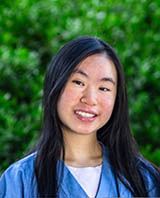 Yuen Tzi Ding
Bachelor of Medical Science and Doctor of Medicine (MD)
Tell us about your project.
My project was a dissection of the Thorax region, with my main objectives being to demonstrate the vessels of the heart, the neurovasculature and musculature of the anterior chest wall, and the structures of the posterior mediastinum.
1. A specimen of the heart was created, exploring the coronary arteries and cardiac veins. What is visible on the specimen is the: right coronary artery and its branches, specifically the SA nodal branch, right marginal artery, and posterior interventricular artery, left coronary artery and its branches, namely the left anterior descending artery, left circumflex artery, and left marginal artery. I also showed the cardiac veins of the heart, exploring the coronary sinus and its tributaries, mainly the great cardiac vein, middle cardiac veins, and small cardiac vein. The clinical applications and cardiac electrophysiology of the heart's venous drainage was also of keen interest and explored further in my written report.
2. By isolating the anterior chest wall, the orientations and anatomical positions of the intercostal muscles can be observed, namely the external intercostals, internal intercostals, innermost intercostals and transversus thoracis muscles. The internal thoracic vein and internal thoracic artery were also shown, as well as its bifurcation into the superior epigastric artery and musculophrenic artery. The neurovasculature intercostal bundles have also been articulated, extending along the inferior border of each rib and running between the innermost and internal intercostals, as well as their spatial order of vein, artery and nerve from superior to inferior.
3. Structures of the posterior mediastinum were also explored in conjunction with fellow Glassgow scholars. Visible on the specimen is the vertebral column, azygos vein and the posterior intercostal veins draining into it, thoracic duct, thoracic aorta giving off the posterior intercostal arteries, greater splanchnic nerve, left and right phrenic nerves, left and right vagus nerves and their respective laryngeal branches, esophagus, and a paratracheal lymph node.
What did you gain from your time as a scholar?
This opportunity was truly an invaluable experience for me. I definitely developed a more thorough, practical understanding of human anatomy, which extended beyond theoretical, textbook learning. Through this immersive and hands-on summer program, I was able to reconsolidate my knowledge of anatomy and continue developing precise, refined dissection techniques that I had only superficially learnt from dissection labs. Exploring anatomical structures beyond the standard classroom learning also allowed me to apply my knowledge clinically and undergo more in-depth research to gain an appreciation of the complexities of the human body. Being a scholar also highly encouraged independent thinking and organisational skills, as we were tasked to come up with our own objections and detailed dissection plans. The flexibility and ability to take charge of my own learning and dissections, whilst working in a very relaxed and fun environment, certainly deepened my interest in the field of anatomy.
Also really grateful for David, Justin, Stephen, Smita, Brenda, and Vandana for their guidance and support, as well as the other scholars, who truly made my 6 weeks of Glassgow a fun experience.
What advice would you give to someone considering applying for this scholarship?
I would definitely recommend those who are considering applying to just have a go. As a 1st year medical student with little to no research experience, I wasn't sure that I would be accepted into Glassgow. So, if you really enjoy dissections and learning about anatomy, don't be afraid to apply and give it your best shot. Additionally, I recommend keeping an open mind and staying receptive to continuous learning. For example, you may find many anatomical variations or abnormalities during your dissections, which may require additional research. Lastly, take the time to observe and engage with the work of your fellow scholars. By learning from their techniques and approaches, you can also expand your understanding of other anatomical structures and regions. All in all, this scholarship is definitely a valuable opportunity to deepen your understanding and interest in anatomy, and one that should not be missed.
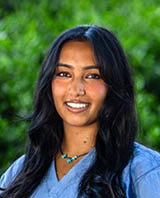 Hita Keshav
Bachelor of Medical Science and Doctor of Medicine (MD)
Tell us about your project.
In my project I conducted a dissection of the Head and Neck. I had the chance to explore autonomic ganglia in this region, specifically focussing on the parasympathetic ganglia. My aim was to illustrate a concept I found extremely difficult when learning this anatomy in class; the geometry and orientation of the course of the facial nerve, including the position of the Geniculate Ganglion, as well as the course it takes via the Pterygopalatine region to reach the Lacrimal Gland. I used high speed drilling as a method to showcase the middle ear compartment, as well as conduct bone excavation in the mastoid region to show the full course of the Facial nerve intratemporally. My dissection further showcased the Ciliary Ganglion and the Pterygopalatine Ganglion as well as various accompanying structures with close anatomical relationship.
What did you gain from your time as a scholar?
In my time as a scholar, I gained a much bigger appreciation for independent dissection, and the ability to plan, organise and conduct my goals single handedly. I learnt anatomy with a greater depth through the course of the scholarship and had the greatest experience working alongside my fellow scholars and all the faculty involved in the scholarship. I really enjoyed the freedom I had to make my own decisions and be as ambitious about my dissection as I wanted. More than anything, I have gained so many friends with similar interests and as a group we managed to get extremely close and all get into the thick of the work together. The experience was absolutely amazing, both the academic aspect as well as the social one.
What advice would you give to someone considering applying for this scholarship?
Some advice I would give to anyone considering the scholarship is to absolutely apply and give it a go. Whether you are already really interested in anatomy, or if you are not sure if you like it, its such a good experience to get really familiar with a certain body region, Personally I had a huge interest in the area of the body I dissected, and this program helped me deepen that understanding I already had and put it into a clear image perspective. I would also really recommend it simply because of the amazing environment and the friends you get to make as well. I can’t emphasise enough how much I enjoyed this time, so if anyone was looking into it I would strongly recommend it.
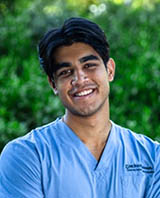 Anish Narayan
Bachelor of Medical Science/Doctor of Medicine (BMedSc/MD)
Tell us about your project.
Specimen 4814 was assigned to me and it was prosected with the intention of showing the autonomics of the head and neck with specific emphasis on paths taken by nerves in the skull and through the various fossa which are generally less spatially appreciable with ordinary literature. It was also intended that the relationship between the nerves would be clear and how they join and "hitchhike" with each other to spread autonomic fibres.
The project can be described through its individual halves which were created through a direct mid-sagittal section.
1. Left half (emphasis on ciliary and pterygopalatine ganglia)
Specimen 4814 displayed a unique anatomical variant where there was an aberrant posterior communicating artery (Pcom) arising from the cavernous portion of the internal carotid artery (C4) matching the non-furcation of the basilar artery on the corresponding side in which the Pcom from C4 continues as the PCA (since the basilar artery only gives PCA on the right end). Hence, one of the first objectives was to show this variation.
The posterior cerebral artery (PCA) usually originates at the terminal bifurcation of the basilar artery (BA). Both PCAs arise from the BA in 70% of cases; the PCA arises from the posterior communicating arteries in 20%; and the origin is mixed in 10%. Non-furcation of the basilar artery is even rarer at 2.94%. Hence, this was a significant variant in the vasculature of the basilar artery.
An extension of this was dissecting out the ophthalmic artery which has been done to its entirety on the left side as it courses inferolaterally to the optic nerve before curving superomedially and it was followed just before it terminated into the anterior and posterior ethmoidal arteries.
The optic nerve was pinned anteromedially to expose the ophthalmic artery and also to bring emphasis to two of the branches of the ophthalmic nerve (V1). This is the lacrimal and the nasociliary branch which are primary autonomic carriers. The former can carry autonomic fibres from the pterygopalatine ganglion innervating the lacrimal gland. These are primarily derived from the greater petrosal nerve which is visible on the right half. Hence the whole pathway from geniculate ganglion to lacrimal gland is visible. The latter carries sympathetic fibres from the ophthalmic sympathetic plexus. In this specimen, a long ciliary nerve (more medial) and the ciliary ganglion connection (more lateral) to the nasociliary nerve has been isolated. The ciliary ganglion can be seen, existing in the landmark demarcated between the lateral rectus and the optic nerve. It carries the autonomic parasympathetic fibres from the Edinger Westphal nucleus carried by the oculomotor nerve as well as the sympathetic fibres carried in the nasociliary nerve. The terminal connection of the ciliary ganglion to the eye is the short ciliary nerves, one of which can be seen in this specimen. In this way, the long ciliary nerves are only sympathetic, and the short ciliary nerves are both sympathetic and parasympathetic.
Then if we look from the medial view of the specimen looking inside the nasal region, about 2 cm below the top of the cribriform plate is the pterygoid canal in which you can see the pterygoid artery and pterygoid nerve (more hidden) clearly. It connects to the pterygopalatine ganglion, and you can see the greater palatine nerve (thicker and more pronounced) and the lesser palatine nerves (thinner) descending. The maxillary nerve connections to the pterygopalatine ganglion are less visible and are hidden by the palatine bone. The maxillary vein and artery were dissected out to maintain clarity of the region.
2. Right half (emphasis on otic, geniculate and submandibular ganglia)
We can look at the at the right half of the specimen in two ways. From a medial view looking directly at the nasal region and laterally on the outside surface of the face.
Laterally on the outside, through drilling via mastoid air cells you can see the facial nerve and its temporozygomatic and cervical branches which have been cut distal to their origins. The auriculotemporal nerve is visible anterior to the ear and coursing superiorly and anteriorly to the superficial temporal artery which is visible as well. They have been pinned together to keep the auriculotemporal nerve taut. As you trace it down, it passes superoanteriorly to the middle meningeal artery where it courses superiorly to join to V3. The stalk of V3 has been anteriorly stretched to expose the otic ganglion which is visible connecting V3 and the auriculotemporal nerve just inferior to the foramen ovale and medial to V3. It carries the parasympathetic autonomic fibres from the lesser petrosal nerve arising from the inferior salivatory nucleus to the parotid gland by way of V3. You can also appreciate the middle meningeal artery and the maxillary artery as they course into the skull. The middle meningeal artery will eventually make its way through foramen spinosum whereas the maxillary artery will course through the pterygomaxillary fissure to eventually enter the pterygopalatine fossa. The maxillary artery’s deep temporal branch is cut however the inferior alveolar branch has been preserved and it can be seen entering with the inferior alveolar nerve into the mandibular foramen. Finally, you can appreciate the chorda tympani originating in the petrotympanic fissure medial to the TMJ and passing underneath the middle meningeal artery as well as the inferior alveolar nerve to reach the lingual nerve just distal to its bifurcation from the mandibular division of CNV. This can also be seen from the inside (medially looking into the nasal cavity) as well. The lingual nerve is followed from the proximal portion to the end. It courses in close proximity to the mandible inferiorly before bending medial to the mylohyoid but lateral to the hyoglossus. Just before it enters the glossal region, you can see the submandibular ganglion (pinned) and its connections passing into the mucosa of the tongue are appreciable if you stretch the superior mucosal surface of the tongue upwards. The lingual nerve carries the taste sensation to the anterior 2/3 of the tongue as well as salivation by way of the autonomic fibres in the chorda tympani from the superior salivatory nucleus.
To discuss the medial portion of the right half, we can appreciate first the middle cranial fossa. Though drilling from the internal acoustic meatus in an anterolateral direction (following the course of the facial nerve), we eventually reach the geniculate ganglion which in this specimen was covered almost entirely by dura instead of the petrous portion of the temporal bone. Hence, this specimen displayed dehiscence of the geniculate ganglion. At this ganglion, 3 connections can be seen. Most medially is the greater petrosal nerve as it courses medioinferiorly to pass under the trigeminal ganglion and over the foramen lacerum and eventually through the pterygoid canal. Second more lateral is the contributing branch of the geniculate ganglion to the lesser petrosal nerve which is a branch of the tympanic nerve carrying the autonomic portion to the auriculotemporal nerve which we appreciated laterally. It passes from the lateral aspect of the petrous part of the temporal bone through the groove for the lesser petrosal nerve into, in this case, the Arnold’s foramen or foramen petrosum (a special foramen just for lesser petrosal which is a rarer variation to the common case where it goes through foramen ovale). Third is the tympanic portion of the facial nerve as it continues posterolaterally before descending. The chorda tympani inside the petrous portion of the temporal bone can also be seen since the malleus and incus (where it travels between) have been dissected out. Looking distally in the greater petrosal nerve (closer to its entrance into the pterygoid canal) a very small delicate branch of the carotid sympathetic plexus is visible joining with the greater petrosal nerve and continuing in the pterygoid canal. This is a very delicate nerve that must be handled with caution. This is the deep petrosal nerve, and it forms the sympathetic portion of the autonomics of the head.
Hence, in this way, both halves of the specimens have all of the autonomics of the head displayed including the 4 autonomic ganglia. All of the petrosal nerves have been showed and ganglionic connections to associated nerves have been defined. Finally, three major anatomical variations were identified, namely non-furcation of the basilar artery, dehiscence of the geniculate ganglion and passage of the lesser petrosal into the foramen petrosum.
What did you gain from your time as a scholar?
Throughout my time doing the Eric Glasgow project, I gained a wealth of knowledge related to prosection and dissection technique as well as the care and precision that is needed when carrying out an ambitious dissection like mine where all of the autonomic ganglia which are so small need to be seen. As a result of this, I was also greatly able to appreciate more about the neural structures of the brain as well as rectify some misconceptions since the information about small nerves in applications like complete anatomy doesn't actually reflect the true anatomy that you tend to see. Furthermore, my specimen had extremely rare variations in the basilar artery known as non-furcation, geniculate ganglion dehiscence and passage of the lesser petrosal into the foramen petrosum. This gave me an outstanding opportunity to appreciate novel anatomy.
Finally I think the friends and people I was able to meet sealed the scholarship's experience for me giving me lifelong connections.
What advice would you give to someone considering applying for this scholarship?
I think I would say that if you love to challenge yourself and also love anatomy, then you should definitely apply and be ready to have the best time!
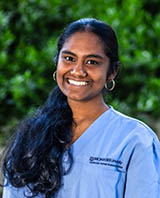 Mahalakshme Thiagarajan
Bachelor of Medical Science and Doctor of Medicine (MD)
Tell us about your project.
This dissection explores the anatomical structures of the face, jaw, and posterior neck, exposing key features such as the superficial temporal artery, auriculotemporal nerve, and muscles like the masseter and temporalis. The infratemporal fossa is dissected to reveal the lateral and medial pterygoid muscles, lingual nerve, maxillary artery, and branches of the trigeminal nerve. Additionally, structures in the posterior suboccipital triangle, including the rectus capitis muscles and vertebral artery, are shown. This examination highlights the relationships between vascular, neural, and muscular components in these regions.
What did you gain from your time as a scholar?
My time as a scholar was incredibly valuable. I had the opportunity to connect with other Glasgow scholars, and we became close friends, sharing our experiences and learning together. The anatomy demonstrators were a huge source of inspiration for me. Their passion and expertise motivated me to dive deeper into my studies. During this time, I greatly improved my dissection skills, which boosted my confidence in handling cadaveric specimens. I also developed a much better understanding of anatomy, especially the detailed structures of various body regions. One area that particularly stood out to me was the face, as I spent a lot of time exploring its complexities.
What advice would you give to someone considering applying for this scholarship?
My advice to anyone considering applying for this scholarship is to be open to learning about every part of the body. It's easy to get drawn to certain areas of interest, but the scholarship offers a unique opportunity to explore all aspects of anatomy. Embrace the challenge of learning about both familiar and unfamiliar regions, as this broadens your understanding and skills. It will also push you to grow as a learner and practitioner. So, be curious, stay open-minded, and take full advantage of all the learning opportunities that come your way.
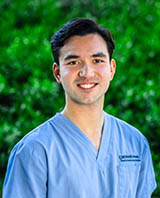 Zachary Hengel
Bachelor of Medical Science/Doctor of Medicine
Tell us about your project.
My project has involved an exploration of the thorax - focusing particularly on the lungs. This involved removing the anterior chest wall and the heart in order to allow a clearer view before removing lung parenchyma to reveal the contrast between the bronchial/arterial system and the pulmonary venous system. I decided to keep the lungs in-situ since it would allow this specimen to better reflect anatomical relationships between structures in the thorax. With the lung tissue cleared, the posterior mediastinum was able to be dissected and visualised as well.
What did you gain from your time as a scholar?
In my time during this program, I have deepened my understanding of anatomy and dissection far more than I was ever able to during in-semester teaching. Due to the structure, this program allows for significant investment into one dissection which has led to me feeling vastly more confident with human anatomy. Additionally, I've found a great sense of fulfillment in crafting a specimen over the course of 6 weeks that I hope will be able to act as a valuable resource for future anatomy students.
Beyond this, this program has also been a wonderful opportunity to meet people from different backgrounds and for us to come together during the holidays to work on something meaningful while also having a great time as a group.
What advice would you give to someone considering applying for this scholarship?
I highly recommend putting in an application for this scholarship as the experience has been fantastic. Although it may seem daunting, this program is designed in such a way that it is both manageable and incredibly valuable for your anatomical knowledge. Often you don't realise how much you've learned just via exposure. Despite this, I would take the time to read more in depth about the region you are dissecting as this makes the process immensely more straight-forward once you've developed a more detailed understanding of the area. The benefit of this program is, unlike during semester, there is the time to do this additional reading.
Further, I recommend you get to know your fellow scholars. When everyone is open to one another, it's incredible how quickly you can form such strong relationships in 6 weeks. Have lunch together, play pool at Monash Sport at the end of the day and just enjoy this incredible opportunity.
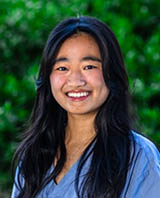 Nadine Lim
Bachelor of Medical Science and Doctor of Medicine
Tell us about your project.
My project was a cadaveric dissection of the cavernous sinus and the structures of the orbit, producing a specimen for future anatomy students to study. I chose these areas as they are regions I remember struggling to visualise myself in my learning journey. There are specific structures I believe would benefit from having a cadaveric demonstration available, for example the movement of the oblique muscles of the eye. In addition, my donor had pathologies that were exciting to explore and I uncovered evidence of a possible retrosigmoid surgical approach to remove a right vestibular schwannoma.
The cavernous sinus is the passage for four cranial nerves, CN III-VI, as well as the internal carotid artery. The relationships between structures in this space can be difficult for students to visualise, hence I chose it for my project. Utilising the paired nature of the sinus, on the left of the specimen I highlighted the trigeminal ganglion and its three branches in the lateral wall of the cavernous sinus. I also uncovered the locations of the foramina and fissure in which the branches exit. On the right, I removed the ganglion to reveal to course of the abducens nerve as the most medial cranial nerve in the sinus. The path of the ophthalmic artery branching off the internal carotid was highlighted, passing inferior to the optic nerve.
The orbital cavity has contributions from five cranial nerves, CN II-VI, in addition to seven extraocular muscles, extensive vasculature, the lacrimal apparatus and the globe. I identified a few complex concepts I wanted to demonstrate with my dissection: the movement of the extraocular muscles, in particular the obliques; the trochlea of superior oblique; the branches of the ophthalmic nerve; and the conjunctiva. To achieve this, I used two approaches to the orbit, anterior and superior. An anterior view isolated all seven extraocular muscles and their innervation, allowing the movements each muscle performs to be demonstrated. The superior eyelid can be reflected laterally to explore how the conjunctiva reflects onto the surface of the eye. On the other side, I used a superior view to highlight the frontal, lacrimal, nasociliary, long ciliary nerves and ciliary ganglion contributions. I also dissected the trochlear and oculomotor nerves, tracing their path from the sinus to the muscles they innervate.
While performing my craniectomy to remove the cranium, I noticed a large hole in the right half of the occipital bone. David and Justin, the Glasgow supervisors, helped me take CT and MRI scans to further investigate the anomaly and we brainstormed possible causes, from embryological to iatrogenic. The scans revealed an trumpeted right internal acoustic canal with evidence of drilling, which was supported by my dissection of the area. Other findings included hyperostosis frontalis interna, a convexity meningioma and a metal staple in the dura. Piecing these findings together was a challenge and I had many great conversations with my fellow scholars and Glasgow Teaching Assistants theorising about the pathologies.
What did you gain from your time as a scholar?
The Eric Glasgow Scholarship allowed me to fully immerse myself in an anatomy region I am fascinated by. Having six weeks to explore the region helped me better understand the relationships between structures and certainly improved my knowledge of head and neck anatomy. The program has reinforced the value dissection brings to anatomical learning; the 3D visualisation and interaction that a specimen provides is difficult to achieve with textbooks.
In addition, guided freedom afforded to me was exciting; while I was fully in charge of my specimen and the direction I took with the dissection, I knew I could access support and expertise as needed. I brainstormed, researched, planned and executed my dissection of the cavernous sinus and orbit with periodic consultation with the program leads, assistants and other scholars. Not only did I improve my technical dissection skills, the environment was fantastic for fostering self-directed learning and exploration. By the end of the program, I gained extensive knowledge of my dissection's anatomy and the skills to plan and lead my own learning journey.
Everyday in the dissection lab I was surrounded by a group of peers who exemplified the benefits of collaboration and supporting each other in our learning journeys. If I was unsure about a particular approach or confused about a certain region, in the thick of it I knew I could bounce ideas off my fellow scholars for help, and vice versa. By observing their dissections over the six weeks, I gained valuable insights and learned new anatomy concepts I hadn't known before. But not only did I better appreciate the value of collaborative learning through the program, I also found a group of friends united by a shared passion for anatomy. Through our group discussions and shared excitement over a particular anatomical variation or finding, we bonded and formed great friendships that will see us through our university years and beyond.
I'd like to thank David and Justin, our wonderful program leads; Brenda and Vandana, our lovely teaching assistants; and Stephen and Smita, our fantastic lab technicians!
What advice would you give to someone considering applying for this scholarship?
I will reiterate what I know all my fellow scholars will say; absolutely go for it! The program is perfect for those who have loved their anatomy classes, for those who want to improve their dissection skills or to try it for the first time, and for those who want to take their learning a step further. You will meet a group of like-minded, brilliant scholars to embark on this journey with, and find so much common ground even if you are all dissecting different regions. The program staff are incredibly supportive and helpful through the whole process, so don't let yourself be weighed down by uncertainty; questions are always encouraged in the lab!
Don't be afraid to apply out of fear of rejection or not knowing enough; we had a range of scholars from various degrees, from first years to those entering their final year of medical school. Each scholar entered with different levels of knowledge, some having never dissected anything other than a chicken wing, others having scrubbed into numerous surgeries. Yet, we all thrived in the Eric Glasgow Program and I know many scholars after us will too.
On a practical note, I recommend keeping your anatomy studies up during the year to maximise your chance of acceptance, as grades are apart of the selection criteria. Engage with your university community through volunteering, education and leadership opportunities and reflect on your own anatomy education journey.
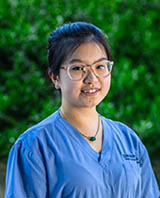 Alyssa Yap
Bachelor of Medical Science and Doctor of Medicine
Tell us about your project.
My project was a cadaveric dissection of the female pelvis with the goal of producing a prosection for educational and teaching purposes. The pelvis is a complex area of anatomy with many clinically significant anatomical regions. I chose to focus on three main areas: the internal iliac artery and its branches, the gluteal region, and the perineum, with the aim of identifying and following the course of the internal pudendal artery, from its origin to its terminal branches, throughout these three areas.
My dissection began on the anterior aspect of the pelvis, following the left common iliac artery as it branched into the external and internal iliac arteries. I followed the course of the internal iliac artery as it descended into the pelvis, removing the peritoneum and fascia overlying deeper structures to uncover the branching pattern of this artery, in particular, to identify the three major arteries exiting the pelvis - the superior gluteal, inferior gluteal and internal pudendal arteries. Whilst my main objective was to visualise the arterial mapping, I chose to preserve the surrounding veins and nerves to demonstrate their anatomical relationships and highlight the complexity of the neurovasculature within the pelvis. As I progressed deeper into the pelvis, dissecting became more physically challenging due to the narrow, cramped space and the need to find instruments long enough to dissect deeper structures, but was ultimately more rewarding as I stepped up to the challenge.
My dissection of the left gluteal region began by reflecting the skin and subcutaneous tissue and creating flaps of the gluteus maximus and gluteus medius muscles. I then utilised the three major arteries I had identified within the pelvis - the superior gluteal, inferior gluteal and internal pudendal arteries - and traced their course with the intent of appreciating their anatomical relationships as they exited the pelvis. From there, I dissected along the internal pudendal artery as it re-entered the pelvis through the lesser sciatic foramen, demonstrating its relationship to the sacrospinous and sacrotuberous ligaments. I also identified the pudendal nerve and followed both structures as they passed through Alcock’s canal.
My final dissection was of the left perineum using a posterior approach. I extended the skin flap and removed the subcutaneous tissue from the ischioanal fossa and followed the pudendal neurovascular bundle into the perineum. I identified the major branches of the internal pudendal artery and pudendal nerve and dissected each to its terminal branches, demonstrating the complexity and intricacy of the perineal region.
What did you gain from your time as a scholar?
My time as an Eric Glasgow scholar has been a thoroughly enjoyable and rewarding experience. As I have recently completed my third year of medical school, I have not only been able to further my anatomy knowledge and sharpen my dissection skills, but I have also been able to build on the skills and experience I gained through my surgical rotations and enhance my confidence in handling surgical instruments and working with human tissue.
As a medical student, I am privileged to perform dissections on human donors and appreciate the 3D anatomy of prosections as a part of my medical school curriculum, and this program has only deepened my respect and gratitude to the donors that provide so much value to not only my anatomy education, but also to my understanding of respect and empathy toward the human body and towards future patients.
This program has also allowed me to appreciate the uniqueness of the body throughout the lifespan and from person to person, as both myself and fellow scholars were able to identify anatomical variants in our specimens. Furthermore, this scholarship has provided me with the opportunity to grow and develop soft skills as I collaborated with other like-minded students and learnt under the guidance of the Centre of Human Anatomy Education staff – skills that are invaluable to me.
What advice would you give to someone considering applying for this scholarship?
I cannot encourage you enough to apply for this program! Regardless of the amount of experience you have in cadaveric dissection, this program is extremely valuable and rewarding to all those interested in human anatomy and/or surgery. Working under the guidance of the wonderful Centre of Human Anatomy Education staff and with the support of other like-minded students is an opportunity like none other, allowing you to develop many professional and technical skills that will benefit you for years to come. This is truly such a unique and beneficial experience and I urge you to go for it!
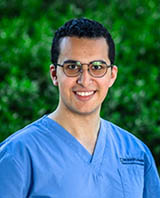 David Rofail
Bachelor of Medical Science and Doctor of Medicine
Tell us about your project.
A female specimen of the pelvis and thighs has been made to show the right lumbosacral plexus, the femoral triangles; superficial on the right and superficial on the left, and the neurovasculature to the anterior third (1/3) of the perineum on the left. The perineum has been dissected to show the fascial planes continuous with the abdominal fascial planes. The right femoral triangle shows intact lymphatics and many individually dissected branches of the femoral nerve, and the cutaneous innervation of the skin to the thigh - which is visible in the skin flap. The iliotibial band has been preserved. The left femoral triangle reveals the extent of the vasculature produced by the femoral artery and vein. The adductor longus m. has been excised to visually aid the viewer. The obturator neurovascular bundle is also visible in the medial aspect of the deep femoral triangle. The external pudendal arteries and the ilioinguinal and genitofemoral nerves have been traced into the perineum, where they supply the anterior third.
This project complements another dissection on the same specimen which reveals the complementary posterior 2/3rds of the neurovascular supply to the perineum by the pudendal nerve and the internal pudendal vessels. Additionally, the left lumbosacral plexus has been dissected, and the viscera and visceral arterial supply has been mobilised for the viewer.
What did you gain from your time as a scholar?
- Confidence and autonomy in navigating highly variable anatomy
- The skills of intricate and deep dissection
- Creativity in finding ways to accomodate for a more comfortable dissection
- Satisfaction in knowing that I have created a specimen which will be helpful and used by hundreds of students to understand anatomy that I found difficult when I first learnt it
- Time with other like-minded students with interest in anatomy
What advice would you give to someone considering applying for this scholarship?
Just apply!
My time in this program felt not at all like a job. If you are interested in anatomy, the Glasgow Scholarship is a great way to explore your interest, and it gives you the opportunity to develop new knowledge, skills and methods which will be very difficult to do elsewhere.
The autonomy you receive to produce a specimen helps you become more confident in your decision making processes and knowledge, but it also creates a sense of satisfaction in knowing you have created something of great value and use.
Don't think twice. Just apply.
 Lucas D'Costa
Doctor of Medicine
Tell us about your project.
I was assigned the head and neck specimen for my dissection. The head and neck are connected to the thorax for a combined Vagal nerve dissection project. The main objective was to create both a unique deep and superficial dissection of a high standard, with the purpose of furthering medical and anatomical education.
My objectives were to create a deep dissection of the face on the right side, demonstrating the pathing of the Vagus nerve, hypoglossal nerve and accessory nerve. I aimed to demonstrate the Vagus nerve continuity as it courses down the neck into the thorax. Within the right side of the neck, I have dissected into the sternocleidomastoid and trapezius to demonstrate the complex branching of the accessory nerve, highlighting any anastomosis with the cervical plexus. Additionally, I have isolated the sympathetic chain as it descends to the stellate ganglion. Within the face, I have preserved deep facial muscles such as the medial pharyngeal constrictor as well as suprahyoid muscles such as the stylohyoid and mylohyoid and other muscles like the posterior belly of the digastric muscle. The specimen also preserves the branching of the carotid artery, pterygomandibular raphe and a portion of the mandibular process so that medical students can learn about the relative positions of nerves and muscles within the face.
The left side of the face is a superficial dissection demonstrating the different terminal branches of the facial nerve. The parotid gland and submandibular gland are kept completely intact to contextualise the relative pathing of facial nerve branches as they radiate outwards (distally) in the face. On the left neck is the preservation of the left Vagus nerve, with the external Vagal branch isolated and mapped. The left Vagus nerve also has continuity into the thorax and can be tracked to the oesophageal plexus. I have dissected some of the infrahyoid muscles and the cricoid cartilage and thyroid cartilage can be observed.
What did you gain from your time as a scholar?
The Eric Glasgow scholarship has been an irreplaceable, outstanding experience. It has provided me with unique privilege and incredible learning experience of doing a dissection project of my choosing, for the full six weeks. During my time at Glasgow, I had both the ability to choose what I wanted to dissect and had the opinions of my supervisors and teaching associates to guide me along the way. Since starting the scholarship, I have learnt many dissecting techniques, how to use different dissecting tools, a lot about human anatomy and observed human anatomical aberrations that cannot be taught in anatomy lectures or textbooks. The Glasgow Scholarship taught me about anatomy in a level of intricate detail that cannot be taught in any other setting. The privilege of dissecting has unveiled anatomical relationships and a complexity that I did not previously know. Textbooks were useful in gaining an understanding of anatomical borders and insertions of muscles (as an example), but it was only through dissection that I could truly learn how these structures interacted and where they were positioned in the face and neck. Overall, my appreciation of the human body and confidence in dissecting have greatly increased.
Since starting the scholarship, I have formed amazing friendships with my fellow scholars who are all supportive, friendly, and incredibly like-minded. One thing I did not expect was the camaraderie within the lab, where we would ask each other questions, help with each other’s dissections, and learn about the anatomy of their individual projects. It was valuable to be mentored by incredible supervisors, teaching associates and back of house staff, without whom my development, learning and success from the Glasgow Scholarship would not have been made possible.
What advice would you give to someone considering applying for this scholarship?
I would recommend applying to this scholarship as it is an invaluable and unprecedented educational experience. The project can be daunting in the beginning, firstly because there is a lot of anatomy to learn and secondly the dissection itself and deciding a project is difficult. Doing some research in the first few days of the scholarship (and throughout as needed) can help with the anatomy and I would recommend asking the supervisors and teaching associates for help, as they are always keen to help you at any point. I would encourage applicants to be as social as they can be, to make long-lasting friendships with their fellow scholars. In completing the project, you will have achieved an amazing milestone of creating your own dissection to be used for teaching future anatomy students, which is an incredible honour and privilege. The program also provides the opportunity to gain experience in report writing and presenting your ideas to your fellow scholars and anatomy staff. Overall, it is something that passionate anatomy students should go for!
 Saira Srihari
Bachelor of Biomedical Science
Tell us about your project.
Over the course of the Eric Glasgow Scholarship Program, I had the wonderful opportunity of producing a prosection of the lower limb. The aim of my project was to showcase major structures of the popliteal fossa, the plantar surface of the foot and the anterior surface of the leg. The purpose of my prosection is to provide future anatomy students of Monash University with a resource that can aid in their education about the complexities of the lower limb whilst highlighting prominent structures that can be applicable to a clinical setting. In the early stages of the program, I consulted several anatomy textbooks and drew inspiration from cadaveric dissections online which together assisted me in formulating a well-structured dissection plan.
In the first component of my dissection, I exposed the muscles which form the distinct diamond-shaped popliteal fossa and displayed major arteries, veins and nerves that supply and innervate the leg inferiorly. I began by marking an appropriate window on the skin and reflected it, followed by a reflection of the subcutaneous tissue. Soon after the deep fascia layer was removed, I was able to identify and appreciate the major muscles including the biceps femoris, semitendinosus, semimembranosus and the lateral and medial heads of the gastrocnemius. Also visible in this view was the popliteal artery and popliteal vein. The tibial nerve and common fibular nerve that bifurcate from the sciatic nerve were also clearly seen in my dissection.
In the second component of my dissection, I focused on the plantar surface of my foot. This was a deep dissection which brought awareness to the four layers of the plantar surface each containing important muscles, tendons, nerves and arteries. I started by isolating the most superficially located structure, the plantar aponeurosis. Deep to this, I located several muscles such as the flexor digitorum brevis, abductor digiti minimi, abductor hallucis, flexor hallucis brevis, quadratus plantae, lumbrical muscles etc. The medial plantar nerve, lateral plantar nerve and its branches were also preserved. Notably, how these structures extend to their respective phalanges should be appreciated and would be advantageous in anatomical learning.
Lastly, my dissection of the anterior surface of the leg had a superficial and deep component. The superficial component brought focus to the great saphenous vein and its many tributaries. In the deep component, I flipped away the extensor hallucis longus muscle which revealed the anterior tibial artery, anterior tibial vein and the deep fibular nerve. I then extended my dissection and made a small window on the dorsum of the foot to showcase the dorsalis pedis artery. I thought it would be valuable to show the relationship between the dorsalis pedis artery and the anterior tibial artery with the application of the dorsalis pedis pulse.
What did you gain from your time as a scholar?
In my time in this scholarship program, I have been able to extend myself both academically and personally. This program enforces an immersive and hands-on experience for those with a passion for anatomy. As a Glasgow Scholar, I was given the freedom to produce a prosection in any way that I liked. Whilst being surrounded by like-minded individuals, I was encouraged and inspired to step out of my comfort zone and challenge myself in researching, adapting and producing a prosection that was true to what I believed would be valuable for the future of anatomy learning at Monash.
Additionally, this program provided me with the unique experience of collaborating with my fellow Glasgow Scholars. Although we were working on our own dissections, I have especially enjoyed discussing the dissections of other Glasgow Scholars along the way. It has been extremely special to learn from those who share a deep interest in anatomy and also witness the wonderful prosections they have produced. I have also loved learning several dissection techniques which was an area that was quite new to me. Through spending many hours in the anatomy laboratory, I became more confident in my dissection skills which also ameliorated my knowledge in human anatomy; knowledge that is difficult to recognise in anatomical textbooks.
Moreover, I was able to gain as much as I did with the support of the Centre for Human Anatomy Education (CHAE) staff. I would like to thank A.Prof. Justin Adams, Dr David Gonsalvez, our laboratory staff, Stephen Thompson and Smita Mehta as well as our Teaching Assistants, Brenda and Vandana who supported us throughout the whole program and made this experience invaluable.
I feel extremely grateful for this worthwhile opportunity that has equipped me with necessary skills and knowledge that I will take into my future endeavours. Not only has this program fueled my passion for anatomy in the best way but has also been a catalyst for my self-growth. I truly believe that the Eric Glasgow Scholarship has been an incredible step in my educational journey in acquiring a holistic skillset and leaving with an experience that is both rewarding and a memory for life.
What advice would you give to someone considering applying for this scholarship?
For anyone considering applying for the Eric Glasgow Scholarship, I would say just go for it! This program is such a unique opportunity to be independent in your own learning, researching and innovation in human anatomy. I believe that those with a real passion for anatomy would find it extremely fascinating to explore the intricacies of the human body as I did. It was truly a rewarding experience and I was able to make some amazing friends along the way who I had so much fun spending the summer with!
If you like a good challenge in dissection, this is for you! As much as I was feeling nervous about performing a dissection by myself from scratch, I preserved, stayed motivated and took my time with my dissection. There is absolutely no rush! I will also say, do not think you have to know everything before you start dissecting. It is completely okay to dissect for a bit and then find that you need to go away and research about a particular structure. The human body is unpredictable and you are likely to come across variations that are not in your textbook.
Coming into the program, I made sure to approach my learning with endless curiosity. I am a huge believer in the saying that ‘you get what you put in’ which definitely elevated my experience in this program. I highly recommend asking as many questions to the lovely CHAE staff who are always willing to share their knowledge and expertise.
I can guarantee you will walk away feeling proud of yourself, not only for your self-growth but also for the invaluable opportunity to make a meaningful contribution for anatomical learning at Monash.
You got this!!
 Lam Minh Thu Nguyen (Sally)
Bachelor of Biomedical Sciences
Tell us about your project.
The aim of my project was to create a detailed prosection of the lower limb for educational purposes, focusing on structures essential for understanding complex anatomical relationships. This prosection was designed to serve as a valuable resource for future Monash students, offering insights beyond what textbook diagrams can convey.
The dissection began with reflecting the skin and superficial fascia, meticulously preserving superficial veins such as the great saphenous vein and the cutaneous nerve branches. This approach allowed for the demonstration of their relationships with deeper anatomical structures. In the anterior and posterior compartments, I exposed the quadriceps femoris, hamstring muscles, and gastrocnemius, highlighting their functional anatomy and clinical relevance.
Special attention was dedicated to the knee joint, where I isolated and preserved the anterior cruciate ligament (ACL), posterior cruciate ligament (PCL), and medial collateral ligament (MCL). The menisci were also explored, with a focus on their role in joint stability. During the dissection, I observed meniscal calcification, which added a clinical perspective to the educational value of the prosection.
Moving to the foot and ankle, I dissected the extensor and flexor retinacula to demonstrate their contributions to movement and stability. I also traced the tibial nerve, common peroneal nerve, and dorsal artery of the foot, emphasizing their anatomical pathways and functional significance. Notably, a lack of plantar muscles in the specimen was identified, further enhancing the uniqueness of the prosection as a teaching tool.
The final prosection showcases the intricate interplay between muscles, ligaments, and neurovascular structures in the lower limb. By preserving and reflecting key anatomical layers, it provides a hands-on learning opportunity for students to engage with and appreciate the complexity of the lower limb’s anatomy.
What did you gain from your time as a scholar?
During my time as a scholar, I gained invaluable experiences that greatly enhanced my academic and professional development. Coming from a biomedical sciences background, I initially had limited exposure to dissection skills, which made the process challenging at first. However, through the guidance of supervisors and the support of my peers, I developed not only the technical skills required for intricate dissections but also a deeper appreciation for the anatomy process and the professional working conditions within this field.
The opportunity to serve as a teaching assistant further honed my understanding and ability to communicate complex anatomical concepts, reinforcing my own learning while contributing to the education of others. Additionally, working closely with peers, mentors, and supervisors allowed me to gain valuable insights and build meaningful relationships, which I consider foundational for my future medical career.
Overall, this experience provided me with a strong appreciation for the intricacies of human anatomy, an understanding of collaborative learning in professional environments, and a skillset that will undoubtedly benefit my aspirations to become a medical professional.
What advice would you give to someone considering applying for this scholarship?
For anyone considering applying for this scholarship, my advice would be to embrace the opportunity wholeheartedly, even if you feel uncertain about your skills or background. This program is designed to help you grow and develop, regardless of your prior experience. Don’t be discouraged if you have limited exposure to dissection or anatomy—what truly matters is your curiosity, willingness to learn, and commitment to the process.
Take full advantage of the resources available, including the guidance from supervisors and the collaborative learning environment with your peers. Ask questions, seek feedback, and view challenges as opportunities to improve. The experience will not only deepen your understanding of anatomy but also teach you valuable professional skills, like working in a team and adapting to new situations. Expect the unexpected!!!
Finally, approach this scholarship as more than just a project—it’s a chance to contribute meaningfully to the teaching of future students, build relationships with inspiring professionals, and lay a strong foundation for your career. If you’re passionate about anatomy and ready to step out of your comfort zone, this program will be an incredibly rewarding experience.
2023 Scholars
View
 Alia Zahirovic
Bachelor of Medical Science and Doctor of Medicine (MBBS)
Tell us about your project.
My project encompassed two main goals: firstly, to expose and elucidate the muscles of facial expression, and secondly to expose and delineate the branches of the facial nerve and facial artery within the head and neck. This project was not without its challenges, as it involved a lot of delicate work with small and superficial vessels, but ultimately I found it really rewarding. Since the head and neck is such a dense area, I was able to learn so much not only about the technique of dissecting itself but also about different approaches to various structures and appreciated the very close anatomical relationships between structures as they appeared in a real specimen.
What did you gain from your time as a scholar?
The main thing I really loved about the scholarship was the hands on learning and problem-solving. There is so much to be learned in the process of setting out your own goals for a dissection and figuring out a way to achieve them. The donors really do teach you in this way – they expose your weaknesses and your blind-spots, but these really become opportunities for learning in their own right. Through the process of working through the tissue, you are pushed to revise and improve your understanding, your skills and your approach to make things work. I don’t think that this kind of experience can really ever be replicated without human tissue, and I am so grateful to the donors and to the CHAE for the opportunity.
Moreover, the environment at the lab itself was fantastic. It was great to be able to discuss our projects together and learn from each other, but also to observe one another as we worked in the lab. Coming across and documenting anatomical variations was a particular treat.
Finally, I take pride in the fact that these specimens will be available for use by future students. I feel so lucky, knowing that we’re able to give back to the Monash community in such a meaningful way, whilst simultaneously gaining so much from the experience of creating these prosections to begin with.
What advice would you give to someone considering applying for this scholarship?
Firstly, don’t be discouraged if you previously have had little or no experience with dissection. No experience is required, and I personally had no experience prior to taking the scholarship, and found that it was really enriching to learn as I went. Furthermore, there is so much to gain from working with human tissue and this scholarship is unique in terms of offering that opportunity to students. Finally, the independence you are afforded in terms of planning and executing your dissection can be a bit daunting at first, but I felt it encouraged me to develop my skills and my confidence in a very short period of time. If you are remotely curious, I would recommend that you apply!
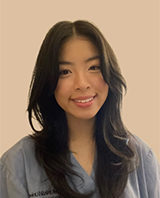 Christine Wang
Bachelor of Biomedical Science
Tell us about your project.
In the course of this project, I was given the opportunity to perform two dissections. I worked alongside fellow scholars to perform an upper limb removal, with exposure of the brachial plexus with the limb. There was also an additional objective: to cut axial skeletal muscles, specifically those which attach to the shoulder girdle and humerus, at its insertion thus leaving them attached to the axial skeleton one side, while on the other side, the axial skeletal muscles were cut at its origin thus maintaining its attachment to its respective insertions. Differing views of various muscles on either side of the specimen were produced, including pectoralis major and minor, trapezius, latissimus dorsi, rhomboids, levator scapula and serratus anterior. The clavicles were ultimately cut close to its sternal end, allowing for upper limb abduction and axilla exposure. The axillary artery was traced and the brachial plexus, subclavian vessels, trunks, and some roots were revealed. Following connective tissue clearance, the vessels and brachial plexus were cut proximally, facilitating the complete detachment of the upper limbs.
The second dissection involved a brain extraction with intact cranial nerves, such that it could be used for further dissections. It commenced with a partial circumferential cut on the calvaria, which was followed by an occipital wedge cut once the posterior neck muscles were detached. This collectively facilitated access to the brain while preserving the vertebral arteries. Subsequently, a bilateral laminectomy of cervical vertebrae (C1 to C4) was performed, ultimately exposing the first and second cranial nerves and nerve roots which were then cut. As the brain was extracted, the 12 pairs of cranial nerves were precisely cut at their exits from the foramina. The Circle of Willis, encompassing cerebral arteries, branches, both posterior inferior cerebellar arteries, and both internal carotid arteries, was retained and exposed.
What did you gain from your time as a scholar?
As a scholar, this independent dissection experience offered a unique perspective on anatomy. The scholarship fostered an appreciation for anatomy from a teaching standpoint, in particular the expertise and effort required to prepare prosections for teaching. Throughout the dissection, my focus remained on presenting the anatomical prosection in a way that maximises learning opportunities for fellow students. The brain - being one of the most fascinating yet complex regions to learn - poses challenges for learners, including myself. The exposure to high-quality brain specimens played a pivotal role in my understanding of neuroanatomy. Therefore, my firsthand experience underscored the significance of producing high-quality brain specimens for the continuous learning of students navigating this region.
Through seeing and dissecting structures directly, the program offered a more detailed and precise understanding of anatomy, which is incomparable to my previous learning. The depth of anatomy knowledge and confidence I’ve acquired would not be complete with the collaborative efforts with fellow scholars and the immense guidance from David and all the supervisors. While the dissection itself is an individual endeavour, the practical and soft skills I have cultivated from this program have consistently been supported by many. Undoubtedly, these skills will remain invaluable assets as I continue with my future studies.
What advice would you give to someone considering applying for this scholarship?
For those contemplating applying, I wholeheartedly encourage you to take the opportunity! The program creates an environment where other students and academics with a shared passion for anatomy can work together, fostering a supportive and enjoyable experience. This unique initiative enables you to delve deeper into your curiosity about anatomy by offering a hands-on experience which you often do not have in normal classes. During the dissections, many of us came across many unique variations which really highlighted the intricate and complex nature of anatomy, making this field of study more fascinating than it already is. Moreover, engaging in dissections not only enhances your understanding of anatomy and skill development, but also instils a sense of gratitude for the invaluable role played by donors who have generously contributed to the advancement of our knowledge. I will definitely say the collaborative spirit and supportive atmosphere make this program a truly enriching experience for anyone aspiring to explore anatomy even further!
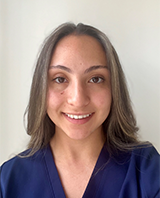 Demitra Edward
Bachelor of Medical Science and Doctor of Medicine
Tell us about your project.
My dissection project was to isolate the muscles of facial expression and also demonstrate the course and branching pattern of the facial nerve as it passes through the parotid to innervate the muscles of facial expression via its five terminal branches (temporal, zygomatic, buccal, marginal mandibular and cervical). To summarise, after removing the skin and subcutaneous tissue I first cleaned and identified the muscles of facial expression. This was a challenging feat as anatomical textbooks fail to reflect the diverse variation in origin and insertion of the muscles of facial expression so my background knowledge was too fixed and did not match the arrangement I uncovered. Moreover, the borders between adjacent muscles are not as clear-cut as in textbook diagrams. This made identifying the muscles challenging, so I artificially delineated the muscles using a scalpel to aid future teaching.
I then moved on to dissecting the facial nerve using a combination of parotidectomy techniques and retrograde dissection. Though challenging and intricate, this dissection was rewarding. Researching the various branching patterns of the facial nerve and following the course of the facial nerve in the donor further cemented for me how flexible one has to be when studying anatomy. Variations are far more common than you may initially think.
What did you gain from your time as a scholar?
For me, a key takeaway was just how common anatomical variations are. Throughout the program, I think each of us came to find some form of variation (large or small) in our donors. No matter how well you may learn your course material, you have to be flexible in your understanding of anatomy as very little is concrete.
Additionally, as I was presented with different variations and challenges I developed my skills in navigating the unfamiliar and problem solving. Since my dissection was focused on a relatively small area, navigating these difficulties was at times frustrating and tested my perseverance. My frustration, however, was what made later successes all the more rewarding and meant that my final prosection was something I truly took pride in.
Lastly, working alongside my fellow scholars was an absolute highlight of the program. The Glasgow Scholarship provides you with the opportunity to work for an extended period alongside a diverse group of like-minded students who share a passion for learning and anatomy. Learning alongside students from other courses and faculties was also immensely valuable as I gained insight into some different approaches to studying anatomy. Learning with such a kind and friendly group of students has been a privilege.
What advice would you give to someone considering applying for this scholarship?
If you are interested, do not hesitate to apply! Though the application may seem daunting and competitive, there is nothing to lose and should you be successful the experience is incredible. There are very few opportunities to dissect throughout a medical degree, so seize this opportunity.
You will find that your passion for anatomy will only be increased after undertaking this course and you will gain invaluable skills to carry forward in your studies and future career.
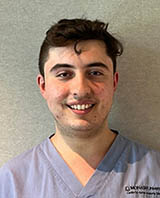 Jack Brydon
Bachelor of Medical Science/Doctor of Medicine
Tell us about your project.
We were each provided a specimen with an objective to create a useful prosection which could be used in the future years of specimens teaching. My area of focus was on the brachial plexus. I hoped to demonstrate the course, location and branches of the brachial plexus from the trunks emerging in the posterior triangle of the neck, to its terminal endings. I also managed to trace the ulnar, musculocutaneous and median nerves further down the upper limb and demonstrate the brachial plexus’ relationship with the axillary artery.
What did you gain from your time as a scholar?
This kind of project really is the best way to learn anatomy. The freedom to research and develop your own dissection plan allows you to go into a great level of depth in your study of a region or structure. I was able to both solidify my pre-existing knowledge of the brachial plexus and expand on the material taught in class to deeply appreciate its finer details and common variations. Furthermore, I was able to expand my knowledge in other areas which will be invaluable to me as I progress through my studies such as dissection technique, research and communication.
What advice would you give to someone considering applying for this scholarship?
I would recommend applying to anyone remotely interested in anatomy and dissection. The project really is a rare and unique opportunity to take advantage of. I enjoyed the laid-back environment in the lab, and I will cherish the friendships and connections I have made amongst my peers as well as faculty members. While it can seem like an intimidating and challenging project to undertake, everyone regardless of their previous experience (and level of self-doubt) is able to produce something they’re proud of and you are very well looked after by the demonstrators and technical staff. The Stephen’s, Sylvia, Ben, Yasith, Smita and David were all helpful and wonderful people to have in your corner for this experience, and I’d encourage anybody who is interested to apply.
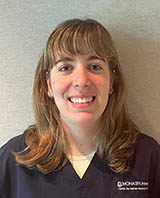 Kennedy Wood
Bachelor of Biomedical Science
Tell us about your project.
The purpose of my project was to produce a prosection that could be used to aid the teaching and learning of anatomy for demonstrators and students respectively. Specifically, my project highlighted the brachial plexus of the left arm, with focus on the cords of the brachial plexus along with the nerve pathway from the trunks emerging in the posterior triangle of the neck to the terminal branches that extend as the nerves of the arm and forearm. Therefore, my prosection highlighted structures of the posterior triangle of the neck, axilla and shoulder, arm, and forearm. I decided to begin my dissection most proximally at the mandibular body, and ended distally at the wrist, as this would allow students to view the majority of nerve pathways of the brachial plexus, and the associated vasculature. As one of the main objectives of my dissection was to highlight the cords of the brachial plexus, and their extension into branches, I focused on isolating the lateral, posterior and medial cords underneath the pectoralis minor muscle. This required me to mobilise and reflect both pectoralis major and pectoralis minor. I decided to reflect these muscles laterally and leave them attached to the specimen at their lateral insertions so students can reflect the muscles themselves and view where the muscles would normally sit over the brachial plexus cords without permanently obscuring their view. In planning my dissection, I wanted to keep all visible muscles intact to aid students with their understanding of the neurovascular structures of interest in relation to muscle location. Therefore, I was able to mobilise and preserve sternocleidomastoid as a border of the posterior triangle of the neck, and also omohyoid within the posterior triangle. I also kept both heads of the biceps intact and mobilised. I chose to highlight the course of the musculocutaneous nerve and the ulnar nerve specifically for their clinical relevance to brachial plexus injuries. I traced the musculocutaneous nerve from its origin as a branch of the lateral cord of the brachial plexus, and then as it traversed deep to the biceps and into the forearm, terminating distally near the wrist. I also traced the ulnar nerve from the medial cord of the brachial plexus, and followed it into the cubital fossa to highlight its pathway into the muscles of the forearm. Alongside the neural structures highlighted in the brachial plexus, I chose to preserve the brachial artery and its branches. This was important to preserve because it can be used as a landmark to determine the identity of the cords of the brachial plexus, which are named according to their relationship with the brachial artery. Ultimately, I aimed to produce a brachial plexus prosection that allows students to learn the location and relationship of the brachial plexus to key musculoskeletal and vascular structures of the neck, shoulder, arm, and forearm.
What did you gain from your time as a scholar?
My time as a scholar has provided me with a range of skills I will continue to use throughout my education and career in the future. As a student who had never had the opportunity to take part in dissection before, I was able to learn key dissection skills and truly interact with the specimen I was allocated. This allowed me to develop a deeper understanding of human anatomy, and I feel that I am so much more confident in my knowledge of the human body. I have developed a deeper appreciation for anatomy and have learnt more about anatomical variation and clinical anatomy than ever before. Through the opportunity to develop my own dissection plan and focus on anatomical regions of my choosing, I developed strong critical thinking and problem-solving skills. I had the ability to interact with individuals from a range of backgrounds and degrees who share similar interests to me, and was able to learn from others throughout the project. I also gained the support and assistance of the amazing laboratory and teaching staff, who helped me to thrive throughout the project and supported my passion for anatomy.
What advice would you give to someone considering applying for this scholarship?
The scholarship program has been the highlight of my university experience, and I would encourage anyone with a passion for anatomy to apply! The program was the best learning experience I have ever had, and I can truly say that I had the most fun taking part in the project. Not only was the anatomical learning experience amazing, but I had the opportunity to make many friends who supported me throughout the experience. Don’t be afraid to apply, or worried about the dissection skills involved – as someone who went from being extremely nervous about taking part in the dissection to confidently walking into the lab every day, I promise that the experience will boost your anatomical knowledge and your confidence at the same time.
 Mahalakshmi Kasavaraj
Bachelor of Medical Science and Doctor of Medicine
Tell us about your project.
The end objective of the dissections was to produce prosection that could be used for future anatomy teaching at Monash University. The main aim of my project was to identify and dissect out the inferior alveolar nerve within the mandibular canal. In addition to this, I also completed a dissection of the anterior triangle of the neck and a superficial dissection of the muscles of facial expression on the other side of the face.
My final specimen, on the left side, demonstrates the inferior alveolar nerve, artery and vein within the mandibular canal, as well as the masseter and temporalis muscles – important muscles of mastication. While the parotid gland has been removed, the parotid duct has been kept intact and the submandibular gland is also illustrated in the specimen. In addition, important neurovascular structures in the face and neck, such as the internal and external jugular veins, common carotid artery, vagus nerve and facial artery have been preserved.
The right side of the specimen is a more superficial dissection and demonstrates the muscles of facial expression, allowing for an illustration of their fibre orientation and interdigitation with one another. The parotid gland along with its duct has also been kept intact and is demonstrated on this side of the specimen.
What did you gain from your time as a scholar?
The opportunity to participate in this program has been invaluable and I am very grateful for it. Beyond providing an opportunity to further my anatomy knowledge and gain a deeper appreciation for the complexities of the human body, this program has allowed me to develop my skills in researching and dissection, especially using, what were for me, new tools and techniques. This project also provided a unique opportunity to plan and direct my own dissection, while also reinforcing the importance of being adaptable and open-minded when dealing with unexpected findings or needing to change my dissection approach. Beyond these benefits, this program has also allowed me to meet and learn from an amazing group of peers and academics.
What advice would you give to someone considering applying for this scholarship?
This scholarship is an invaluable and unique opportunity, and I would absolutely recommend anyone who is interested in it to apply. Beyond the anatomy and dissection knowledge, the soft skills acquired, such as researching, planning, communication and collaboration are advantageous in any career pathway. Although the program was initially daunting and did present challenges at times, I was always well supported by the anatomy staff and other scholars, and the benefits far outweighed any trepidations and difficulties I may have had!
 Patrick Leong
Bachelor of Medical Science and Doctor of Medicine
Tell us about your project.
My project was divided into two parts;
Firstly, I worked within a small group to complete a dissection in the back, neck, axillary, and thoracic regions to remove the upper limbs from the axial skeleton. Dissection in the posterior triangles of the neck allowed us to mobilise and divide the brachial plexus proximally, preserving it with the upper limb on both sides. Furthermore, the right upper limb was removed accompanied by most muscles connecting the axial skeleton to the upper limb – latissimus dorsi, trapezius, rhomboid major and minor, levator scapulae, omohyoid, subclavius, serratus anterior, and pectoralis major. Conversely, on the left upper limb these muscles were divided at their distal attachments, preserving them with the axial skeleton, so that the left upper limb specimen only contained muscles of the scapula and arm.
Secondly, I completed a dissection of the thoracic and abdominal regions. The objectives for this dissection were to:
- Remove the thoracic and abdominal walls together to create a combined thoracic and abdominal prosection, whilst exposing the internal thoracic and abdominal structures
- Perform a pericardial window to be able to observe the heart in situ.
- Divide the hilum of the lung to be able to remove the lung for observation
What did you gain from your time as a scholar?
The opportunity to participate in this scholarship was a highly valuable and exciting experience. From a practical standpoint, I was able to considerably develop my confidence in dissection skills over the course of the program. It was academically rewarding to be able to develop a more intricate understanding of the anatomy of various regions, and the chance to see the elaborate relationships between different structures and planes of tissue was extremely useful. Being able to plan and complete a full dissection project was challenging but invaluable for my time-management, critical thinking, and research skills. This project allowed me to refine the ways in which I study and learn anatomy in a way that works best for me. Furthermore, the opportunity to work together in a group for a large portion of the project was such a great experience; I felt I was able to gain so much knowledge from my peers whilst collaborating.
I am very grateful for being able to learn in such an inspiring environment, work with peers from a variety of academic backgrounds, and seek the invaluable advice of the CHAE staff. This scholarship has allowed me to learn so much and meet fantastic people.
What advice would you give to someone considering applying for this scholarship?
I would highly encourage applying to this program. I believe the scholarship is immensely rewarding practically and academically no matter how much previous dissection experience you have had. Being early on in my medical education journey, I felt intimidated initially by the scale and self-directed nature of the program, along with the anatomy of regions that I might not have studied before – but the supportive environment meant I thoroughly enjoyed the whole process. After completing the program, I feel much more confident in being to discuss anatomy with others and use anatomical terms to articulate different structures or relationships.
I feel lucky to have been able to learn with inspiring people – it’s truly an amazing thing to do over the summer. If you enjoy learning anatomy, it’s a fantastic opportunity.
2022 Scholars
View
 Juan Steven Anggata
Bachelor of Medical Science and Doctor of Medicine
Tell us about your project.
A dissection of the Hand, the Back, and the Gluteal Region.
The primary objective is to isolate the arteries and nerves and to preserve them. To illustrate ligaments, tendons, bone, muscle layers, and spinal meningeal layers, cut and reflect where necessary.
The Hand
The primary objective of the hand is to depict the rich neurovasculature: ulnar and radial artery anastomosis, palmar arches, common and proper digital arteries, branches of median and ulnar nerves, common and proper digital nerves and recurrent branch of median nerve. To illustrate the ligaments, muscles and tendons: palmar aponeurosis and transverse carpal and metacarpal ligament, volar plates, carpal tunnel, guyon canal, the intrinsic muscles of the hand: thenar eminance muscles: flexor pollicis brevis, abductor pollicis brevis, opponens pollicis, hypothenar eminence muscles, including palmaris brevis, the adductor pollicis, the lumbricals, palmar and dorsal interossei, tendons of flexor digitorum superficialis and profundus, tendon of flexor pollicis longus, dorsum of the hand: extensor retinaculum, tendons of extensor communis, digiti minimi, indicies, the extensor hood mechanism, and the anatomical snuffbox: extensor pollicis longus, extensor pollicis brevis, abductor pollicis longus, radial artery and their venae comitantes.
The Back
The primary objective of the back is laminectomy to depict the pathway of spinal cord, spinal rootlets, spinal roots, conus medullaris, cauda equina, in particular thorax to sacrum dorsal root ganglia, spinal meninges layers: dura, arachnoid, pia mater, and spaces: epidural, including epidural fat and venous plexus, subdural, subarachnoid space, including denticulate ligaments and arterial supply. To show the red marrow of the vertebrae, intervertebral disc and foramen, vertebral canal ligaments, remnants of deep muscles of the back, cut erector spinae, reflected latissimus dorsi, inferior border of trapezius, serratus posterior inferior, sacroiliac ligaments, posterior abdominal muscles, and a view of intercostal space: external, internal, innermost intercostal muscle, intercostal artery and vein, and intercostal nerve exiting the spinal cavity as a spinal nerve anterior rami, including the collateral branch.
The Gluteal region
The primary objective of the gluteal region is to depict gluteus muscles, deep external rotators of the hip, proximal attachment of the hamstrings, tensor fascia lata, posterior view of coccygeus and levator ani, sciatic nerve, pudendal nerve, internal pudendal artery, superior and inferior gluteal nerves and artery, sacrospinous and sacrotuberous ligaments.
What did you gain from your time as a scholar?
Truly once in a lifetime experience to make prosections for medical education teaching. Massive cheers to David, Stephen, Smita, Yasith, Steph, Holly and every other scholars for making such a fun and enriching learning experience.
What advice would you give to someone considering applying for this scholarship?
Have an open mind and go for it! You will surprise yourself on how much you can grow. It is genuinely an amazing opportunity to learn and to be supported by great people around you.
 Alexandra Atcheson
Bachelor of Medical Science and Doctor of Medicine
Tell us about your project.
The aim of my project was to expose the muscles in the thoracolumbar region of the back, with a primary focus on the deepest intrinsic muscle group, the transversospinalis muscles. The muscles of this group, despite their size, play a vital role in aiding proprioception, posture and spine stabilisation. I chose this objective because the overarching aim of the Eric Glasgow Scholarship Program is to produce a prosection that can be used by future Monash students for teaching purposes. Thus, I wanted my cadaveric dissection to highlight a complex anatomical region whose intricacy is difficult to appreciate through just textbook diagrams to complement future anatomists’ learning.
My final prosection demonstrates various muscles including the extrinsic axioappendicular muscles, the erector spinae muscles and the transversospinales muscles. I tried to preserve as many muscles as possible to produce a prosection that students could interact with, with muscles that can be reflected to promote interest and understanding. Latissimus dorsi, serratus posterior inferior and the three layers of intercostal muscles are shown on both sides. For intent of appreciating the delicacy and intricacy of the intercostal region, the transition between these 3 layers of one vertebral level highlights the changing muscle fibre orientation, and the positioning of the neurovascular bundle between the internal and innermost layers. The left-hand side features the erector spinae muscles (spinalis, longissimus and iliocostalis) with their fused muscle belly in the lumbar region, and attachment to the thick thoracolumbar fascia. Then, the rotatores and intertransversarii muscles of the transversospinalis group are visible on the right-hand side of the back. Specifically, this region indicates how the muscles’ classifications are generated by their positioning and fibre orientation – such as the distinction between long and short rotatores and medial and lateral lumbar intertransversarii.
What did you gain from your time as a scholar?
This scholarship program has equipped me with abundant skills and teachings for which I am extremely grateful. Firstly, regarding practical development, the opportunity to research, plan, adapt and complete a dissection of our choosing allowed an irreplaceable chance to better my various dissection skills, dexterity and confidence. With my current aspirations to pursue a career in surgery, this hands-on program has only furthered my passion for the human body and inspired me to pursue this field in the future. I am extremely grateful to have been awarded such a unique and beneficial experience so early in my journey as a medical student and this has encouraged me to continue seizing every opportunity going forward.
Additionally, this program further made me realise the beauty of collaboration in medical practice. Working in a team over the weeks of the program both enabled me to gain immense anatomical knowledge from both my own prosection and other insightful students and academics. The program was a great way to gain the courage to ask questions, be unsure, occasionally be wrong and appreciate that all of these experiences are imperative to growth and the learning journey.
Beyond the practical learning I gained, this program has also allowed me to develop many soft traits that will hopefully better my abilities as a student, peer and professional in the future. Having not known much about the region of the back prior to starting this program, I had to research educational resources to gain sufficient knowledge to successfully complete this project, which equipped me with great initiative and resourcefulness. Upon then commencing the dissection, it was really valuable to be constantly confronted by unexpected findings. Having to navigate these challenges ameliorated my resilience, patience and problem-solving skills immensely as I had to think on my feet, adapt and remain calm under pressure. For me personally, the most remarkable part of this experience was being able to see so many parallels between this program and surgery for it both confirmed by desire and reinforced the care, confidence and knowledge surgeons require.
Another final aspect I really cherished about this program from which I gained much enjoyment, was the opportunity to meet the other inspiring students and academics. It was very inspiring to learn from others’ experiences both inside and outside the lab and everyone’s inclusivity and friendliness certainly made this program ever more so enjoyable.
What advice would you give to someone considering applying for this scholarship?
For anybody who is considering undertaking the Eric Glasgow Scholarship over their summer, I would encourage them to not hesitate and apply! Being a first-year student, I was apprehensive about applying originally out of fear of possible rejection. However, upon being grateful enough to be offered the opportunity, I realised just how important it is to put yourself out there, and try something new despite how originally uncomfortable it may be!
I would recommend this program to someone who is truly inspired and curious about human anatomy, and namely those who may envision a future working with the body. This program arouses curiosity, allows for interaction with like-minded individuals and promotes perseverance, motivation, interest and collaboration.
It has been an amazing opportunity to interact with like-minded people, fuel my passion of the human body and learn many different skills. I would encourage anyone who feels they too would enjoy this opportunity to apply.
 Daniel Ameen
Bachelor of Medical Science/Doctor of Medicine
Tell us about your project.
My project was a cadaveric dissection of the Head and Neck region to produce teaching prosections that can be used for learning purposes for students taking Anatomy at Monash University. My project consisted of three main goals including:
- Dissection of the muscles of facial expression
- Performimg a total parotidectomy in order to display the five terminal branches (temporal, zygomatic, buccal, marginal mandibular and cervical) and to also display the variation in the facial nerve branching pattern
- dissection and identification of the cervical sympathetic ganglion including the superior and middle cervical ganglion.
What did you gain from your time as a scholar?
A multitude of skills were attained throughout this scholarship. I was able to learn technical skills in terms of careful and precise dissection technique which I would not have been given an oppurtunity to learn otherwise. I was also able to appreciate Anatomy from a teaching perspective. Rather than thinking about the gross location of structures, I was able to begin thinking about Anatomy from a layers perspective, and learning much more in depth not only about where structures are, but how they are orientated in relation to one another. I was also able to increase my confidence in dissection throughout my time.
From my time as a scholar I was also able to learn more about how to best present information in a way that maximises learning opportunities. Throughout the dissection, I was forced to think about how I can best present my anatomical prosection, in a manner that maximises learning opportunities for other students. Hence, I believe that this scholarship has also improved my teaching skills.
What advice would you give to someone considering applying for this scholarship?
For anyone wishing to apply, I would recommend to go for it! it is an unbelievably enjoyable experience, and you are able to truly improve on your dissection skills and produce something you are genuinely proud of by the end of the scholarship. There is so much to learn from this opportunity and so many skills that can be attained. If you love anatomy, this is an amazing opportunity I would highly recommend.
it is also an amazing way to give back to the amazing Anatomy department at Monash for all their valuable learning. it also helps you truly appreciate all the hard work that the staff put in to teach Anatomy.
 Arani De Silva
Bachelor of Medical Science and Doctor of Medicine
Tell us about your project.
My project was a cadaveric dissection of the posterior forearm and hand. It demonstrates the superficial and deep muscles of the posterior forearm, and between these muscle layers, the posterior interosseous nerve and artery’s course and branches. In the hand, the intertendinous connections between the extensor tendons have been preserved, the extensor expansion shown, as well as the dorsal interosseous muscles. Additionally, the radial artery’s branch passing between the first dorsal interossei and its first dorsal metacarpal branch are present.
What did you gain from your time as a scholar?
This project was a valuable and enjoyable experience, which has allowed me to further my anatomy knowledge, dissection ability and overall confidence. The program was particularly beneficial to my learning, as I had to develop a more precise and detailed understanding of anatomy. For example, where previously I may have only understood the general supply of a particular nerve and its location, throughout this dissection, I learnt its specific placement and course amongst muscle and connective tissue layers. This in-depth learning also extends to realising the extent of variation that exists even in minor anatomical structures. Throughout this project I also improved my dissection technique, adopted new methods, and gained confidence in my ability to manage unexpected or challenging technical aspects of the process. Finally, the importance of being flexible and open-minded was reinforced to me throughout this experience, as I found myself having to adjust my approaches and ideas as I progressed with the dissection. I believe being adaptable in this way is essential in anatomy education and in learning generally.
What advice would you give to someone considering applying for this scholarship?
I highly recommend anyone considering applying to do so! As mentioned previously, it’s an invaluable way of learning and applying anatomy. The program also combines an independent work environment with a supportive team one. It was great being able to work both autonomously and be alongside and learn from the teaching staff and fellow scholars. I valued being able to ask questions and advice, as this led to clarifying, correcting, or expanding my own knowledge and receiving suggestions of approaches to achieve the project objectives. I’m very grateful to David, Holly, Yasith, Steph, Stephen, Smita and fellow Glasgow scholars for the support and guidance given throughout this project. It was very much a rewarding and worthwhile experience and I encourage anyone interested to apply.
 Christopher Farrell
Bachelor or Medical Science and Doctor of Medicine
Tell us about your project.
The end objective of our dissection program was centred around the prosection of a variety of cadaveric sections into suitable teaching-quality specimens. My project in particular involved the prosection of the distal right arm, which originated from approximately one-third of the forearm distal to the elbow joint and extending past the radiocarpal joint to reach the distal end of hand. From early on in the program, I had decided to focus my efforts mainly towards the dissection of the hand and its intricate complexities; in particular, I had wanted to preserve and show as much of the neurovasculature and their relationships with key muscles that allow intricate movement. Prior to beginning my work on the specimen, I decided to work on outlining key objectives pertaining the end-objective of this particular specimen. This revolved primarily around exposing specific anatomical structures across a number of layers on both the palmar and dorsal aspect of the hand. I
drew inspiration from similar hand specimens in suspension that were encased in glass, noting how some specimens displayed a clear transition between each of the five digits from structures superficial to deep in the hand. In replicating this, I directed my initial efforts towards reflecting the skin and the underlying fascia of the dorsum of the hand, working to preserve as much of the superficial neural innervation branching from the radial and ulnar nerves as possible. A clear view of superficial innervation of the dorsum of the hand was achieved whilst clearly showing the dorsal interossei of the hand.
From here, I began work on the palmar aspect of the hand, beginning by reflecting all the skin off of the specimen. Once the underlying fascia was excised, a number of key anatomical landmarks and structures were visible, particularly the radial and ulnar arteries and nerves and their branches, the median nerve and its branches. A clear and significant variation was observed in the specimen, pertaining to the course of the radial artery. In this specimen, the radial artery courses underneath the muscle belly of brachioradialis, emerging roughly 10 centimetres proximal to the radiocarpal joint at which point it deviates posteriorly where it travels superficial to the anatomical snuffbox. At this point it gives off a branch which penetrates the webbing of the thumb to supply the deep palmar arch and a branch that forms the dorsal metacarpal artery of the thumb and index finger. Princeps policis and radialis indices originate from the latter branch, whereas normally the radial artery would penetrate the anatomical snuffbox and branch to give off princeps policis and radialis indices.
What did you gain from your time as a scholar?
I am incredibly grateful to have been given the opportunity conduct a self-directed prosection of a cadaveric specimen, as it has enabled me to develop essential dissection skills and a much better understanding of hand and forearm anatomy. It has taught me to appreciate the anatomical intricacies of our hands, and how complex yet mechanically simple they can be. I had the chance to collaborate and work together with a group of remarkable peers, with whom I shared the majority of my time with. Overall, the program has enabled me to further my dissection skills and knowledge of hand anatomy; it has also gifted me the opportunity to work alongside some of the most brilliant characters I’ve come across.
What advice would you give to someone considering applying for this scholarship?
I would highly recommend that those who might consider applying for this scholarship work on building an essential and fundamental understanding of human anatomy, particularly that which pertains to the musculoskeletal, nervous and cardiopulmonary systems. Beyond this, it might be worthwhile to get familiar with key anatomical landmarks and terminology. I have to say that it is definitely worth the effort applying, as this program offers an unpresented opportunity to perform and learn from cadaveric dissection, one that may never come again.
 Jesselyn Jun Yi Sin
Bachelor of Medical Science and Doctor of Medicine
Tell us about your project.
My project was aimed at creating anatomical prosections for educational purposes, mainly focusing around regions that are less frequently seen in the anatomy specimen inventory.
My dissection was focused on revealing the deep back muscles from the T10 vertebral level downwards, with the goal of preserving the posterior rami of spinal nerves and finally performing a left hemilaminectomy of the T10 and T11 vertebrae. The superficial back muscles were reflected, revealing components of the erector spinae and its relationship with the thoracolumbar fascia. The multifidus and levator costarum, part of the deep back muscles, were maintained in the process of performing a subperiosteal dissection to reach the vertebrae. The left laminae of the T10 and T11 vertebrae were removed to reveal the dura mater, arachnoid mater and spinal cord, and finally to locate the dorsal root ganglia and posterior rami rootlets emerging from the intervertebral foramen.
A deep dissection of the gluteal region was also conducted to appreciate and preserve the relationships between the pelvic ligaments, gluteal and lateral rotator muscles and intrinsic neurovasculature. The sacrospinous ligament was also reflected to show the passage of the internal pudendal nerve and artery and nerve to obturator internus heading into the perineal region.
What did you gain from your time as a scholar?
It has been such an invaluable experience working with a team of inspiring students from various academic backgrounds, and I am extremely grateful for this privilege of being opportunity to contribute to students at the Centre for Human Anatomy Education. This scholarship has provided me with a profound appreciation of the process of anatomy research, the detailed planning and critical analysis that goes into creating educational resources for future generations of scientists and healthcare professionals.
Guided by the expertise of our excellent dissection supervisors (David, Stephen, Holly, Steph, Yasith and Smita), I was given an excellent platform for establishing in-depth anatomical knowledge and collaborative skills, alongside developing dissection dexterity and surgical skills that I would have otherwise not been exposed to at my academic level. I was granted a perfect balance of independence and mentorship in deciding my dissection objectives; I was pushed beyond my comfort zone and challenged to explore the body's complexities.
Although initially challenging, I have gained a deeper understanding of anatomy and developmental biology through identifying and understanding variations, clarifying uncertainties with the educators and gaining confidence in my dissection techniques and knowledge overtime.
What advice would you give to someone considering applying for this scholarship?
No matter the amount of experience you have had with cadaveric dissection, definitely give it a go and apply with an open mind - the scholarship will grant you a wealth of invaluable skills and the chance to work with amazing peers and anatomists! All you need is passion and enthusiasm, and you will be astounded by how much your anatomy knowledge grows in such a short amount of time.
You will gain a different perspective of the effort put into specimen preparation and appreciation of the donors' contribution to our education. Don't worry about making mistakes or starting off slow as you will be extremely well-supported by the anatomy tutors, and be sure to take advantage of the learning opportunities provided to you, whether it is learning new dissection skills, asking questions or exploring unfamiliar anatomical relationships.
The Centre for Human Anatomy Education has majorly contributed to my extensive interest in anatomical sciences, therefore, I advice anyone with an any inclination towards medical education and postgraduate research to apply as an opportunity to pay it forward to enhance future students’ anatomical knowledge.
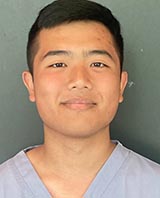 Anthony Nguyen
Bachelor of Biomedical Science
Tell us about your project.
The overall aim was to dissect and prepare a quality prosection that will be utilised as a tool for anatomy education by future demonstrators and students. Mine particularly involved a dissection of the cerebrum, with the result of each hemisphere showcasing different structures in the brain. Through the left hemisphere, I specifically visualised the insula and hippocampus, along with structures that formed the boundaries of the lateral ventricle, notably elevations. These would include the collateral eminence, calcar avis and bulb of the posterior horn. Subsequently shifting to the right hemisphere, revealing cerebral white matter tracts was the core focus. This involved initial removal of the cortex throughout the lateral surface, which exposed the U-fibres. Followed by excision of the operculum and insula, I was able to display characteristic white matter tracts deep within this dissected region, with significant emphasis on the corona radiata, inferior fronto-occipital fasciculus and uncinate fasciculus. Accounting for both hemispheres, I preserved tracts that constituted the three types of white matter, those being association, projection and commissural fibres. Ultimately, my approach in presenting the given specimen was to accentuate anatomical structures located in the superficial and deep aspects of the region occupied by the insula, as exhibited in the left and right hemispheres, respectively.
What did you gain from your time as a scholar?
As a student who prior to this project had little neuroanatomy knowledge and absolutely no dissection experience, it was initially intimidating to dissect something as complex as the brain. However, with the immense support of David, the supervisors and other Glasgow scholars, my learning journey was made a lot more worthwhile. Other than developing skills in dissection techniques and surgical equipment usage, the ability to collaborate and share interesting findings (such as variations) with participants further enhanced my understanding of anatomy in terms of its complexity. With previous exposure to prosections from anatomy classes, having the chance to independently dissect a specimen made me come to deeply appreciate the expertise and effort required to prepare a prosection suitable for teaching. Given the opportunity and time to pace the dissection, seeing structures first-hand brought out the most excitement in me, which is unparalleled to just simply viewing textbooks. I will never forget the joy when I was able to recognise the orientation of association fibres that aligned with diagrams presented in research articles. Looking back, my past self would have never thought of achieving something as academically challenging as this. But through this experience, my intrigue for anatomy is now at an all-time high and confidence in my dissection capabilities has considerably grown.
What advice would you give to someone considering applying for this scholarship?
As a student who prior to this project had little neuroanatomy knowledge and absolutely no dissection experience, it was initially intimidating to dissect something as complex as the brain. However, with the immense support of David, the supervisors and other Glasgow scholars, my learning journey was made a lot more worthwhile. Other than developing skills in dissection techniques and surgical equipment usage, the ability to collaborate and share interesting findings (such as variations) with participants further enhanced my understanding of anatomy in terms of its complexity. With previous exposure to prosections from anatomy classes, having the chance to independently dissect a specimen made me come to deeply appreciate the expertise and effort required to prepare a prosection suitable for teaching. Given the opportunity and time to pace the dissection, seeing structures first-hand brought out the most excitement in me, which is unparalleled to just simply viewing textbooks. I will never forget the joy when I was able to recognise the orientation of association fibres that aligned with diagrams presented in research articles. Looking back, my past self would have never thought of achieving something as academically challenging as this. But through this experience, my intrigue for anatomy is now at an all-time high and confidence in my dissection capabilities has considerably grown.
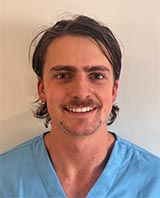 Zachary Angus
Medicine
Tell us about your project.
I was provided with a hemisected head and neck specimen and decided to perform an orbital dissection with a focus on preserving the important nerves and muscles that supply the eye and surrounding structures. The middle cranial fossa was dissected and cranial nerves III, IV, V1 and VI were preserved. It was very tedious but rewarding work, particularly identifying and preserving the ciliary ganglion. Hopefully this specimen is useful in teaching future students anatomy of the head and neck region.
What did you gain from your time as a scholar?
I gained a far greater understanding of the anatomy of the structures within and surrounding the eye and orbit. This was very rewarding given I am particularly interested in this area.
Furthermore, I acquired many skills involved in dissecting. This was very valuable given that we had missed such opportunities due to Covid-19 through 1st & 2nd year. Even just becoming more familiar with the many tools used when dissecting should hopefully be applicable to any future surgical opportunities as a student and future doctor.
What advice would you give to someone considering applying for this scholarship?
This is an excellent educational opportunity with plenty of flexibility. For those interested in anatomy and/or surgery, I would recommend applying and explaining why this opportunity would be beneficial to yourself.
All the supervisors were very friendly and helpful. While the project may seem difficult at times, you quickly learn how to overcome any hurdle you are faced with.
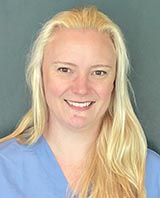 Belinda McKenzie
Bachelor of Biomedical Science
Tell us about your project.
The program in 2022-2023 was designed as an advanced dissection skills training program where we were each assigned a cadaveric specimen and asked to develop a dissection plan to highlight one or more parts of the anatomy. I ended up dissecting three specimens in the time available - an elbow, a back and neck, and another neck.
My first specimen was an elbow and I decided to try to create a specimen that could be pseudo-dissected by future students to explore the anatomy and then put back together so that it could be reused multiple times. There are so many muscles, nerves, arteries and veins in the upper limb and it can be confusing where they all lie in relation to one another, so I mobilised each muscle, nerve, artery and vein so that it could be reflected to show the structures underneath without having to be removed. I also cut the olecranon away from the proximal end of the ulna, allowing the joint capsule to be opened from the posterior aspect to inspect the articular surfaces.
Due to the success of the first specimen, I decided to repeat the 'pseudo-dissection' approach for my next specimen (a torso) to allow exploration of the anatomy of the musculature of the back and neck. This dissection allows a layer-by-layer exploration of all the superficial and intermediate muscles of the back as well as the superficial, intermediate and deep muscles of the sub-occipital region of the neck.
Finally, I was asked to create a further sub-occipital triangle dissection for the anatomy collection, and I repeated the previous layer-by-layer approach but paid particular attention to preserving the nerves and blood vessels of the region to create a highly detailed specimen for use in teaching.
What did you gain from your time as a scholar?
Where do I start. I gained so much from this experience.
My knowledge of anatomy has improved enormously, transforming the multitude of anatomical names into structures that I now feel comfortable with and understand. The prevalence of human anatomical variations was brought starkly into focus with almost everyone in the program finding variations in their specimens that required us to go beyond textbooks to find answers about what we were seeing and the implications such variations might have.
I also developed strong friendships with our supervisor David Gonsalvez, our teaching assistants Holly, Yasith and Steph, our technical staff (saviours) Steven and Smita, and the other scholars. Such interdisciplinary friendships have helped me make professional connections and approach the multitude of pathways that will be available upon graduation from my course with passion and curiosity.
What advice would you give to someone considering applying for this scholarship?
If you enjoyed studying anatomy, definitely put your hand up for this opportunity. The learning environment is so different from undergraduate classes. In the six weeks of the program, we transformed from quiet, shy students to confident, collegiate friends. Anyone accepted into the program will come away with an enormously improved skill set including not only anatomy knowledge and surgical/dissection skills, but also confidence in independent project management and communication that will serve you well wherever you end up.
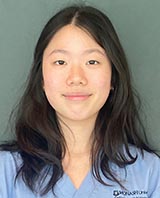 Catherine Chang
Bachelor of Medical Science and Doctor of Medicine
Tell us about your project.
Our collective goal as Eric Glasgow Scholars this year was to create wet specimens to supplement gaps in the Anatomy Department's inventory! Each of us were assigned a specimen of a different part of the body so our primary objectives were different, but the aim of my project was to create a prosection that can be used to help students visualise normally concealed pelvic and gluteal anatomy. In simple terms, this involved displaying the path of the gluteal region nerves and rotators of the hip on the posterior side and displaying the path of the sacral plexus and iliac artery on the anterior side.
What did you gain from your time as a scholar?
Where do I even begin? Going into this scholarship having just completed my first year of anatomy education was in equal parts daunting and extremely exciting! In comparison to our normal dissection classes where we are given objectives to follow and specific structures to see, this scholarship was like a dive down the deep end where we could explore and display whatever we wanted within the scope of our specimen. I learned so much about the actual anatomy, time-management, frustration-management, and how to problem-solve when faced with unexpected issues (and unexpected structures). Both the anterior and posterior sides had their own challenges - with the abundance of fatty tissue that had to be carefully blunt dissected through to maintain nerve integrity on the posterior side and the suspected cancerous growths on the anterior side that made reflecting the peritoneum and clearing the sacral plexus a little (read: a lot) more difficult than anticipated. However, I think that now, looking back on the experience, the difficulty was what made it rewarding when I finally found a solution. I am so thankful for all the time invested by Steven, Smita, Dr Gonsalvez and our lovely academic advisors (Holly, Yasith, Steph) who were unfailingly patient in helping us not only complete the projects but also learn about the pathology and variations we uncovered. It may have involved hours of back soreness and headaches, but this summer was truly invaluable for the way its developed my confidence as an anatomy student and dissector!
What advice would you give to someone considering applying for this scholarship?
Just apply! You have absolutely nothing to lose and everything to gain. I didn't think that I was going to get the scholarship when I applied, but I did it anyways and now I've completed a project I'm proud of, met friends that I wouldn't have talked so deeply with otherwise and had the chance to spend a whole summer being a nerd and learning anatomy in a depth that isn't usually covered in class! Don't worry about not knowing enough - I don't think anybody in that lab truly knew completely what was going on at all times, the whole project is a learning experience. The CHAE staff are so, so lovely, and you will have so much support so just have a go and be ready to ask a ridiculous amount of questions - it'll be amazing!
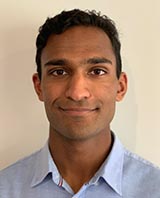 Ethan Prabaharan
Bachelor of Medical Science and Doctor of Medicine (MD)
Tell us about your project.
I performed a brain dissection which focused on different aspects in each hemisphere of the brain. The area of interest for the right hemisphere was the basal ganglia and limbic system, with an emphasis on the relationship of these structures to the lateral ventricle. The aim of this dissection is to allow students to develop a 3D appreciation for these deep brain structures. A white matter dissection was performed on the left hemisphere investigating association fibre pathways, particularly the arcuate fasciculus. This element of the dissection highlights several layers of the outer brain and the connectivity between its lobes.
What did you gain from your time as a scholar?
The project provides a unique opportunity to spend long periods of time dissecting and learning in-depth anatomy about a particular area. Students have a large degree of control over their specimen and learning, which encourages the development of skills in planning and reflection. I gained a new-found appreciation for the structures found in my dissection, and additionally learned several new dissection techniques. Furthermore, the project offers the valuable opportunity to learn from other like-minded students and their dissections. Preparing new specimens broadened my current knowledge of anatomy in an engaging manner, whilst also allowing me to teach others about my specimen. I come out of this experience with a newfound appreciation of anatomy and the depth of anatomical variation, additional strategies to learn anatomy and confidence in dissection skills and planning.
What advice would you give to someone considering applying for this scholarship?
The scholarship provides an experience beyond that of the classroom to dissect as an expert on a particular area. You are required to know your specimen well and are afforded the time to be precise with your dissection, which is a valuable experience. For students who enjoy dissections and learning anatomy, working alongside similar students will further your passion for these areas and the project is an excellent opportunity to learn and consolidate knowledge. I thoroughly benefited from the additional time with the specimen and independence granted by the program. I'd highly recommend anyone considering this scholarship to apply and take as much initiative as possible if granted the scholarship to maximise this unique opportunity.
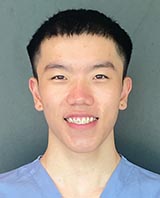 Rafael Cheung
Bachelor of Medical Science and Doctor of Medicine (MD)
Tell us about your project.
My project focussed on the anatomy of the posterior aspect of the (left) arm, posterior aspect of the forearm and the dorsum of the hand. The main goal in posterior arm of was to identify the radial nerve and to study its branching. In the posterior forearm I revealed the extensor muscles including the anconeus muscle underneath the common extensor tendon. In the dorsum of the hand I explored the carpal bones and in the process I preserved the insertions of extensor carpi radialis longus and brevis, as well as extensor carpi ulnaris (in which we are lacking specimens for). An interesting variation I found is a thin accessory tendon slip arising from the extensor carpi ulnaris tendon which inserts more distally onto the middle of the fifth metacarpal bone.
What did you gain from your time as a scholar?
As I completed my preclinical studies during COVID lockdowns, I had no experience with prosection so I found this opportunity invaluable to supplement my studies as a medical student. Having already completed one clinical year in 2022, the Glasgow Scholarship program enables me to revise and appreciate the complexities of the anatomy in both my specimen and others on a deeper level. Being on the program also gave me the chance to connect with other inquisitive peers and learn about their projects.
It was a pleasure working with the lab/teaching staff--these people enriched my experience during the program with interesting professional prosections, education on Dr. Glasgow's life and work, 3D printed models, VR anatomy, suggested readings and so on. Without them I would not have enjoyed the program as much as I did!
What advice would you give to someone considering applying for this scholarship?
If you are someone who would like more dissection experience and would like the mentorship of the teaching staff at Monash then definitely go for it! The program gives you a chance to independently work on a specimen so you can decide what to uncover. I have also made new friends across other year levels of medicine and in biomedical science that I otherwise would not have so I am very grateful for this aspect too.
2021 Scholars
View
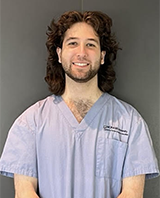 Romolo Persi
Bachelor of Biomedical Science
Tell us about your project.
My project was a cadaveric dissection of the male posterior pelvis, urogenital region and femoral triangle. Additionally, I displayed the tract of the pudendal nerve and the muscles of the pelvic floor. Ultimately, the goal of this project was to create an intricate prosection of the human pelvis that could be used for anatomy education at Monash. The specimen was scanned to create a 3D mesh which will be used for teaching anatomy to the next generation of anatomists and health professionals at Monash. Differing views were created on either side of the specimen to display the clinically relevant anatomical structures, the gluteus maximus and medius were laterally reflected on the right side of the specimen and excised on the left side. In addition to the musculature, vasculature such as the internal pudendal artery and nerves such as the genitofemoral and obturator nerves were preserved to ensure students could use the specimen to learn a wide range of key anatomical structures in the pelvic region.
What did you gain from your time as a scholar?
Throughout my dissection project I became more aware of the complexities and unique challenges surrounding anatomy education, at times you can feel overwhelmed however this inspired me to create a prosection that I felt other students would find beneficial to their studies. In completing the prosection, I reflected on my experience of learning anatomy and developmental biology which helped me to focus on areas which I found difficult, such as visualising the location of the pelvic ligaments in relation to other anatomical structures. I found that having the opportunity to learn specialised dissection techniques was a greatly rewarding experience, and completing this project also strengthened my appreciation for the demonstrators working at the Centre for Human Anatomy Education. I used this opportunity to think about my own learning style as well and develop my critical thinking skills. In the future I hope to continue to be involved in the collaborative process of anatomy education and be involved in the evolution of this traditionally practical subject.
What advice would you give to someone considering applying for this scholarship?
When thinking about applying for this program I would encourage someone to keep in mind their aspirations for the future. Personally, tertiary education is something that I would like to be a part of when I graduate and I think that identifying this as a passion of mine greatened my immersion in the program. With this in mind I think that I was able to get the most out of this program allowing me to further develop professional and technical skills under the guidance of the CHAE staff. I would also highlight to someone applying for this scholarship that being open minded and a team player are crucial elements to benefiting from this experience. Despite dissecting individually, engaging with the other scholars and their prosections will help you build your anatomical knowledge and also make new friends!
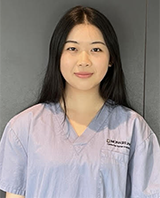 Yue (Sophie) Gao
Bachelor of Medical Science and Doctor of Medicine
Tell us about your project.
The overall goal of our 2022 Glasgow Project was to produce prosections that could be used for teaching purposes. After completion, these were then to be 3D scanned to further enhance the learning experience for all students learning anatomy. My part focused on a dissection of the face, preserving the muscles of facial expression as well as all the branches of the facial nerve (temporal, zygomatic, buccal, marginal mandibular, cervical). This involved removing the epidermis, dermis and subcutaneous layers of the face, to reveal the underlying muscles. The facial nerve trunk was revealed, in order to show the branching variation of the donor, as well as the path and innervation of each branch. During the process of dissection, I also revealed and preserved other structures including the parotid duct as well as certain muscles of mastication (temporalis and masseter).
What did you gain from your time as a scholar?
Being able to have this opportunity as a scholar is something I am extremely grateful for. Through participating in this project, I had to opportunity to complete a prosection as well as learn many dissection and surgical skills that I would not otherwise have had the chance to at my current academic level. I also discovered that throughout the process of planning, performing and finishing up the dissection, I was able to approach facial anatomy visually and through application, allowing my understanding and appreciation towards anatomy to be further enhanced. Something else I am extremely thankful for was the opportunity to get to know as well as work with and alongside David, the anatomy tutors, Smita, Stephen, and my fellow scholars. Without their advice, help and guidance, I would not have even known where to start with the dissection. Being able to meet such supportive and friendly people, engage in discussion together, learn from them and work as a team made this project even more engaging and memorable.
What advice would you give to someone considering applying for this scholarship?
For anyone wishing to apply, seize this opportunity! In this project, we were really well supported by the scholarship directors and staff, and had the chance to learn about anatomy and dissection to much greater extent as compared to anatomy classes. As someone who started out with very minimal dissection skills and anatomy knowledge, I was quite worried at the beginning that I would really struggle with completing this project. The moment I was able to put aside that thought and thoroughly enjoy the process without being afraid of making mistakes, I found that I was learning new skills and progressing along a lot quicker than I had imaged.
 Isabella Brown
Bachelor of Biomedical Science
Tell us about your project.
Prior to the beginning of this program, aspects of the current prosection repository in Monash University’s Centre of Human Anatomy Education that were lacking were identified. My project endeavoured to fill these gaps through the production of a prosection not currently present in the inventory. The aim of my project was to produce a tangible wet specimen prosection that could be utilised as an invaluable educational and teaching resource for future anatomy students in the laboratory. An additional aim was to create a 3D scan of the prosection and subsequently upload it onto a database. The specimen that was the subject of my project was the upper third of a human donor (rib IV and above).
My project primarily focussed on neuroanatomy, particularly the posterior cranial fossa and the cranial nerves that emerge from the brain stem. The ultimate goal of my project was to perform a dissection of the head, brain and posterior cervical region, with all 12 pairs of cranial nerves and several nuclei of the basal ganglia intact.
To commence my dissection, I divided the scalp. I reflected and removed all five layers of the scalp covering the area of the calvarium, from the glabella and down to the inferior nuchal line of the skull, and cleaned the bone, to prepare for the calvarial and occipital wedge cuts. The layers covering the viscerocranium were left intact. In this process, the superficial temporal artery was located and preserved.
Subsequently, I reflected and preserved the superficial and intermediate back and posterior cervical neck muscles, as well as their origins. This was carried out to preserve the muscles and to prepare for the occipital wedge cut and the cervical laminectomy. In this process, I located and preserved the great auricular nerve which originates from the cervical plexus.
I reflected and preserved each of the following posterior cervical neck muscles: Sternocleidomastoid, splenius capitis and cervicis, semispinalis capitis and cervices, longissimus capitis, and levator scapulae. I also reflected and preserved each of the following posterior back muscles: Trapezius, serratus posterior superior and inferior, and rhomboid major and minor muscles. The discrete motor innervation of the trapezius and sternocleidomastoid muscles by the spinal accessory nerve (cranial nerve XI) was shown and preserved. The sub-occipital triangle muscles, deeper to these posterior cervical neck muscles, was also revealed and discovered however not preserved due to difficulty of reflection whilst also performing the wedge cut.
I performed a calvarial cut around the circumference of the calvaria of the skull followed by a wedge cut through the occipital bone (an occipital wedge) of the cranium, to expose and access the brain and the caudal surfaces of the cerebellum, respectively. I identified the middle meningeal artery within the dura mater encasing the brain, and the characteristic grooves that the artery and its branches leave on the interior of the calvaria. The nuchal ligament, the dura mater encasing the brain and two of the dura meningeal folds, the falx cerebri and tentorium cerebelli, were removed. Subsequently, I dissected away the cerebellum and the velum posteriorly to reveal and preserve the brainstem, the pairs of cranial nerves as they emerge from the brain stem, and the superior, middle and inferior cerebellar peduncles. I subsequently carved the cerebellar peduncles into their specific shapes in accordance with the direction of their neuronal tracts. The superior and inferior colliculi and the pineal gland were also preserved.
I additionally performed a laminectomy of the cervical vertebrae (excluding the C1 vertebra), where I removed the spinous process, the laminae and the transverse processes of the vertebrae posteriorly. I also cut the dura meningeal layer encasing the spinal cord along its midline. I carried these steps out to reveal and view the spinal cord, cervical spinal nerves (C1 to C7), their dorsal roots and rootlets attaching to the spinal cord, the dorsal root ganglia, the denticulate ligaments, and the left and right vertebral arteries (anterior to the dorsal root ganglion) that travel through the transverse foramen of C1 to C6 vertebrae to reach and supply the brain. Furthermore, I followed, exposed and preserved the pathway of the right and left vertebral arteries as they originate from the right and left subclavian arteries, respectively, showing their ultimate origination from the aortic arch of the heart. The ribs 1-3 on the left hand side of the sternum and the left half of the sternum were removed to expose the aortic arch and its three arterial branches. The superior portion of the atria were preserved. I cleaned and preserved the three arteries as well as the brachiocephalic vein and its branches. I exposed and preserved the path of the right and left vertebral arteries as they each subsequently move laterally and ascend through the foramina of the transverse processes of the cervical vertebrae (C6 to C1), hook behind the superior articular processes of C1 vertebra before ascending to enter the foramen magnum, to reach the brain. Additionally, the internal and external carotid arteries, trachea, thyroid gland, thyroid cartilage, and parotid glands were cleaned and preserved.
The brain was sliced coronally from caudal to rostral until the posterior horns of the lateral ventricles were exposed, and horizontally from dorsal to ventral until the corpus callosum of the brain was exposed. The cerebrum, corpus callosum and septum pellucidum were removed, to expose and preserve the thalami, interthalamic adhesion, interventricular foramen, choroid plexus, several pairs of grey matter nuclei of the basal ganglia (caudate nucleus, putamen, nucleus accumbens), internal and external capsules, as well as the pathway of the optic nerves, to the optic chiasm, tracts and lateral geniculate nucleus. I also exposed and preserved the 12 pairs of cranial nerves emerging from the brainstem, including those that pass through the cavernous sinus. I exposed and preserved the Circle of Willis at the base of the brain, including the right and left anterior, middle and posterior cerebral arteries and their network of branches, both posterior inferior cerebellar arteries (PICA), as well as both internal carotid arteries.
Furthermore, unique variations within the specimen were observed. Finally, the specimen was prepared for 3D scanning.
What did you gain from your time as a scholar?
From the onset of the pandemic, it has been challenging to receive training and dissection opportunities to engage in in-person practical classes and dissections relating to anatomy, experiences that are extremely valuable for those of us studying anatomy given how different human anatomy looks in reality.
To engage in dissection and anatomy-related research activities and receive valuable dissection skill training and experience entailed in this program, gain tangible insight into the realm of anatomy, and receive mentorship from the Centre of Human Anatomy Education (CHAE) academic facility has been a valuable and beyond educational experience. This program has fuelled my passion for anatomy in more ways than I could have ever imagined, allowed me to gain invaluable skills in dissection and surgical techniques, enhanced my understanding of the process of 3D specimen scanning, has benefited my education and future career, provided me with insight into different possible career pathways in anatomy, all whilst further enhancing and challenging my own anatomical knowledge - all of which I hoped to seek from a program like this. All of this was made possible because of the guidance, dedication and mentorship of those in the faculty of anatomy.
Our supervisors and demonstrators patiently guided us through our individual projects, showed us how to skilfully dissect using different tools and helped educate us about certain areas of anatomy that would have been difficult to learn from a textbook with the help of invaluable prosections and 3D anatomical models. We received the opportunity to independently investigate the intricacies of the anatomy of our specimen in exquisite detail, revealing a source of wonder and intricacies that were quite different to what the textbook illustrations showed, including unique variations present in different specimens. Through this experience, I have learnt so many things in anatomy that a textbook could never have effectively conveyed to me. This experience has allowed me to further appreciate the variation and reality of anatomy.
The practical side of this experience combined with self-learning as well as the invaluable guidance we each received from our supervisors and demonstrators has been an extraordinary and beneficial way to consolidate what I have studied and learnt in anatomy, further my knowledge, and serve as a catalyst to the fulfilment and growth of my deep passion for the intricacies of human anatomy. The knowledge I gained in the realm neuroanatomy was incomparable to any neuroanatomy education or training I have received previously.
This has been once in a lifetime experience during which I have had the invaluable opportunity to learn incredible new anatomy facts and skills including how to independently and skilfully dissect using different tools, how to hold and use various tools, and how to independently perform different procedures and techniques that I would never have imagine I would have had the opportunity to perform. The skills and training that this research program offered are skills that I will cherish and that will come in useful in my future career.
This program helped instill confidence in my abilities and skillset in dissection and anatomy, allowing and encouraging me to make further explorations in anatomy and make decisions regarding my specific project with less hesitancy and more curiously, and that has been beyond amazing and I am so grateful.
Through this scholarship, my level of appreciation for the work that goes into the preparation of anatomical prosections and models in the Department of Anatomy and the dedication of all the demonstrators and supervisors has grown immensely.
I am extremely grateful for the opportunities that were presented to me during my time as a scholar and will treasure everything I have learnt and experienced during this program.
What advice would you give to someone considering applying for this scholarship?
My advice to anyone considering applying for this scholarship is to absolutely go for it. Regardless of whether or not you have dissected a cadaver before or have years of experience and knowledge in the realm of anatomy, the supportive and welcoming atmosphere created by the supervisors and demonstrators involved in the program will help easy any doubts you have about your background/experience in anatomy and dissection, instil confidence in your abilities and growing skillset, that will help pave a way for your learning and absolute enjoyment during this experience. This project has allowed students of varying anatomical backgrounds to participate and engage in, collaborate, learn from and support one other. The team of supervisors and demonstrators show incredibly patience, assistance, understanding, dedication, encouragement, guidance and mentorship.
Additionally, don’t be afraid to ask questions, make mistakes, challenge what you know or are being taught and have an open mind when it comes to learning new skills and knowledge. Plus, the demonstrators appreciate any questions you have and will endeavour to help answer all of them with patience and passion.
I also encourage you to make the most of this opportunity – it is a once in a lifetime experience. The experiences provided throughout this program are incredibly unique, unlikely to be experienced in any anatomy class. Even if it seems intimidating, give everything a go. Even if you make a mistake you will learn something new because of it. Thus, I recommend entering this program with an open mind, respectful curiosity, enthusiasm and being ready to learn from and make the most of every opportunity presented to you during this program.
I would highly recommend anyone with an eager desire to expand or begin their experience in anatomical dissection and fuel their passion for anatomy to apply!
 Cheyenne Rain Travis
Bachelor of Medical Sciences (Honours)/Doctor of Medicine
Tell us about your project.
The primary objective of my prosection was to depict the arterial supply of the foregut, midgut and hindgut to be used in anatomy education. In this prosection, the greater omentum was retained as it was identified as a challenging structure for preclinical medical students to understand and visualise. In addition, when in use as a teaching instrument, the vasa recta of the ileum and jejunum will be illuminated with a penlight.
What did you gain from your time as a scholar?
Alongside the anatomy program I completed in my first two years of medical school, this program is undoubtedly one of the highlights of my medical school experience. Following this program, I have a greater appreciation for the broad spectrum of anatomical variations and have begun to develop a framework to identify and navigate variations from the classical descriptions given in textbooks. I also have a greater understanding of the current climate of anatomy education and the strengths and limitations of current teaching resources. I have come away with a more sophisticated view of the field of anatomy, the limitations of our knowledge acquired in medical school and a strong desire to contribute to anatomy research and education in the future.
What advice would you give to someone considering applying for this scholarship?
I believe this program is uniquely suited to medical students in their senior clinical year with an interest in surgery or dissection. You are given autonomy and ownership over the dissection process with mentorship and support from David and the anatomy demonstrators. As such, It is an early opportunity to develop a more sophisticated understanding of anatomy and dissection before pursuing postgraduate programs.
I would also recommend this program to anyone with an interest in working in medical education after graduation. As a small group of students working closely with the staff, you gain a unique insight into challenges and opportunities in anatomy education at Monash.
As a First Nations medical student, this was an extremely welcoming and supportive environment for me, thus I would encourage any Aboriginal and Torres Strait Islander medical students to consider applying.
2020 Scholars
View
 Angela Frentiu
Bachelor of Medical Science and Doctor of Medicine
Tell us about your project.
We set out with the ultimate goal of performing a calvarial and wedge cut of the skull to reach the brain stem and view the cranial nerves as they exit. However, along the way we found another objective - to prepare the specimen for 3D scans of the back muscles and suboccipital triangle. The donor I was working on was selected to be the specimen for the sub-occipital triangle. This involved removing or reflecting the more superficial muscles to reveal the boundaries of the triangle; rectus capitis posterior major (and minor), obliquus capitis superior and obliquus capitis inferior. Then came the challenge of clearing out the connective tissue in and around it to reveal its contents: the sub-occipital nerve, venous plexus and vertebral artery.
One of the aims was to scan this triangle to provide a realistic representation that can be used as a learning tool. Once the scans were taken, they could be further digitally coloured in to highlight the key structures. The muscles then were removed and bones cleared to prepare for the removal of the calvarium, a wedge cut through the occipital bone and a laminectomy to reveal the brain and spinal cord. We performed this cut to be able to view and later remove the brain posteriorly in hopes of better preserving the cranial nerves so we can take a scan as they exit the skull.
What did you gain from your time as a scholar?
After a year of studying online and basing my knowledge on the beautifully dissected pictures on Anatomedia, this experience allowed me to appreciate the variation and reality of anatomy. Unlike an exam where the structure the arrow is pointing to has one answer, during the dissections any structure could be a number of things until it is further revealed. This allowed me to develop a more open-minded approach to studying anatomy and to get a better understanding of the similarities as well as the differences between structures (Hint: in reality different vessels and nerves aren’t different colours to give them away). Often times what we thought we had named turned out to be something different as the dissection progressed. It was challenging, but incredibly educational to be given this greater amount of independence while dissecting.
I also gained a much better understanding of the work that goes behind preparing specimens. A lot of hours are put into cleaning up dissections and removing connective tissue to create the neat specimen we see as students that are often not appreciated enough.
What advice would give someone considering applying for this scholarship?
My advice to anyone considering applying for this scholarship is to learn anatomy with an open mind, and to not be afraid of making mistakes. When you aren’t afraid of being wrong or right, you can start to enjoy the complexity of anatomy in the human body. Some of the more memorable parts of learning come with finding the unexpected and trying to work out why it was so. Further the projects you get to be part of during this experience provide unique opportunities that you won’t find in anatomy class. So even if it seems intimidating, give everything a go, the worst that can happen is you’ll make a mistake and learn something new because of it.
 Amber Irving
Bachelor of Biomedical Science (Honours)
Tell us about your project.
The ultimate aim of our project was to perform a brain dissection with all 12 of the cranial nerves intact. The resulting specimen could be utilised to create a 3D print that future anatomy students can use as an invaluable learning resource. To commence our dissection, we carefully reflected the superficial back and neck muscles. Then, scans were taken of deeper structures that are lacking in the current inventory of prints, including the suboccipital triangle and the third layer of back muscles. I was tasked with preparing my cadaver for a scan of the deep back muscles, including the longissimus capitus, splenius capitus, and semispinalis capitus/cervicis. This involved removing fascia and adipose tissue and making the origin and insertion points of each muscle clear. From here, the calvarium was removed and the dura reflected. A wedge cut was made in the occipital region to expose the caudal surface of the cerebellar lobes, after which we carefully dissected away the cerebellum to reveal the cranial nerves as they insert into the brain stem. We were also afforded the opportunity to perform a laminectomy to reveal the dorsal nerve rootlets and their respective ganglia.
What did you gain from your time as a scholar?
I am extremely grateful for the opportunities that were presented to me during my time as a scholar. As I am striving towards a future in forensic pathology, being exposed to cadavers and being able to put my new-found dissection skills into practice allowed me to gain invaluable insight into my desired profession. As our dissection was of the brain and spinal cord, the knowledge of neuroanatomy I gained was unparalleled to any neuroanatomy training I have had previously, and probably will ever get. Additionally, the cranial nerves are an area of neuroanatomy that has always confused me, so being able to actually see first-hand what they look like, where they are situated and their anatomical course through their respective foramina was exciting.
What advice would give someone considering applying for this scholarship?
Learning anatomy can be a challenging endeavour, which isn't helped by the limited time you get with prosected specimens and donor bodies in anatomy classes. This experience provides you with intimate and unrestricted exposure to such specimens, allowing you to take your time in exploring the intricacies of human anatomy. Not only this, but you develop a deep appreciation for the generosity of the people who donate their bodies for the benefit of our training. I would highly recommend anyone with a keen desire to expand their repertoire of experiences in anatomical dissection to apply - and if successful, make the most of it by asking lots of questions and diving into every opportunity presented to you!
 Stella Le
Bachelor of Medical Science and Doctor of Medicine
Tell us about your project.
Our project first involved a dissection in the head and neck region. We dissected the back and neck muscles, reflecting the layers to look at the key muscles, as well as to identify the sub-occipital triangle. After this, our goal was to expose the brainstem and cranial nerves. To do this, we removed the calvarium and an occipital wedge to expose the brain, brainstem and cerebellum. We also performed laminectomies of the cervical vertebrae. Throughout this process, our dissections were 3D scanned for future reference.
What did you gain from your time as a scholar?
This project reinforced some of the anatomy we had learnt in second year, but we were also able to learn and explore in so much more depth. We were supported by David, Stephen and Smita throughout, but also dissected independently. As we learnt how to handle the tools, tried different procedures and techniques, I came to appreciate even more the complexity of the human body. Being able to develop confidence in practical dissection has taught me to approach anatomy with less hesitancy and more a respectful curiosity.
What advice would give someone considering applying for this scholarship?
The Glasgow scholarship is honestly an incredible opportunity and the CHAE staff are so supportive and knowledgeable. You’ll meet some awesome people, learn heaps and try so many new things that you might otherwise never get the chance to!
 Kathleen Wisbey
Bachelor of Medical Science and Doctor of Medicine
Tell us about your project.
As a 2020/2021 Eric Glasgow Scholar, the project we had the opportunity to participate in was under the supervision of Dr David Gonsalvez, and wider Monash Anatomy Department, primarily focussing on neurological anatomy. It was identified prior to the start of our scholarship aspects of the current anatomical inventory that were lacking - and filling these gaps became the aim of the project. The fellow scholars and I worked together to dissect and preserve well taught anatomical regions of the body that lack a clear educational reference (image/scan/3D print). These included; the sub-occipital triangle, layers of the back extensor muscles, the carotid sheath and neighbouring autonomics. Once preserved to an acceptable standard, they were scanned and stored with the ability for 3D printing in the future. The ultimate goal of the project was to perform a calvarial and wedge cut of the skull, to reach the brainstem and preserve the pathway of the cranial nerves - even when typing this, it sounds surreal, as this entire experience has been completely unique and something I will be forever grateful to have contributed too.
What did you gain from your time as a scholar?
Where to start! Having had the opportunity to use the campus anatomy laboratories throughout my undergraduate physiotherapy degree and now through postgraduate Medicine, I had a level of appreciation for the work that goes into the preparation and delivery of the anatomy content throughout the Medicine, Nursing and Health Science Faculty.
Through this scholarship, however, this level of appreciation has grown immensely. Seeing the ‘behind the scenes’ of all the workshops I have since attended, has opened my eyes to dedication the demonstrators have to ensure we, as students, receive the best resources available. On a personal level, I gained invaluable skills in dissection, surgical techniques, greater understanding of the process of specimen scanning and 3D printing, all whilst further building on and challenging my own anatomical knowledge.
What advice would give someone considering applying for this scholarship?
To absolutely go for it! What has been so valuable about this scholarship is the supportive atmosphere created by the scholarship directors. This project has allowed scholars of varying anatomical backgrounds to collaborate, learn from each other and work toward a common goal whilst being able to step out of each other's comfort zones. Not being afraid to ask questions, challenge what you know and be open to learning new skills is an important aspect of this scholarship. The opportunities provided throughout are so unique, unlikely to be experienced in a weekly anatomy class, so I recommend going in with an open mind and being ready to learn from every opportunity.