
Applied research
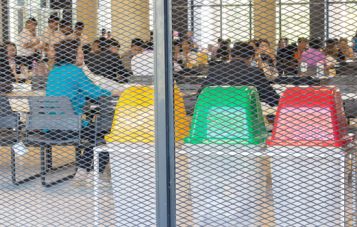
Strategies to measure and manage food waste in hospital services
Food waste is a significant contributor to carbon emissions which we can avoid. This project is finding strategies to measure and manage food waste in hospital food services, including waste audit methods and waste management strategies that divert harmful food waste from landfill.

Using behaviour science to create better access to critical care
Effective escalation of care in hospitals is vital to ensure earlier less intensive intervention and prevent poor patient outcomes. Working closely with Royal Australian and New Zealand College of Obstetricians and Gynaecologists (RANZCOG), we developed online education modules on the behavioural science of escalation of care behaviours in the intrapartum period of childbirth and the common barriers to women receiving the right care.
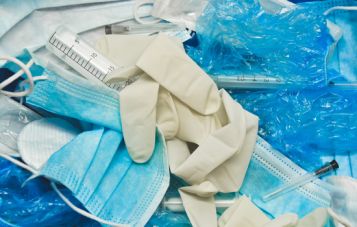
Improving hospital waste recycling through behaviour change
Structural change is more successful when it is supported with behavioural change. We are looking at how to improve hospital waste recycling through behavioural science. The work aims to reduce waste in operating suites in the hospital by understanding the problem, engaging stakeholders, introducing a method of behavioural prioritisation, through a mapping tool and waste audit, and developing a suitable intervention.

Patient safety research and innovation program
Australia has world-class public healthcare, but in a system where high-stakes decisions are often made under pressure, things sometimes go wrong. When they do, there may be worse outcomes for patients, greater financial costs and health sector emissions. This collaboration between Behaviourworks Australia, the Victorian Managed Insurance Authority, the Victorian Department of Health and Safercare Victoria undertook several trials to test behaviour change interventions to reduce misdiagnosis and miscommunication.