
Nurse Practitioners celebrated for significant patient care and community impact
There are more than 2200 Nurse Practitioners in Australia, with around 30% working in rural areas according to the Australian College of Nurse Practitioners. With an advanced level of clinical practice and professional autonomy, Nurse Practitioners play an important role in the health workforce and increase access to high-quality healthcare in rural communities.
In celebration of Nurse Practitioners Week (December 11-18), we spoke to some of our students, staff and graduates, about the role they play as Nurse Practitioners working rurally.
A qualification that opens new doors
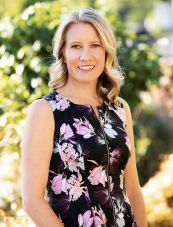 Jana Middlemis works as a Urology Nurse Practitioner with a focus on functional urological disorders, in both the public and private sectors in Bendigo.
From managing patient consultations to performing cystoscopy services and urodynamic studies to triaging referrals, managing theatre lists and supporting staff education - no two days are the same for her.
“My favourite aspect of working as a nurse practitioner is the autonomy to assess, diagnose and treat patients,” says Jana.
“Working as an NP has opened many doors for new training, education and experiences. NPs make a huge difference to patient’s experiences and access to health care particularly in regional communities.”
Since first qualifying as a Nurse Practitioner in 2018, Jana now also works as a sessional academic at Monash University and with Axonics Modulation Technologies, an incontinence therapies company.
Relieving pressure on our GP workforce
 Master of Nurse Practitioner student, Sharon Hudson, is passionate about skin cancer detection and prevention. Sharon currently provides an important service - called Your Skin Scan - which has her travelling to rural towns and conducting melanoma surveillance and skin cancer detection. Australia has one of the highest rates of skin cancer in the world and people in regional communities have an increased risk due to higher exposure to ultraviolet (UV) radiation.
“Working in rural and remote areas, patients can wait up to 2 years to see a dermatologist in a public hospital,” explains Sharon.
“When I find lesions suggestive of melanoma or skin cancer, I have heard many patients struggle to secure timely appointments for biopsies. I have collaborated with GPs and dermatologists to ensure these cases secure appointments and decided to complete my NP to assist the rural and remote patients in the areas I visit to access timely biopsies and treatments and relieve some of the pressure on appointments with GPs. They actually refer to me now.”
Sharon is expected to finish her degree in mid-2024 and plans to expand her services and educate others about skin cancer and melanoma identification.
“I want better patient outcomes for rural and remote patients. Providing a quality service, which is accessible and affordable for these communities is a high priority and being able to provide holistic care, will assist in achieving this.”
Helping people access good care, everywhere
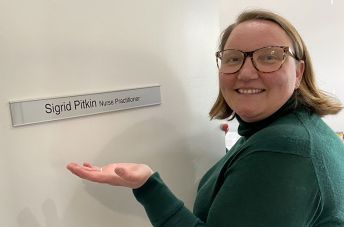 Sigrid Pitkin is a Nurse Practitioner and academic. When she’s not teaching the Master of Nurse Practitioner program at Monash, she runs allergy and immunology clinics in Ballarat and Warrnambool - which allow patients to access high-demand, specialty services close to home.
“NP-led clinics, especially in the rural and remote areas are vital at closing the gap of access to care that exists,” says Sigrid.
“In specialty areas such as allergy, there are only a handful of specialists that practice rurally, even then it is very limited. As a result, waiting lists have ballooned to over 18 months. NP clinics can assist with treating lower acuity patients to help improve timely access to care whilst ensuring the most unwell patients can access the specialist within an acceptable time frame.”
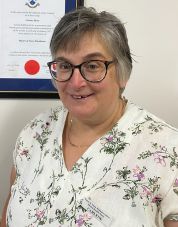 Carlene Hurst’s own periodical experiences with ill mental heath inspired her to pursue a career in nursing. While working as a mental health nurse at Foster Medical Centre, she was inspired to seek a further qualification as Nurse Practitioner.
“As a credentialed mental health nurse and working with people with severe and persistent mental health issues, I was calling on my colleagues - the GPs - daily for scripting, for blood requests and referrals. Once I became a Nurse Practitioner in January 2021, I was able to take on a nearly autonomous role where I only call on the GPs when there is complexity due to physical health issues out of my scope of practice. It streamlines things for my clients.”
Carlene now supports over 60 clients, alongside a part-time mental health nurse, in her South Gippsland community.
“I can offer support that can be uniquely individual to their needs. I work within the community that I live in and I help people to overcome the rural barriers to good care.”
The Master of Nurse Practitioner trains the next generation of Nurse Practitioners to lead change in healthcare and deliver patient-focused care in their area of clinical practice. This program is accredited by the Nursing and Midwifery Board of Australia and meets the educational requirements for you to apply as a Nurse Practitioner with AHPRA upon course completion. Commonwealth Supported Places are available for 2024.
Eligible Nurse Practitioners who live and work rurally can have their HELP debt reduced through a new initiative from the Department of Health and Aged Care, aimed at increasing the number of Nurse Practitioners within rural and remote communities.