
First aid for cyanide exposure
Cyanide is very toxic, and exposure can be life-threatening. Cyanide poisoning stops your body from using oxygen, which affects vital organs like your heart and brain within minutes.
You can be exposed to cyanide through:
- inhaling fumes
- skin or eye contact
- swallowing (ingestion).
Cyanide poisoning is rare, but if you work or study in an area that uses or stores cyanide, you need to know what to do in an emergency.
If you’re the one handling the cyanide, you’re most likely to be affected. But, if hydrogen cyanide gas is released in a shared lab space, everyone nearby could be at risk. The faster first aid can be started, the better.
GHS classification and pictograms
| Classification | Pictograms |
|---|---|
| 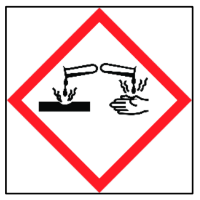 |
| 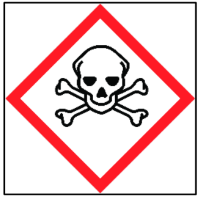 |
| 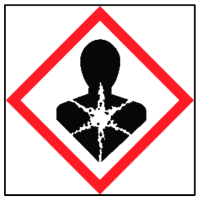 |
| 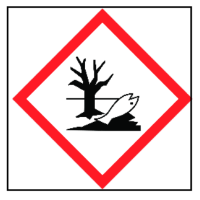 |
Health risks
Mild or early cyanide poisoning includes:
- irritated nose, mouth and throat
- headaches, giddiness or nausea
- difficulty breathing or sense of suffocation
- general weakness or heaviness of limbs.
Severe cyanide poisoning includes:
- gasping for breath
- lapsing consciousness
- convulsions
- death.
Risk management
Complete a risk assessment to determine whether medical oxygen is required on site before you use cyanide. If oxygen is needed, you’ll need a trained First Aider who has completed the Course in Basic Oxygen Administration (22575VIC).
All oxygen cylinders must be maintained as outlined in the First Aid Procedure.
First aid
Speed is essential – first aid must be fast to be effective.
Only provide first aid if there’s no cyanide gas or dust in the area. If you're unsure, treat it as a contamination risk and follow emergency steps.
If cyanide gas or dust is suspected
- Do not enter the area.
- Call Emergency services on 000.
- Call Monash Security on 333.
- Wear double gloves to prevent contamination from skin or clothing.
- Call Emergency services on 000.
- Use a resuscitation mask and administer oxygen at its maximum rate.
- Remove any contaminated clothing and place it in a biohazard bag labelled Contaminated with Cyanide.
- Wash affected skin thoroughly with plenty of water for at least 20 minutes.
- Continue treatment until medical help arrives.
Call emergency services on 000 and then start by checking their airways and clearing them (using double nitrile gloves) if necessary.
If they’re breathing:
- Put them on their side.
- Use a resuscitation mask and administer oxygen at its maximum rate.
- Remove contaminated clothing and place it in a biohazard bag labelled Contaminated with Cyanide.
- Wash affected skin with water for at least 20 minutes.
- Continue treatment until medical help arrives.
If they’re not breathing:
- Use a resuscitation mask and administer oxygen at its maximum rate. Do not perform mouth-to-mouth or mouth-to-nose resuscitation.
- Remove contaminated clothing and place it in a biohazard bag labelled Contaminated with Cyanide.
- Start chest compressions.
- Wash affected skin with water for at least 20 minutes.
- Continue until emergency services take over.
First aid kit – Cyanide module
For certain specific hazards and health concerns (e.g. asthma, anaphylaxis, hydrofluoric acid, cyanide, burns, eye injuries and incidents involving macaques), additional kit modules will be required. Modules must be marked as appropriate and stored (preferably in a separate compartment) within the first aid kit.
The first aid kit containing a cyanide module should be stored in a separate, easy to access container (next to or inside the first aid kit and medical oxygen) and labelled: THIS KIT CONTAINS A CYANIDE MODULE.
For more information, refer to the First Aid Procedure and the First Aid Kit Contents List.
Module contents
The module includes:
- a copy of this page’s content
- a copy of the cyanide safety data sheet
- a copy of the National Occupational Health and Safety Commission Cyanide Poisoning Guide (March 1993)
one bottle of medical oxygen - a disposable, single-use resuscitator set including a bag, valve, and mask (e.g. Laerdal® or Ambu®)
- eight pairs of nitrile gloves
- two pairs of safety goggles or glasses
- stainless steel first aid shears
- two biohazard bags labelled Contaminated with Cyanide.
What to do after providing first aid
- Send a copy of the relevant safety data sheet (SDS) with the person to the hospital.
- Notify the affected person’s supervisor immediately.
- Complete both a first aid report and a hazard and incident report.
For how to get rid of contaminated clothing, see the Using Chemicals Procedure.
Need help?
For more information, contact the Health, Safety & Wellbeing team at hsw@monash.edu.
Or get in touch with Poisons Information Centre Victoria by calling 131 126 (available 24 hours).