
Working with Cytotoxic Substances
This information applies to staff, students, visitors, and contractors at Monash University. It is designed to support individuals engaged in research and teaching activities involving cytotoxic substances, as well as those who may be indirectly exposed.
Use at Monash University
Cytotoxic substances may be encountered in:
- Research and development (including synthesis of new compounds)
- Animal research models
This is a practical tool to guide the development of comprehensive, activity-specific risk assessment(s) and Safe Work Instruction (SWI).
When developing RA and SWI, consideration must also be given to animal facility personnel, who may encounter cytotoxic agents or contaminated materials during:
- Animal husbandry
- Drug administration
- Handling of treated animals
- Management of contaminated waste
Definitions
- Cytotoxic Drugs: Therapeutic agents primarily used in cancer treatment. They are highly toxic to cells, acting on cell reproduction, and may be carcinogenic, mutagenic, or teratogenic. For example, Busfulen, Cisplatin, 5-Ethynyl-2-deoxyuridine (EDU), Fluorouracil (5-FU), tamoxifen, bromodeoxyuridine (BrdU).
- Hazardous Substance: Any substance that can harm health depending on type and exposure level. Classified under the Globally Harmonised System (GHS). Hazardous substances may also be dangerous goods, drugs, poisons, or controlled substances.
- Carcinogenic: can cause cancer.
- Mutagenic: can cause mutations to DNA that may be transmitted to future generations.
- Teratogenic: can cause birth defects and fetal malformation, or halt a pregnancy.
Identifying Cytotoxic Chemical
Under the Globally Harmonized System (GHS), pictograms are used to indicate physical, health, and environmental hazards of chemicals, see Figure 1 for an example. These pictograms assist in identifying cytotoxic chemicals. If a chemical you are working with is cytotoxic, the relevant pictogram (shown and labelled below) will appear on the container and in the Safety Data Sheet (SDS).
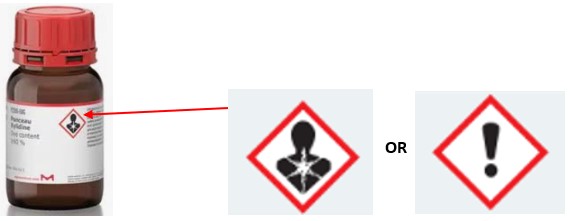
Figure 1. This is an example only. For a full list refer to Appendix A.
Hazard phrases provide additional information about associated risks. Please note that due to limited label space, not all applicable hazard phrases may be displayed on the container. A comprehensive list of GHS hazard phrases is provided in Appendix A.
Safety Data Sheet (SDS)
For commercially purchased chemicals, the manufacturer must provide a current Australian SDS.
At Monash University, Chemwatch is the chemical management database used to access SDS and Gold SDS. The SDS contains detailed information about the chemical’s properties and hazards. Reading, understanding, and following instructions in the SDS is essential for safe handling in the workplace. The SDS will help determine whether a chemical has cytotoxic properties and should be consulted when developing a task-specific risk assessment.
Key SDS Sections for Identifying Cytotoxic substances:
- Section 2: Hazard Identification:
- GHS Classification: Look for terms such as cytotoxic, cell-toxic, toxic to cells, germ cell mutagenicity, or reproductive toxicity.
- GHS Label Elements: Includes pictograms, hazard statements (e.g., H301, H311), and precautionary statements explaining safe use and storage. See Appendix A for more information.
Important Notes:
- For synthesised substances e.g., R&D chemicals, cytotoxic properties may be unknown. To assist with managing risks please refer to the risk assessment section within this guidance. Treat such substances as hazardous until their composition is confirmed.
Occupational Exposure
Exposure may occur during:
- Preparation of drugs
- Administration
- Transport
- Storage
- Handling cytotoxic waste (including excreta)
- Waste disposal
- Spill clean-up
Routes of exposure include:
- skin and mucosal contact/absorption
- inhalation of aerosols
- ingestion
- sharps or needle injuries
Potential Adverse Health Effects
Because cytotoxic substances can interfere with DNA replication e.g., replacing thymidine, they can potentially lead to long-term health effects, including:
- Mutagenic effects
- Teratogenic effects
- Carcinogenic effects
For short term exposure, refer to the First Aid Measures section of the relevant Safety Data Sheet (SDS) for the cytotoxic substance you are working with and seek advice from a Health Professional.
Health Surveillance
Health surveillance is not required or routinely recommended for work with cytotoxic drugs. However, a health monitoring program may be implemented if it is reasonably likely that a person health could be adversely affected by exposure under the specific conditions of work including accidental exposure. For further information, please refer to the Health Surveillance Procedure or contactHSW.
A risk assessment must be completed BEFORE commencing any work involving cytotoxic substances.
The risk assessment must include:
- A detailed description of the activity/task
- Identification of all persons involved (researchers); and
- Identification of others who may be affected or require notification (e.g., animal facility personnel).
Consider the entire lifecycle of use
- Storage (including location)
- Preparation
- Dispensing/aliquoting
- Packaging and Transporting
- Administration (dose, concentration, mode of delivery e.g., type of injection)
- Animal research model
- Handling of treated animals
- Workspace management
- Cage handling management
- Waste management (consumables, sharps, animal waste, bedding, contaminated animal carcasses)
- Spill management (including accidental exposure) and first aid.
Other Considerations
- Scientific journals and relevant literature should also be reviewed, where available.
- A staff member or student who is pregnant or planning pregnancy and is required to work with a cytotoxic substance must implement control measures to minimise the risk of exposure. For more information refer to Protecting Unborn and Breast-Fed Children from the Effects of Maternal Exposure to Chemicals, Biologicals, Animals and Radiation Procedure.
Controlling Exposure
Where any risk associated with exposure to cytotoxic chemicals has been identified, the supervisor and operator must eliminate that risk so far as is reasonably practicable. If elimination is not possible, the risk must be minimised using the hierarchy of controls. Below is a list of examples of controls you may implement as part of the risk assessment. This list is not exhaustive and controls should be selected based on the specific task, substance and workplace conditions.
Examples of control measures include (but are not limited to):
Control Type | Example Control |
Substitution | Purchase liquid form (if possible, instead of powder form) Diluted forms |
Isolation | Restrict work areas (where possible) Use impermeable packaging for transport Use double containment to prevent accidental spills |
Engineering | Preparation of cytotoxic substance work in a laminar flow cytotoxic drug safety cabinet (CSDS) (if using in powder form) Work in biological safety cabinets class II (when injecting liquid form) Select needles/syringes appropriate for the technique (prevent aerosols forming) |
| Administrative | If working in an Animal Facility follow facility requirements. Develop Safe Work Instruction for the task/activity Design workplace layout to minimise exposure and include establishing a cytotoxic preparation area. Provide training for the task including the use of appropriate equipment and techniques: Training: Animal handling, restrain (rodents), administration of substances Correct and clear labelling of cytotoxic materials including concentration. Display ‘cytotoxic in use' sign-cage management. Cage handling* Cage Cleaning^ Develop spill management procedure First Aid steps for accidental exposure Cytotoxic contaminated waste management# (consumables, vials, sharps/syringes, animal waste, bedding, contaminated animal carcases) |
Personal Protective Equipment (PPE) | Laboratory gown ties at the back with fitted cuffs at the wrists Nitrile gloves (double) Eye protection Respiratory protection (if aerosol risk) |
*Cage handling (Rodents)
- Reduce risks from excreta-contaminated bedding or residual food by using heavy absorbent paper rather than sawdust in cages.
- Clearly label cages with “cytotoxic in use’ to indicate that a cytotoxic substance has been administered.
- Treat cages and bedding as contaminated for a minimum of three days after administration.
- After the first cage change there is no need for further special precautions unless additional doses have been administered.
^ Cleaning of animal cages contaminated with cytotoxic (Rodents)
- Double bag all potentially contaminated bedding, absorbent paper and solid wastes.
- Rinse cages with cold water followed by hot water and detergent. Do not use a hose as this may generate aerosols. Then wash cages as per normal wash procedure.
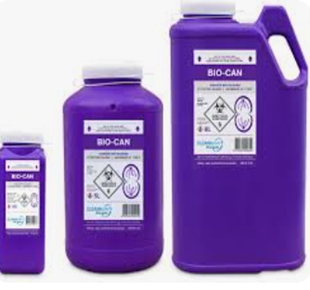
# Cytotoxic contaminated waste management (consumables, PPE, vials, sharps/syringes, animal waste, bedding, contaminated animal carcasses).
All contaminated waste must be disposed in:
- Purple containers and bags clearly marked “Cytotoxic Waste”
- Purple‑lidded sharps containers for contaminated sharps
Appendix A
Classification and labelling for workplace hazardous chemicals
Safe Work Australia, Work Health and Safety Regulations: Classification and labelling for workplace hazardous chemicals.
References:
- L. Wayne, S. Duarte-Vogel, S. Kraemer and J. D. Rager. Exposure assessment of laboratory workers to hazardous waste from mice treated with tamoxifen and bromodeoxyuridine (Research Article), Journal of Chemical Health & Safety. 2019, 26, 1, 2–8.
- WorkSafe Victoria, A guide for employers- Managing cytotoxic medicines and related waste, November 2024.
- WorkSafe, Victoria, Managing Cytotoxic Medicines and related waste
- Safe Handling – Cytotoxic Drugs and Related Waste- A Risk Management Guide for South Australian Health Services
- Safe Work Australia, Work Health and Safety Regulations: Classification and labelling for workplace hazardous chemicals.
Need help?
For more information, contact the Health, Safety & Wellbeing team at hsw@monash.edu.