
Pregnancy and work
If you're pregnant, breastfeeding or planning a pregnancy, we're here to help you stay safe in your work or study environment. There are a few things you’ll need to be aware of.
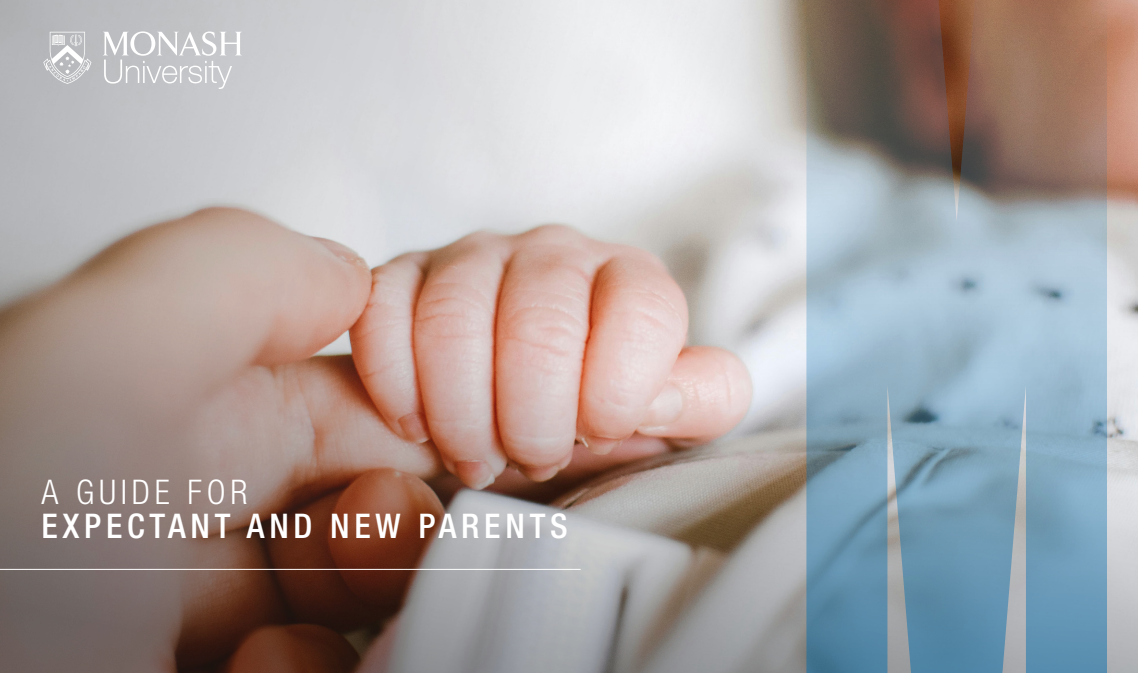
Before and during pregnancy
Speak with your doctor about your work environment before or during pregnancy.
As soon as you feel comfortable doing so, let your supervisor, Safety Officer, Biosafety Officer or Radiation Safety Officer (RSO) know about your pregnancy. They can then start an assessment and discuss modifications that can be made to your work to minimise risks to your pregnancy. If you’d prefer, you can request any information about your pregnancy be kept confidential.
You should also contact the Health, Safety & Wellbeing (HSW) team for advice and support. They will work with you to assess the nature of your work and the risks involved, provide information about your areas of concern and help you to continue working safely during and after pregnancy.
Working with chemicals, animals or radiation
Follow safe handling procedures and use fume hoods where required. Exposure to chemicals at levels below recognised exposure limits should not present a risk to you or your unborn child during pregnancy or whilst breast-feeding. Check our chemical management section for working safely with chemicals.
Some animals may carry diseases that can affect pregnancy. If you work with any animal which you feel may adversely affect your pregnancy, you should seek immediate advice from your treating doctor. For all the details, check our page on working with animals.
Ionising radiation
Levels of exposure to ionising radiation that don’t harm a pregnant person may still harm the developing fetus, particularly up to 25 weeks’ gestation. If you’re uncertain about whether you’re pregnant, reconsider your use of ionising radiation.
Notify your supervisor, Radiation Safety Officer (RSO) or Radiation Protection Officer (RPO) as early as possible.
Monitoring
If you wear an Optically Stimulated Luminescence dosimeter (OSL) for your work, your RSO will provide you with a four-weekly monitoring report for the duration of your pregnancy and assist you and your supervisor with implementing any agreed upon changes to your work environment or practices.
Your RPO will provide technical advice on ionising radiation safety issues, routinely inspect your workplace and examine and maintain copies of your monitoring report, investigating when needed to ensure dose limits are not exceeded.
Non-ionising radiation
If you work with non-ionising radiation and you’re pregnant (or planning to become pregnant), you should seek advice from the University's Radiation Protection Officer (RPO) or your treating doctor.
Immunisations
Vaccinations are recommended for some roles. If you're planning a pregnancy, check your immunisation status with your doctor. Ideally, you should receive all vaccinations recommended for your role and work environment before getting pregnant.
Manual handling
While physical activity and maintaining fitness is beneficial during pregnancy, excessive physical work or heavy lifting may pose a risk, especially towards the end of pregnancy. If your work involves manual handling, prolonged standing, repetitive lifting or maintaining awkward postures, you should seek advice from your treating doctor. You can also speak to your supervisor about adjusting your tasks.
Ergonomics
Your posture and comfort will change as your pregnancy progresses. Apply ergonomic principles throughout and review your workstation set-up regularly to stay comfortable. If you’re having trouble with your workstation set-up during your pregnancy, get in touch with the Health, Safety & Wellbeing (HSW) team for advice.
Need help?
For more information, contact the Health, Safety & Wellbeing team at hsw@monash.edu.