
E-bikes and scooters
Storing or charging commuter e-bikes and e-scooters inside University buildings is banned due to significant safety concerns. E-bikes and e-scooters typically use lithium-ion batteries that when damaged, overcharged, or improperly charged, can overheat, ignite and even explode, releasing toxic gases.
Storing and charging your scooter
There are safe ways you can store and charge e-bikes and e-scooters on campus:
- Use the outdoor bike hoops located across campus for secure storage.
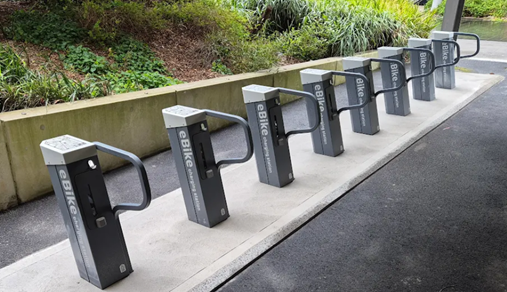
- Charge your e-bike or scooter at the free charging stations, outside the James Gormley bike arrival station on Clayton campus.
- Use original manufacturer chargers and follow the manufacturer’s instructions.
- Check battery condition regularly. Lithium-ion batteries typically last three to five years. Make sure the battery isn’t damaged – signs include swelling, bulging or visible cracks.
- Avoid overcharging, this adds to the fire risk.
Check that your scooter meets the safety requirements in the UL2272: Personal e-Mobility evaluation, testing and condition certification, and your scooter battery meets IEC 62133-2: Safety Testing for Lithium Ion Batteries requirements.
Exemptions for research
If you’re using e-bikes or e-scooters for Monash research, you’re exempt from this requirement, but you still need to manage safety. Make sure you:
- complete a risk assessment
- use bikes and scooters from reputable suppliers
- have suitable battery storage and management systems
After completing your risk assessment, send the risk assessment number and location of the e-bike(s) and scooter(s) to hsw@monash.edu.