
Hydrofluoric acid
Hydrofluoric acid (HF) is one of the most corrosive substances used in labs. In its concentrated form (70%), it gives off fumes when exposed to air.
Health risks
Even diluted HF can be extremely dangerous. Unlike other acids, dilute HF can react with tissue and bone without significant pain at first. Health risks include:
- Skin contact: High concentrations cause pain and whitening of the skin and can cause corrosive burns, visible tissue destruction, areas of ulceration and necrosis. Lower concentrations can damage skin and tissue without visible signs.
- Eye contact: Eye exposure can cause pain, red eyes, eyelid spasms and corneal damage.
- Ingestion: Ingestion may cause nausea, vomiting, diarrhoea and stomach pain. Severe cases can lead to shock, convulsions or death.
- Inhalation: Inhalation can cause coughing or choking. Severe exposure may lead to breathing difficulties, muscle spasms or death.
Risk management
At 0.1% concentration or more, HF is classified as a hazardous substance, a dangerous good (Class 8, Subsidiary Risk 6.1) and a scheduled poison (Schedule 5, 6 or 7 depending on concentration).
| Classification | Pictograms |
|---|---|
| 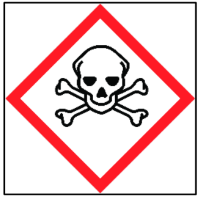 |
| 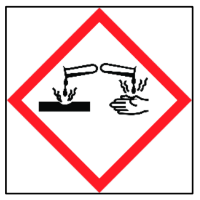 |
| – |
Before using HF
You’ll need to:
- complete a risk assessment
- complete the HF training
- contact HSW if you’re unsure about potential exposure risks.
Safe work practices
View

Personal protective equipment (PPE)
View
Waste disposal and neutralisation
View
Spill response
View
First aid
Being exposed to HF is a medical emergency. Begin first aid immediately and call both:
- 000 for ambulance
- 333 for Monash Security.
Keep applying first aid until medical help arrives. Anyone providing first aid must wear appropriate PPE to avoid secondary exposure. Check the First Aid Procedure for more information.
Once the ambulance arrives, a Safety Data Sheet (SDS) and calcium gluconate gel must be brought to the hospital with the person who was exposed to HF.
- Wear gloves and other PPE for self-protection.
- Remove all contaminated clothing, including jewellery and shoes. (Place all contaminated clothing in a labelled plastic bag until it can be decontaminated.)
- Rinse skin under cold running water for 15 minutes.
- Apply calcium gluconate gel on and around the affected area.
- Reapply the gel every 15 minutes until help arrives.
- Send the used gel tube with the person to the hospital.
- Remove contact lenses if necessary.
- Hold their eye open and flush with gently running water for at least 15 minutes. Take care not to contaminate the other eye.
- Move the person to fresh air.
- Administer CPR if needed (always use a resuscitation mask).
Never induce vomiting. If the person is conscious:
- Rinse the person’s mouth.
- Give them water to drink to dilute the acid.
Need help?
For more information, contact the Health, Safety & Wellbeing team at hsw@monash.edu.