
Phenol
This page outlines the information you need if you're working with phenol in a lab or research setting.
What is phenol?
Phenol is a highly toxic, corrosive and potentially mutagenic compound. It can come in solid, liquid or vapour form, and can penetrate the skin quickly.
It’s currently listed as a Schedule 6 poison.
| Classification | Pictograms |
|---|---|
| 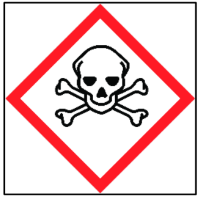 |
| 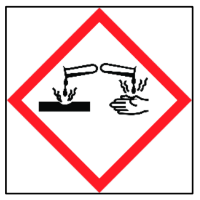 |
| – |
| – |
| 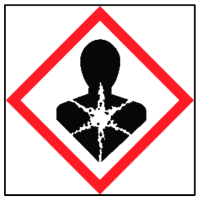 |
| 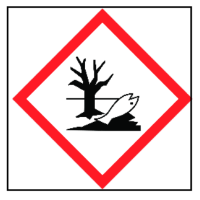 |
Health risks
Exposure to phenol can be dangerous and even fatal. Health risks include:
- Skin contact: Phenol causes severe burns and can be absorbed into the bloodstream quickly (which could be fatal). It may feel painless at first due to its numbing effect, and skin may whiten, soften or tingle.
- Eye contact: Phenol can cause serious eye damage and potential blindness.
- Ingestion: Ingestion can lead to vomiting, nausea, coma or death.
- Inhalation: Inhalation irritates the respiratory system and may be fatal in high concentrations.
Risk management
Before working with phenol you must:
- complete a risk assessment and develop safe work instructions
- take part in local training.
All hazards and incidents associated with phenol must be reported to HSW.

First aid
If someone is exposed to phenol, begin first aid immediately and call both:
- 000 for ambulance
- 333 for Monash Security.
Keep providing first aid until medical help arrives. Anyone providing first aid must wear appropriate PPE to avoid secondary exposure.
- Move the person away from any phenol vapour (e.g. if phenol has been heated).
- Remove all contaminated clothing, jewellery and shoes. (Place all contaminated clothing in a labelled plastic bag until it can be decontaminated.)
- Put the affected person under a safety shower or clean water source and rinse their skin with cold running water for at least 15 minutes.
- Monitor the person for symptoms for the next 24 to 48 hours.
- Remove contact lenses if necessary.
- Hold their eye open and flush with gently running water for at least 15 minutes. Take care not to contaminate the other eye.
- Move the person to fresh air.
- Administer CPR if needed (always use a resuscitation mask).
Call the Poisons Information Centre on 13 11 26.
Never induce vomiting. If the person is conscious:
- Rinse the person’s mouth.
- Give them water to drink to dilute the acid.
Need help?
For more information, contact the Health, Safety & Wellbeing team at hsw@monash.edu.