
Medical students gain unique insights into Aboriginal and Torres Strait Islander culture on camp in Barkanji country
Recently, 4th and 5th year medical students from Monash Rural Health had the unique opportunity to spend time out on Barkanji country near lake Mungo with elders to learn about the unique history of Barkanji people and their relationship to country.
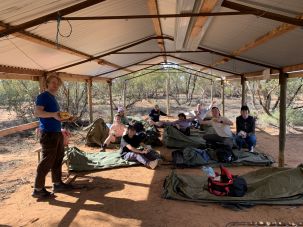 Being out on country allowed the students to get a first hand understanding of the special connection that Barkanji people have with country, as expressed by one of the students.
“This camp helped me see the incredible resourcefulness and deep spiritual connection Indigenous people have with their land. It’s one thing to read about it and another to witness and experience it firsthand!”
Students also reflected that practical activities like collecting materials like firewood and shrubs, crafting clapsticks, and watching a didgeridoo being made brought Aboriginal and Torres Strait Islander cultural practices to life in a way that books and lectures never could.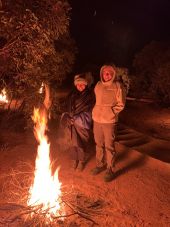 “Perhaps one of the most meaningful moments was gathering around the campfire at night to yarn. Sharing our personal stories and listening to tales of Indigenous culture near a warm fire created a profound sense of connection. These conversations allowed us to delve into more meaningful discussions about the Indigenous ways of life, and helped foster a deeper connection between all of us.”
Medical student Irene Roy appreciated the openness of the discussions, where there was no such thing as a silly question.
“We covered many topics, about culture, politics, racism and the list goes on. It was a safe space to explore First Nations culture and break down stigma.”
Students reflected on the profound impact of the experience and the discussions had and how it will influence their approach in their future practice with Indigenous patients.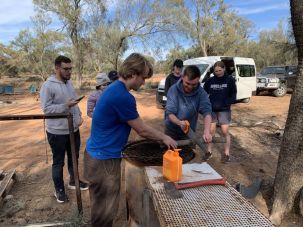 “Our guides covered essential topics (from their personal experience) such as the use of body language, trust-building, intergenerational trauma informed care, and creating supportive environments for Indigenous patients. These insights are crucial for helping us to develop meaningful and trusting relationships with Indigenous communities.”
The importance of providing holistic care was another aspect that was particularly meaningful for medical student Irene Roy.
“Having a stronger understanding of the importance of culture will allow me to prioritise this aspect when providing care, looking at a patient holistically and being open to learning and incorporating aspects like bush medicine.”
The Monash Rural Health Aboriginal Community Engagement Lead, David Byrnes, who also attended the camp, reflected on the experience and how it will help students to provide more culturally appropriate care in their future medical careers.
“Getting medical students out in country is essential to give them an understanding of country and culture that can not be learned through online courses. This experience will give medical students true understanding to help them provide holistic care to Aboriginal and Torres Strait Islander patients in the future. “