
Mentoring program helps graduate entry students transition into medicine
Undertaking your first year of medical school after completion of an undergraduate degree can be a major change. A peer mentoring program run by Monash Rural Health, which puts second year students in the role of mentor, makes coping with these changes much easier for first year students.
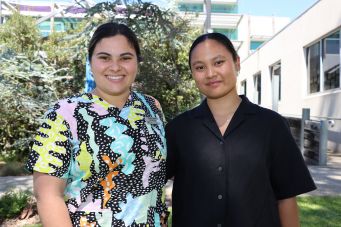 The program positively supports the wellbeing of first year students, in addition to building leadership and mentoring skills of second year students which they can utilise throughout their careers as rural health professionals.
Second year medicine student and mentor Georgia Sgroi believes there is nothing more valuable than having someone to talk to in the year above who can provide advice, study tips and wellbeing support.
“It gave us leadership practice of being able to mentor and supervise and help other people which is not something you get anywhere else.”
“I also think it provides confidence in more senior years to enable people to network and reach out and speak to people in years above even if they are not directly mentors.”
Eva Jan, who was being mentored by Georgia last year found immense help and support from the mentoring program.
“I had a few tough points in the year, particularly in the first semester, and I credit Georgia’s approachability and kindness in helping me get over these hurdles. Georgia gave up a lot of her time on Zoom to offer advice on study techniques, coping strategies and a person to vent to.”
As Georgia points out, much of the support you can provide as a mentor is outside of the academic requirements of the course.
“It’s not necessarily “what do I study for the exams, it’s not “how do I navigate the hospital” it’s even more basic stuff like like how do I manage my time and how do I make time for my friends? Things like that get lost because there is a lot of pressure to focus on more academic stuff.”
Working with near-peers as mentors helps to create trust, as second year students have a
very recent experience of being a first-year medical student and unique understanding of what they are going through, as highlighted by Eva.
“Having someone that’s actually lived it and has that fresh in their mind offers that perspective of “I’ve lived it,” or “here’s my advice” that is more tailored and similar to what we are going to do.”
As part of the program, mentees are also invited to information sessions and networking events designed to increase their understanding of the opportunities to live, work and train in rural and regional areas.
Eva will be mentoring her own first year students in the coming year, passing on the mentorship she has received to the next batch of students.
“This program is so great because it’s a new and exciting thing studying medicine but it’s so hard to work it out on your own.”
Providing a supportive environment for rural health professionals as they are training is vital to building a strong and resilient workforce, and this mentoring program paves the way for future rural health professionals to mentor the next generation.