
One week placement provides medical students with a taste of rural life
More than 150 second-year Monash medical students recently spent a week in rural Victoria to learn about rural living and the differences of practising medicine rurally.
Each year, second year Monash medical students can enter a week-long rural placement program. The program prepares students for their future placements by giving them time to shadow doctors and more experienced students, while also affording them opportunities to explore rural Victoria. This semester, students spent their week across six rural towns, ranging from Bairnsdale in Gippsland to Mildura in north west Victoria. The program aims to equip students with the skills to navigate the unique hurdles of rural health practice, including staff shortages and restricted access to medical resources, as part of its diverse set of learning objectives.
Among the students who ventured into rural healthcare as part of the program were Meshva Patel, Anvi Khairnar and Amity Lee. Meshva was based in Warragul and West Gippsland Healthcare Group, Anvi gained valuable experiences in Sale, and Amity spent time in a specialised sexual health clinic as part of her week in Bendigo.
Before leaving for Warragul, Meshva had a series of goals she hoped to achieve during the week. While gaining valuable clinical experience was important to her, he also aimed to deepen her understanding.
“I aimed to learn about the unique challenges and dynamics of rural healthcare, including issues of access and cultural competence. Engaging with the local community to promote health awareness and education was also a priority.”
During her one-week placement, Meshva came to learn that one of the biggest aspects that defines rural medicine is the patient-centred approach used by doctors. She explained that the advantages of this treatment style thoroughly impressed him.
“I witnessed firsthand how healthcare providers in rural areas not only treat illnesses but also build strong relationships with their patients, considering their social and economic circumstances. This patient-centred approach was truly inspiring and made me realise the profound impact it has on health outcomes. Additionally, I was impressed by the level of innovation and resourcefulness demonstrated by healthcare teams in delivering quality care despite limited resources.
These experiences have not only changed my view on rural health, but have also made me deeply appreciate the unique aspects of rural medicine. I now see rural healthcare as an opportunity to make a tangible difference in people’s lives, emphasising personal connections, community involvement, and holistic care.”
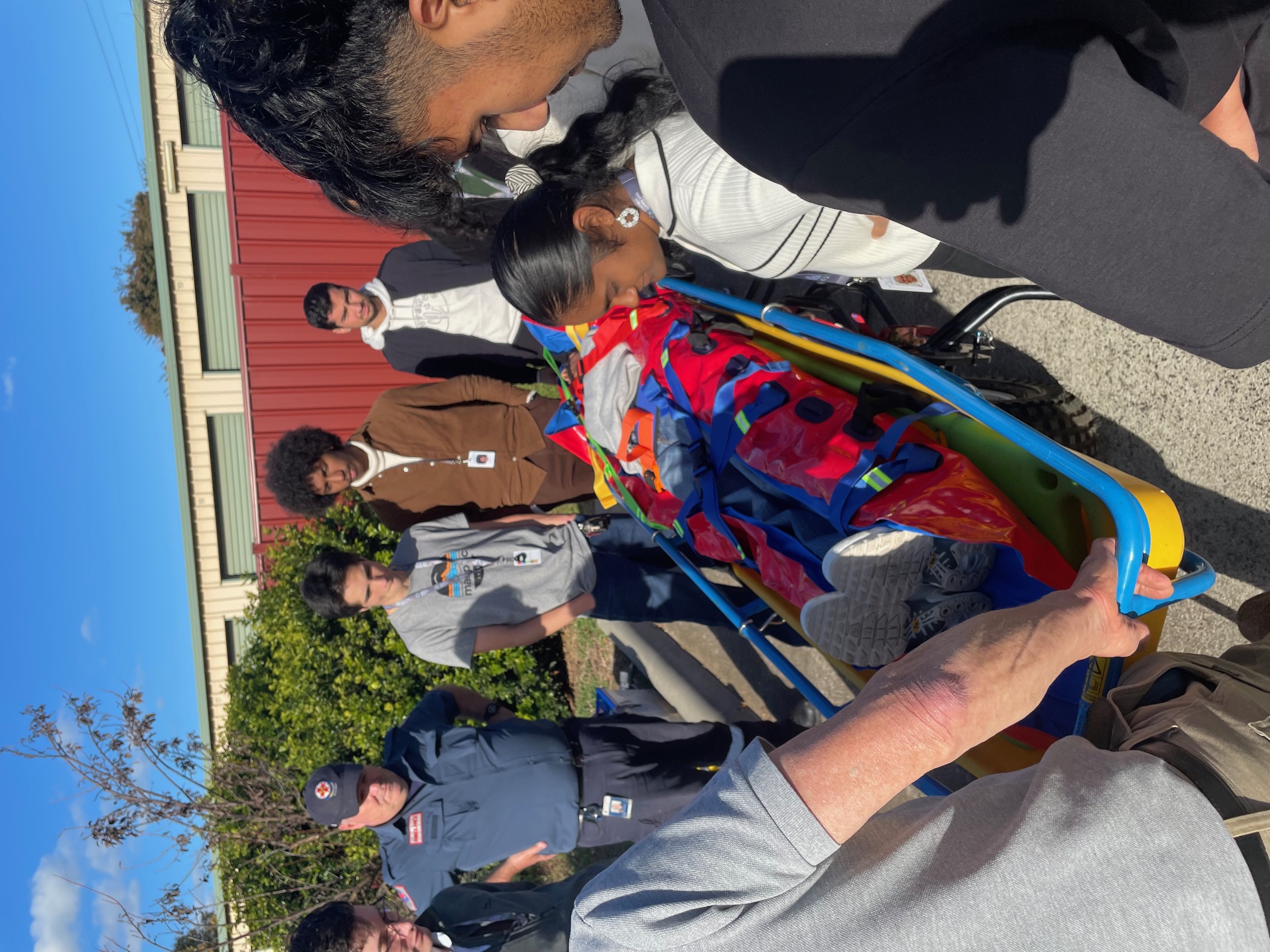 Fellow student, Anvi, also found plenty of healthcare insights during his placement. While the students did rotations at the local hospital, they also had chances to visit other health services in the area and learn more about them. Anvi visited the local Ambulance Victoria service in Maffra, and was guided through several different aspects of prehospital care by the paramedics on site.
“We had a fun activity of going through a case ourselves. It was very interesting to learn the exact steps taken by paramedics on site and how they stabilise and prepare patients for doctors, and handle these high stress situations. Getting to actually do this as a volunteer was a highlight for sure.”
Anvi’s time assisting at the hospital in Sale was similarly enlightening. He was paired with a senior Monash medical student, and was able to assist them on their rounds. Seeing them do plenty of hands-on work was a promising sign for Anvi.
“I felt very welcomed and all the doctors as well as students were very helpful and encouraging, providing good feedback and advice. Additionally, getting to practically apply what we learn at university in real life situations was rewarding, and helped me assess the progress I made throughout the past two years. I also felt very involved in discussions between doctors and students, and found that they always ensured that I knew what was going on. There were many moments of confusion, however I never felt embarrassed to ask questions as everyone was very helpful.”
Amity had the pleasure of working with a sexual health clinic in Bendigo, one that has regular endometriosis clinics held free of charge for patients. Amity’s time there opened her eyes to the importance of sexual health.
“It was an absolute privilege to be able to work with Dr Karishma at the sexual health clinic, as I was exposed to an aspect of healthcare I had little knowledge about. I was unaware that many sexual health clinics existed, and definitely did not expect to find such a specialised one in Bendigo. It was interesting to see how specialised clinics run, and note the differences between a regular GP. For example, typical consults at the endometriosis clinic ran for over an hour, with the majority of that time spent listening to the patient's story and struggles with endometriosis, while normally a regular GP consultation lasts around a quarter of that time.
 I learnt so much about endometriosis and how debilitating it can be. I was quite moved hearing some of the patient's stories about their struggles with the chronic condition, as well as by seeing their visible relief upon coming to the clinic and hearing how it can provide alternate forms of treatment to surgery, such as physiotherapy and psychology sessions to help with managing chronic pain.”
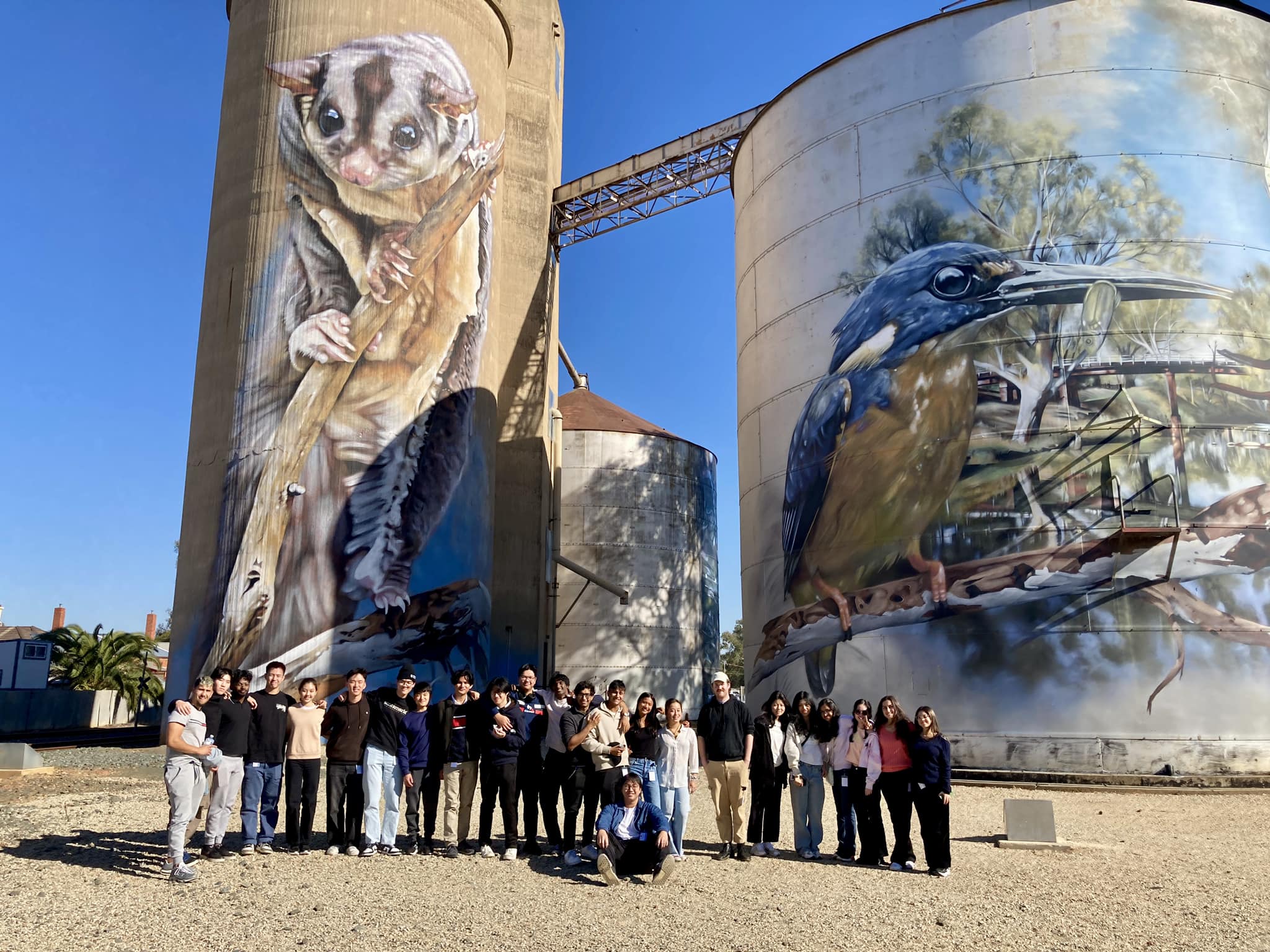
Over the week, students went on hikes, shared dinners and learned to rollerskate. The program provided many opportunities for the students to bond.
“This turned out to be a great opportunity to become closer as a group, making fast friends,” said Amity.
Rural Health Education Program Manager Laura Major was delighted with the success of the program this semester.
“All our rural sites that welcomed Year 2 medical students this semester provided overwhelmingly positive feedback. The students actively participated and showed enthusiasm for the various opportunities available to them, both in clinical settings and within our communities. A key highlight of our program is its focus on patient-centred care tailored to rural and Indigenous populations. By immersing students in workplace and community environments, they gain firsthand insight into the diverse needs and backgrounds of rural communities. This exposure fosters empathy and cultural awareness crucial for delivering effective healthcare.”