
Are international medical graduates the answer to the regional health crisis?
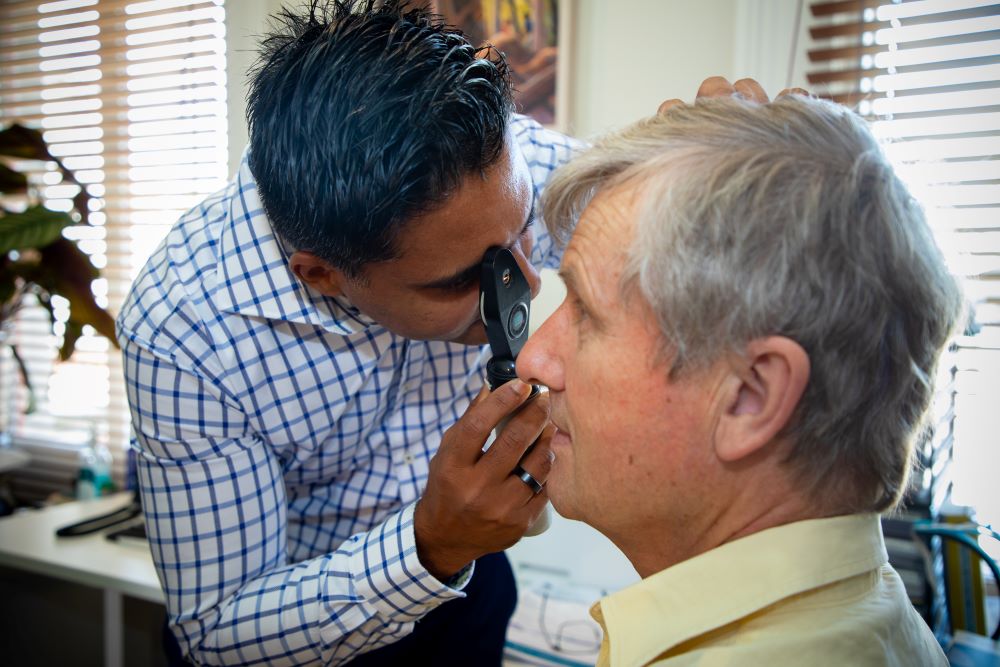
International medical graduates constitute the majority of Australia’s rural general practice workforce, but there is no national strategy supporting their pathway into satisfying rural general practice careers.
Now Monash University and General Practice Supervision Australia (GPSA) have developed a roadmap, published today in the Medical Journal of Australia, to assist international medical graduates with training, immigration and settling into community.
It is the first national strategy to address the many barriers that prevent international medical graduates from remaining rural doctors.
Lead researcher Professor Belinda O’Sullivan, Director of Research at Monash School of Rural Health, said the roadmap would address many of the barriers preventing international medical graduates from remaining as rural doctors.
“The rural general practitioner (GP) workforce is crucially reliant on the registration and employment of international medical graduates,” Professor O’Sullivan said.
“In fact, they make up around two-thirds of GPs in small rural communities with populations under 15,000 people.
“These doctors are a key part of our rural health system and if we want to sustain and strengthen GP access in rural communities we need to adequately support them.”
The roadmap includes addressing key problems like a lack of centralised information to assist international medical graduates in planning life and work in Australia, social isolation in rural communities, the lack of recognition of previous skills and experiences, limited access to supervisors or mentors, poor information about pathway options to becoming a registered GP in Australia, and complexity around the agencies involved in the migration and registration process.
Dr Candice Baker, GPSA Chair, said the roadmap fills a critical gap in supporting international medical graduates to build sustainable rural careers.
“International medical graduates make an invaluable contribution to rural and remote communities across Australia,” Dr Baker said.
“The roadmap recognises that supporting them is not simply about recruitment.
“It is about creating the conditions that enable doctors and their families to thrive professionally and personally in rural communities."
The research found that providing international medical graduates with centralised resources and information on rural general practice training and careers promotes comfort and empowerment.
“The roadmap recommends supportive workplaces for early supervised practice, skills bridging,and opportunities to connect with other doctors’ families and communities.
“Training which builds on international medical graduates' capabilities promotes a sense of professional belonging and bonding,” Professor O’Sullivan said.
“Ongoing timely support, when multi-layered, tailored and integrated as outlined in our roadmap, may assist international medical graduates to gain specialist general practice qualifications, feel valued and to settle in rural general practice roles.”
Read the research paper: http://doi.org/10.5694/mja2.70254
The project was funded by a Royal Australian College of General Practice education research grant in 2025.
MEDIA ENQUIRIES
Tania Ewing
Media and Communications Consultant
P: +61 408 378 422
E: tania.ewing1@monash.edu
GENERAL MEDIA ENQUIRIES
Monash Media
P: +61 3 9903 4840
E: media@monash.edu