
Prescription access to medicinal cannabis is skyrocketing – now Monash researchers have a blueprint to make it safer
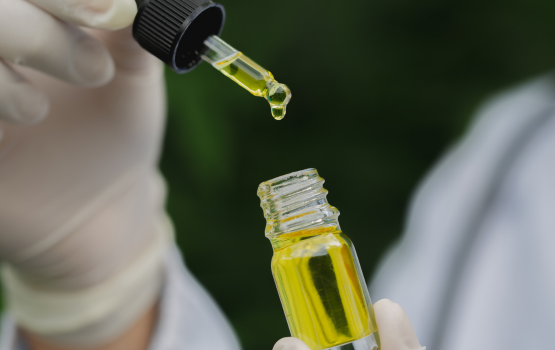
Credit: Tinnakorn Jorruang from Getty Images
In Australia, there has been a significant rise in the availability of prescription cannabis products, following streamlined processes for approvals, the rise of online telehealth clinics and direct-to-door delivery. Of particular concern has been a rise in the prescribing of products containing the highest amounts of THC, which have been linked to increased reports of harm.
In Australia, the cannabis products available by prescription have not been approved by the TGA, with only two out of more than 1,000 medicinal cannabis products having undergone pre-market Therapeutic Goods Administration (TGA) evaluation for quality, safety, and efficacy.
As part of the TGA's review of the medicinal cannabis framework, Monash University researchers have completed a review of international approaches to cannabis products, suggesting ways Australia could introduce world-leading regulations. The study was led by NHMRC Scholar Myfanwy Graham and Professor Suzanne Nielsen, from the Monash Addiction Research Centre and Eastern Health Clinical School published in the journal Drug and Alcohol Review.
According to Ms Graham, Australian patients have access to products containing up to four times the concentration of THC that has been tested in clinical trials for health conditions. “In recent years, prescription applications have moved from predominantly CBD and balanced CBD/THC oral liquids toward products with the highest THC concentrations,” Ms Graham said.
“These trends appear to be driven by increased application approvals for inhaled higher THC products. We see these used mainly for chronic pain and mental health indications, such as anxiety, and most often in young males.”
Currently, in Australia there is no upper limit for THC concentration in medicinal cannabis products, with available products for inhalation, such as dried herb and concentrated extract, ranging from 13.2 per cent to over 88 per cent THC.
An analysis of voluntary adverse event reports to the TGA for three years from mid-2022 found that half of all case reports were related to higher THC medicinal cannabis products. These adverse events include: acute presentations such as psychosis, cannabis hyperemesis syndrome, suicidal ideation/behaviour/attempt and accidental paediatric consumption. Targeted research on chronic harms such as cannabis use disorder, with prescribed medicinal cannabis, is needed.
This rise in the prescribing of higher THC cannabis products and a parallel rise in reports of harm, “has led to regulators considering whether the current approaches for medicinal cannabis could be improved,” Professor Nielsen said.
Ms Graham and her colleagues identified several international risk mitigation strategies to reduce THC exposure-related harms that could be considered in Australia, including setting THC concentration limits at or below the levels naturally occurring in the cannabis plant, introducing measures related to product characteristics, labelling, and packaging which may help reduce the appeal to youth and children, improving the screening and monitoring of harms associated with medicinal cannabis products and public health education and health warnings on product labels.