
Protecting Young Kidneys: A New Immune‑Targeted Strategy for Childhood UTIs
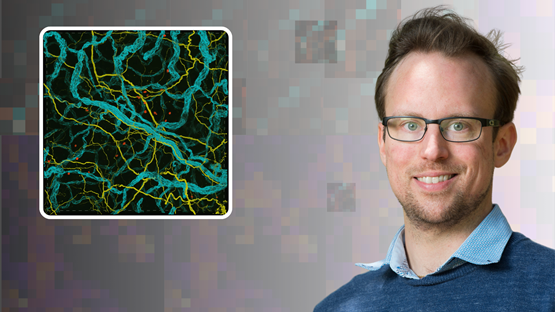
A close‑up look inside the bladder: blood vessels, nerves and immune cells working together to protect us.” Image credit: Ashleigh Paschek
Urinary tract infections (UTIs) are among the most common and serious bacterial illnesses affecting Australian children. Beyond the immediate pain and distress, they can leave lasting kidney scars and increase the risk of chronic kidney disease later in life.
Across all age groups, UTIs — including pyelonephritis — are a leading acute cause of potentially preventable hospitalisations (PPHs). The Australian Institute of Health and Welfare recorded more than 90,000 UTI‑related admissions in 2023–24. Young children, particularly those under four, have some of the highest emergency department presentation rates of any age group.
“Paediatric UTIs are common, clinically tricky, and carry real long‑term risks if infection reaches the kidneys,” says Dr Malcolm Starkey, senior immunology researcher at Monash Translational Medicine and Director of the Bladder and Kidney Discovery Program. “Our goal is to stop the immune over‑reaction that drives damage — so kids recover faster, with fewer admissions and fewer scars.”
We’re not trying to outgun bacteria with antibiotics — we’re calming the inflammatory pathway that turns an infection into kidney injury.” — Dr Malcolm Starkey
The dominant cause of paediatric UTIs is uropathogenic E. coli — a highly adapted and specialised bacterium, responsible for more than 70% of all UTIs. Combined with rising antimicrobial resistance, clinicians are facing a shrinking set of effective first‑line treatments.
“We’re watching antibiotic options narrow,” Dr Starkey says. “If we keep relying on the same playbook, we’ll keep getting the same hospitalisation numbers.”
Dr Starkey is Chief Investigator on a $1.4 million NHMRC Ideas Grant, announced in January, that shifts the traditional paradigm of UTI research. Instead of targeting the bacteria, the team is focusing on the child’s immune response. Their work has identified interleukin‑33 (IL‑33) — an immune signalling protein — as a key driver of susceptibility to severe infection and kidney dysfunction in preclinical models.
The hypothesis is simple and powerful: block IL‑33, reduce bacterial burden, blunt inflammation, and prevent renal scarring.
Importantly, anti‑IL‑33 biologics are already in late‑stage clinical trials for other inflammatory diseases, including asthma. This existing safety and regulatory groundwork could accelerate translation if the team’s findings show benefit in UTIs.
Dr Starkey’s program brings together a full translational pipeline — advanced infection models, human paediatric cohorts, and high‑resolution immunological and molecular profiling — to map how IL‑33 shapes the clinical trajectory from first symptoms to renal scarring.
“We’re not trying to outgun bacteria with antibiotics — we’re calming the immune and inflammatory pathways that turn an infection into permanent kidney injury,” Dr Starkey explains. “If IL‑33 blockade reduces the need for admission and protects renal function, that’s a genuine paradigm shift for paediatric care and the prevention of chronic kidney disease.”
If IL‑33‑targeted therapy proves effective as an adjunct or alternative, the potential impact is substantial:
- Fewer hospital admissions: Even modest reductions would translate to thousands of avoided paediatric bed‑days each year.
- Better kidney outcomes: Minimising inflammatory injury in early childhood dramatically lowers the lifetime risk of hypertension, chronic kidney disease, dialysis dependence and transplant.
- Improved antibiotic stewardship: An immune‑modulating option could reduce broad‑spectrum antibiotic use in hospitalised children, addressing a major driver of antimicrobial resistance.
“We now have the complete experimental toolkit needed to determine exactly how IL‑33 influences susceptibility to UTI and renal complications,” Dr Starkey says. “Our goal is to generate the evidence that will justify clinical trials of anti‑IL‑33 therapies for children.”
About Monash University
Monash University is Australia’s largest university with more than 80,000 students. In the 60 years since its foundation, it has developed a reputation for world-leading high-impact research, quality teaching, and inspiring innovation.
With four campuses in Australia and a presence in Malaysia, China, India, Indonesia and Italy, it is one of the most internationalised Australian universities.
As a leading international medical research university with the largest medical faculty in Australia and integration with leading Australian teaching hospitals, we consistently rank in the top 50 universities worldwide for clinical, pre-clinical and health sciences.
For more news, visit Medicine, Nursing and Health Sciences or Monash University.
MEDIA ENQUIRIES