
Study to improve messaging for better heart health
A new study aims to find out how to reach people who are poor or live in regional Australia and are at greater risk of poor cardiac health.
If you are poor or live in regional Australia you are far more likely to develop heart disease and suffer from a heart attack than wealthier Australians or those living in the city. A Warragul-based Monash Rural Health researcher has been awarded over $1.5 million to investigate ways to prevent those who have had a heart attack from having subsequent events, through targeted health education.
The state of health literacy
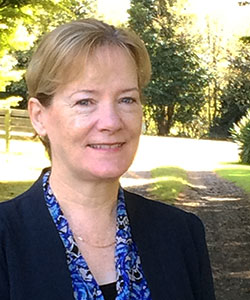 Doctor Alison Beauchamp’s National Health and Medical Research Council Investigator Grant will enable her to look at the role of health literacy as a predictor of cardiovascular risk across different socioeconomic and geographical groups. Health literacy refers to people’s ability to find, understand and use information about health.
“My aim is to look at how health literacy, following a heart attack, can influence whether a person has a subsequent heart attack – do they actually make, and keep up, the changes that are advised following a heart attack such as increasing exercise, improving their diet etc,” said Dr Beauchamp.
“Importantly, I will look at ways we can use health literacy to successfully target those people who – because of socioeconomic or regional differences – are less able to follow current health messages and advice.”
Heart disease linked to disadvantage
According to a 2019 report from the Australian Institute of Health and Welfare, people who are socioeconomically disadvantaged have, on average, greater levels of cardiovascular disease. In 2016, men and women living in the lowest socioeconomic areas of Australia had higher rates of heart attack, including higher death rates, than those living in the highest socioeconomic areas.
The Heart of Inequality report from the Mary MacKillop Institute for Health Research shows that people living in regional, rural or remote Australia are 90 per cent more likely to die from heart conditions caused by high blood pressure than people living in metropolitan areas.
Proven strategies to help reduce the risk of further heart disease following a heart attack, include attending a cardiac rehabilitation program. “Cardiac rehabilitation aims to build patient knowledge about self-management of lifestyle risk factors to support long-term behaviour change,” said Dr Beauchamp. However, these programs are often poorly attended and those most likely to not attend are from more disadvantaged backgrounds or live in rural areas.
Study aims
The study has three aims:
- Establish a cohort study to analyse the relationship between health literacy and inequalities in cardiac outcomes after acute myocardial infarction (heart attack).
- With health providers and consumers, co-design equitable health literacy interventions to improve uptake of cardiac rehabilitation and self-management of risk factors.
- Evaluate two of the interventions from Aim 2 to provide evidence for their effectiveness, with the long-term aim to implement them in the community.
Doctor Beauchamp’s study, which will begin next year, will look at the level of health literacy in the target populations. To compare rural versus metro regions she will look at over 400 patients attending two Melbourne based hospitals and a regionally based hospital for a first-time heart attack.
Surveys will be conducted before leaving the hospital and at 12 and 24 months post cardiac event. Other data will be collected such as attendance at cardiac rehabilitation, re-admission into hospital, and physical activity.
Developing targeted assistance
Dr Beauchamp and her team will also – with health providers and consumers – develop targeted health literacy interventions aimed specifically at people from lower socioeconomic settings, largely using vignettes or short narratives to illustrate how health literacy might impact upon a person’s decision to attend cardiac rehabilitation or engage with management of risk factors.