
Sport and brain injury - more research needed
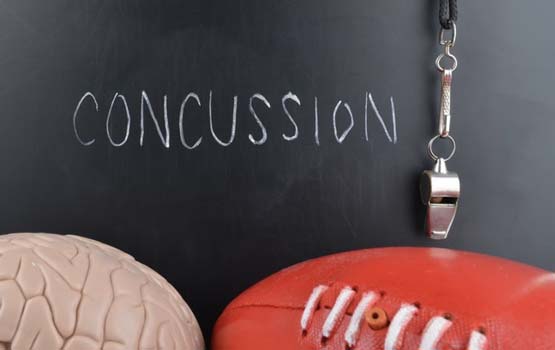
Monash University calls for more research into concussion/brain injury following reports that Danny Frawley had suffered from the brain disorder Chronic Traumatic Encephalopathy, known as CTE, which currently can only be diagnosed after death. Professor Terry O’Brien, Chair of Medicine (Neurology) explains that Danny Frawley’s case is another illustration of why more research is needed to develop and validate tests (biomarkers) that can diagnose concussion/brain injury more accurately, monitor brain recovery to ensure safety for return to play decisions, and to diagnose the early stages of CTE in life at a time when treatments could potentially be implemented.
The Monash University Department of Neuroscience is actively investigating all aspects of concussion/brain injury, with blood, imaging (MRI, PET), and neurophysiological diagnostic tests for concussion and brain recovery, and developing/testing potential treatments targeting the abnormal tau protein that underlies CTE. Sandy Shultz, Associate Professor in the Van Cleef Centre for Nervous Diseases, Department of Neuroscience is involved in research projects in men and women amateur Australian rules footballers that are investigating the use of blood and MRI biomarkers to diagnose concussion, determine when the brain has recovered and it is safe to return to play, and predict individuals who will go on to develop long-term neurological consequences (e.g. persistent post-concussion syndrome, CTE). He has been involved in previous research in retired NRL players that indicates evidence of brain damage on MRI scans, highlighting the need for further research and funding to address these issues.
Associate Professor Joanne Fielding, in the Van Cleef Centre for Nervous Diseases, Department of Neuroscience, within the Central Clinical School, and Group leader of the Fielding/White research lab is exploring the usefulness of ocular motor assessment of function in diagnosing concussion and monitoring recovery, which allows clinicians the ability to manage concussion more accurately. Concussion is becoming easier to diagnose but the return to play decision is less clear because, for example, subtle changes in cognitive function are not always measured.
Ocular motor assessments of function are not only relevant for monitoring the relatively short term recovery of vestibular and ocular motor performance (as measured using VOMS) but of the longer term impact on cognitive function. VOMS is a screening tool developed to detect signs and symptoms of concussion. It looks at the systems responsible for integrating balance, vision and movement.
Associate Professor Sandy Shultz was interviewed by Sydney Morning Herald.
Monash University is at the forefront of research in Neuroscience that is helping us to better understand the human brain and its connections. Monash is the home to Australia’s only dedicated academic department focused on discovery and translational research to deliver better health outcomes for patients with neurological conditions. Read more about Neuroscience at Monash.
The Turner Institute for Brain and Mental Health is dedicated to providing support and services to our community. The Turner Concussion Clinic can provide assessment and management arising from concussion injuries including falls, sporting injuries, and motor accidents.
Children, adolescents, and adults may be referred for assessment and management of problems associated with concussion, including:
- Cognitive changes including for example concentration or memory difficulties;
- Symptoms such as anxiety and depression; and
- Behavioural changes which may include irritability or reduce motivation.