
Changing the way high-risk births are managed
PhD candidate, Ms Zahrah Azman to appear on Einstein A-Go-Go 27 November 11:00am to discuss her research on the management of high-risk births in the delivery room.
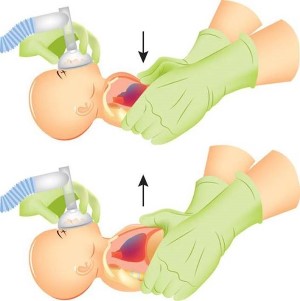
A team of Melbourne scientists are making world-first discoveries that may change the way we currently manage high-risk births in the delivery room, in order to protect infants from long-term brain and heart complications.
When an infant is severely deprived of oxygen during birth, their heart can stop and will require extensive resuscitation to beat again. This condition is called birth asphyxia, and it leads to the deaths of up to 1 million babies every year. However, a recent discovery has identified a subgroup of babies that do not respond to this challenge of oxygen deprivation in a typical way: babies that are pathologically small.
This preclinical study, led by Dr Beth Allison at the Hudson Institute of Medical Research in conjunction with Monash University, has found that infants born small (termed growth-restricted) are able to maintain blood flow to critical organs during a secondary exposure to severe oxygen deprivation. This ongoing work may suggest that babies who are born growth-restricted due to a reduced blood supply during pregnancy have the capacity to withstand a “double-hit” secondary injury.
What these researchers do not know yet is whether this response protects against damage to critical organs such as the brain and the heart. Up to 10% of babies in Australia are born growth-restricted due to a wide range of causes, including high maternal blood pressure, infection during pregnancy, and abnormalities of the placenta. They are often at high risk of developing complications throughout childhood and into adulthood, especially cardiovascular and neurological impairments. Although the chronic lack of oxygen supply during pregnancy can be detrimental to the baby, Dr Allison’s team believe that it is exactly the same reason why they are able to tolerate complicated births better.
“We had always thought that growth-restricted babies would fare much worse compared to their normally grown counterparts when experiencing a complicated birth with prolonged periods of little to no oxygen,” says senior author and cardiovascular physiologist Dr Beth Allison. “However, we are showing that growth-restricted babies are able to maintain blood pressure for longer.”
Dr Allison says that when deprived of oxygen, the hearts of these smaller infants took longer to completely stop beating and were able to pump blood to critical organs such as the brain for longer periods of time. The team is now working to understand the impact of this on critical organs such as the brain, lungs and heart.
How do we usually resuscitate babies?
Babies requiring resuscitation in Australia are treated according to guidelines developed by official bodies such as the Australian and New Zealand Committee on Resuscitation (ANZCOR). Resuscitation of infants includes administering chest compressions and adrenaline, the same lifesaving compound used to treat a severe allergic reaction. Dr Allison’s study discovered that smaller infants don’t require these interventions as frequently as their normally-grown counterparts. Currently, there are no specific recommendations to guide the resuscitation of growth-restricted infants, even though we now know they respond differently during resuscitation. This groundbreaking study hints that treating smaller babies with current methods may do them harm if they don’t require the same serious interventions that normal babies do.

The importance of identifying babies that respond differently
“Growth-restricted babies are already at such a high risk of developing brain and heart injuries, so we are really interested in reducing any further potential damage that can happen in the birth suite,” remarks Dr Allison.
“We are hoping that this preclinical study can lead to clinical trials further understanding how exactly to best manage these smaller babies,” Dr Allison concludes. The findings of this new study may be the first step to paving the path towards changing clinical guidelines, and in particular specifying the most optimal resuscitation method for babies born growth-restricted.
“At the end of the day, preventing even the slightest of injuries could mean a significantly better life for infants and their families.”
Tune into 3RRR at 11:00am Sunday 27 November to hear more from Zahra about her research on the management of high-risk births in the delivery room.
About Monash University
Monash University is Australia’s largest university with more than 80,000 students. In the 60 years since its foundation, it has developed a reputation for world-leading high-impact research, quality teaching, and inspiring innovation.
With four campuses in Australia and a presence in Malaysia, China, India, Indonesia and Italy, it is one of the most internationalised Australian universities.
As a leading international medical research university with the largest medical faculty in Australia and integration with leading Australian teaching hospitals, we consistently rank in the top 50 universities worldwide for clinical, pre-clinical and health sciences.
For more news, visit Medicine, Nursing and Health Sciences or Monash University.
MEDIA ENQUIRIES