
The climate crisis is a health crisis
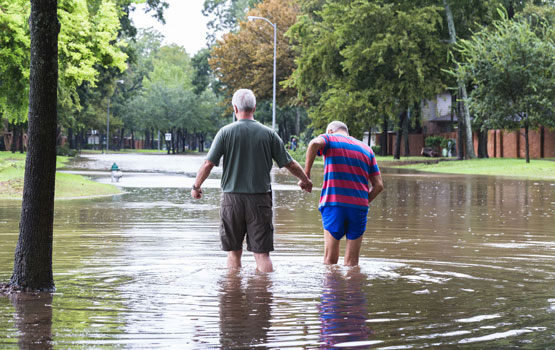
Climate change is causing widespread suffering and mortality due to both direct effects (e.g. heat, flooding) and indirect effects (e.g. via air pollution, sanitation, food quantity/quality, and infectious disease). We need to develop mitigation and adaptation strategies now to minimize suffering. This depends on capitalizing on everything available to tackle this overwhelming crisis. No person should be left behind.
Monash University has a breadth of expertise in both researchers and educators focused on climate related, human health issues. Through the Faculty of Medicine, Nursing and Health Sciences, we are developing new research collaborations to accelerate Health and Climate research and education initiatives for impact in our local and global community.
Professor Karin Leder, Head of the Infectious Diseases Epidemiology Unit in the School of Public Health and Preventive Medicine explains that extreme weather events in 2022 have included record-breaking heat waves such as were seen in India and Pakistan and extreme flooding events affecting Pakistan, Nigeria, Venezuela, Thailand, Cambodia and elsewhere. Closer to home, severe floods have occurred recurrently in 2022 in eastern parts of Australia (February/March, July and October), resulting in at least two dozen deaths predominantly from drowning and accidents.
Flooding also predisposes us to a range of other health impacts, including an increase in infectious disease risks. Early on, there are risks of gastrointestinal illness if poorly refrigerated or contaminated foods are eaten or contaminated water is consumed. Contact with contaminated floodwaters can also lead to skin and wound infections. Disease risks associated with animal sources are also increased, such as leptospirosis. Exposure to mould inhalation can also lead to respiratory symptoms.
This coming summer, we will be prone to high levels of mosquito breeding because of the floodwaters, with associated increased risks of mosquito-borne illnesses such as Ross River Virus and Barmah Forest Virus. In 2022 for the first time, cases of Japanese encephalitis (JE) were contracted in southern parts of Australia, and it is anticipated that JE cases will re-emerge over coming months given wet summer forecasts. Bite avoidance through clothing, insect repellents, insecticides and screens as well as limiting mosquito breeding through drainage of containers and debris removal are important. Vaccination against JE for residents of high-risk areas is also recommended.
Psychological distress from loss of homes and livelihoods can lead to long-lasting mental health effects. The floods have also caused difficulties accessing medications, major impacts on staffing in hospitals and clinics, and significant disruption to health and other services. The health sector represents 7% of the national carbon emissions, and climate change poses a large threat to the already overcrowded and stressed healthcare system. These interrelated factors must urgently be addressed by limiting low value clinical care and improving sustainability in the healthcare sector via reduced consumption of materials, water and energy.
Liza Barbour, Department of Nutrition, Dietetics and Food explains as the race to protect our finite planetary resources continues, individuals are urgently searching for ways to reduce their carbon footprint.
Vegetarianism and veganism has gained popularity amongst those living in high-income countries. However, these eating patterns will not guarantee a reduction in environmental damage. Many alternatives to animal-derived foods are ultra-processed, in particular meat alternatives. Ultra-processed foods are often over-packaged and have undergone a number of resource-intensive processes during their production.
To eat an environmentally sustainable diet, it is recommended to avoid excessive consumption of food beyond your nutritional requirement, eat less discretionary foods, which are often nutrient-poor, energy-dense and highly processed and packaged; and eat more plant-based foods - ensuring that these foods are sourced locally, in season and from a supply chain that favours sustainable production practices.
About Monash University
Monash University is Australia’s largest university with more than 80,000 students. In the 60 years since its foundation, it has developed a reputation for world-leading high-impact research, quality teaching, and inspiring innovation.
With four campuses in Australia and a presence in Malaysia, China, India, Indonesia and Italy, it is one of the most internationalised Australian universities.
As a leading international medical research university with the largest medical faculty in Australia and integration with leading Australian teaching hospitals, we consistently rank in the top 50 universities worldwide for clinical, pre-clinical and health sciences.
For more news, visit Medicine, Nursing and Health Sciences or Monash University.
MEDIA ENQUIRIES