
Researchers confirm the link between diet, microbiota and mental health
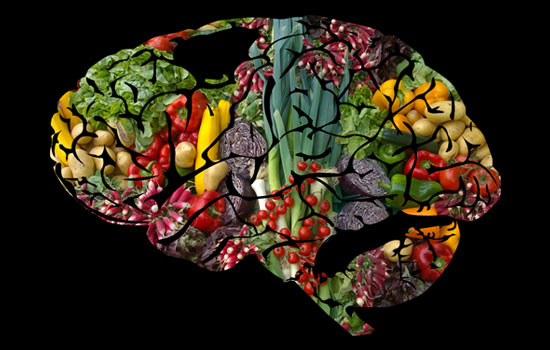
Fermentation of protein in the gut could release toxins into the body’s circulation and affect the brain’s access to neurotransmitter compounds, according to an international study by Monash University researchers.
The research, published in Frontiers in Nutrition, adds to the growing volume of work which seeks to understand the relationship between diet, the gut microbiota and mental health.
Tyrosine is an amino acid and precursor to key neurotransmitters, dopamine, adrenaline and noradrenaline, which have profound effects on mood, reward behaviour, wakefulness and motor activity.
Dietary tyrosine depletion has been implicated in an increased risk of clinical depression.
When amino acids such as tyrosine are fermented by gut microbes, they may be converted to potentially toxic compounds, such as ammonia, amines, N-nitroso compounds, phenols, cresols, indoles and hydrogen sulfide rendering them unavailable as neurotransmitter precursors and mimicking dietary depletion.
About Monash University
Monash University is Australia’s largest university with more than 80,000 students. In the 60 years since its foundation, it has developed a reputation for world-leading high-impact research, quality teaching, and inspiring innovation.
With four campuses in Australia and a presence in Malaysia, China, India, Indonesia and Italy, it is one of the most internationalised Australian universities.
As a leading international medical research university with the largest medical faculty in Australia and integration with leading Australian teaching hospitals, we consistently rank in the top 50 universities worldwide for clinical, pre-clinical and health sciences.
For more news, visit Medicine, Nursing and Health Sciences or Monash University.
MEDIA ENQUIRIES