
Artificial skin breakthrough for Melbourne patient

Bioengineered skin.
In a first-of-its-kind adult case, a Melbourne man has had his burns repaired with bioengineered skin, decreasing his need for skin grafting and significantly reducing his risk of deadly infection.
Specialists and researchers at The Alfred and Monash University have taken a major step forward in the quest to reach the ‘holy grail’ of burns treatment, with a patient’s extensive full-thickness burns successfully treated with new skin grown from his own skin cells in the laboratory.
Designed to treat life-threatening burns, experts hope the breakthrough, over 10 years in the making, will significantly improve outcomes for patients, and eventually replace the need to use traditional donor sites for healing patients with extensive severe burns, said Associate Professor Heather Cleland, a reconstructive plastic surgeon at The Alfred.
“Almost half of burns survivors live with pain and disability caused by scarring and infection, made worse by the need to use traditional skin grafts,” Associate Professor Cleland said.
“With this technique, we are cultivating skin that is a practical and safe and which, by eliminating the need for grafting using the patient’s unburnt skin for donor sites, will significantly improve the outcomes for patients with very serious burns.”
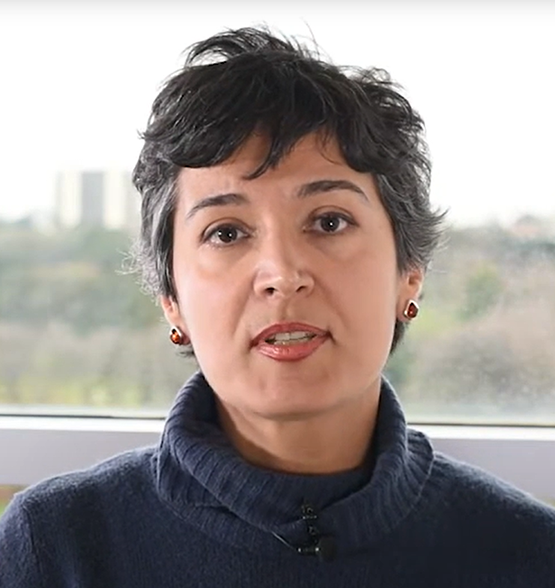
Associate Professor Shiva Akbarzadeh.
The technique also has the potential to significantly reduce long-term scarring, which can be associated with itching and pain, and sometimes loss of function, said Associate Professor Shiva Akbarzadeh, Group Leader at the Skin Bioengineering Laboratory in the Department of Surgery at the Monash School of Translational Medicine.
“We isolate and expand patients’ own skin cells and allow them to form new skin, and from skin cell harvest, it takes approximately four weeks to grow the mature skin ready for grafting,” Associate Professor Akbarzadeh said.
“By harnessing the body’s natural wound repair mechanisms, we expect little scarring of the treated sites long term.”
The trial, a partnership between The Alfred and Monash University, is the result of collaborative research between skin cell biologists and reconstructive plastic surgeons.
“Every step of the way has been developed based on what we’ve learnt from our previous clinical trials and feedback from the treating surgeons and patients,” Associate Professor Akbarzadeh said.
This trial is funded through the Medical Research Future Fund.
See also: Clinical trial to test engineered skin for severe burns starts in Melbourne's Alfred Hospital