
Critical allyship essential to achieving Indigenous health equity
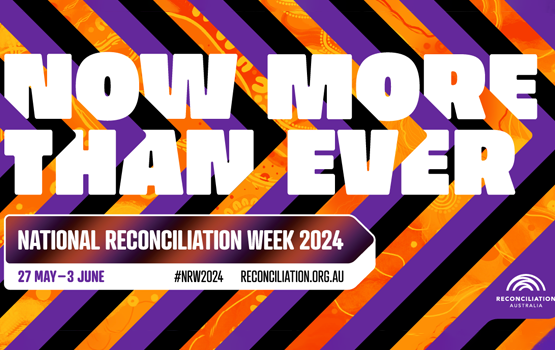
National Reconciliation Week is an opportunity for all Australians to learn about our shared histories, cultures, and achievements, and to explore how each of us can contribute to achieving reconciliation in Australia. This year’s theme, Now More Than Ever, is a reminder to all of us, particularly non-Indigenous people, that the fight for justice and the rights of Aboriginal and Torres Strait Islander people must continue.
Over six million Australians voted ‘YES’ in the recent Voice to Parliament referendum, so there are still plenty of reasons why non-Indigenous people should stay engaged and connected to reconciliation efforts. But what’s the best way for non-Indigenous people to engage post the Voice and begin to recognise and address the real impacts of racism and settler colonialism? Dr Julia McCartan, a senior lecturer in the Department of Nutrition, Dietetics and Food in the School of Clinical Sciences at Monash Health and an accredited practising dietitian, believes that the principles of critical allyship offer a positive way forward.
Stepping up
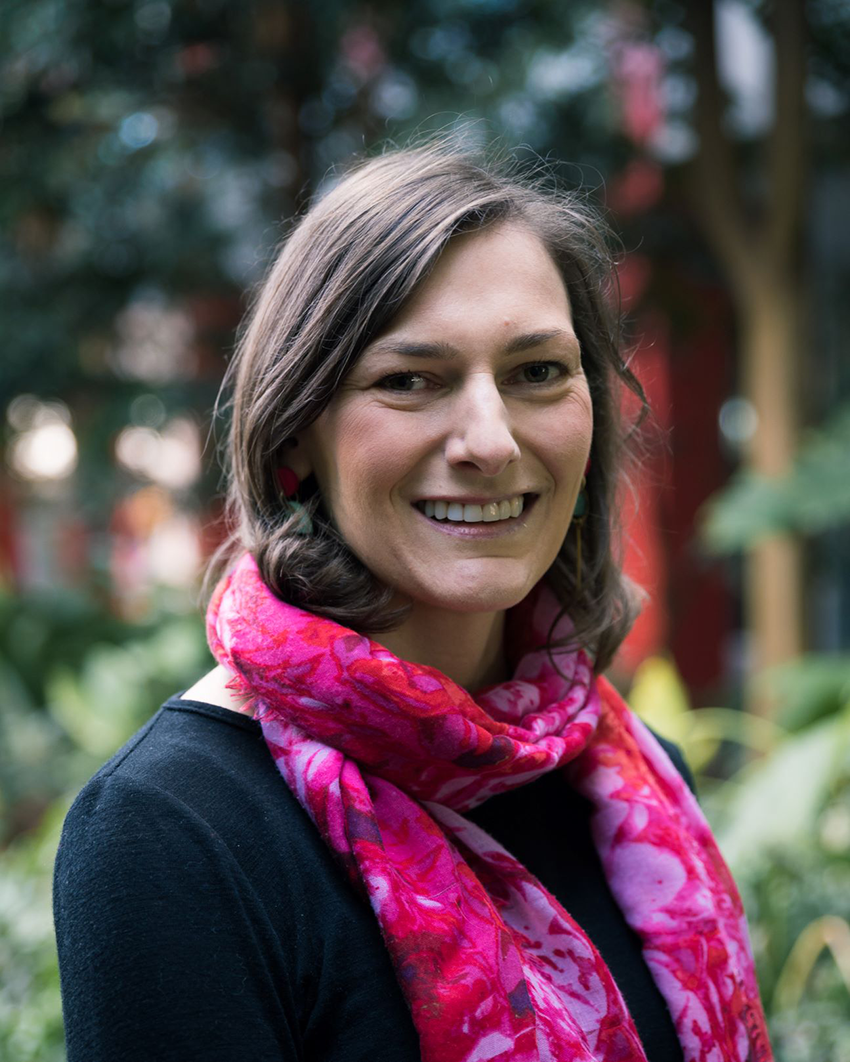
Dr McCartan has been practising critical allyship as part of her participation on the Monash Medicine, Nursing and Health Sciences’ Indigenous Health Equity Education Committee. A non-Indigenous person and first-generation Australian, Dr McCartan is a firm believer in non-Indigenous academics stepping up to take responsibility for preparing students to be anti-racist health practitioners with the skills to provide Aboriginal and Torres Strait Islander people with equitable healthcare.
Focused on Indigenous health equity curriculum, the committee has representatives from every health discipline across the faculty. They meet bi-monthly to consider and contribute to the latest evidence to inform learning and teaching of Indigenous health equity. The committee is led and guided by Aboriginal academics in the Gukwonderuk Indigenous Health Unit and is chaired by Gukwonderuk director Professor Karen Adams.
“Aboriginal and Torres Strait Islander academics are often called on to teach cultural awareness to groups of largely non-Indigenous students on the assumption that these students will then behave in culturally safe ways, “ she said. “But, this isn’t necessarily true. Instead, we need non-Indigenous academics to step up and change the mindset and behaviours of non-Indigenous students so that we produce anti-racist graduates who are prepared to work as critical allies. It’s okay for non-Indigenous people to teach Indigenous health equity, as long as we’re guided and led by Aboriginal and Torres Strait Islander academics along the way.”
Dr McCartan said that teaching Indigenous health equity involved helping non-Indigenous students explore and unpack feelings, biases, and previous learnings and challenging representations of Indigenous people that promote a deficit view. “This is particularly important in health, and especially in my subject area of nutrition and dietetics,” Dr McCartan said. “We teach students to consider not just individual factors and choices, but the current and historical influence of racism and settler colonialism on Indigenous health outcomes.”
Critical allyship
The principles of critical allyship, which promote listening rather than acting and being prepared to not take part in decision-making, can also be counter-intuitive to a person’s instincts when working in the helping professions. “As health professionals, we usually have a strong desire to use our expertise to advise and help guide decision-making,” Dr McCartan said. “But to be critical allies, we need to take a step back and not assume we have all the answers. This process takes some time to unpack.”
Now more than ever, becoming critical allies supporting Indigenous health equity is essential. Dr McCartan shares what this means in practice:
Educate yourself. Allies understand Aboriginal and Torres Strait Islander history by educating themselves independently. Seek out and engage with the many excellent movies, songs, articles, books, videos and artworks produced by Aboriginal and Torres Strait Islander people.
Think about your privilege. Allies who recognise their privilege and actively leverage it to promote change can be powerful voices supporting those whose rights and freedoms are oppressed. First and foremost, an ally supports the voices of individuals and communities that struggle to be heard because of inequality or oppression and promotes those voices instead of speaking for them.
Be prepared not to be part of decision-making. Aboriginal and Torres Strait Islander people live their culture, experience the world as Aboriginal and Torres Strait Islander people and know their communities best. Therefore, a good ally appreciates that Aboriginal and Torres Strait Islander people should make decisions on issues that affect them.
Take the time to listen. No two experiences are the same. It can be hard to grasp the adverse effects of racism and inequality if you haven’t experienced them personally. Truth-telling and storytelling are critical tools for educating the broader community about inequality and disadvantage. Allies listen to these truths and stories without being defensive or judgmental.
Promote Aboriginal and Torres Strait Islander voices. Allies allow Aboriginal and Torres Strait Islander people to speak for themselves. Centring Aboriginal and Torres Strait Islander people on issues impacting them means ensuring their voices are heard.
Appreciate the diversity among Aboriginal and Torres Strait Islander peoples. Aboriginal and Torres Strait Islander people are not all the same. Differences may be based on age, gender, and connection to culture, geography, and nation. Remember that differences don’t make people more or less Aboriginal and Torres Strait Islander.
If you witness racism, say something. It’s essential to call out racism, whether it’s racist jokes, stereotypes or negative attitudes. If someone says something inappropriate, speak up. Silence condones racism. Visit the Racism It Stops With Me to learn more.
Don’t give up when things get tough. Championing Aboriginal and Torres Strait Islander equity isn’t always easy. An ally stands with Aboriginal and Torres Strait Islander communities at all times, not just when it is easy or fun.
Are you a Monash Medicine, Nursing and Health Sciences academic keen to become a critical ally? The Indigenous Health Equity Education Committee holds regular Community of Practice sessions to guide researchers and educators towards these essential principles of allyship. Contact Julia.McCartan@monash.edu to find out more.
Find out more about the Gukwonderuk Indigenous Health Unit.
About Monash University
Monash University is Australia’s largest university, with more than 80,000 students. In the 60 years since its foundation, it has developed a reputation for world-leading high-impact research, quality teaching, and inspiring innovation.
With four campuses in Australia and a presence in Malaysia, China, India, Indonesia and Italy, it is one of the most internationalised Australian universities.
As a leading international medical research university with the largest medical faculty in Australia and integration with leading Australian teaching hospitals, we consistently rank in the top 50 universities worldwide for clinical, pre-clinical and health sciences.
For more news, visit Medicine, Nursing and Health Sciences or Monash University.
MEDIA ENQUIRIES